
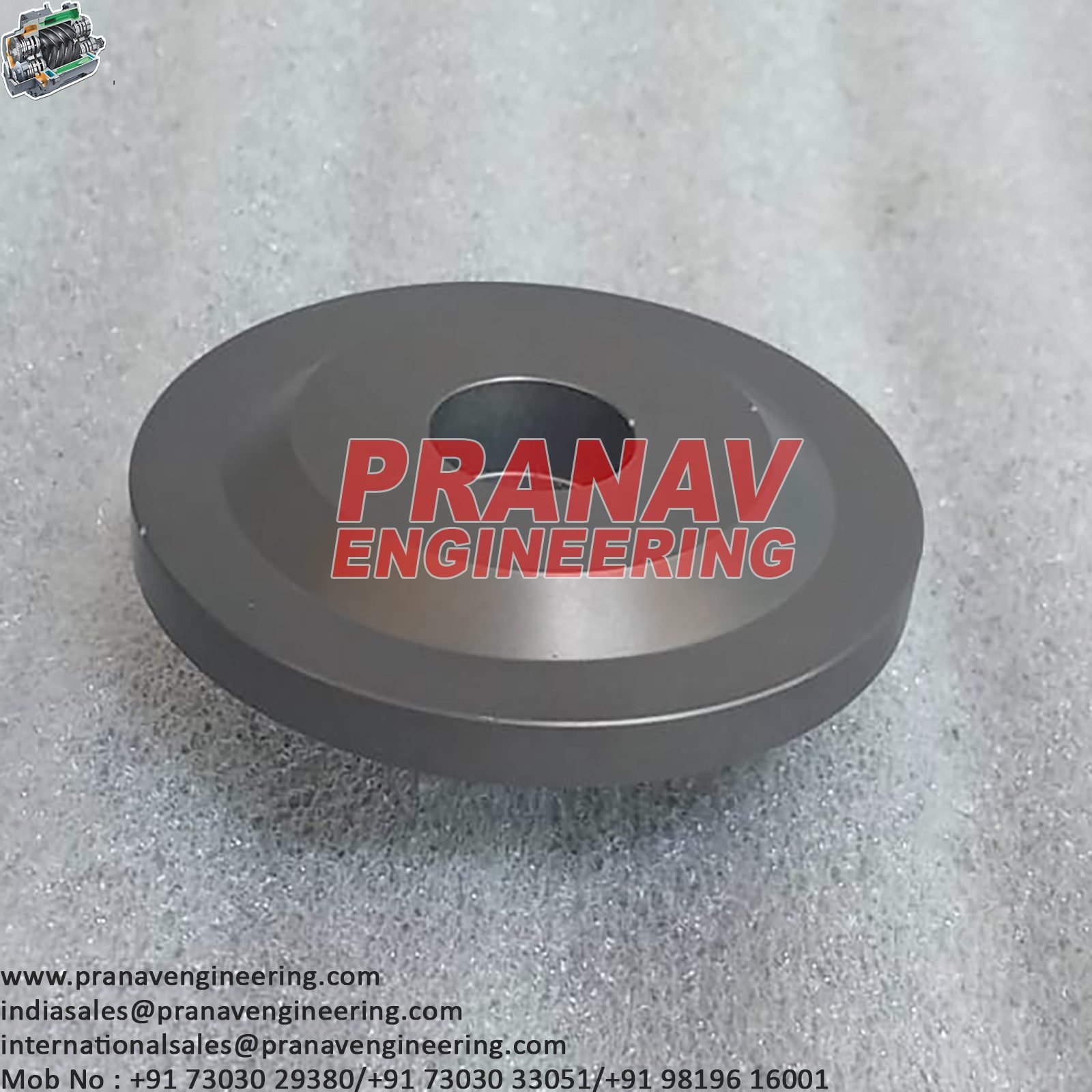
VALVE-1613680300
The valve operates automatically according to the pressure difference between the cylinder and the suction or discharge line.
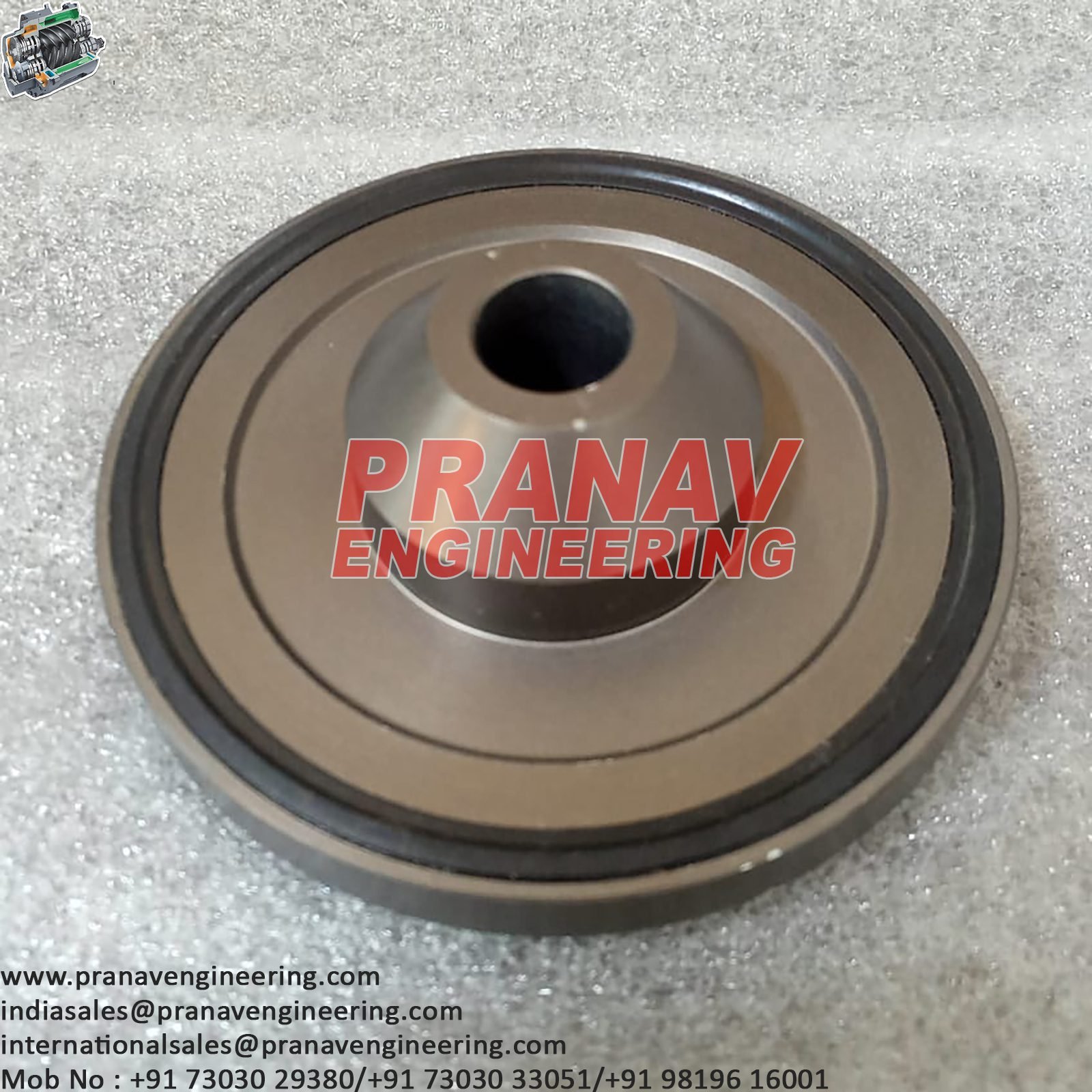
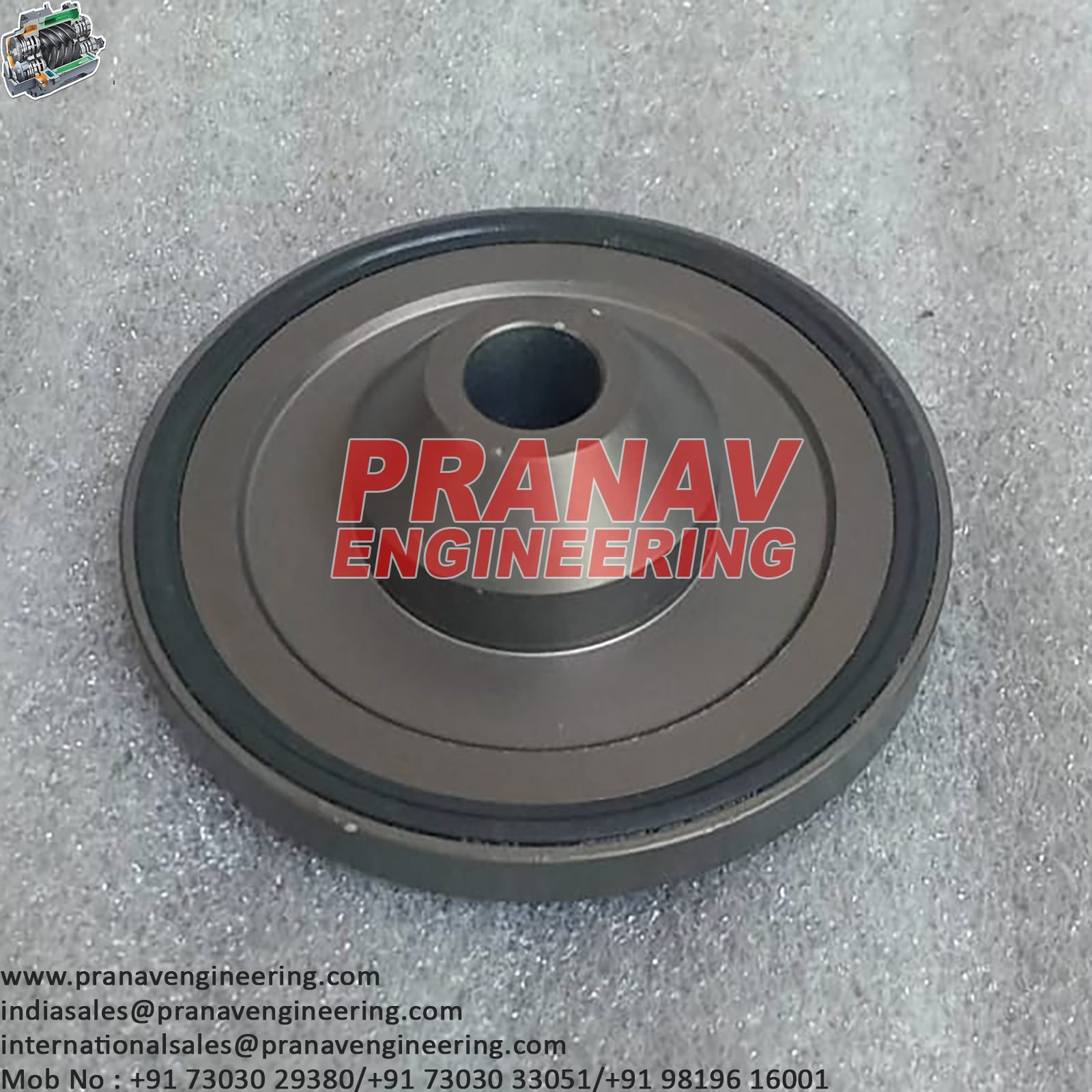
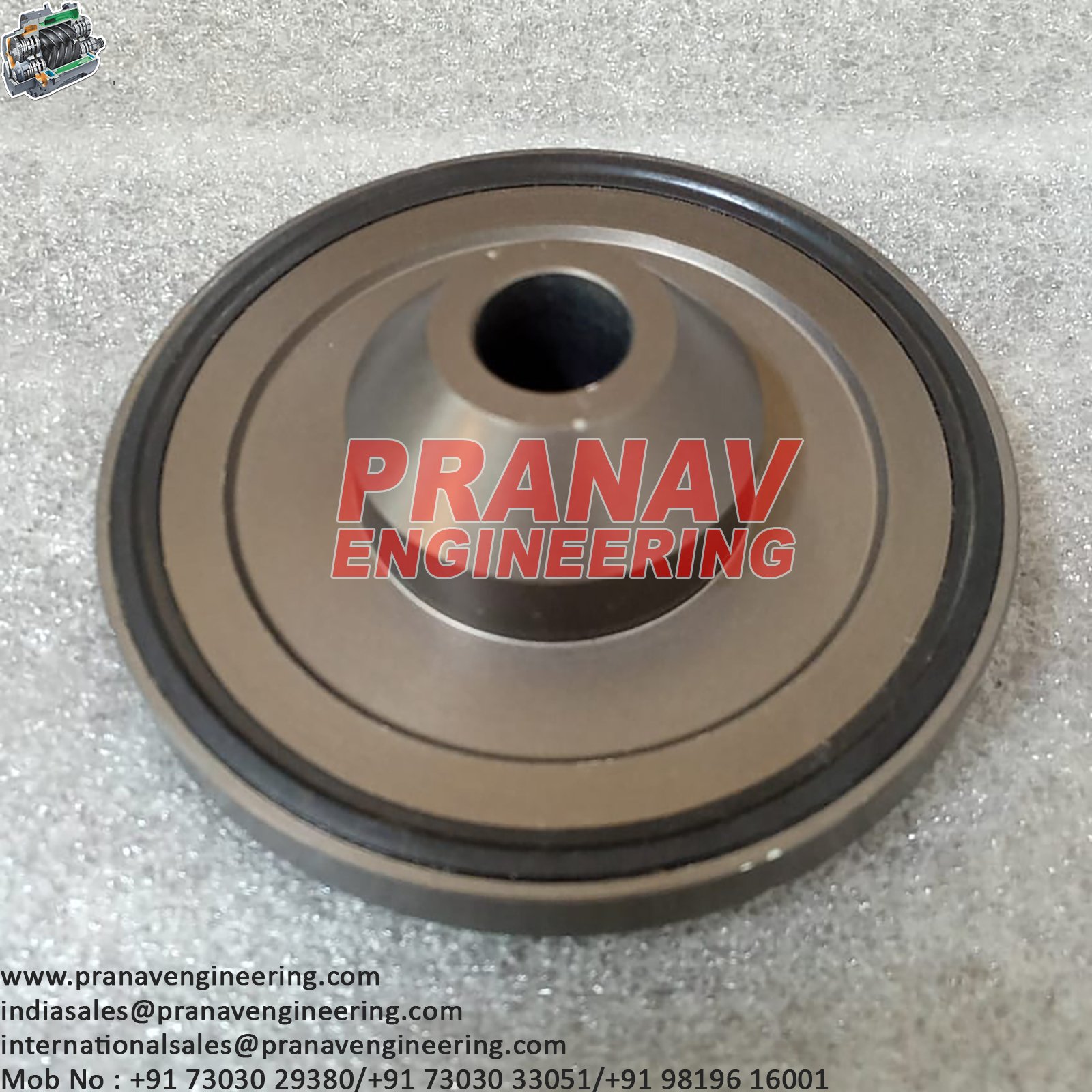
A compressor valve is a critical mechanical component used in reciprocating and other types of compressors to control the flow of gas or compressed air into and out of the compression chamber. The valve operates automatically according to the pressure difference between the cylinder and the suction or discharge line. Its proper functioning is essential for maintaining compressor efficiency, capacity, pressure, and reliable operation.
In a typical reciprocating compressor, the main valves are the suction valve and discharge valve. The suction valve allows low-pressure gas to enter the cylinder during the suction stroke. When the piston moves back and creates a pressure lower than the suction-line pressure, the suction valve opens and permits gas to enter the cylinder. During the compression stroke, the suction valve closes to prevent the compressed gas from flowing back into the suction line.
The discharge valve performs the opposite function. As the piston compresses the gas, the pressure inside the cylinder increases. When the cylinder pressure becomes higher than the discharge-line pressure, the discharge valve opens and allows the compressed gas to flow into the discharge piping or receiver. The valve then closes as the pressure difference changes, preventing reverse flow into the cylinder.
Compressor valves are generally manufactured from high-strength and wear-resistant materials because they are exposed to repeated pressure cycles, high temperatures, and continuous mechanical operation. Depending on the compressor design and application, valve components may include valve plates, springs, seats, guards, unloaders, and sealing elements. The design and material selection depend on the operating pressure, temperature, gas type, compressor speed, and service conditions.
Proper maintenance of compressor valves is important for safe and efficient operation. Common problems include valve leakage, damaged valve plates, broken springs, carbon deposits, worn valve seats, corrosion, and excessive pressure drop. A faulty valve can cause reduced compressor capacity, increased power consumption, overheating, abnormal noise, and poor discharge pressure.
During maintenance, the compressor should be isolated, depressurized, and made safe before the valve assembly is removed. Valve plates, springs, seats, and sealing surfaces should be inspected for wear, cracks, deposits, and deformation. Damaged components should be replaced with the correct manufacturer’s specifications, and proper tightening procedures should be followed during reassembly.
In conclusion, the compressor valve is essential for controlling gas flow and maintaining the correct compression cycle. Regular inspection, cleaning, and timely replacement of worn components help improve compressor performance, reduce energy losses, prevent unexpected breakdowns, and extend the service life of the compressor.