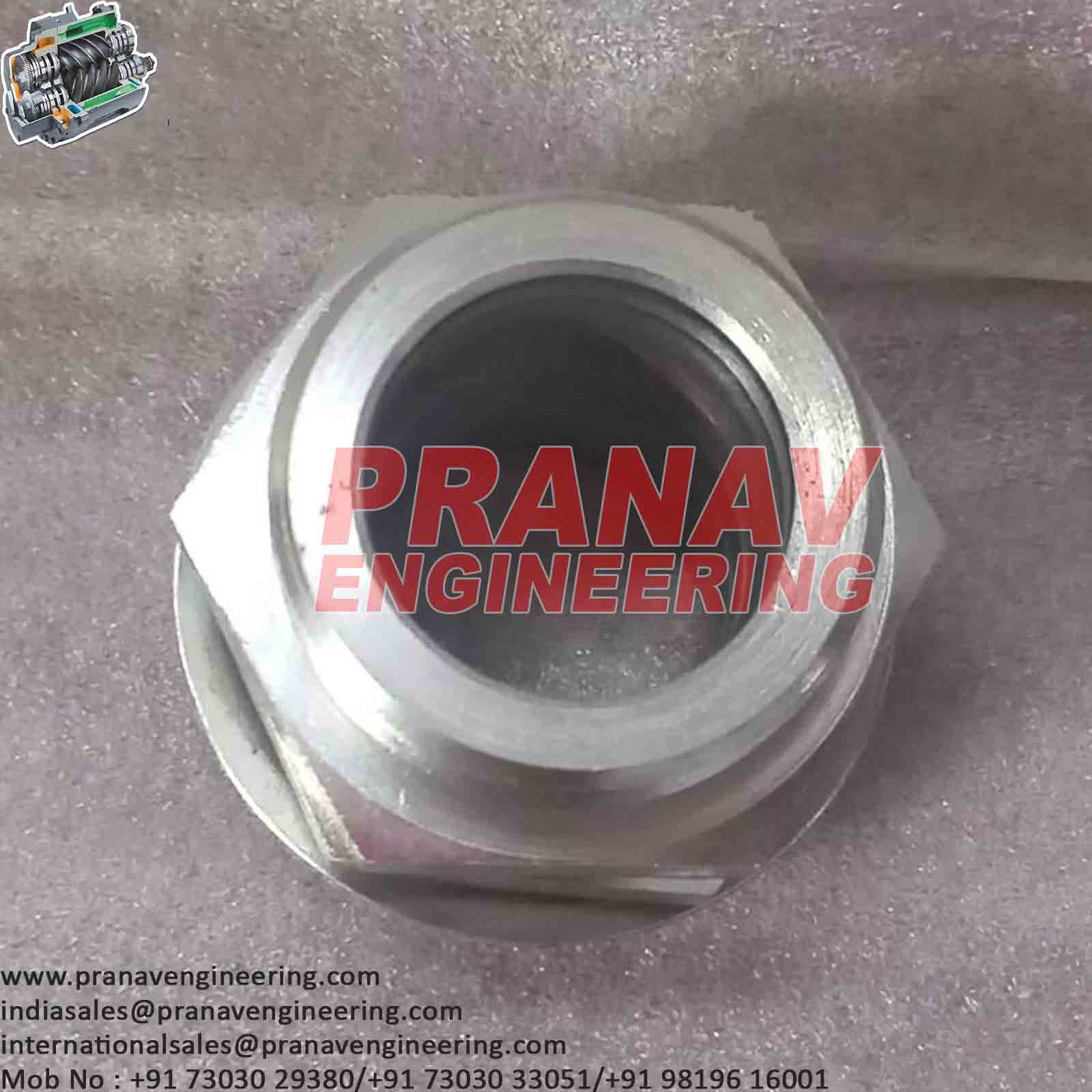
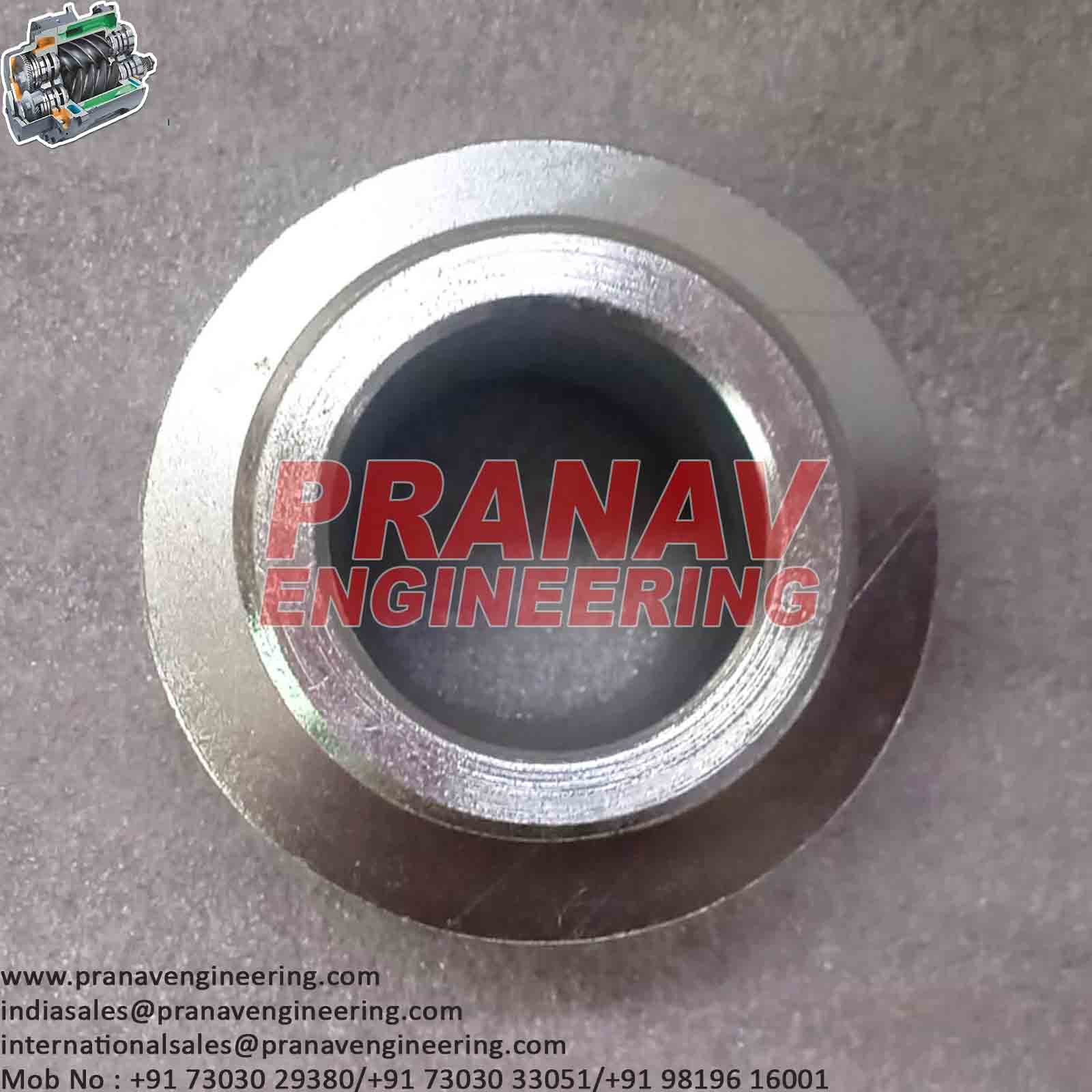
UNION-39479944
The primary function of a union is to provide a secure and leak-resistant connection between two pipes or tubes.
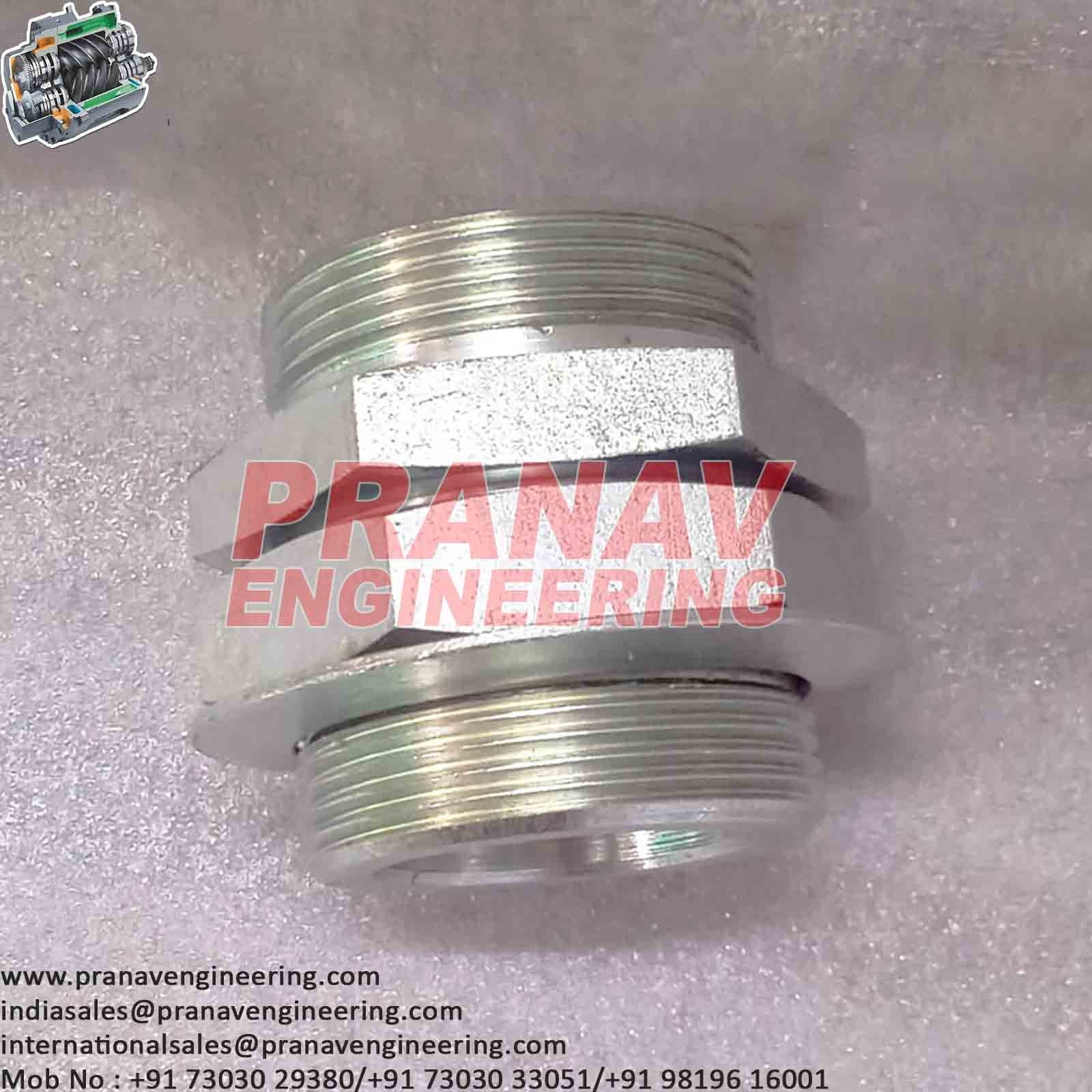
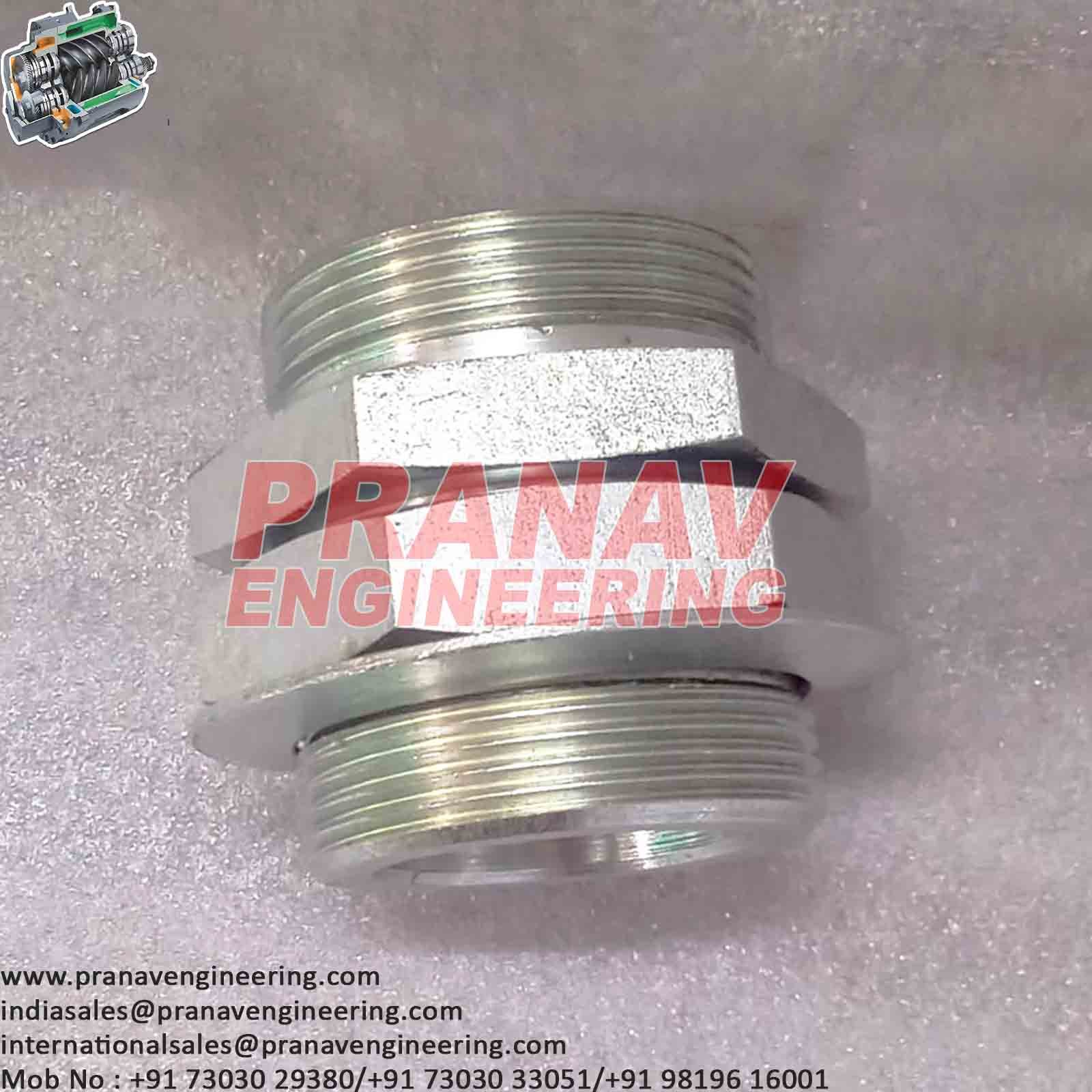
A union is an important pipe and tubing fitting used in compressor systems to connect two sections of pipe or tube while allowing them to be easily disconnected for maintenance, inspection, or replacement. Unlike a permanent welded or brazed connection, a union provides a convenient detachable joint. It is commonly used in compressed-air systems, refrigeration equipment, pneumatic systems, and industrial compressor installations.
The primary function of a union is to provide a secure and leak-resistant connection between two pipes or tubes. A typical union consists of three main parts: two connection ends and a central union nut. The two ends are attached to the respective pipes, while the central nut joins the two sections together. When the nut is tightened, the mating surfaces or sealing element are pressed together to create a tight connection. This design allows the connected pipes to be separated without rotating or removing the entire piping assembly.
Unions are available in different sizes, shapes, materials, and connection types to suit various compressor applications. Common materials include brass, stainless steel, carbon steel, and other corrosion-resistant alloys. The selection of material depends on the operating pressure, temperature, type of gas or fluid, and environmental conditions. Threaded unions are widely used in compressed-air and low-to-medium-pressure applications, while specialized unions may be used for high-pressure or refrigeration systems.
One of the major advantages of a union is its ease of maintenance. Compressor systems contain components such as filters, valves, regulators, separators, and pressure-control devices that may require periodic servicing. A union allows a section of the pipeline to be disconnected quickly without cutting the pipe or performing welding work. This reduces maintenance time and makes equipment replacement easier.
Proper installation of a union is essential for safe and reliable operation. The connection surfaces and threads should be clean before assembly. If a sealing compound or thread sealant is required, it should be compatible with the system’s pressure, temperature, and fluid. The union should be tightened correctly according to the manufacturer’s recommendations. Excessive tightening may damage the threads or sealing surfaces, while insufficient tightening can result in leakage.
A faulty union may cause air, gas, oil, or refrigerant leakage. Signs of a problem can include hissing sounds, pressure loss, oil marks, reduced compressor performance, or visible damage around the connection. Regular inspection should be carried out to identify loose connections, damaged threads, corrosion, or worn sealing components.
In conclusion, a union is a small but valuable component in a compressor piping system. It provides a strong, reliable, and detachable connection that simplifies installation and maintenance. Proper selection, installation, and inspection of unions help prevent leakage, reduce downtime, and ensure efficient and safe compressor operation.