

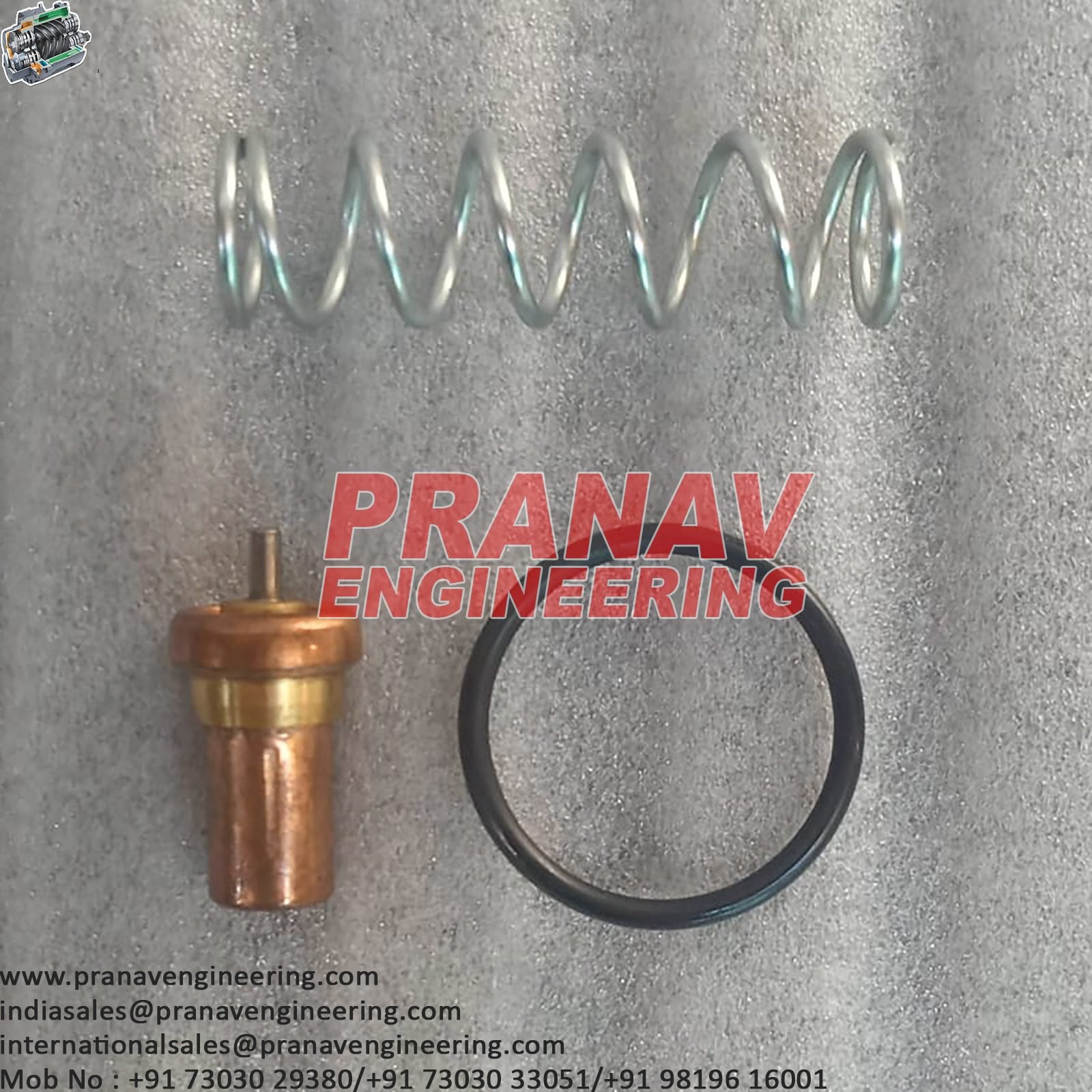
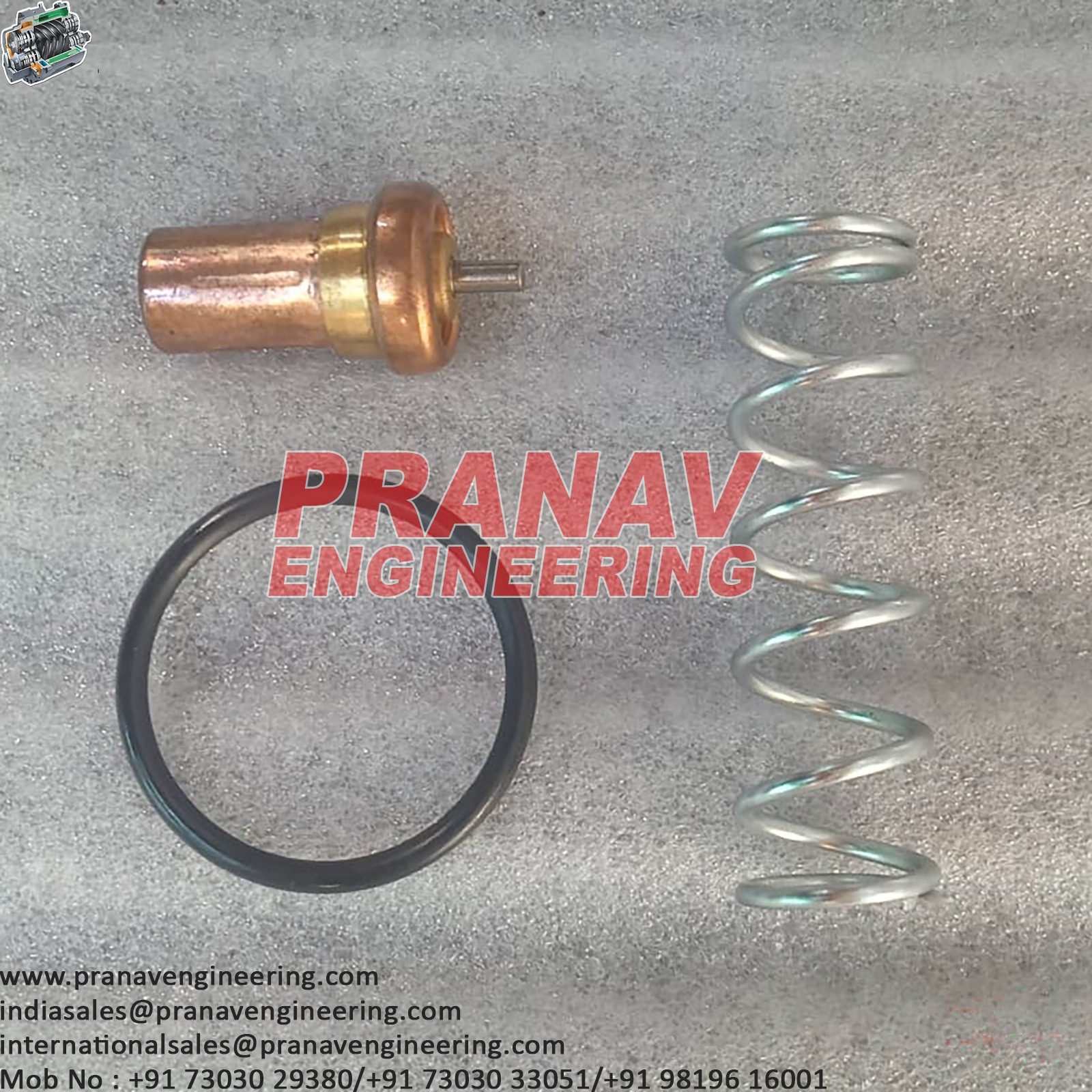
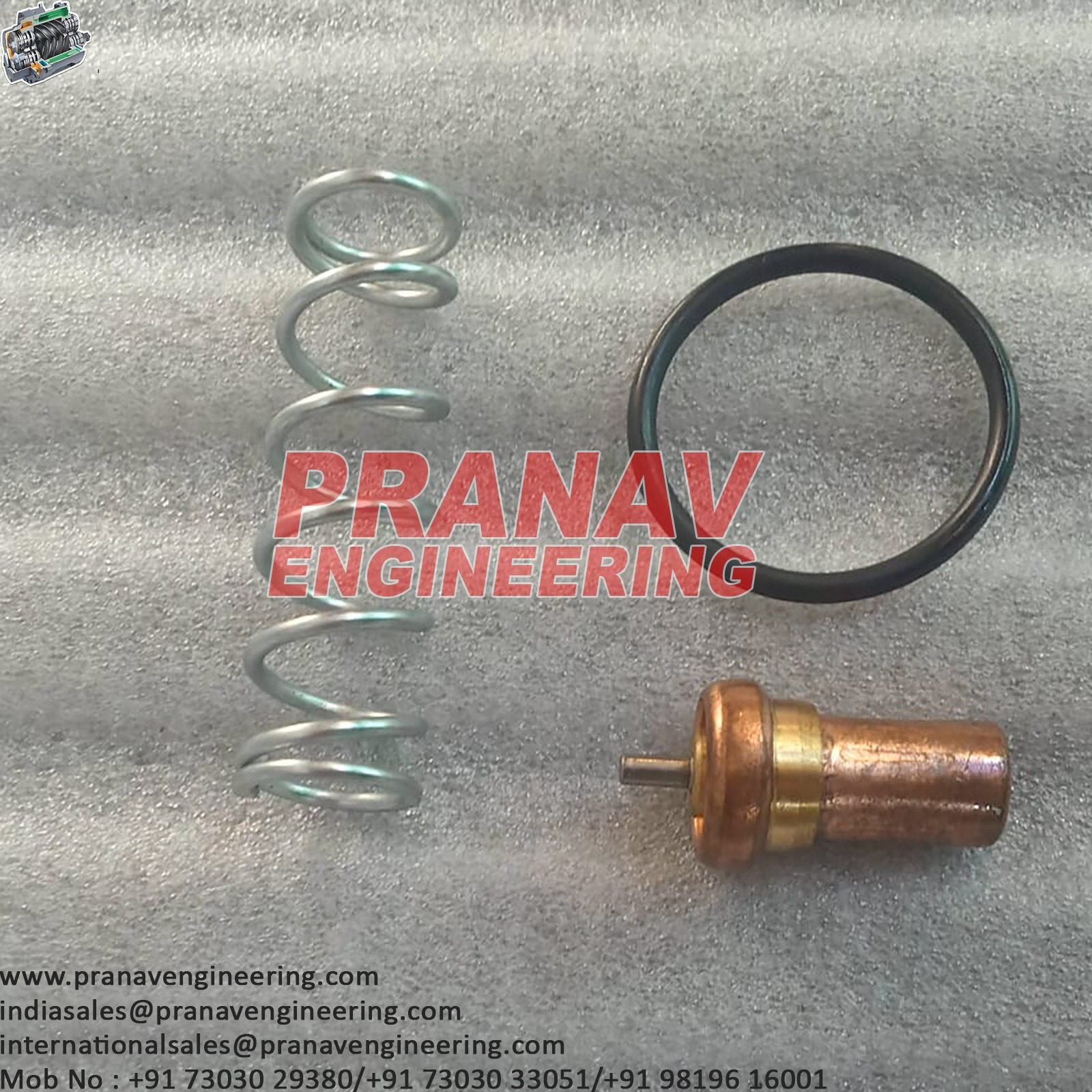
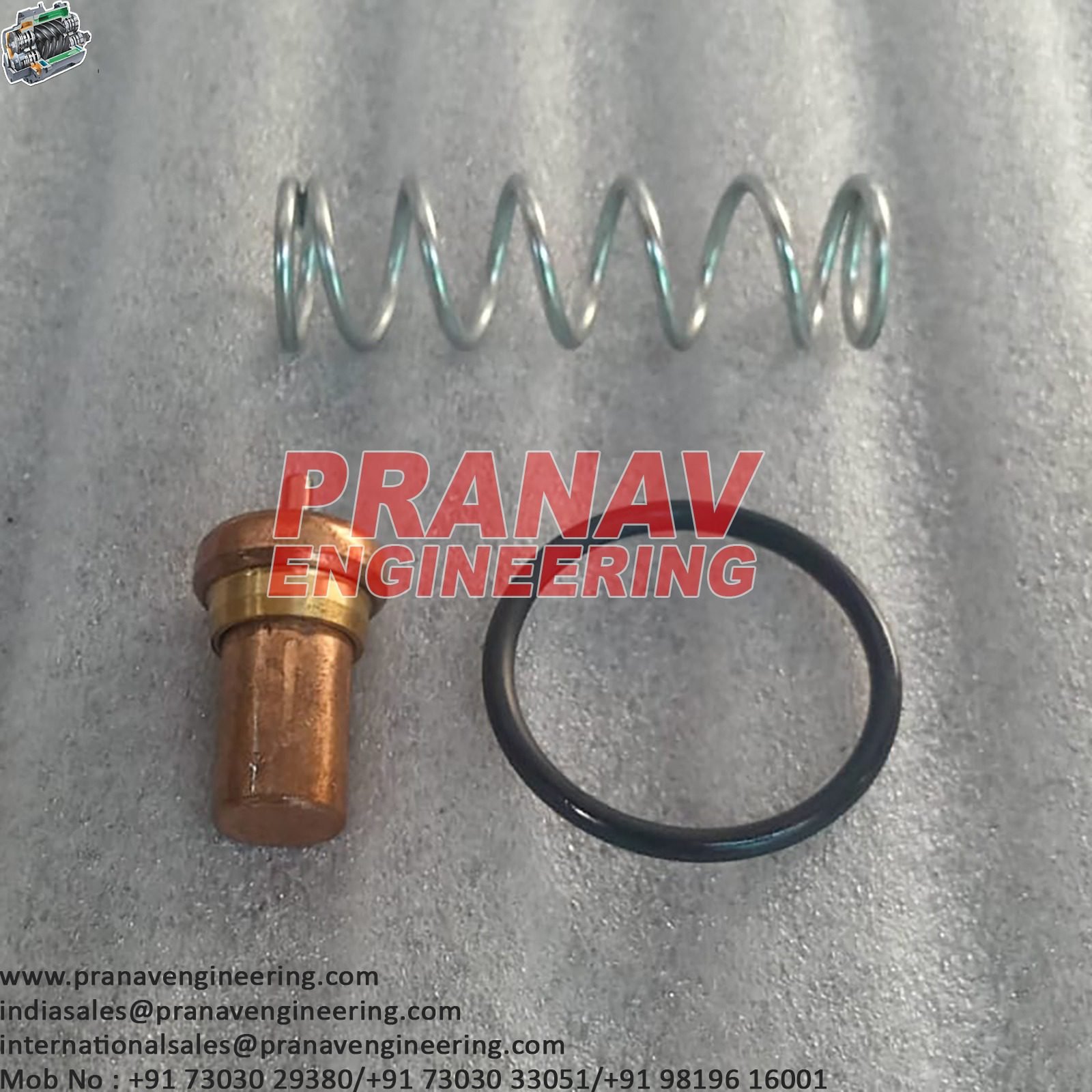
THERMOSTATIC VALVE KIT 6266312700
This automatic adjustment helps maintain a relatively constant temperature.This movement operates the valve and controls the amount of fluid passing through it.
..
A thermostatic valve is an automatic control device used to regulate the flow of a fluid, usually water or air, according to temperature. It is commonly used in heating, cooling, refrigeration, air-conditioning, and industrial systems. The main purpose of a thermostatic valve is to maintain a desired temperature without requiring continuous manual adjustment.
A typical thermostatic valve consists of a valve body, temperature-sensitive element, actuator, spring, and adjustment mechanism. The temperature-sensitive element is usually filled with a material that expands or contracts when the surrounding temperature changes. This movement operates the valve and controls the amount of fluid passing through it.
In a heating system, for example, when the room temperature falls below the selected setting, the thermostatic element causes the valve to open further. This allows more hot water or heating medium to flow through the radiator or heat exchanger, increasing heat output. When the desired temperature is reached, the element responds to the higher temperature and gradually closes the valve, reducing the flow. This automatic adjustment helps maintain a relatively constant temperature.
Thermostatic valves are available in different designs and sizes depending on their application. They may be operated mechanically, electronically, or through a combination of sensing and control systems. Radiator thermostatic valves are widely used in residential and commercial buildings, while specialized thermostatic valves are used in engines, boilers, HVAC systems, and industrial equipment.
The major advantages of thermostatic valves include automatic temperature control, improved energy efficiency, reduced operating costs, and increased comfort. By supplying only the required amount of heating or cooling medium, they help prevent unnecessary energy consumption. They also reduce the need for frequent manual operation and can improve the overall performance of a temperature-control system.
When selecting a thermostatic valve, factors such as operating temperature, pressure, fluid type, flow capacity, connection size, material, and required temperature range should be considered. Regular inspection and maintenance are also important to ensure accurate temperature control and prevent leakage or malfunction.
Overall, a thermostatic valve is an important component for efficient and automatic temperature regulation. Its ability to respond directly to temperature changes makes it suitable for a wide range of residential, commercial, and industrial applications.