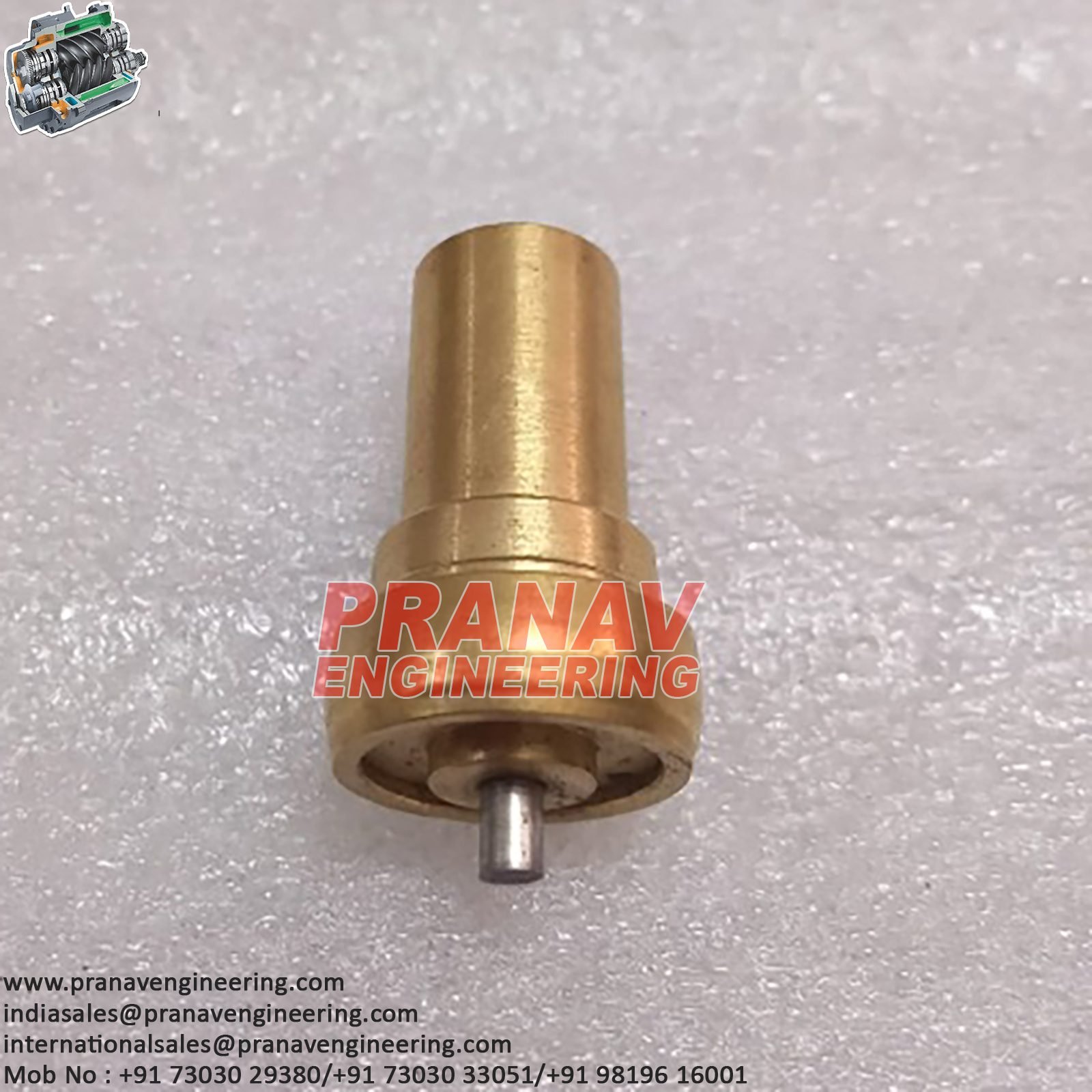
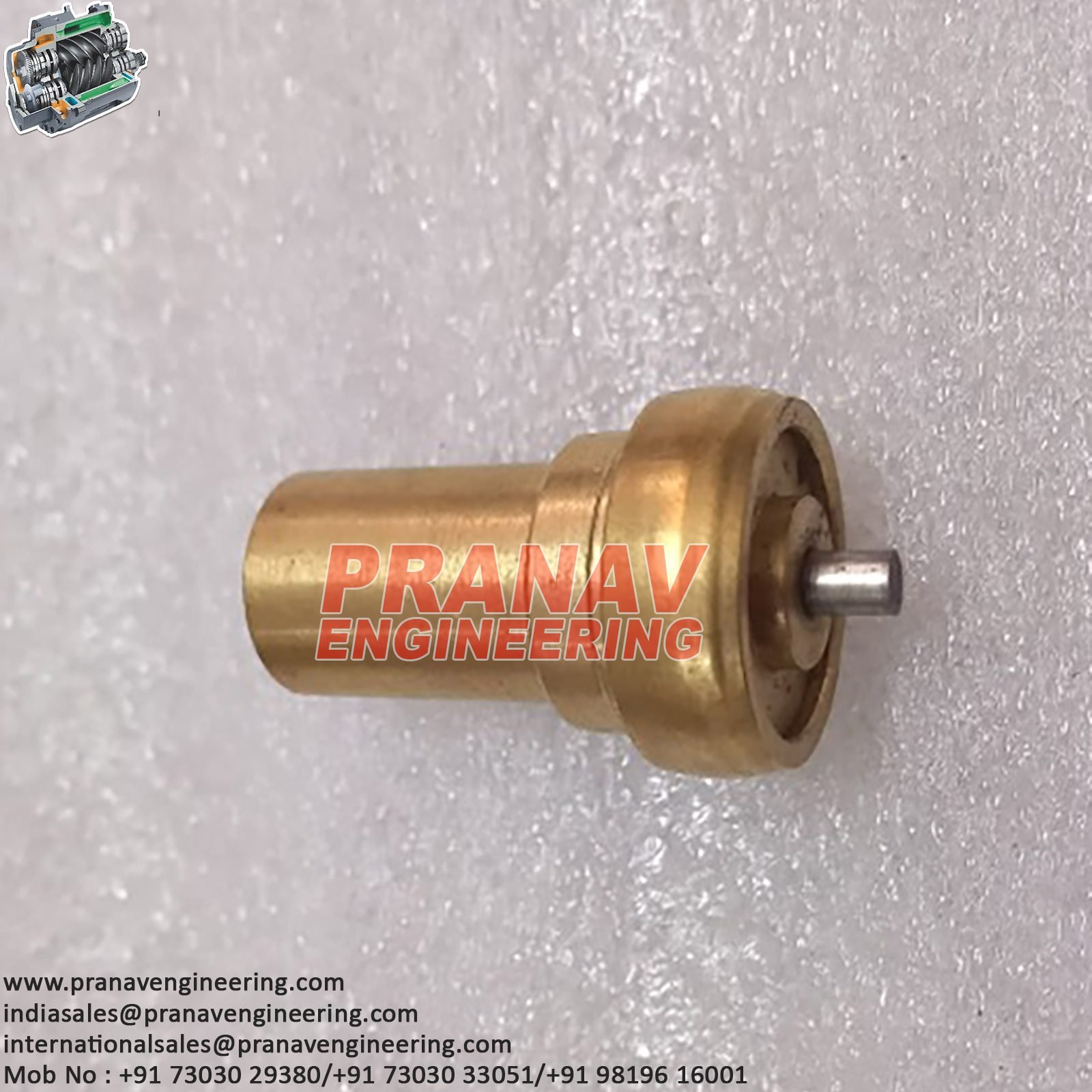
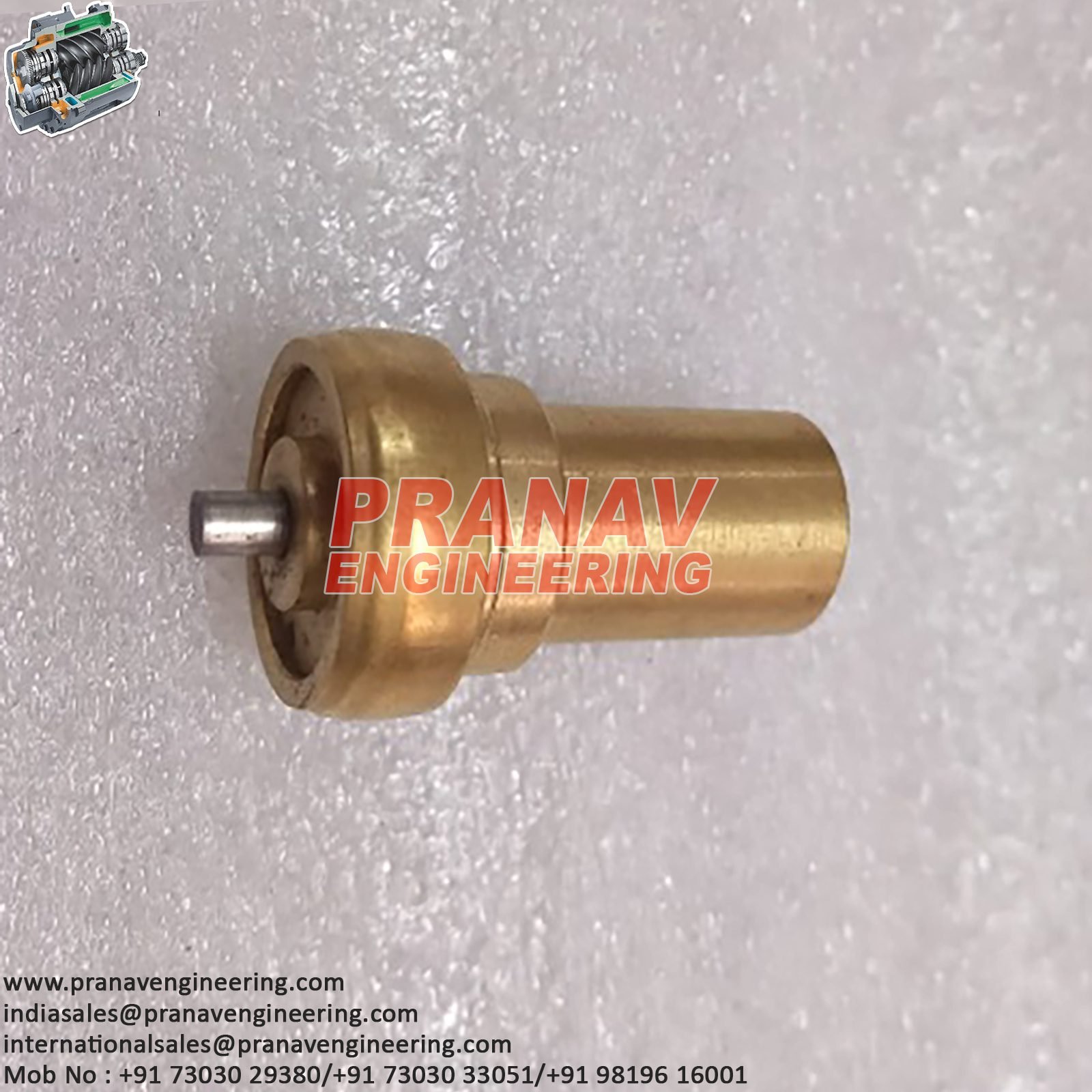
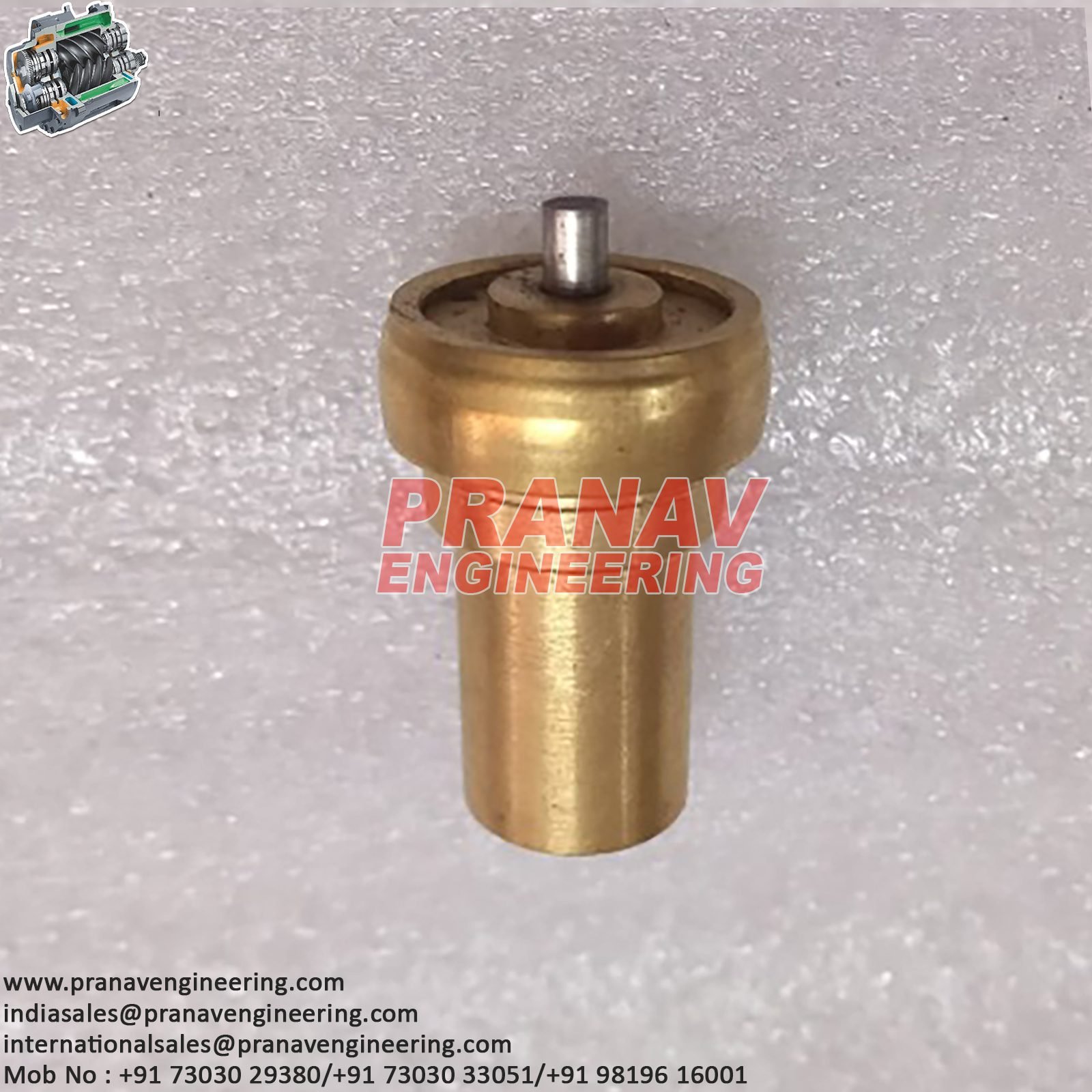
Thermostat – 2205462906
A thermostat in a compressor is an important temperature-control component used to monitor and regulate heat levels during compressor operation. Compressors generate significant heat while compressing air or gas, and if this heat is not controlled properly
A thermostat in a compressor is an important temperature-control component used to monitor and regulate heat levels during compressor operation. Compressors generate significant heat while compressing air or gas, and if this heat is not controlled properly, it can reduce efficiency, damage internal parts, and shorten the life of the machine. The thermostat helps maintain safe operating temperatures by sensing the heat within the compressor system and activating cooling or protective functions when needed.
The thermostat is commonly installed near the air end, oil separator, discharge line, or cooling circuit, depending on the compressor type and design. It continuously measures temperature and responds automatically when preset limits are reached. In oil-injected screw compressors, for example, the thermostat often controls the flow of lubricating oil through the oil cooler. When the compressor starts cold, the thermostat allows oil to bypass the cooler so it warms quickly and reaches proper viscosity. As temperature rises, it gradually redirects oil through the cooler to maintain an ideal operating range.
In piston compressors, thermostats may be used to control fan motors, cooling systems, or thermal overload protection. If the compressor motor overheats, the thermostat can stop the machine temporarily until the temperature drops to a safe level. This prevents winding damage, seizure, or excessive wear caused by overheating.
Thermostats are typically made with heat-resistant materials and designed for durability in demanding industrial environments. Common thermostat types include mechanical thermostats using wax elements or bimetal strips, and electronic thermostats with digital sensors for more precise monitoring. Modern systems may integrate the thermostat with the compressor controller, allowing real-time temperature display, alarms, and automatic shutdown if abnormal heat conditions occur.
Regular maintenance of the thermostat is essential for reliable compressor performance. Dirt buildup, sensor failure, stuck valves, or inaccurate readings can lead to overheating or overcooling. Signs of a faulty thermostat may include frequent shutdowns, unstable temperature, poor lubrication, reduced efficiency, or unusually high discharge temperatures.