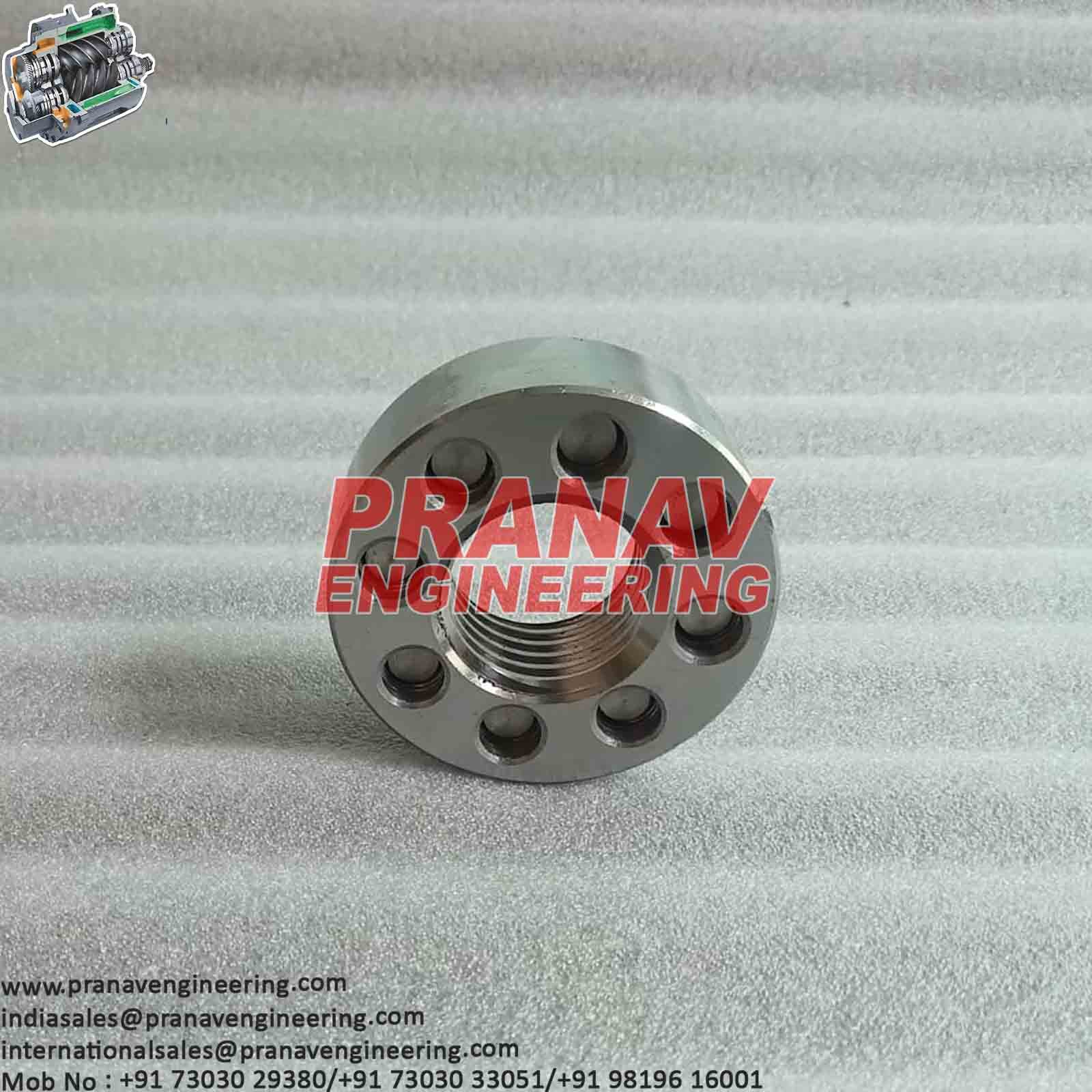
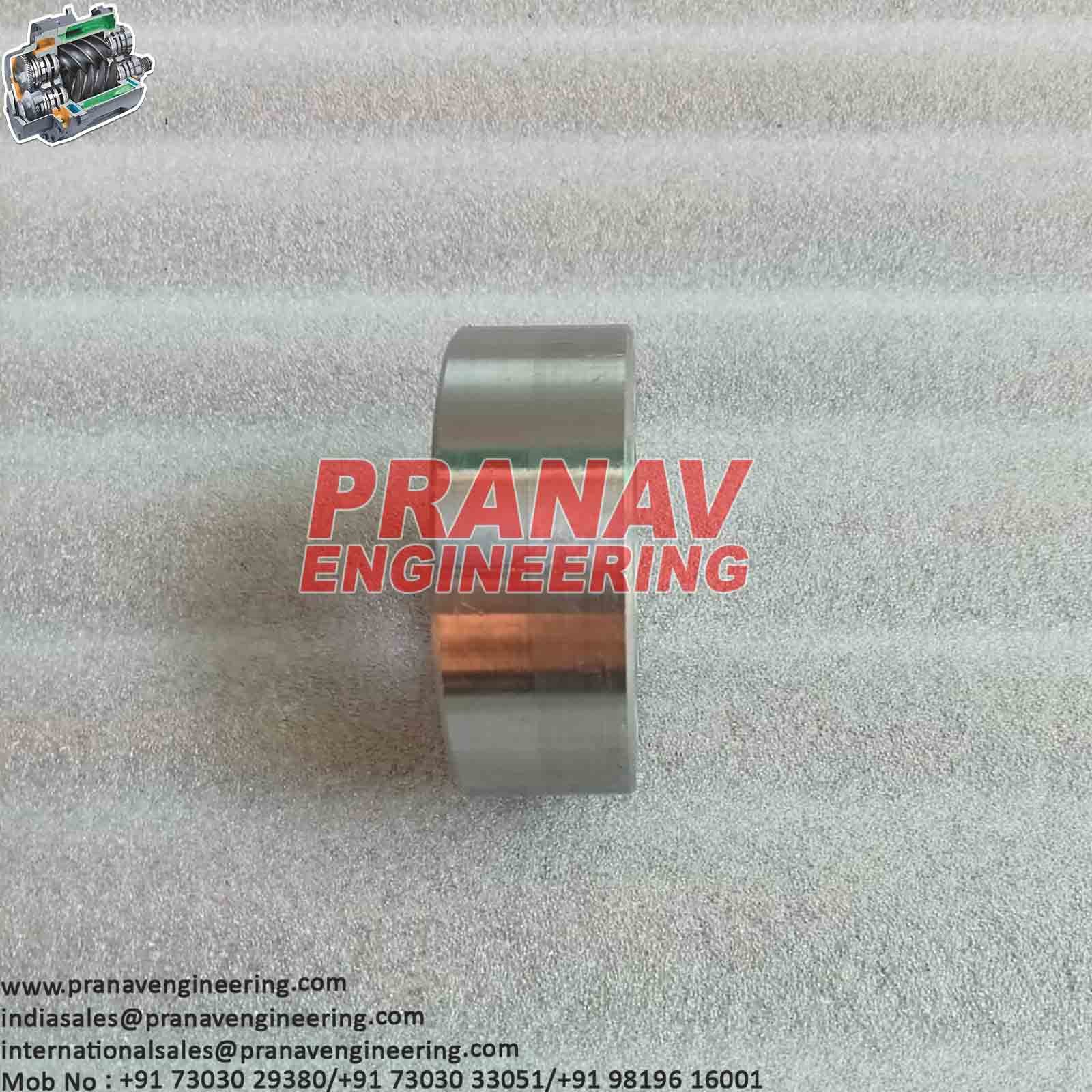
TENSION NUT-1903671803
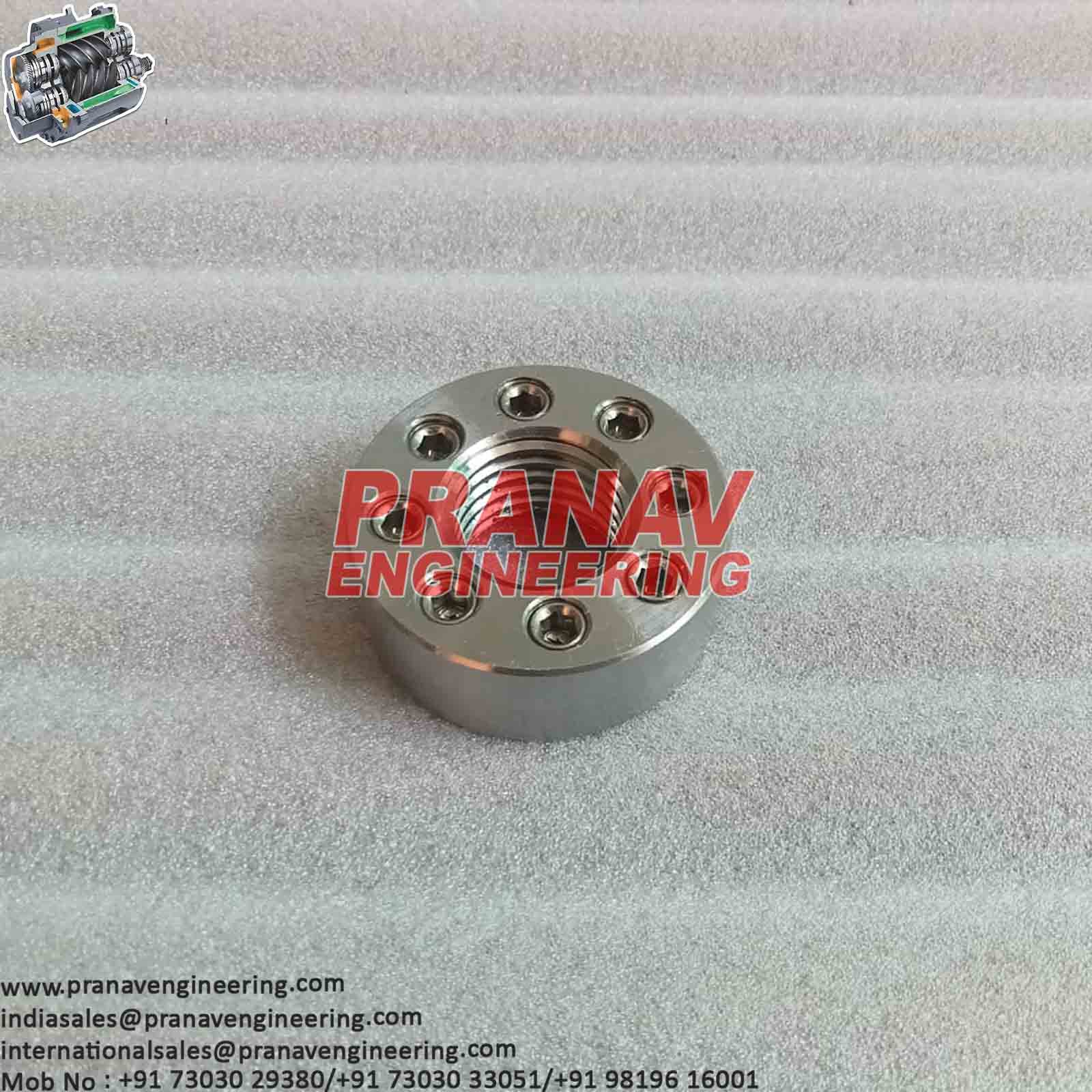
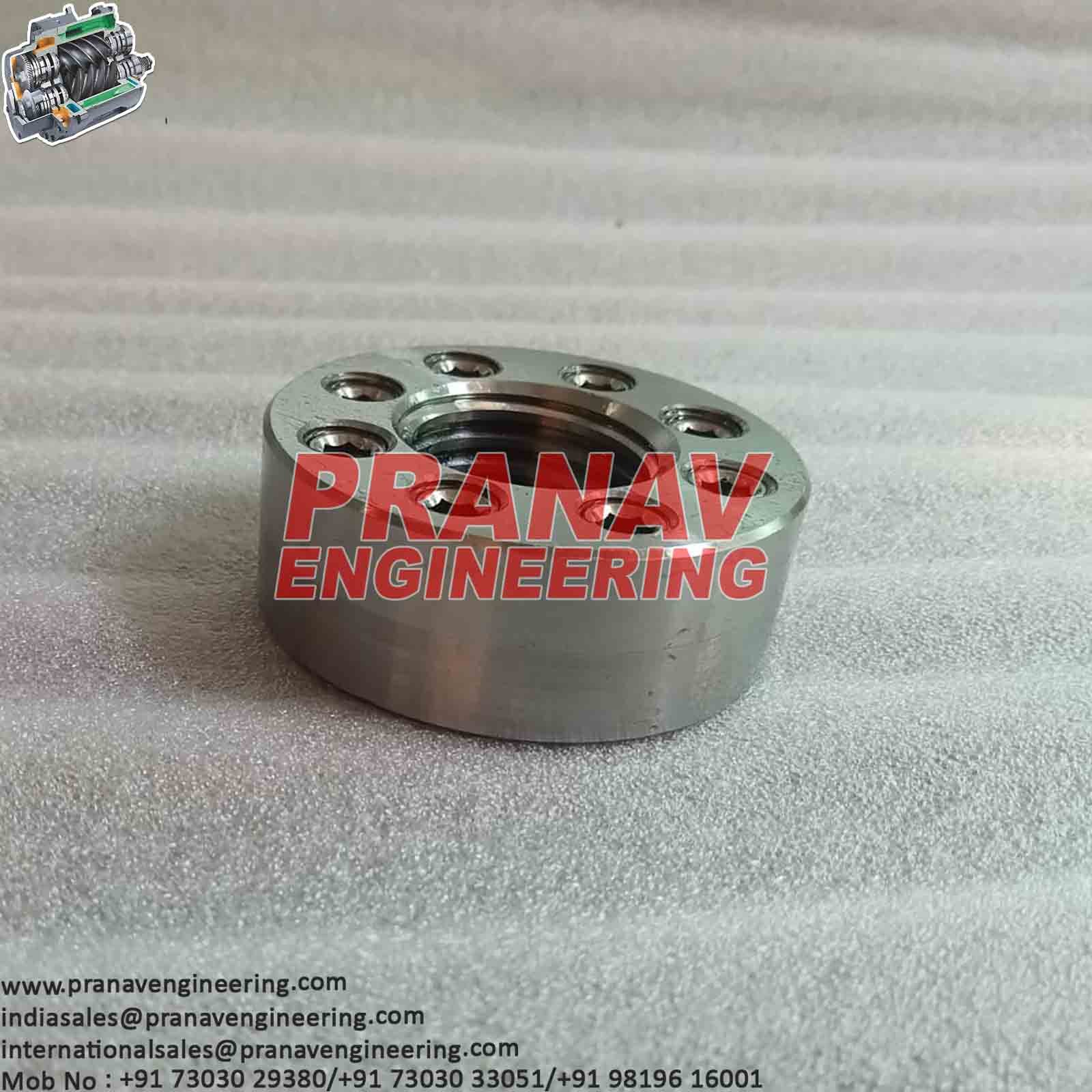
The Tension Nut is a critical mechanical fastening component used in compressors to provide and maintain the required preload or clamping force on threaded components.
The Tension Nut is a critical mechanical fastening component used in compressors to provide and maintain the required preload or clamping force on threaded components. It is typically installed on a tension stud, tie rod, or other load-bearing threaded connection to securely hold major compressor components together. The tension nut is designed to withstand high mechanical loads, vibration, cyclic stresses, and temperature variations experienced during continuous compressor operation.
The primary function of the tension nut is to maintain a predetermined axial force within the threaded assembly. When the nut is tightened to the specified torque or tension, it generates preload in the associated stud or tie rod. This preload keeps the connected compressor components firmly clamped together and minimizes relative movement during operation. Maintaining the correct preload is essential for ensuring proper alignment, structural integrity, and reliable performance of the compressor.
Tension nuts are commonly manufactured from high-strength alloy steel or other suitable engineering materials selected according to the compressor operating conditions. The material must provide high tensile strength, fatigue resistance, hardness, and resistance to wear and corrosion. The nut threads are manufactured with accurate dimensions and suitable surface finish to ensure proper engagement with the mating stud and to provide consistent load distribution.
In a compressor, tension nuts may be associated with cylinder assemblies, cylinder covers, crankcase components, frame structures, tie rods, or other pressure and load-bearing connections, depending on the compressor design. The exact application and configuration vary according to the manufacturer’s design. Correct installation of the tension nut is important because uneven or incorrect tightening can result in excessive stress, component deformation, loosening, leakage, or misalignment.
The tension nut must be tightened according to the manufacturer’s specified torque, hydraulic tension, or tightening procedure. Where required, lubrication of the threads should be applied according to the approved maintenance procedure, as lubrication can affect the actual preload generated for a given torque value. The specified tightening sequence should also be followed to ensure uniform loading across the assembly.
During routine compressor inspection and maintenance, the tension nut should be checked for proper tightness, thread damage, corrosion, cracks, deformation, and signs of abnormal movement. The mating stud or threaded portion should also be inspected for wear or damage. Locking arrangements, washers, and other associated components should be examined and replaced if necessary.
In summary, the tension nut is an essential component for maintaining secure and reliable mechanical connections within a compressor. Proper material selection, accurate installation, controlled tightening, and regular inspection help prevent loosening and mechanical failure, maintain compressor alignment, and ensure safe, efficient, and dependable operation over the equipment’s service life.