
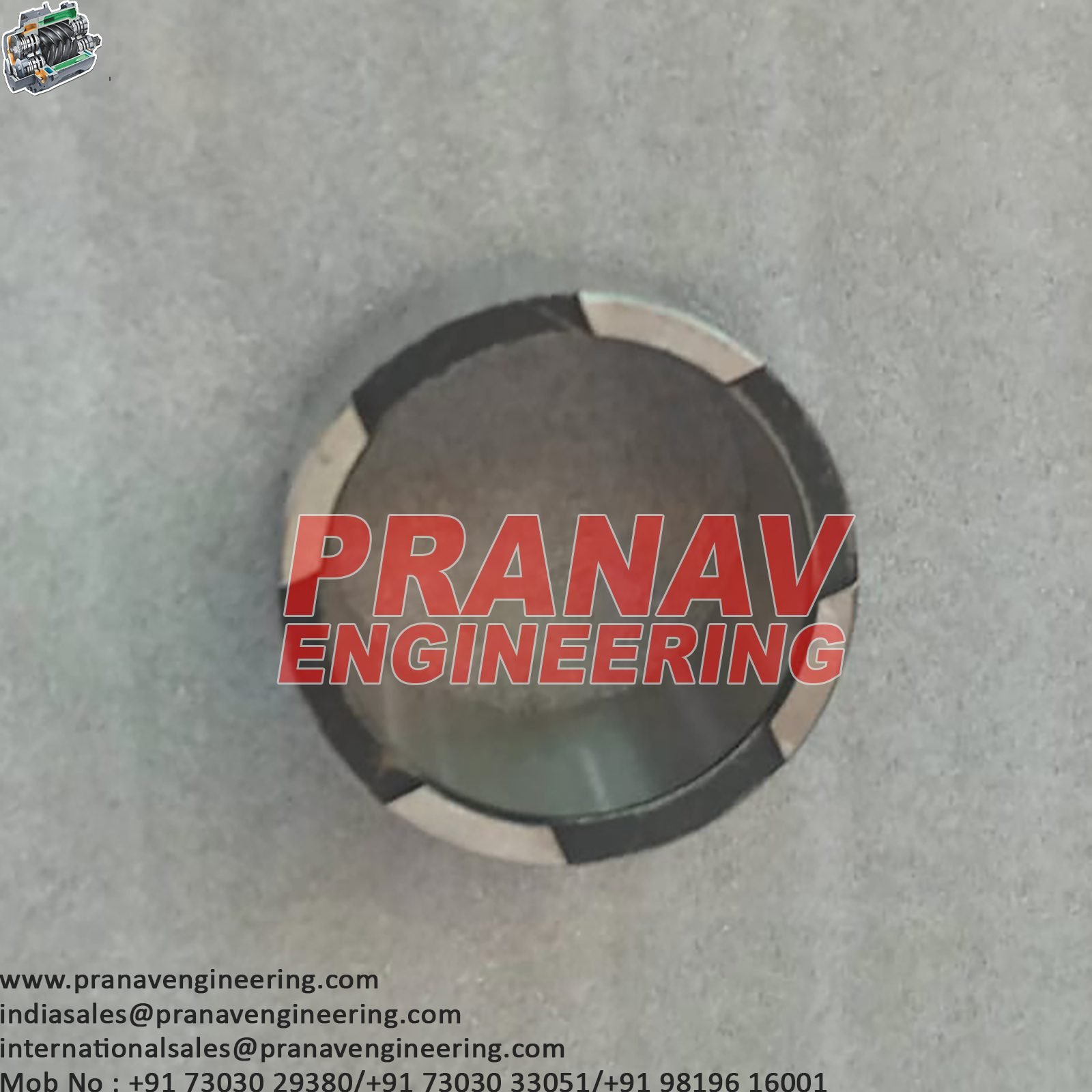
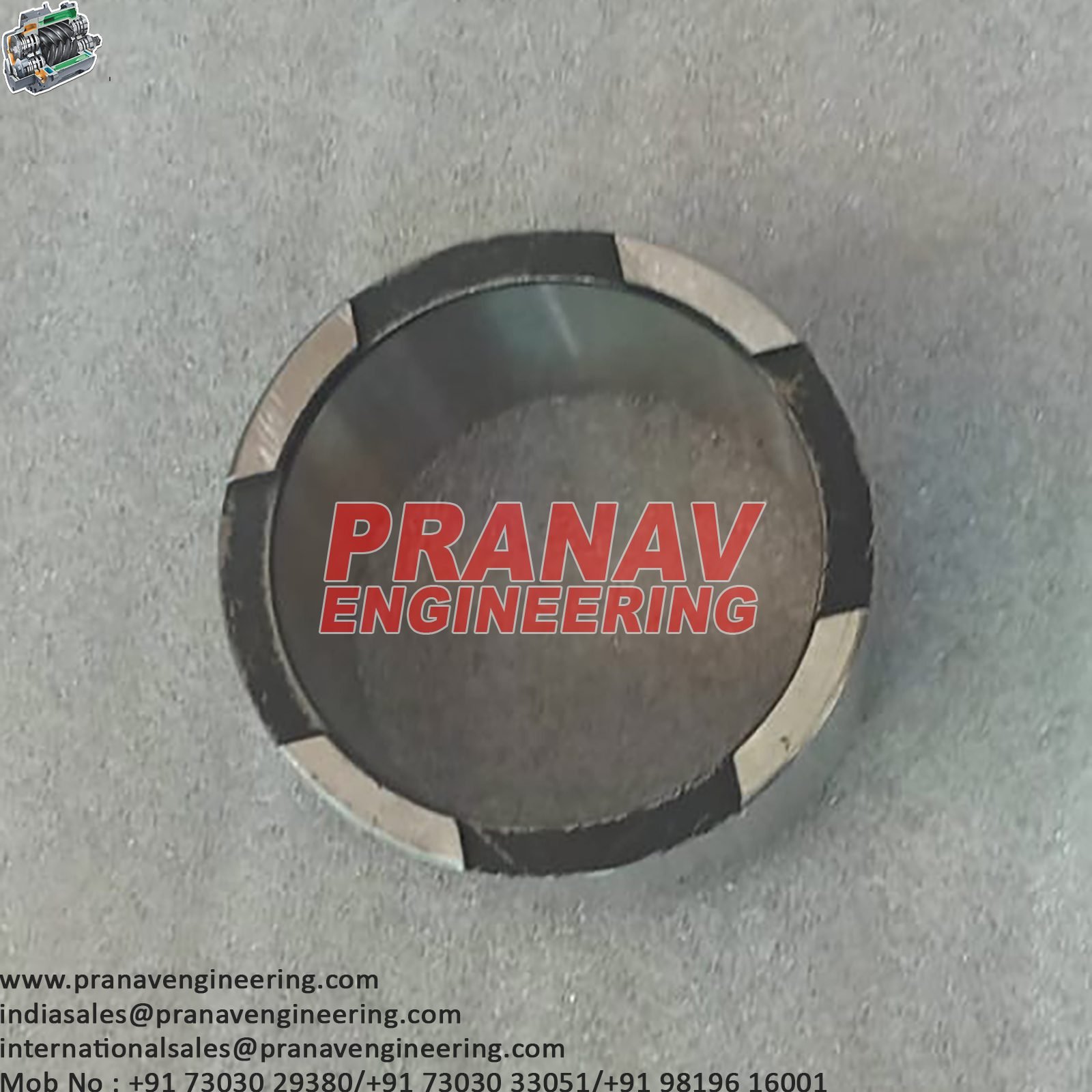
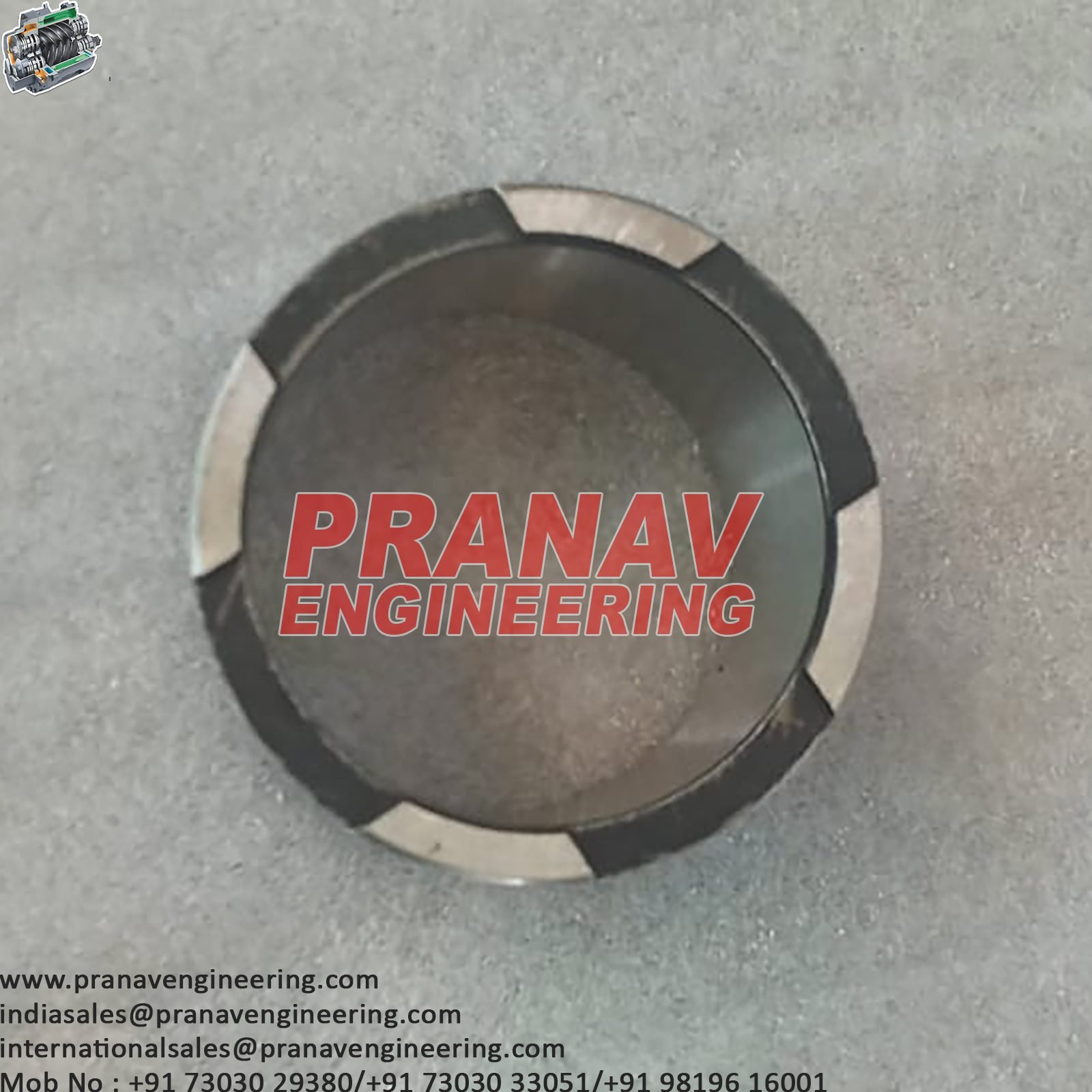
SLEEVE-22415335
Sleeve compressors are used in different industrial and mechanical applications where compressed air or gas is required.
A sleeve compressor is a type of positive-displacement compressor used to increase the pressure of air or gas by reducing its volume. It works on the basic principle that when a fixed quantity of gas is confined in a closed space and its volume is reduced, its pressure increases. Sleeve compressors are used in different industrial and mechanical applications where compressed air or gas is required.
The main parts of a sleeve compressor include the cylinder, piston, sleeve, inlet valve, delivery valve, crankshaft, connecting rod, and driving mechanism. The sleeve is a cylindrical component fitted around or associated with the moving piston and provides guidance during the compression process. It also helps in maintaining proper sealing between the moving and stationary components. Good sealing is important because it prevents leakage of compressed gas and improves the efficiency of the compressor.
The operation of a sleeve compressor can be explained in two main strokes: suction and compression. During the suction stroke, the piston moves away from the cylinder head. This increases the volume of the compression chamber and reduces its pressure. As a result, the inlet valve opens and atmospheric air or gas enters the cylinder. When the piston reaches the end of the suction stroke, the inlet valve closes and the required quantity of gas is trapped inside the cylinder.
During the compression stroke, the piston moves toward the cylinder head. The sleeve and piston arrangement reduces the volume of the trapped gas. Due to the reduction in volume, the pressure and temperature of the gas increase. When the pressure inside the cylinder becomes greater than the pressure in the delivery line, the delivery valve opens. The compressed gas is then forced out of the cylinder and supplied to a receiver, storage tank, or industrial system. The cycle is repeated continuously as long as the compressor is operated.
Sleeve compressors have several advantages. They can have a compact construction, provide reliable operation, and offer effective sealing when properly designed and maintained. They are suitable for applications requiring compressed air or gas at moderate pressures. However, friction and wear can occur between the sleeve and moving parts. Therefore, proper lubrication, cooling, inspection, and maintenance are necessary for efficient operation.
Sleeve compressors may be used in pneumatic equipment, manufacturing industries, workshops, refrigeration systems, process plants, and other mechanical applications. The selection of a suitable compressor depends on required pressure, capacity, gas type, operating conditions, efficiency, and maintenance requirements.
In conclusion, a sleeve compressor is an important mechanical device that converts mechanical energy into pressure energy by reducing the volume of a gas. Its simple operating principle and compact construction make it useful in various engineering and industrial applications.