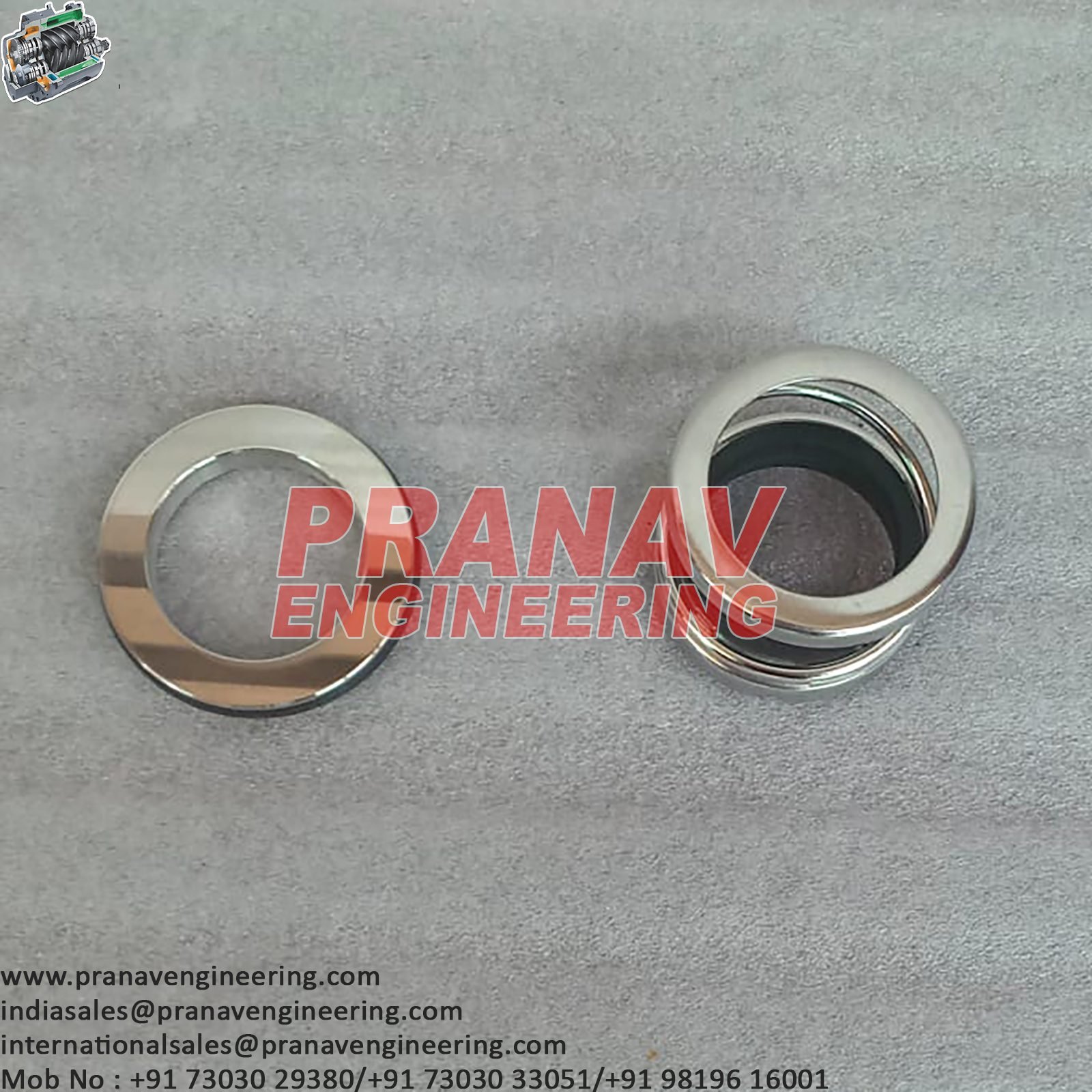

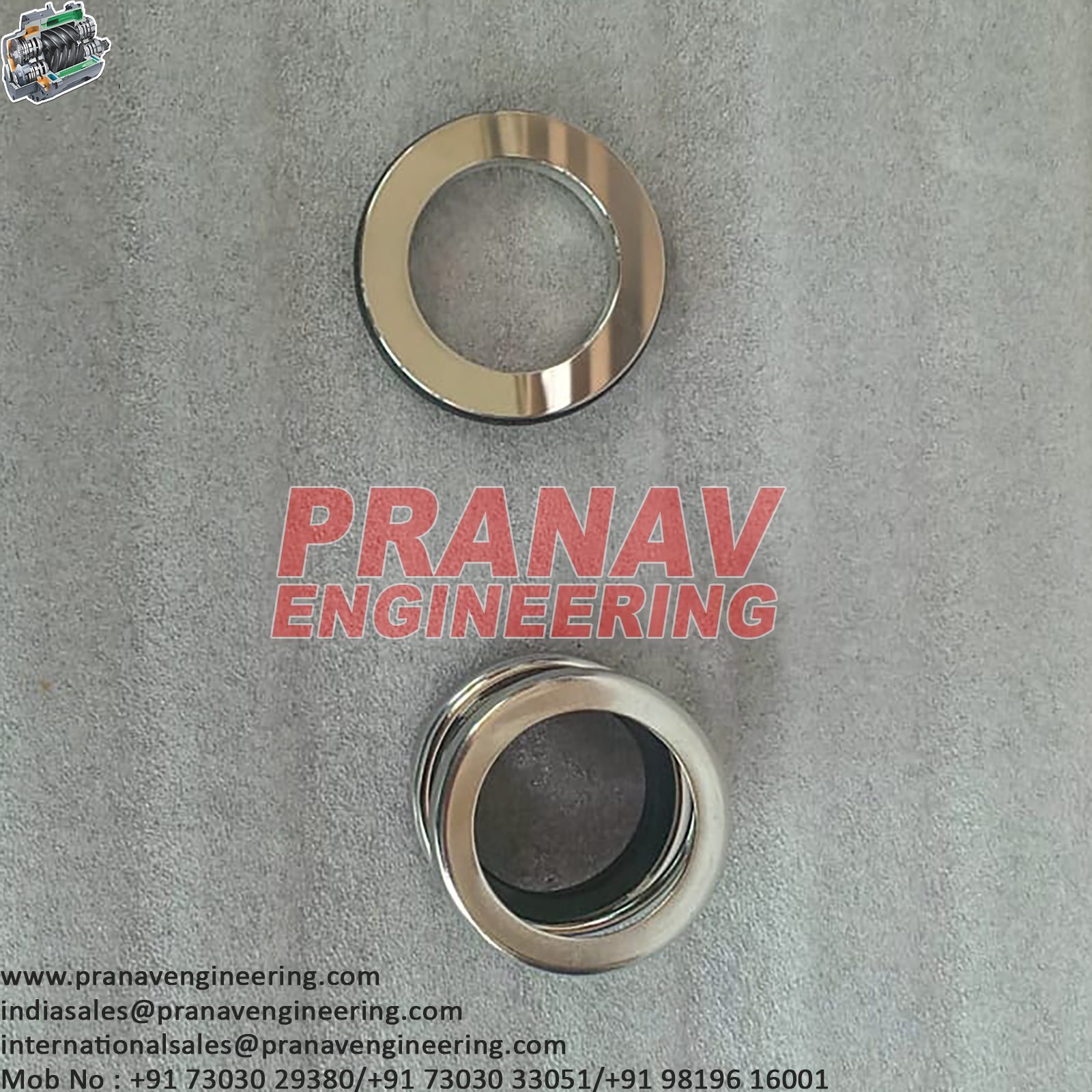
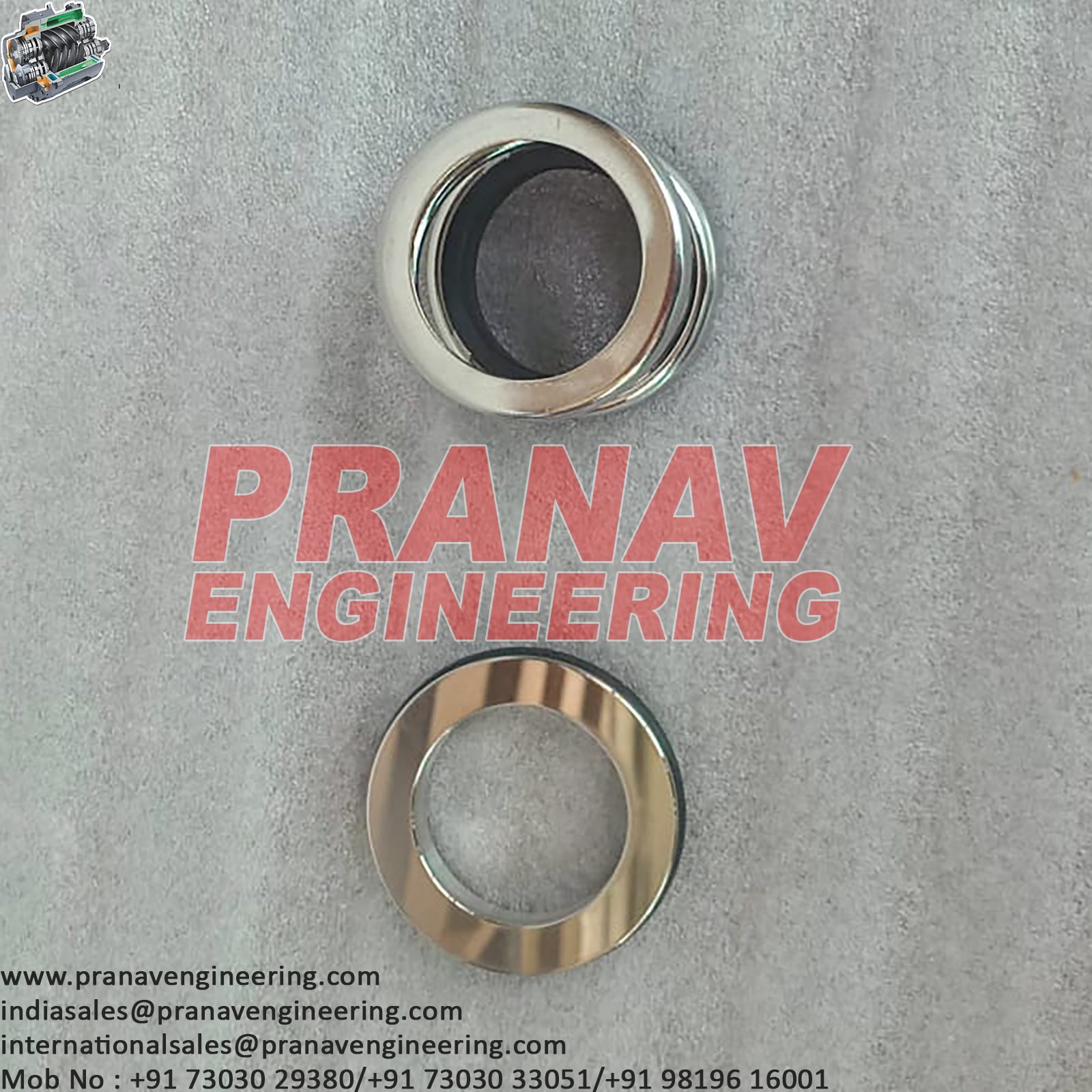
SHAFT SEAL-39469143
It helps maintain internal pressure, supports efficient operation, and protects the compressor from contamination. Since the shaft rotates continuously during operation, the seal must handle friction, pressure changes, temperature variations.
A shaft seal is a vital component in a compressor system, designed to prevent leakage of air, gas, oil, or other fluids where the rotating shaft passes through the housing. It helps maintain internal pressure, supports efficient operation, and protects the compressor from contamination. Since the shaft rotates continuously during operation, the seal must handle friction, pressure changes, temperature variations, and mechanical stress while maintaining a dependable sealing barrier.
The main purpose of a shaft seal is to stop compressed media from escaping while preventing dust, moisture, and dirt from entering the system. This ensures cleaner operation and protects internal components such as bearings, gears, and rotating elements. A properly working shaft seal also reduces lubricant loss, helping the compressor run smoothly and minimizing maintenance costs over time.
Shaft seals are manufactured using durable materials such as rubber compounds, PTFE, carbon, ceramic, stainless steel, and other wear-resistant materials. These materials are selected based on operating conditions including temperature, shaft speed, pressure, and chemical exposure. In more demanding environments, advanced sealing designs are used to provide reliable performance under continuous-duty and high-pressure applications.
There are several types of shaft seals commonly used in compressors, including lip seals, mechanical seals, labyrinth seals, and oil seals. Each type is chosen according to the compressor design and application requirements. Proper sealing is essential because even small leaks can reduce efficiency, waste energy, and affect overall system performance.
Routine inspection and timely replacement of shaft seals are important for preventive maintenance. Over time, seals may wear due to friction, shaft misalignment, contamination, or aging. Signs of seal wear may include oil leakage, pressure loss, overheating, unusual noise, or visible damage near the shaft area. Replacing worn seals quickly can help prevent costly repairs and unexpected downtime.
In industrial and commercial compressor applications, a quality shaft seal greatly improves reliability, efficiency, and equipment lifespan. It supports stable pressure retention, reduces internal losses, and helps maintain smooth operation. Though compact in size, the shaft seal is one of the most important protective components in a compressor, ensuring dependable performance in a wide range of working conditions.