

PRESSURE TRANSDUCER-49071632
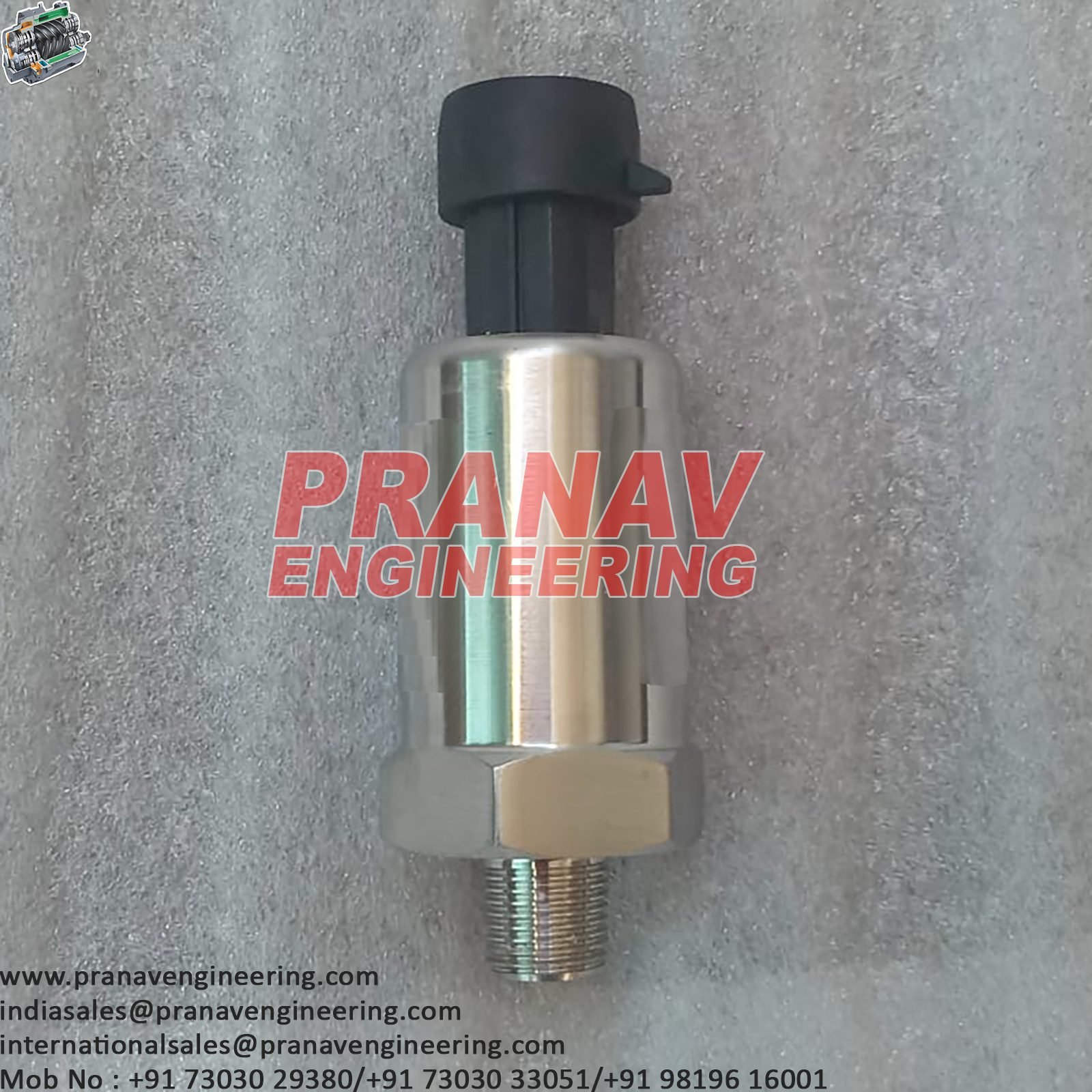
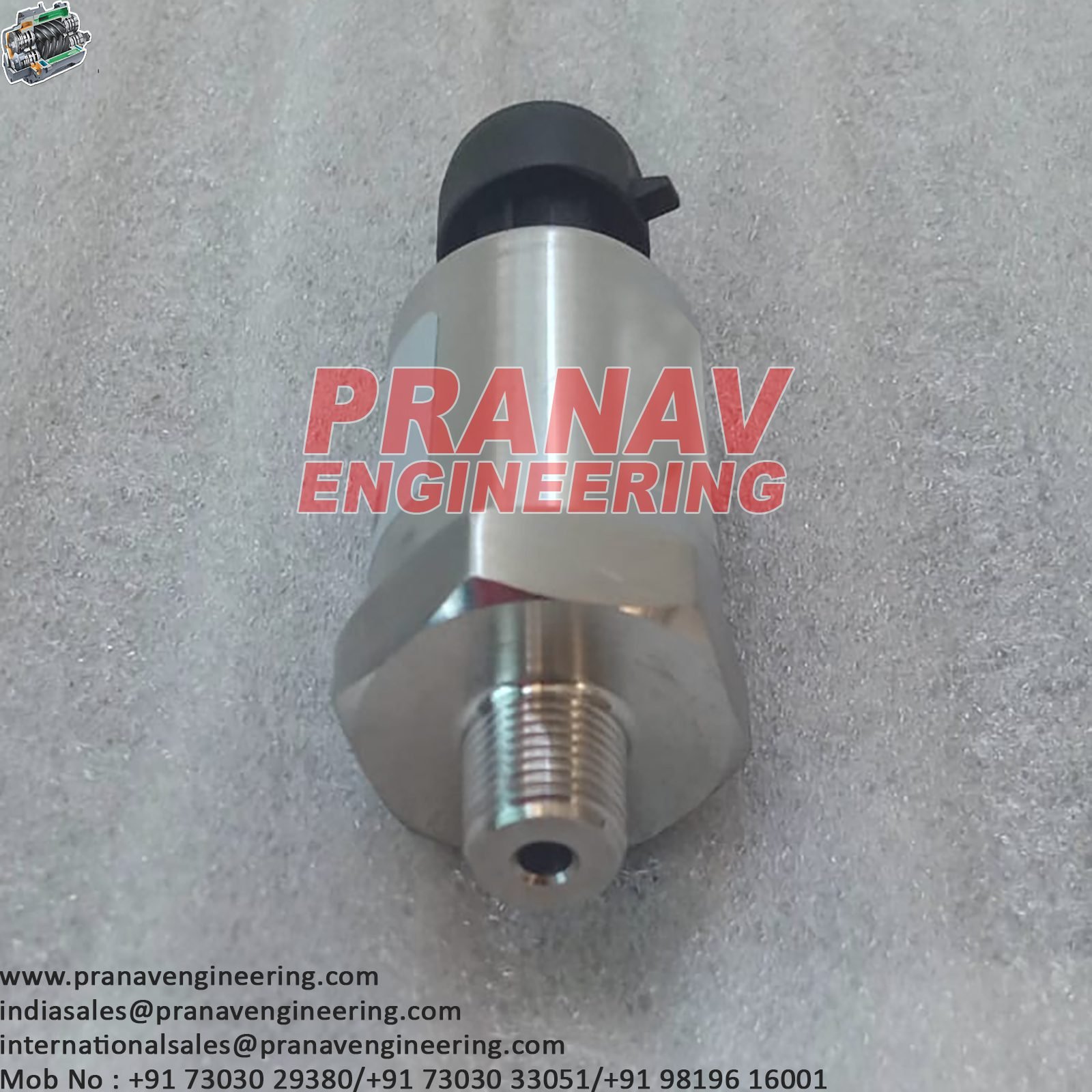
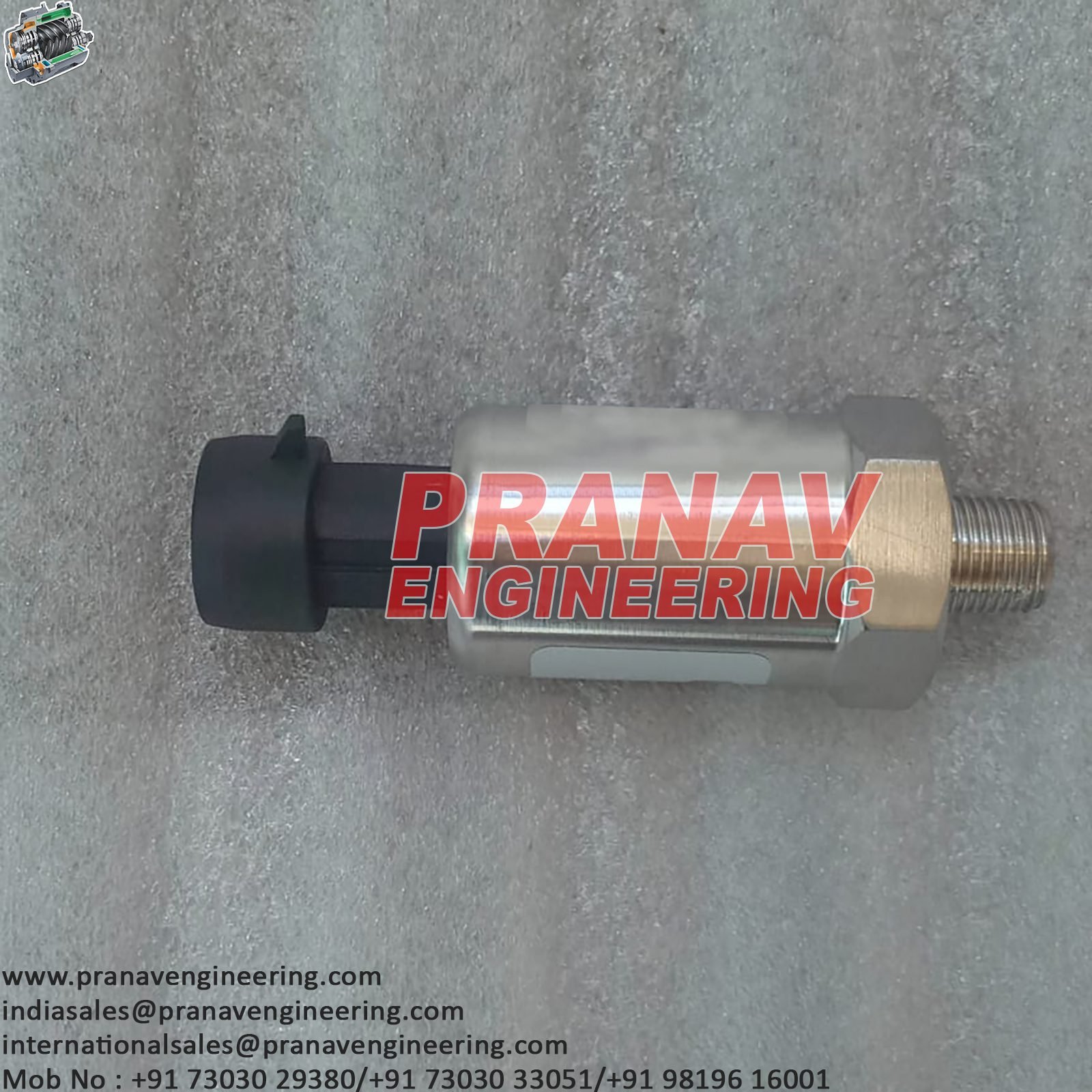
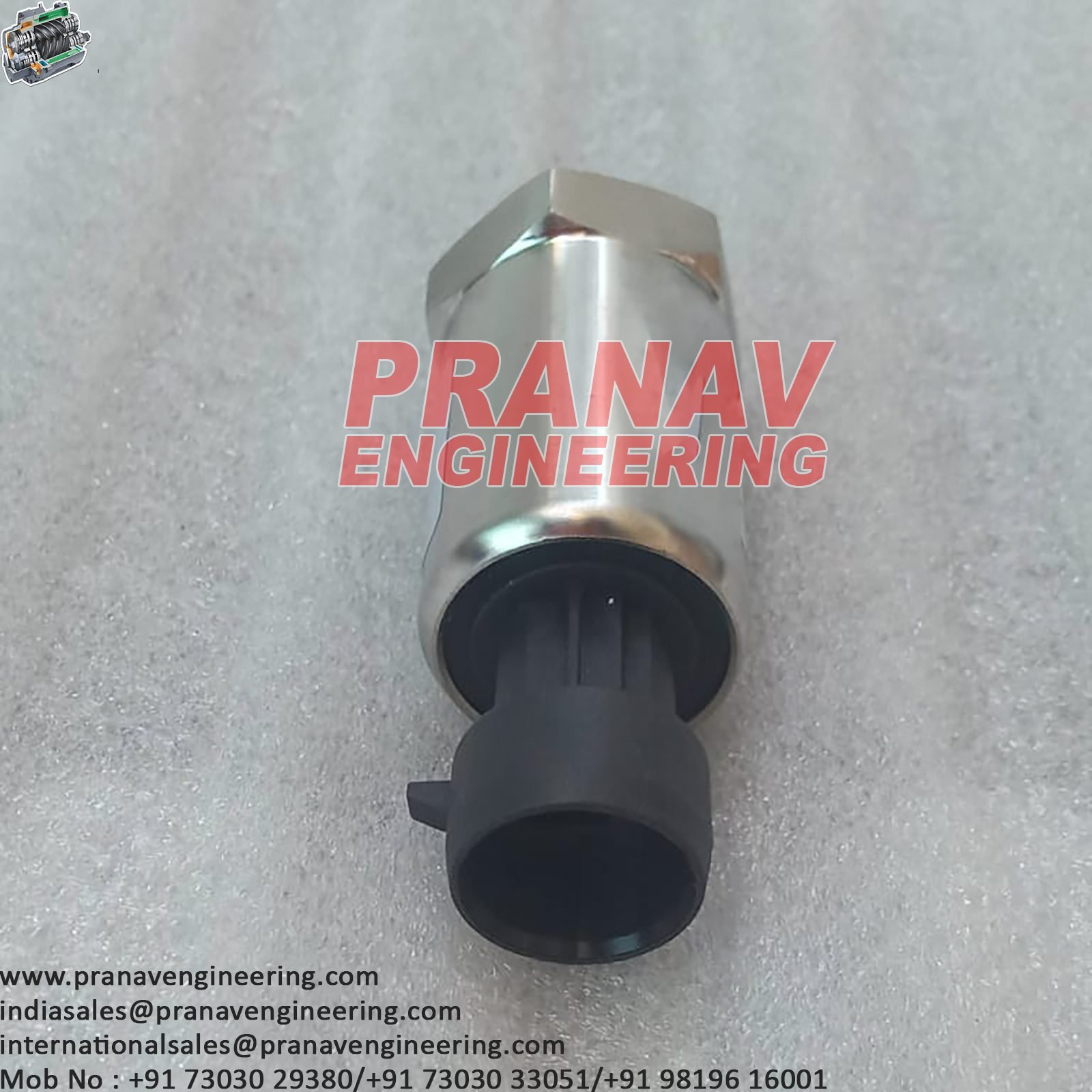
The pressure transducer generally consists of a pressure sensing element, diaphragm, electronic circuit, housing, process connection, and electrical connector.
A pressure transducer is an important measuring and control instrument used in compressor systems to measure the pressure of compressed air, gas, oil, or other process fluids and convert the measured pressure into an electrical signal. This signal is transmitted to the compressor control panel, PLC, monitoring system, or display unit for continuous monitoring and automatic control of compressor operation.
The pressure transducer generally consists of a pressure sensing element, diaphragm, electronic circuit, housing, process connection, and electrical connector. The sensing element detects the pressure applied to the diaphragm. As the pressure changes, the diaphragm undergoes a small deformation. The internal electronic circuit converts this mechanical change into an electrical output signal. Common output signals include 4–20 mA, 0–10 V, or other standardized signals, depending on the compressor control system.
In a compressor, pressure transducers can be installed at different locations according to the monitoring requirements. Typical applications include compressor discharge pressure, suction pressure, oil pressure, separator pressure, intercooler pressure, and receiver pressure. The measured pressure is continuously sent to the control system, allowing the compressor to operate within the required pressure range.
One of the major functions of a pressure transducer is to provide accurate pressure feedback for automatic compressor control. The PLC or compressor controller uses the pressure signal to determine when the compressor should load, unload, start, stop, or change its operating condition. For example, when the discharge pressure reaches a predetermined upper limit, the controller can initiate an unloading sequence. When pressure decreases to the required lower limit, the compressor can be loaded again.
Pressure transducers also provide an important protection function. If the measured pressure exceeds or falls below the specified operating limit, the compressor control system can generate an alarm or initiate a shutdown. This helps protect the compressor from abnormal operating conditions and prevents damage to internal components.
Correct installation is essential for reliable measurement. The process connection should be properly tightened, and the sensing port should be protected from excessive vibration, contamination, moisture, and temperature outside the instrument’s rated range. Electrical connections must also be secure and correctly wired according to the manufacturer’s specifications.
Regular maintenance and calibration are necessary to maintain measurement accuracy. The transducer should be inspected for leakage, damaged wiring, corrosion, blockage, and abnormal readings. If the displayed pressure does not correspond with a calibrated pressure gauge or known reference, the transducer may require calibration or replacement.
A faulty pressure transducer can cause incorrect pressure readings, false alarms, improper loading and unloading, inefficient operation, or unexpected compressor shutdown. Therefore, it is an important component in compressor monitoring and control systems.
Overall, the pressure transducer provides accurate and continuous pressure measurement, enabling automatic control, equipment protection, performance monitoring, and safe operation. Proper selection, installation, calibration, and maintenance of the pressure transducer are essential for reliable compressor performance and long service life.