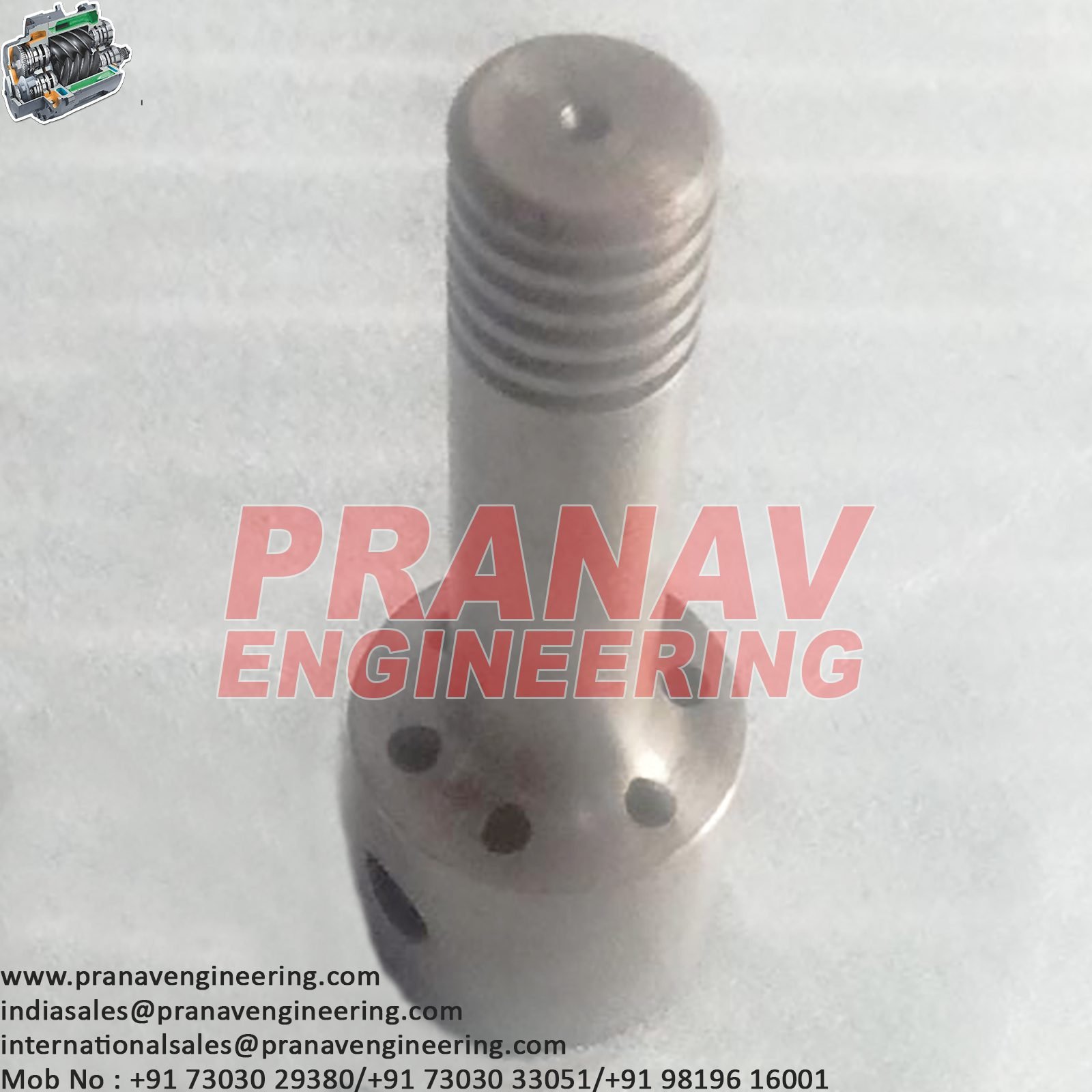
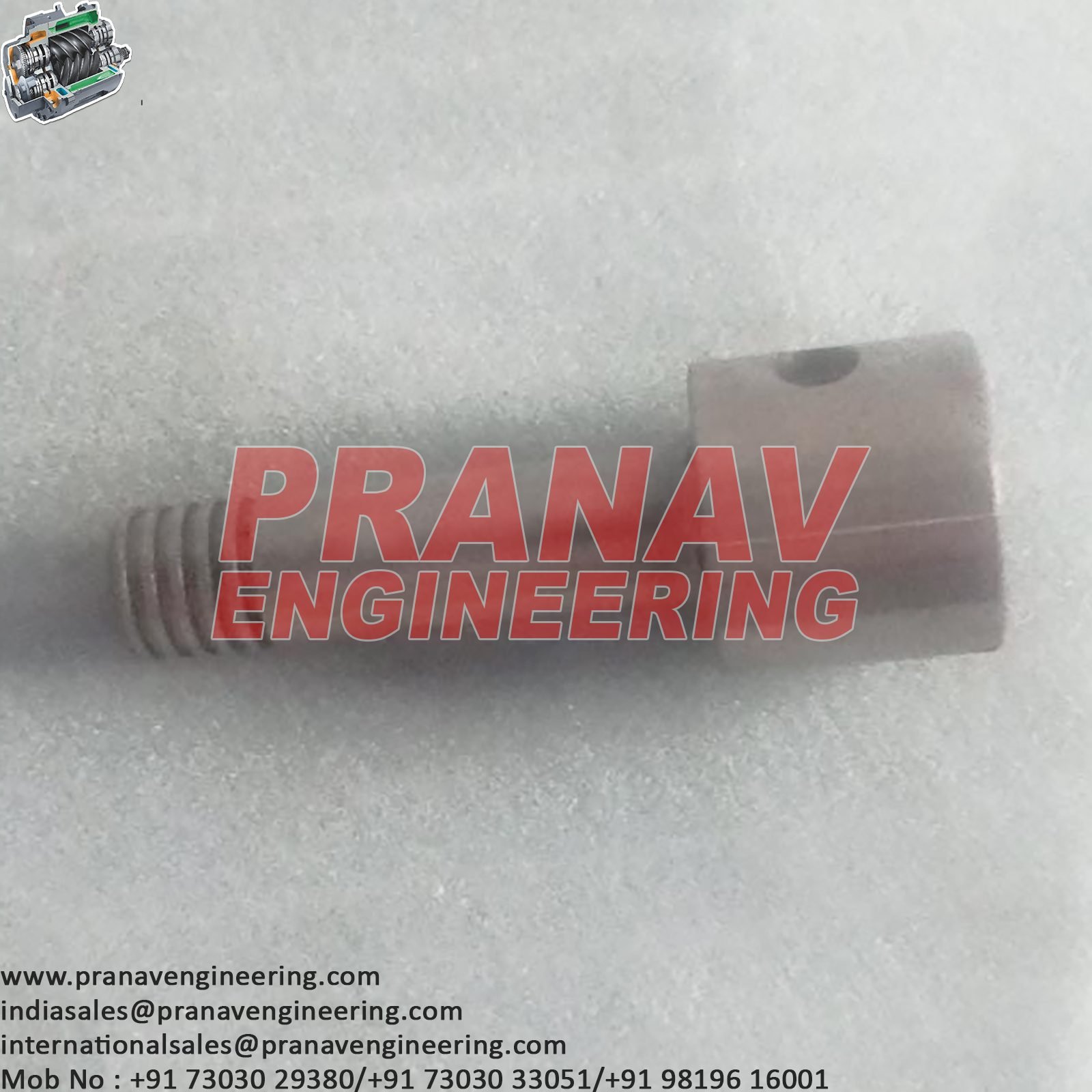
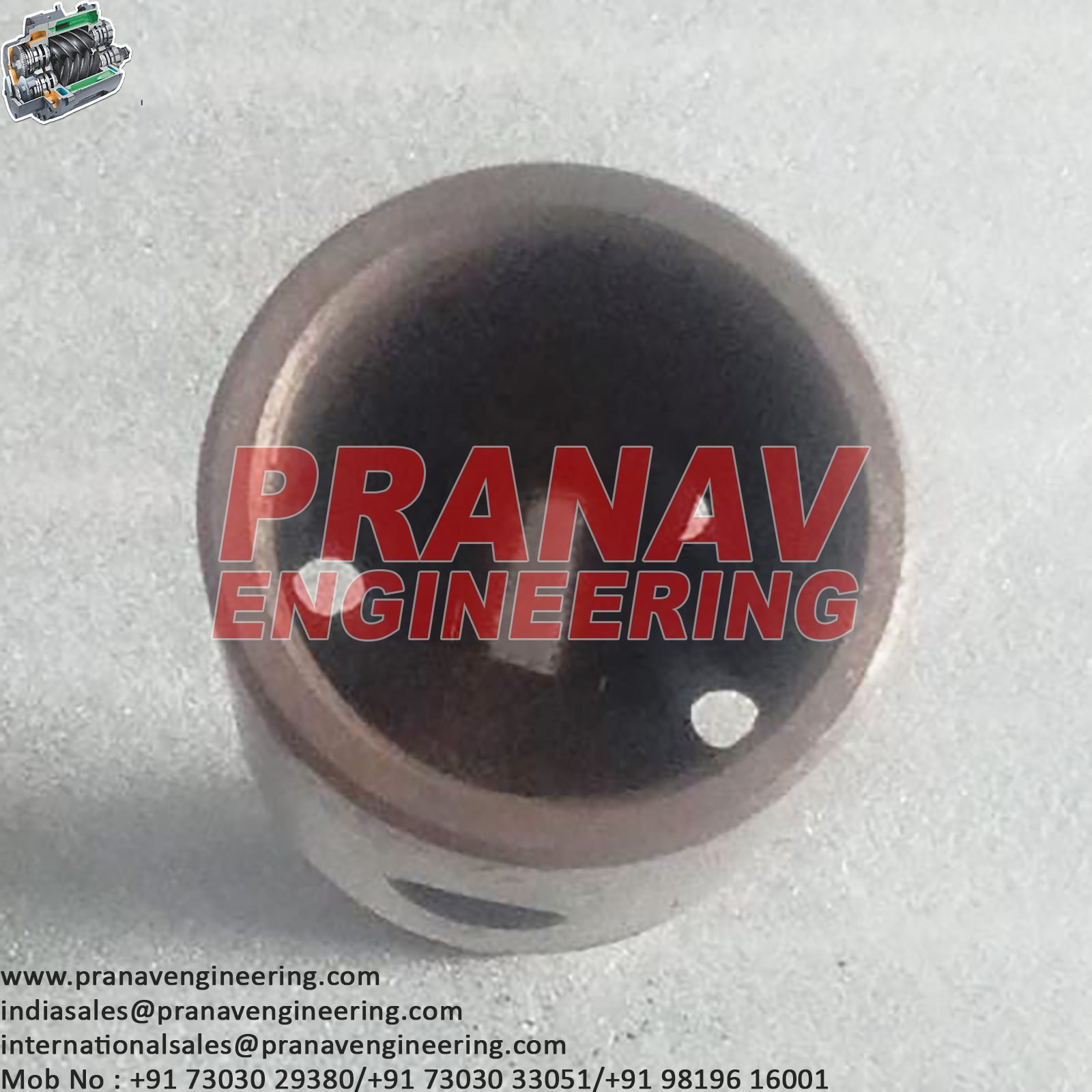
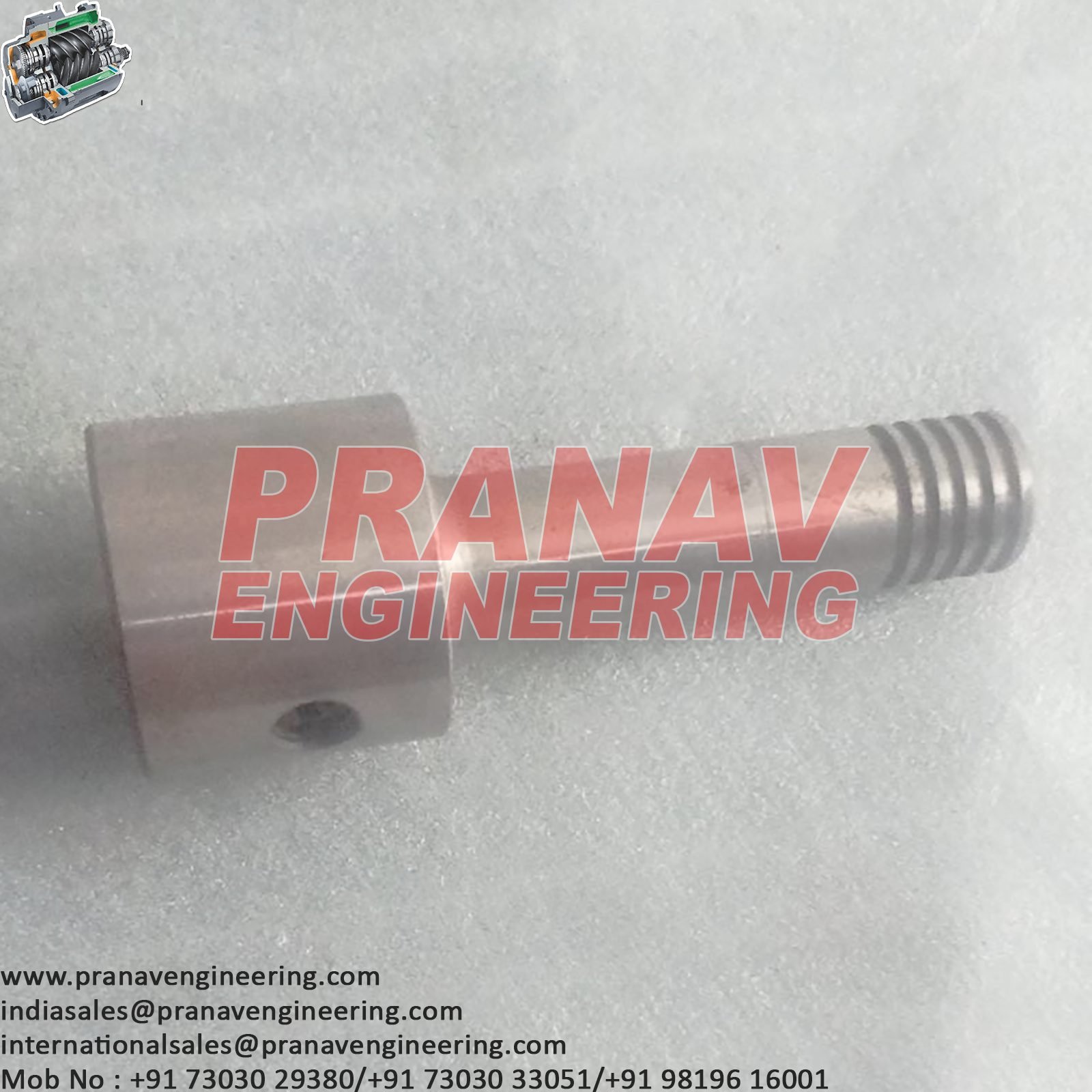
PISTON ASSEMBLY-R7434
A typical compressor piston assembly consists of the piston, piston rings, piston pin, retaining rings, and associated sealing components.
The piston assembly is one of the most important components of a reciprocating compressor. Its main function is to compress the gas or air inside the cylinder by moving back and forth through a controlled reciprocating motion. The piston assembly works together with the cylinder, piston rings, connecting rod, crankshaft, and valves to produce the required compressed gas pressure.
A typical compressor piston assembly consists of the piston, piston rings, piston pin, retaining rings, and associated sealing components. The exact construction depends on the compressor design, operating pressure, cylinder size, gas being compressed, and manufacturer’s specifications.
The piston is the main moving component of the assembly. It fits inside the compressor cylinder with a specified clearance. As the piston moves away from the cylinder head, the cylinder volume increases and gas enters through the suction valve. As the piston moves toward the cylinder head, the cylinder volume decreases and the trapped gas is compressed. The compressed gas is then discharged through the discharge valve when the cylinder pressure becomes sufficiently high.
Piston rings are fitted into grooves around the piston. Their primary function is to provide a seal between the piston and cylinder wall. Compression rings prevent excessive leakage of compressed gas past the piston, while oil-control or scraper rings, where applicable, help control lubricating oil on the cylinder surface. Proper ring clearance and installation are essential for maintaining compression efficiency.
The piston pin, also known as a gudgeon pin or wrist pin, connects the piston to the small end of the connecting rod. It allows the necessary relative movement between the piston and connecting rod while transferring the mechanical force generated by the compressor mechanism.
Retaining rings or circlips are used to secure the piston pin in its correct position and prevent it from moving sideways during operation. Depending on the compressor design, additional spacers, seals, or locking arrangements may be provided.
The piston assembly is exposed to repeated mechanical loads, pressure fluctuations, temperature changes, and friction. Proper lubrication and cooling are therefore important. In oil-free compressors, special materials and coatings may be used to provide low-friction operation without conventional cylinder lubrication.
Common piston assembly problems include piston-ring wear, piston scoring, excessive clearance, cracks, pin wear, overheating, and carbon or contaminant deposits. These problems can cause reduced compression pressure, increased gas leakage, higher operating temperature, abnormal noise, increased oil consumption, and reduced compressor capacity.
During maintenance, the piston assembly should be removed and inspected according to the manufacturer’s procedure. The piston surface, ring grooves, piston rings, piston pin, and retaining components should be checked for wear or damage. Cylinder clearance and ring end gaps should be measured and compared with the manufacturer’s specified limits.
In conclusion, the piston assembly plays a vital role in the compression process. It converts the mechanical movement received from the connecting rod into the pressure-producing action inside the cylinder. Proper inspection, lubrication, correct clearances, and timely replacement of worn components are essential for maintaining efficient, reliable, and long-lasting compressor operation.