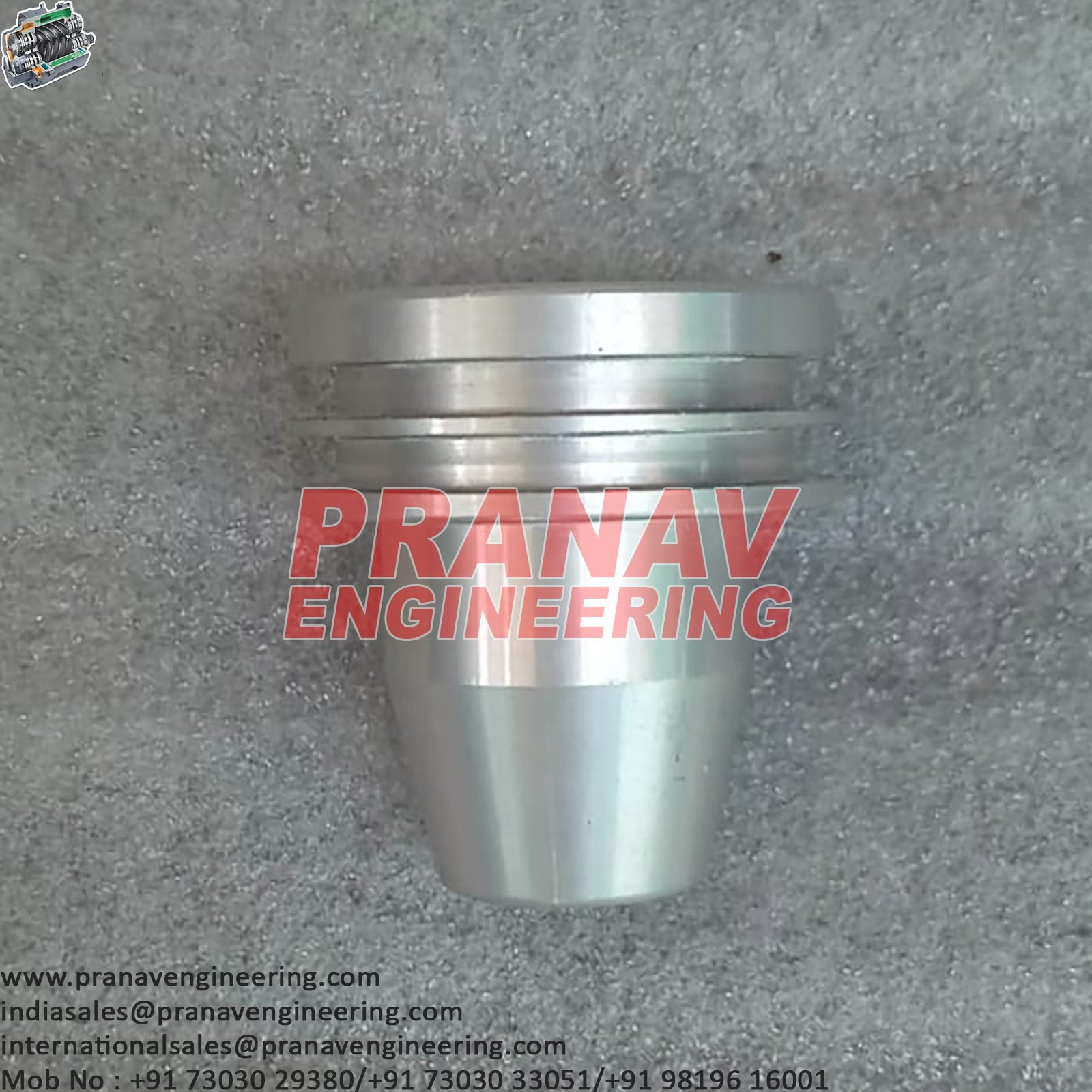
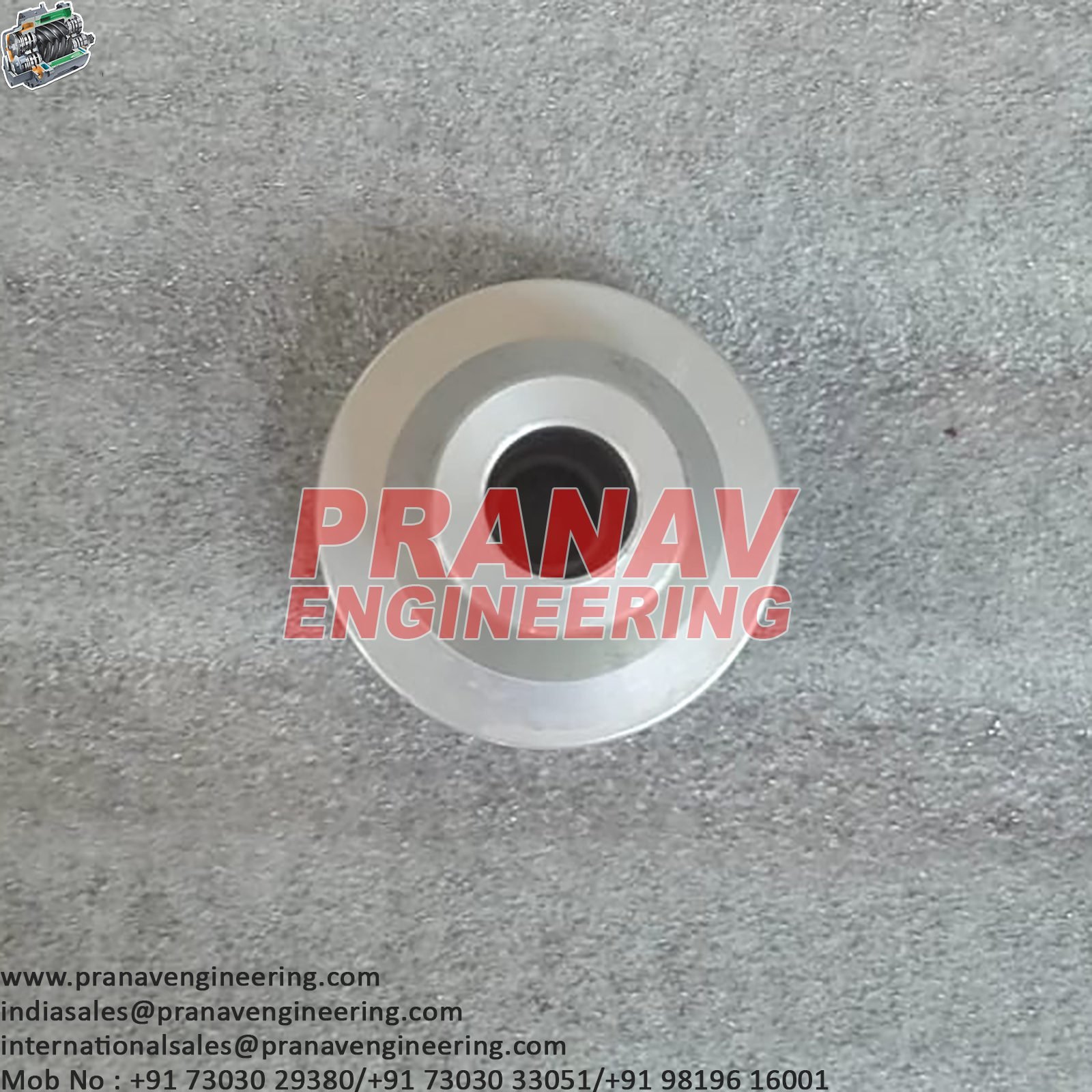
PISTON-1613403100
Modern piston compressors often incorporate advanced cooling systems, low-noise operation technologies.
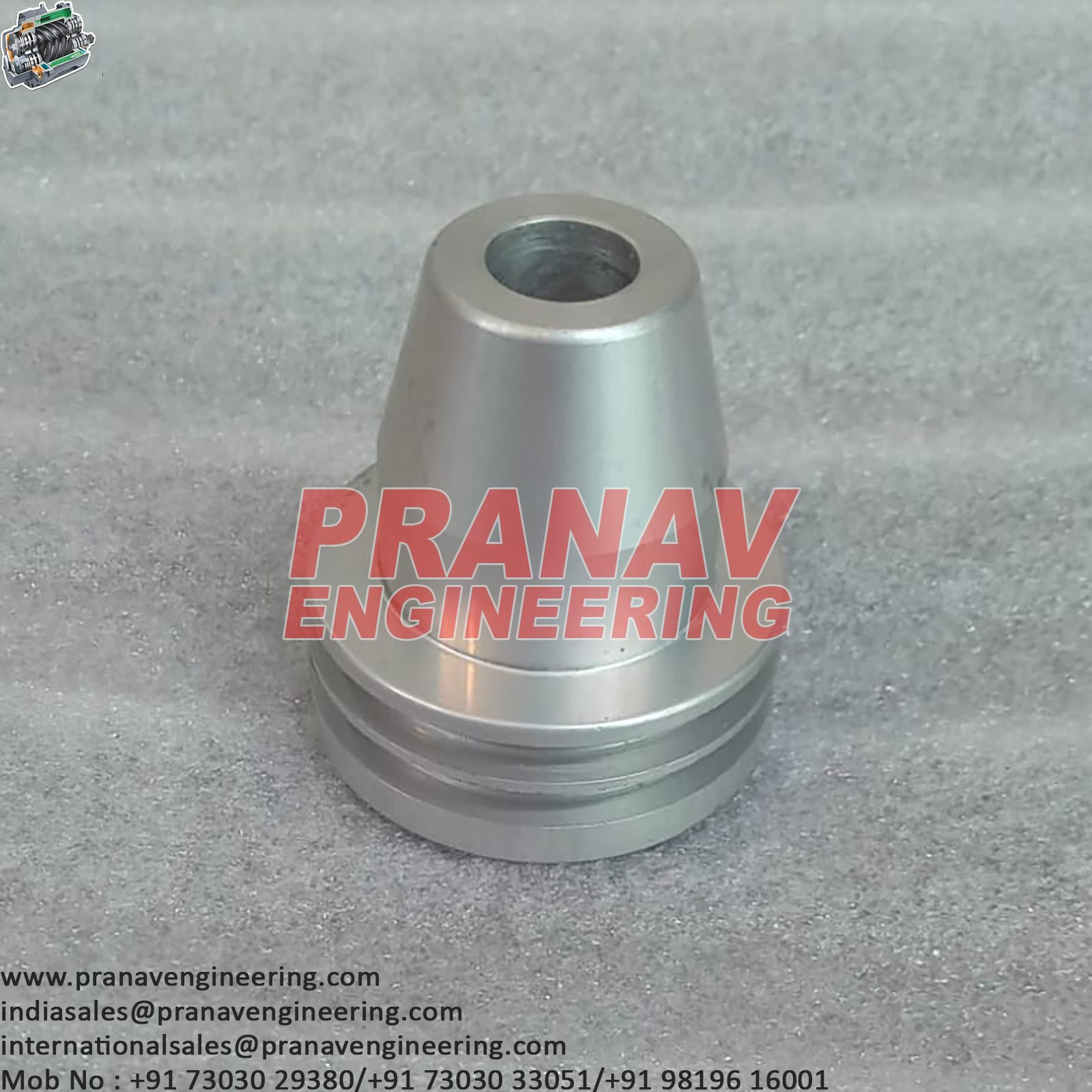
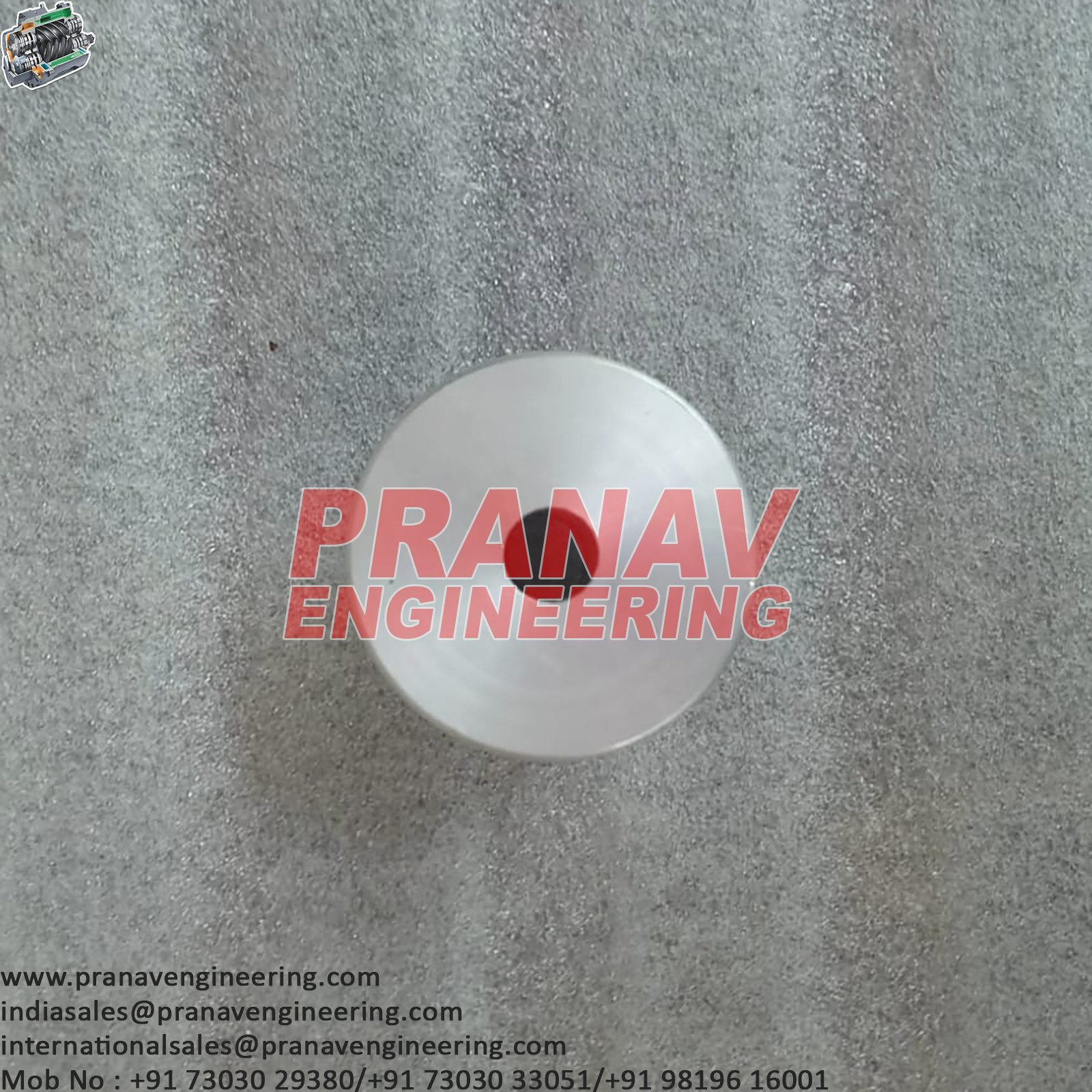
A piston compressor is a widely used type of air compressor designed to convert power into compressed air energy for industrial, commercial, and workshop applications. Also known as a reciprocating compressor, it operates through a piston moving inside a cylinder to compress atmospheric air and deliver it at higher pressure levels. Piston compressors are known for their reliability, durability, and ability to provide consistent compressed air for various operations.
The working principle of a piston compressor is simple yet highly effective. An electric motor or engine drives a crankshaft connected to a piston. As the piston moves downward inside the cylinder, it creates a vacuum that draws atmospheric air through the intake valve. When the piston moves upward, the air is compressed into a smaller volume, increasing its pressure. The compressed air is then discharged into a storage tank or directly supplied to equipment requiring compressed air.
Piston compressors are available in single-stage and two-stage configurations. Single-stage compressors compress air once before delivery and are suitable for moderate pressure requirements. Two-stage compressors compress air twice, allowing them to achieve higher pressure levels and improved efficiency, making them ideal for heavy industrial applications.
These compressors are extensively used across industries such as manufacturing, automotive workshops, construction, pharmaceuticals, food processing, textile production, and metal fabrication. They power pneumatic tools, spray painting systems, packaging machines, CNC equipment, and many other industrial processes that require stable compressed air supply.
One of the major advantages of piston compressors is their robust construction and long service life. They are designed to handle demanding operating conditions while maintaining performance efficiency. Modern piston compressors often incorporate advanced cooling systems, low-noise operation technologies, and energy-efficient motors to improve overall productivity and reduce operational costs.
Maintenance of piston compressors is relatively straightforward, involving periodic inspection of filters, lubrication systems, valves, belts, and cooling components. Proper maintenance ensures reliable performance, minimizes downtime, and extends equipment lifespan.
Piston compressors are available in oil-lubricated and oil-free variants. Oil-lubricated models provide enhanced durability for heavy-duty industrial use, while oil-free compressors are preferred in applications requiring clean and contaminant-free air, such as medical facilities, laboratories, and food industries.
With their versatility, cost-effectiveness, and dependable performance, piston compressors continue to be one of the most trusted compressed air solutions across multiple industries, delivering reliable operation and supporting efficient production processes worldwide.