
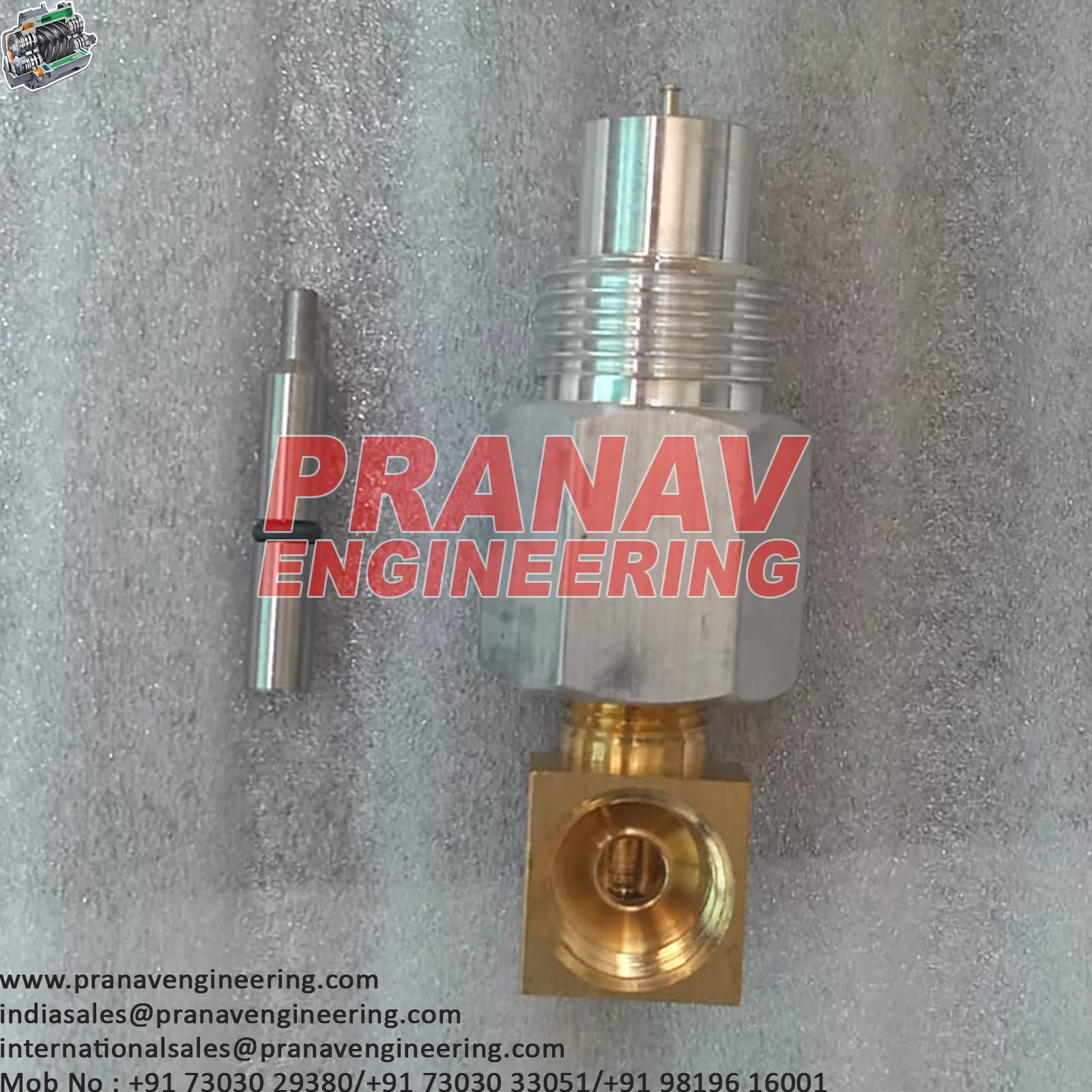
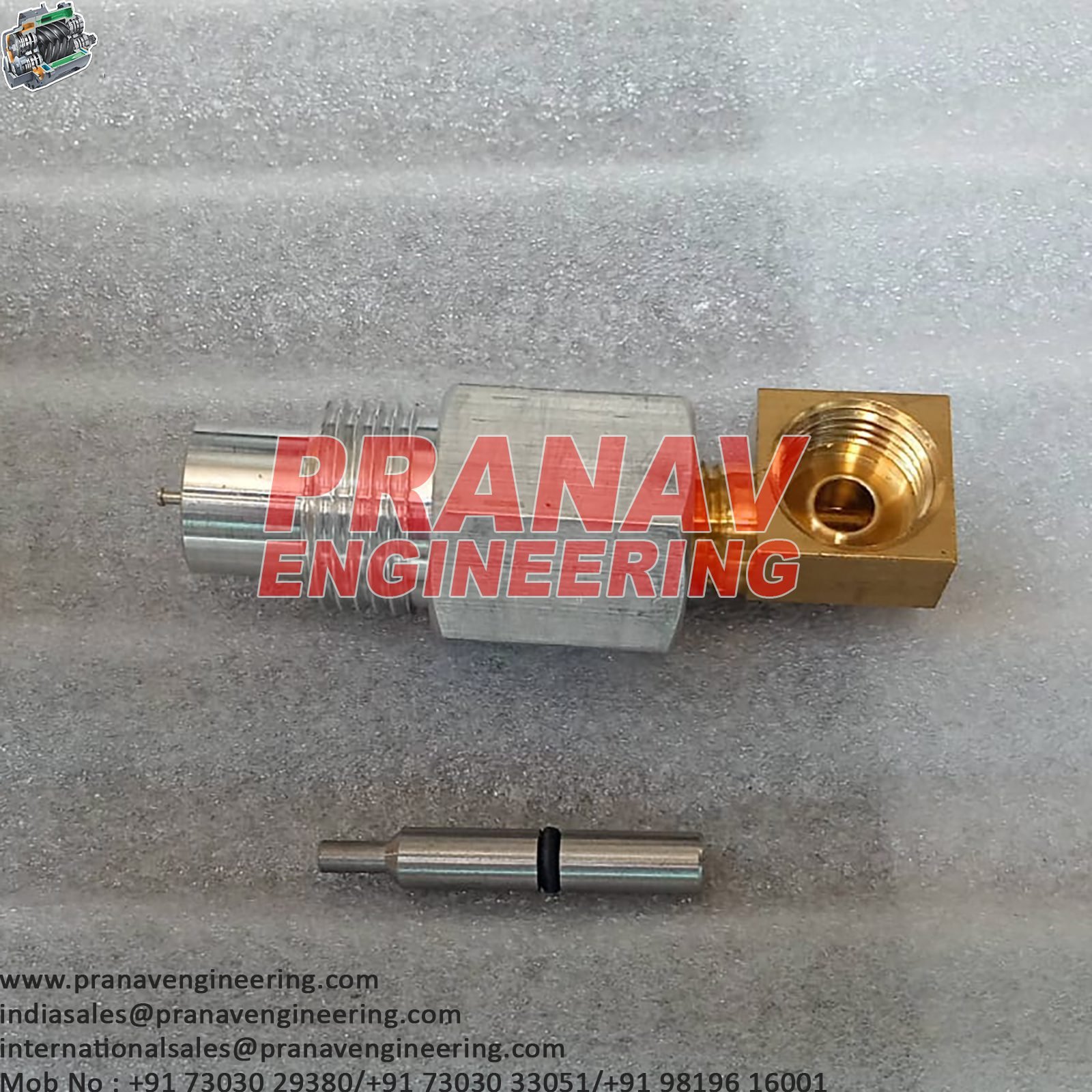
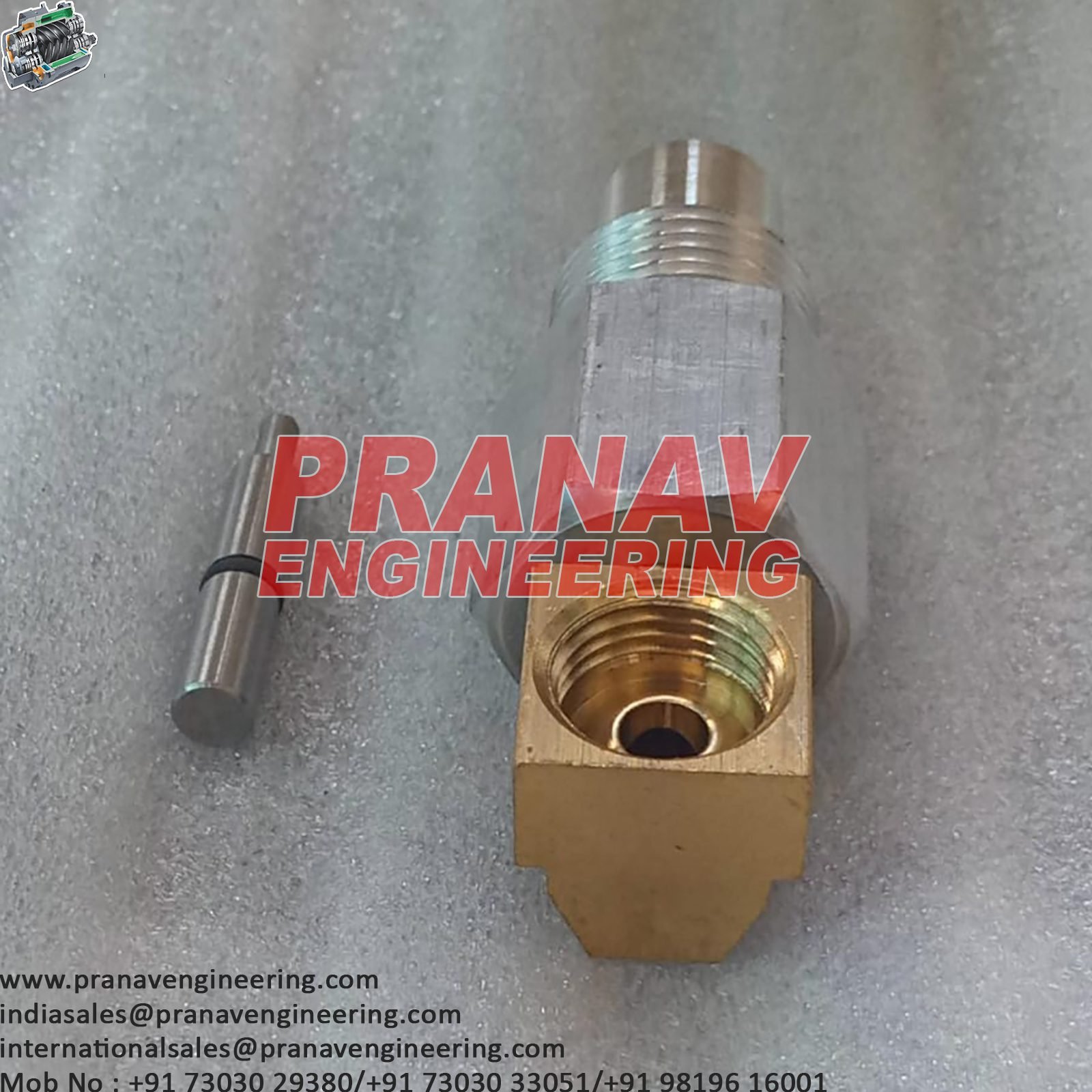

PILOT VALVE-70388277-W75289T40-R53608T50
It also enhances operational safety by controlling pressure fluctuations and minimizing the risk of equipment damage.
A pilot valve compressor is an essential component used in air compressor systems to regulate pressure and ensure smooth, efficient operation. The pilot valve acts as a control mechanism that manages the compressor’s loading and unloading cycle, helping maintain the desired air pressure within the system. It is commonly installed in industrial air compressors, reciprocating compressors, and heavy-duty compressed air applications where stable pressure control is critical.
The primary function of a pilot valve in a compressor is to monitor air tank pressure and activate or deactivate the compressor based on preset pressure levels. When the air pressure inside the receiver tank reaches the maximum cut-out pressure, the pilot valve signals the compressor to unload or stop compressing air. As compressed air is consumed and pressure drops to the cut-in level, the pilot valve allows the compressor to restart or reload, ensuring continuous and reliable airflow.
Pilot valves are manufactured using durable materials such as brass, stainless steel, or corrosion-resistant alloys to withstand high-pressure environments and demanding industrial conditions. Their robust construction ensures long service life, reduced maintenance requirements, and dependable performance even in harsh operating environments.
These valves are widely used in manufacturing plants, automotive workshops, construction equipment, pneumatic systems, and industrial production facilities. Proper pilot valve operation helps improve compressor efficiency, reduce energy consumption, and protect compressor components from excessive wear caused by unnecessary cycling.
A high-quality pilot valve contributes significantly to compressor performance by maintaining accurate pressure regulation and preventing system overload. It also enhances operational safety by controlling pressure fluctuations and minimizing the risk of equipment damage. Many pilot valves are designed with adjustable pressure settings, allowing operators to customize compressor operation according to application requirements.
Regular inspection and maintenance of pilot valves are important for ensuring optimal compressor performance. Over time, dirt accumulation, wear, or damaged internal components may affect valve functionality. Periodic servicing helps maintain efficiency and extends compressor lifespan.
Selecting the right pilot valve for a compressor depends on factors such as operating pressure range, compressor type, air flow requirements, and system compatibility. Choosing a reliable and high-performance pilot valve helps maximize compressor productivity while maintaining stable compressed air delivery.
In modern compressed air systems, pilot valves remain a vital component for achieving efficient pressure control, energy savings, and reliable compressor operation across a wide range of industrial applications.