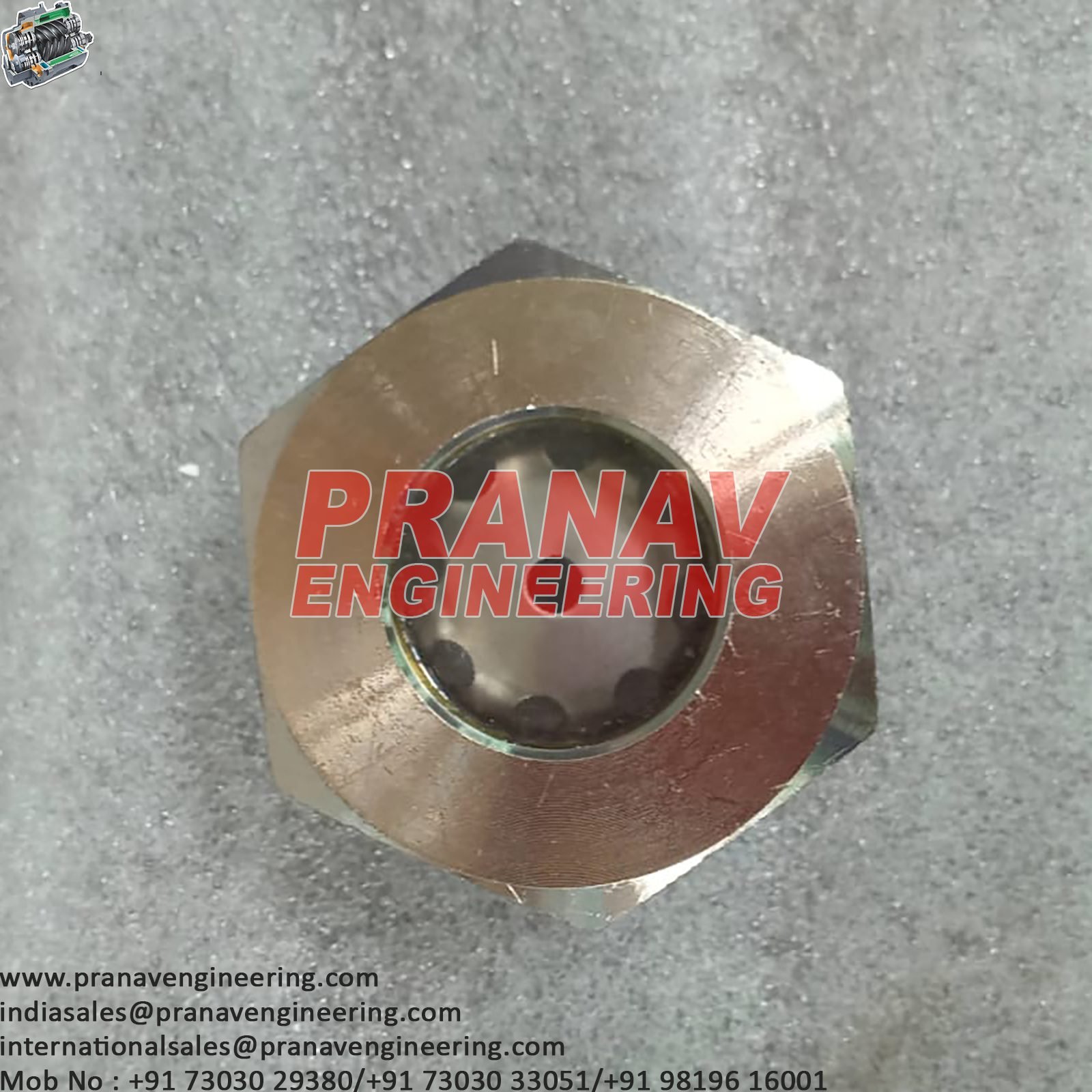
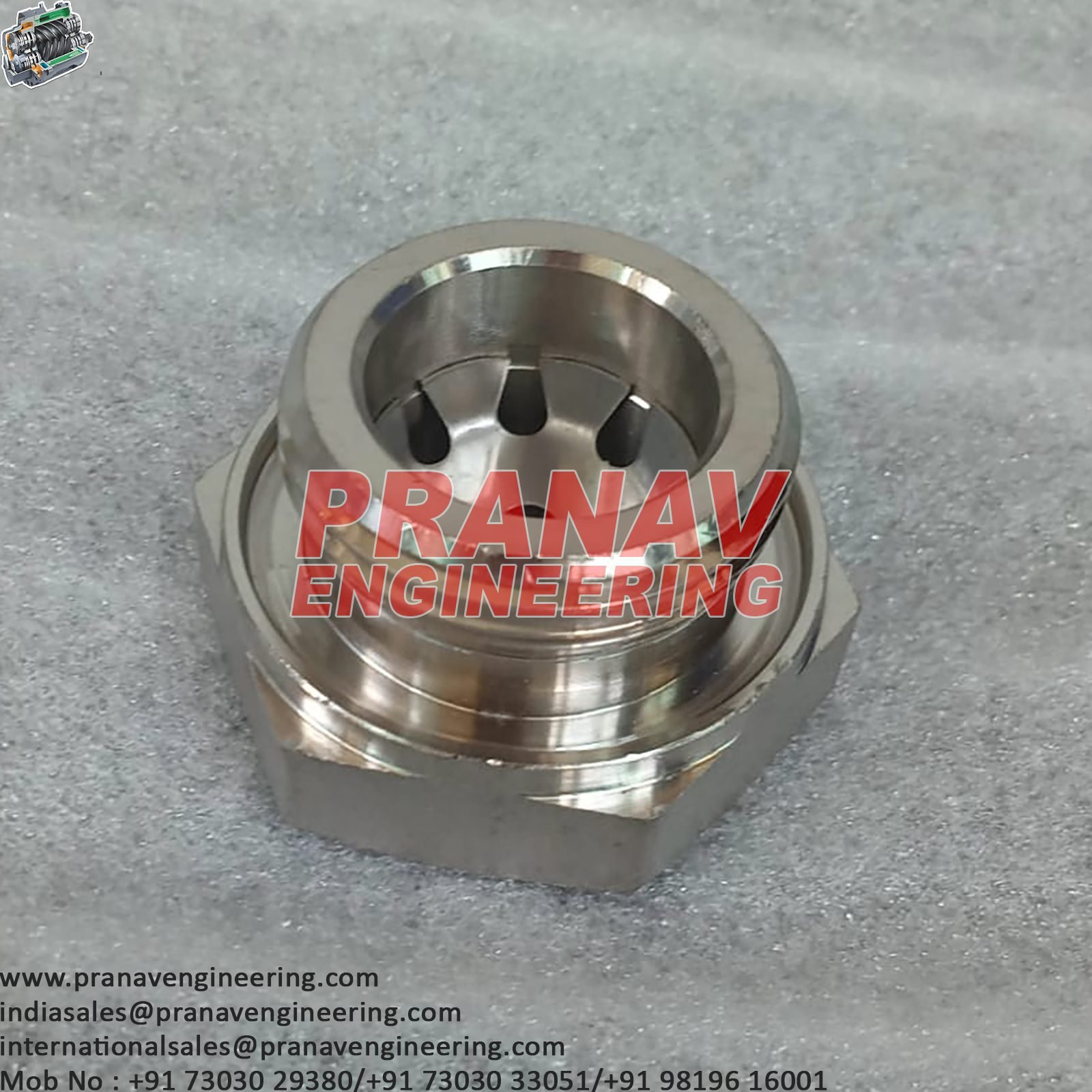
OIL LEVEL GAUGE-1092000072
Routine inspection of the oil level gauge should be part of preventive maintenance practices.
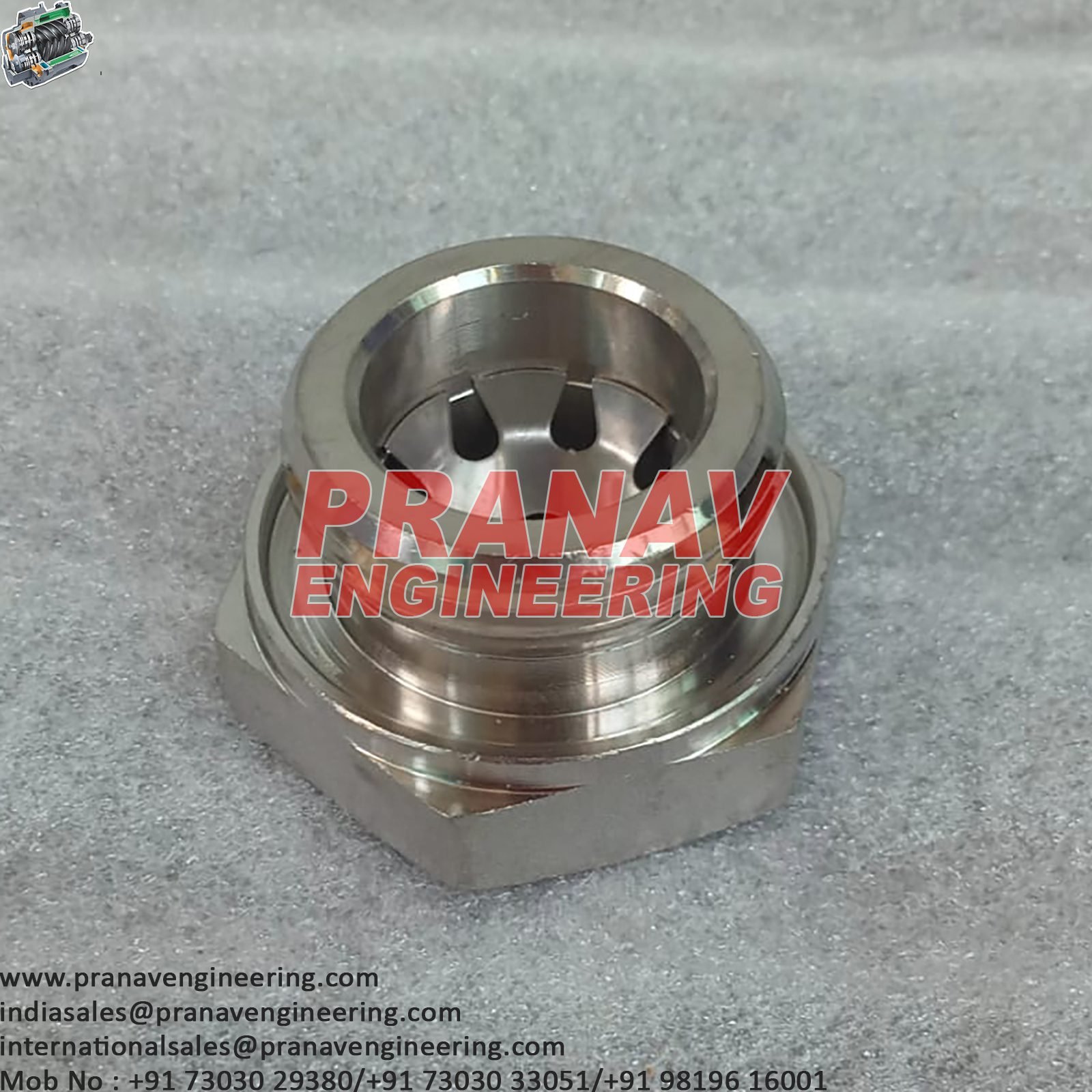
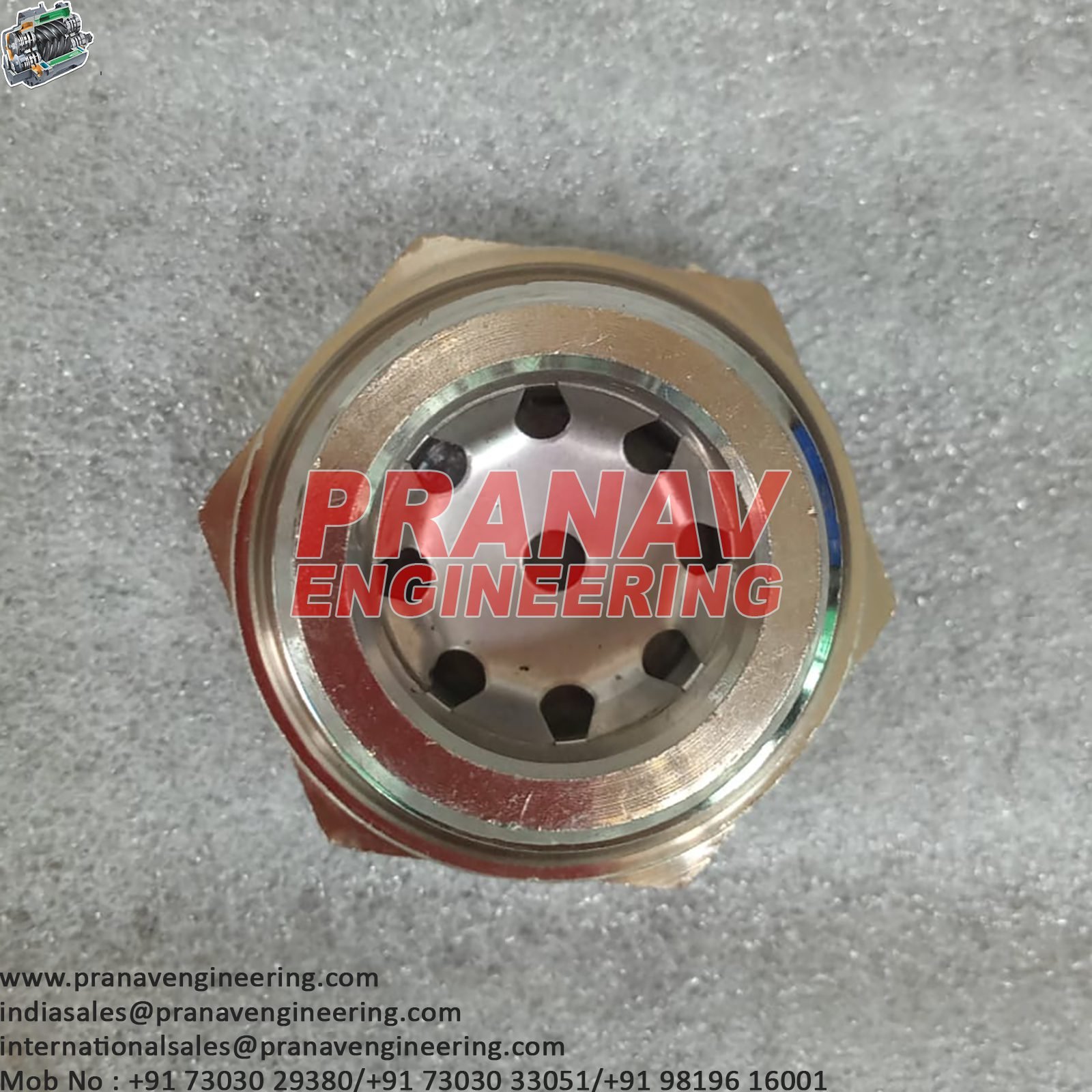
An Oil Level Gauge for a Compressor is an essential component used to monitor and maintain the proper oil level inside an air compressor system. It helps operators ensure that the compressor has sufficient lubrication for smooth and efficient operation. Proper lubrication is critical in compressors because it reduces friction between moving parts, minimizes wear and tear, controls operating temperatures, and extends equipment life.
The oil level gauge is typically installed on the compressor oil reservoir, separator tank, or crankcase, depending on the compressor design. It provides a clear visual indication of the oil quantity available inside the machine. Most oil level gauges are designed with a transparent viewing window or sight glass, allowing maintenance personnel to quickly inspect oil levels without dismantling any components.
Maintaining the correct oil level is crucial for compressor performance. If the oil level falls below the recommended range, internal components such as bearings, gears, and rotors may experience inadequate lubrication. This can lead to overheating, increased friction, reduced efficiency, and potential mechanical failures. On the other hand, excessive oil levels may also create operational issues, including oil carryover, pressure irregularities, and reduced compressor efficiency.
High-quality compressor oil level gauges are manufactured from durable materials such as reinforced plastic, aluminum, brass, or stainless steel to withstand demanding industrial environments. Many gauges are designed to resist vibration, temperature variations, pressure fluctuations, and exposure to compressor oils and contaminants. Some advanced models also include temperature indicators or integrated monitoring features for improved operational control.
Oil level gauges are widely used in various compressor applications, including rotary screw compressors, reciprocating compressors, industrial air compressors, and heavy-duty manufacturing systems. Industries such as automotive manufacturing, pharmaceuticals, food processing, construction, textiles, and general engineering rely on properly functioning compressor lubrication systems for uninterrupted operations.
Routine inspection of the oil level gauge should be part of preventive maintenance practices. Operators should regularly verify that the oil remains within the specified operating range and inspect the gauge for dirt buildup, cracks, or visibility issues. Replacing damaged or worn gauges promptly helps prevent lubrication-related failures and costly equipment downtime.
An efficient oil level gauge contributes significantly to compressor reliability, operational safety, and long-term performance. By ensuring accurate oil monitoring, it supports optimized compressor efficiency, lower maintenance costs, and extended equipment lifespan, making it a vital component in modern compressed air systems.