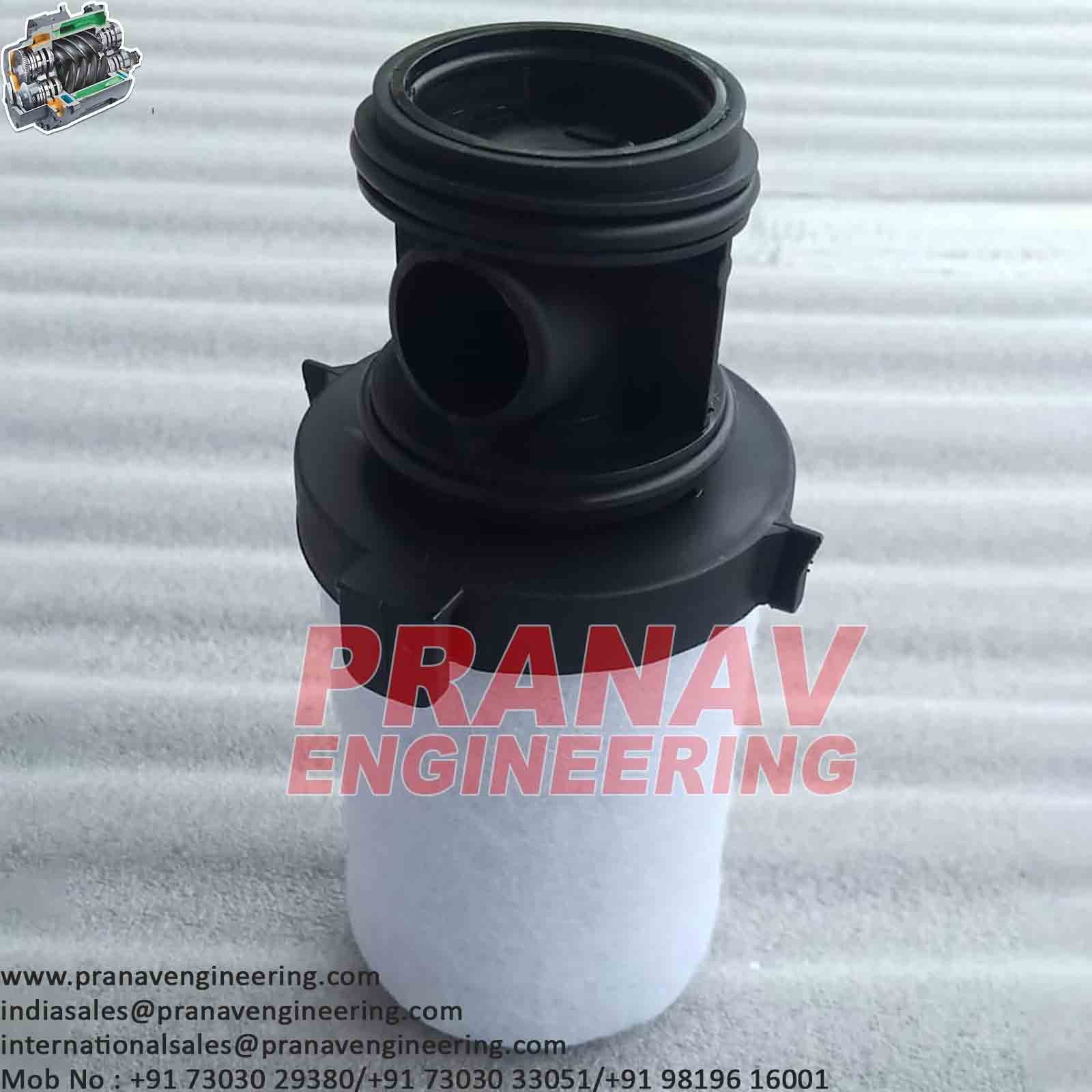
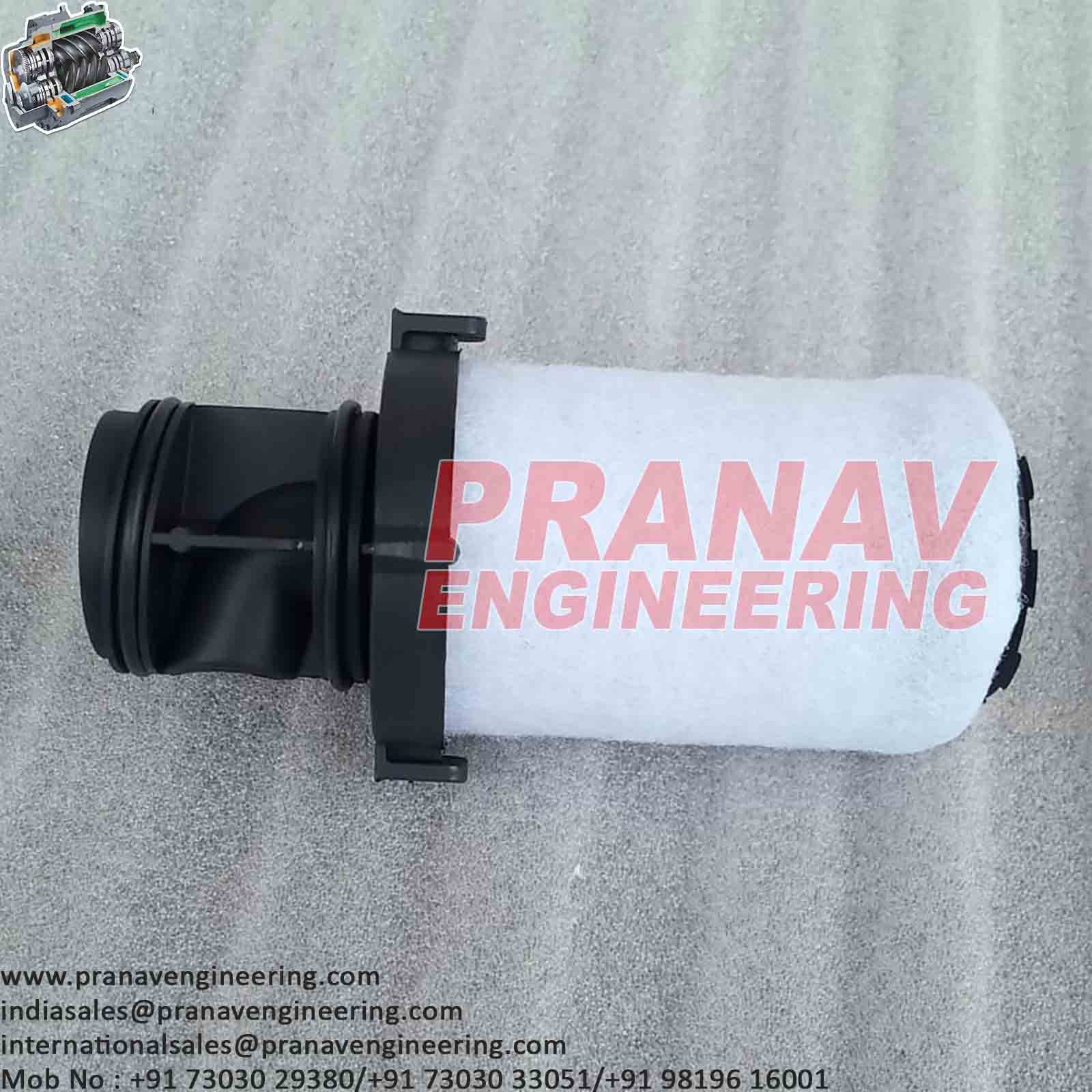
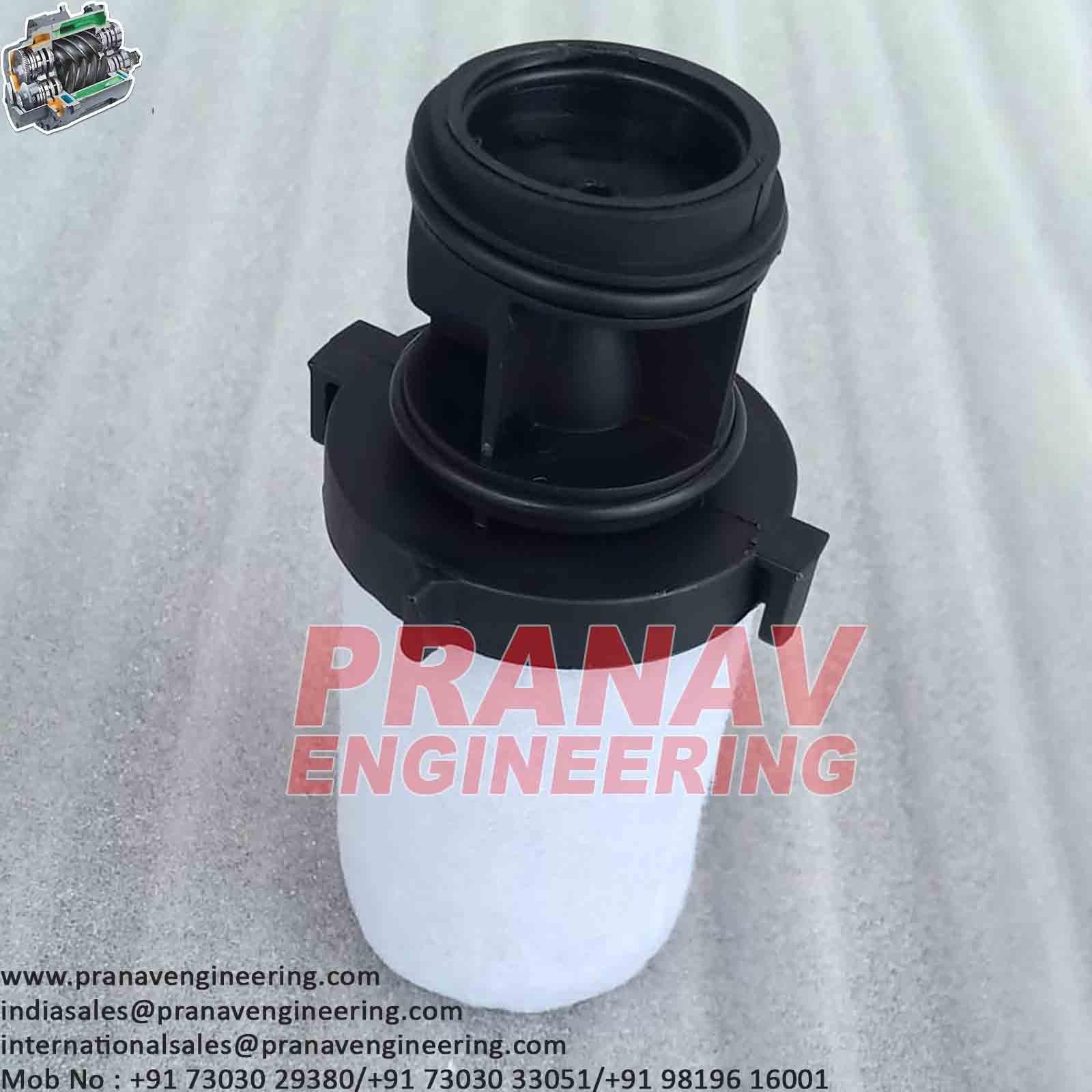
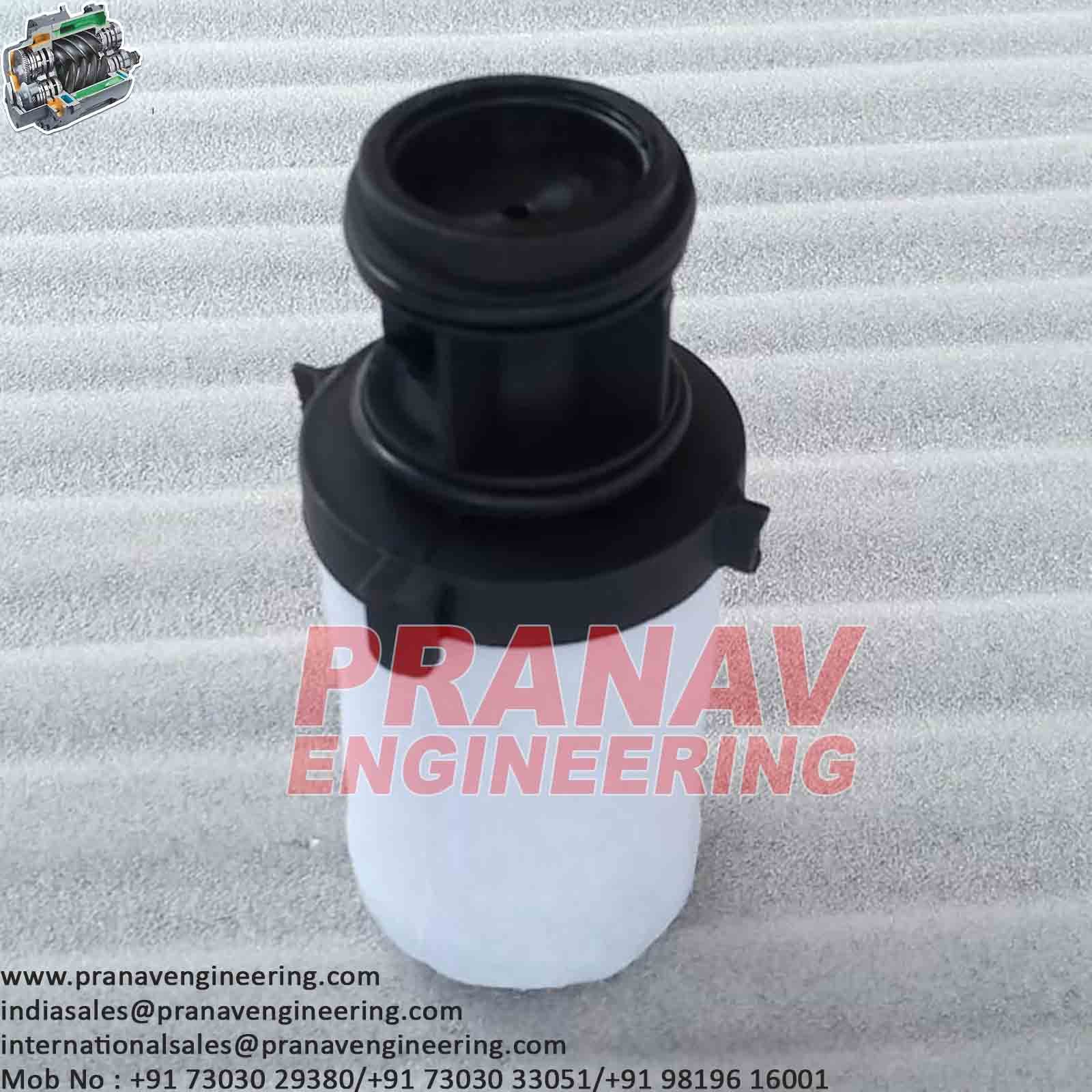
LINE FILTER ELEMENT-C42FE
A line filter element is an important component of a compressed-air compressor system used to remove contaminants from compressed air before it reaches downstream equipment.
A line filter element is an important component of a compressed-air compressor system used to remove contaminants from compressed air before it reaches downstream equipment. It is normally installed inside a line filter housing and is designed to separate dust, dirt, rust particles, oil aerosols, water droplets, and other impurities from the compressed-air stream. Proper filtration helps maintain air quality, protect pneumatic equipment, and improve the reliability and efficiency of the complete compressed-air system.
The filter element is manufactured from specialized porous filter media, such as synthetic fibers, microfibers, cellulose, or other materials suitable for the required filtration level. The element may also contain supporting layers and internal or external structures to maintain its shape under pressure. Different grades of filter elements are available depending on the application, including general-purpose particulate filters, coalescing filters, fine filters, and activated-carbon filters for specific air-treatment requirements.
During compressor operation, contaminated compressed air enters the filter housing and flows through the filter element. As the air passes through the filter media, contaminants are captured by the filtering material. Solid particles are retained within the element, while liquid aerosols may be collected through a coalescing process in suitable filter designs. The cleaned air then exits the filter and continues toward the air receiver, pneumatic equipment, instruments, or other downstream applications.
One of the main functions of the line filter element is to protect downstream components. Contaminated compressed air can cause wear, blockage, corrosion, and malfunction in pneumatic cylinders, control valves, regulators, air tools, instruments, and automated equipment. Removing contaminants helps reduce maintenance requirements and improves the service life of connected equipment.
As the filter element collects contaminants, its resistance to airflow gradually increases. This causes an increase in the differential pressure across the filter. Excessive pressure drop can restrict airflow and cause additional compressor energy consumption. Therefore, filter condition should be monitored using a differential-pressure indicator, gauge, or other monitoring method where provided.
Regular maintenance is necessary to keep the filter operating effectively. The element should be inspected and replaced according to the manufacturer’s recommended service interval or when the specified differential-pressure limit is reached. The filter housing, seals, drain system, and connections should also be inspected for leakage or damage. Before replacement, the filter should be isolated and completely depressurized according to the applicable safety procedure.
Selecting the correct line filter element is essential. Important factors include airflow capacity, operating pressure, operating temperature, filtration grade, contaminant type, and compatibility with the compressed medium. An incorrectly selected element may cause inadequate filtration, excessive pressure drop, or premature failure.
A damaged or blocked filter element can result in reduced airflow, increased pressure loss, poor air quality, higher energy consumption, and damage to downstream equipment. Timely replacement helps prevent these problems.
Overall, the line filter element is a vital part of a compressor air-treatment system. Proper selection, monitoring, and maintenance ensure clean compressed air, protect equipment, maintain system efficiency, reduce contamination-related failures, and support reliable long-term compressor operation.