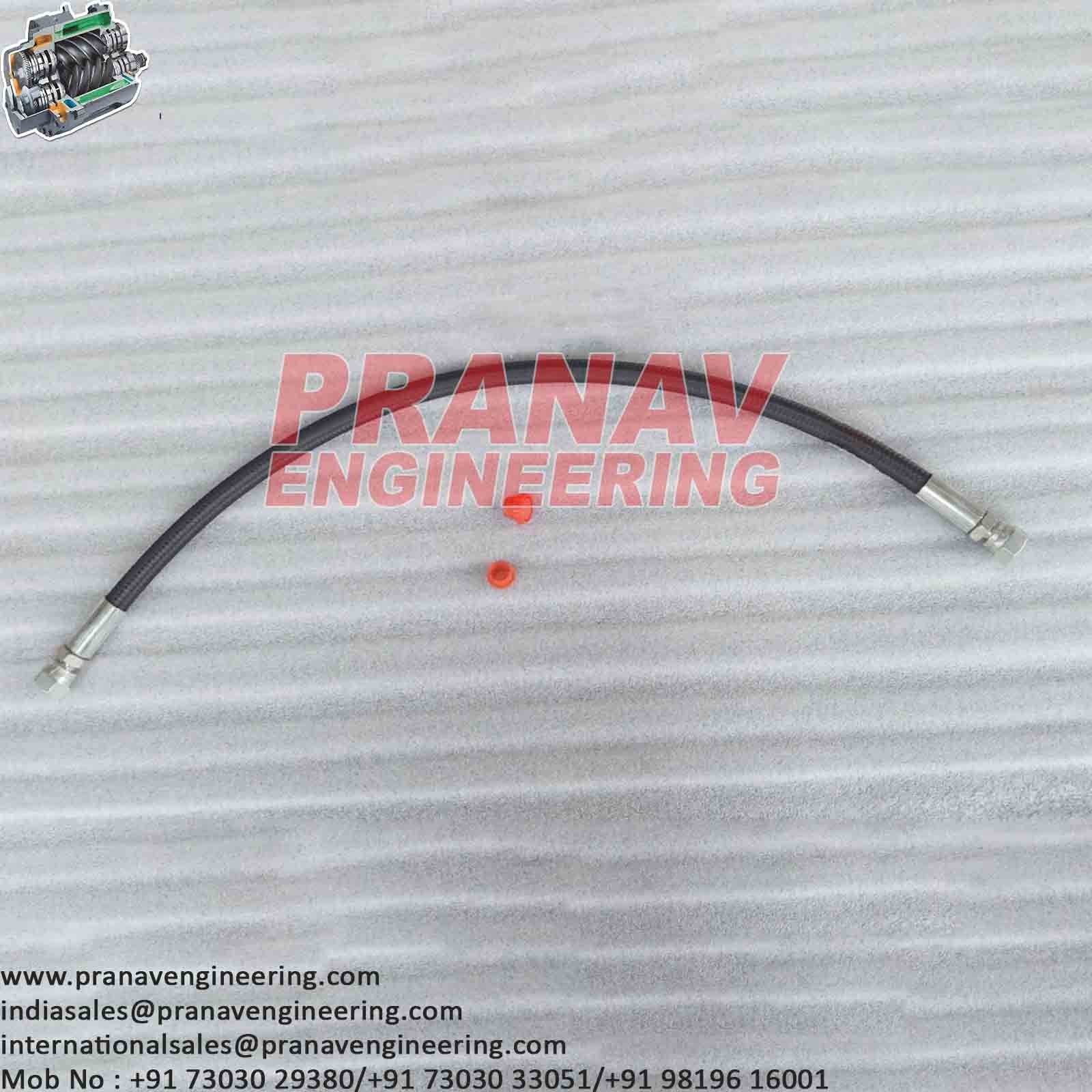
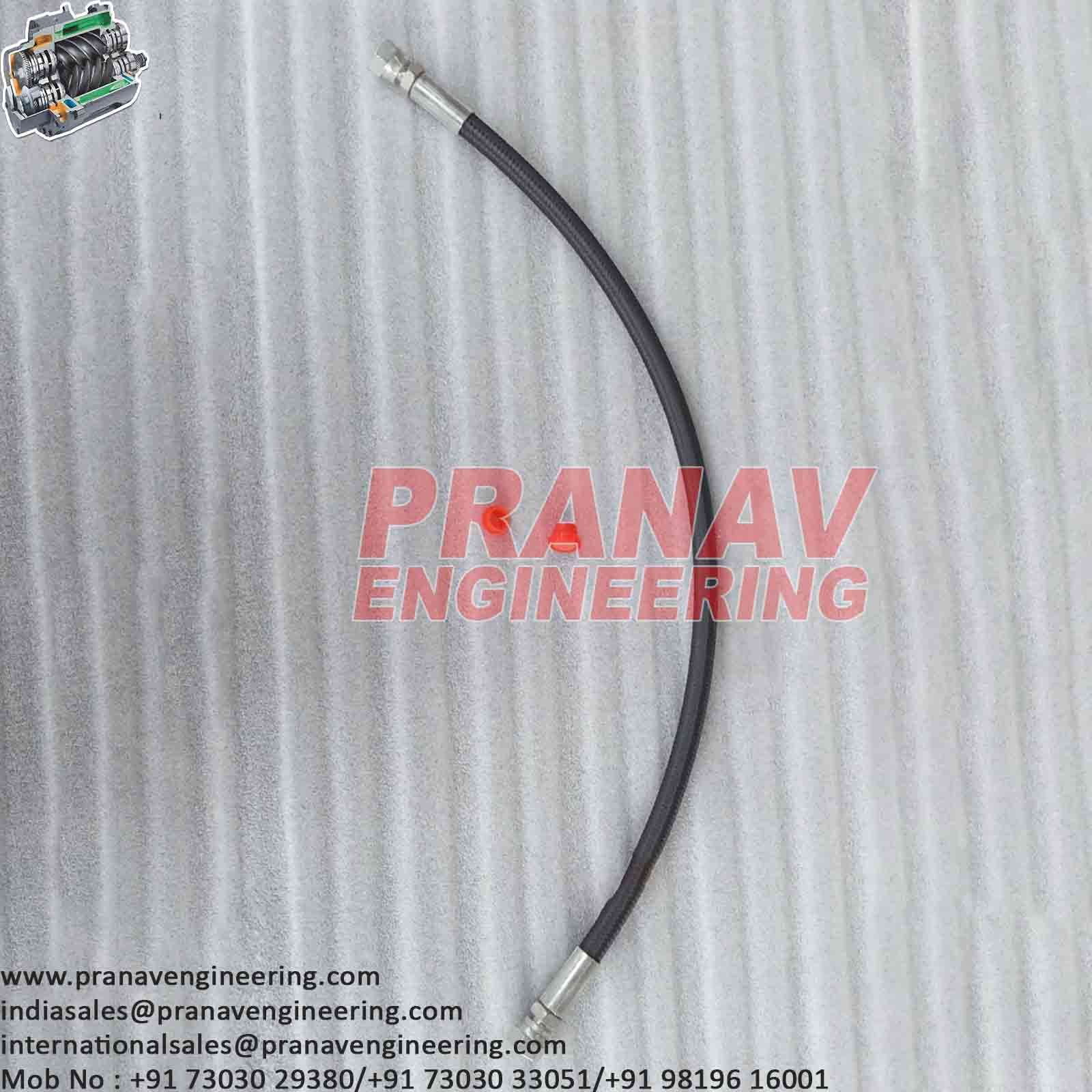
HOSE-24260804002
Compressor hoses are manufactured from materials selected according to the application and operating conditions.
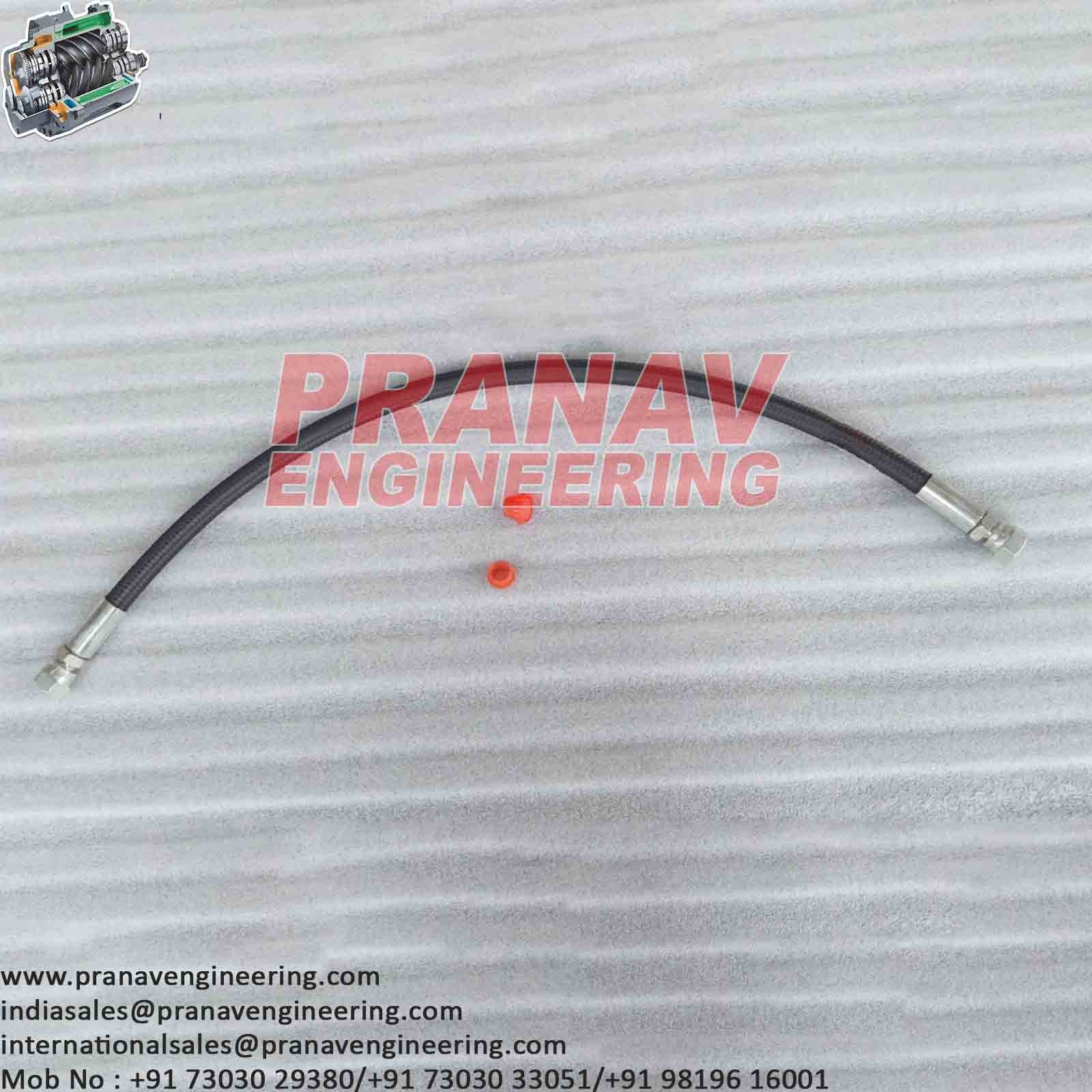
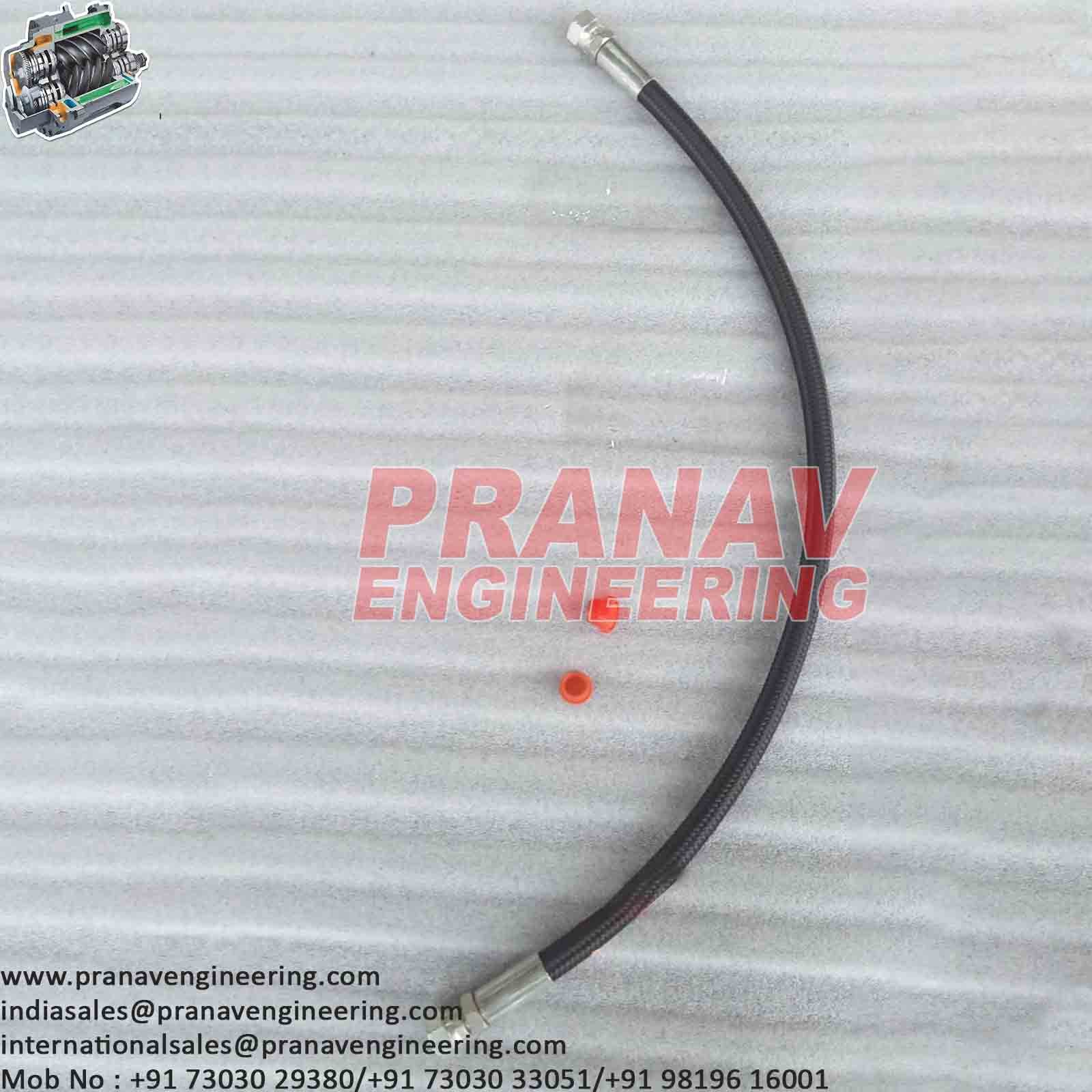
A Compressor Hose is a flexible and durable component used to transfer compressed air, gases, or other compatible fluids between a compressor and connected equipment. It is an essential part of compressed-air systems and is commonly used in industrial plants, workshops, construction sites, automotive service centers, pneumatic machinery, and manufacturing facilities. The hose provides a reliable connection while allowing movement, vibration, and changes in equipment position without placing excessive stress on rigid piping or fittings.
Compressor hoses are manufactured from materials selected according to the application and operating conditions. Common materials include reinforced rubber, polyurethane, PVC, thermoplastic compounds, and other specialized synthetic materials. Many hoses incorporate multiple layers of reinforcement, such as textile braiding or wire reinforcement, to provide high pressure resistance and improved durability. The inner tube is designed to withstand the transported medium, while the outer cover protects the hose from abrasion, oil, moisture, chemicals, heat, and environmental conditions.
One of the main advantages of a compressor hose is its flexibility. Unlike fixed metal piping, a flexible hose can absorb equipment vibration and accommodate movement during operation. This makes it particularly useful for connecting portable air compressors to pneumatic tools and for connecting stationary compressors to equipment located at different positions. Properly selected hoses also help reduce mechanical stress on connection points and fittings.
When selecting a compressor hose, several factors should be considered, including working pressure, temperature range, internal diameter, length, hose material, airflow requirement, and application environment. The hose must have a pressure rating suitable for the compressor’s maximum operating pressure. Selecting an undersized hose can restrict airflow and cause pressure losses, while an unsuitable material may deteriorate when exposed to oil, chemicals, high temperatures, or harsh working conditions.
Hose fittings and connectors are equally important for safe and efficient operation. Connections should be properly tightened and compatible with the hose and equipment. Regular inspection is recommended to identify cracks, cuts, bulges, leaks, abrasion, or other signs of deterioration. Damaged hoses should be replaced immediately rather than repaired temporarily, especially in high-pressure applications.
A high-quality compressor hose contributes to efficient air delivery, reliable equipment operation, reduced leakage, and improved workplace safety. Correct installation, proper handling, and regular maintenance can extend hose service life and minimize unplanned downtime.
Overall, the compressor hose is a critical link within a compressed-air system. Choosing the correct hose according to pressure, temperature, size, material, and operating environment ensures dependable performance and safe transportation of compressed air to the required equipment.