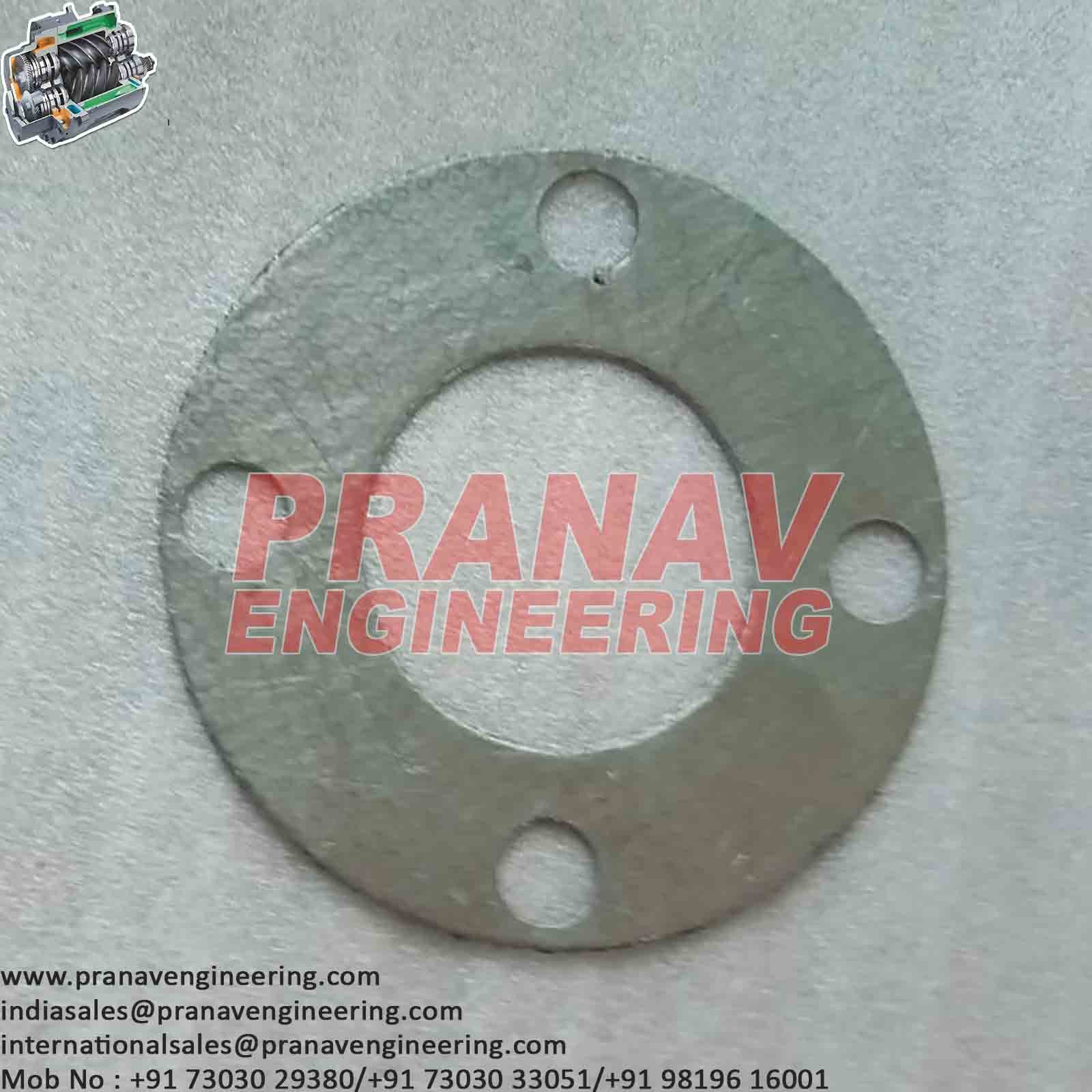
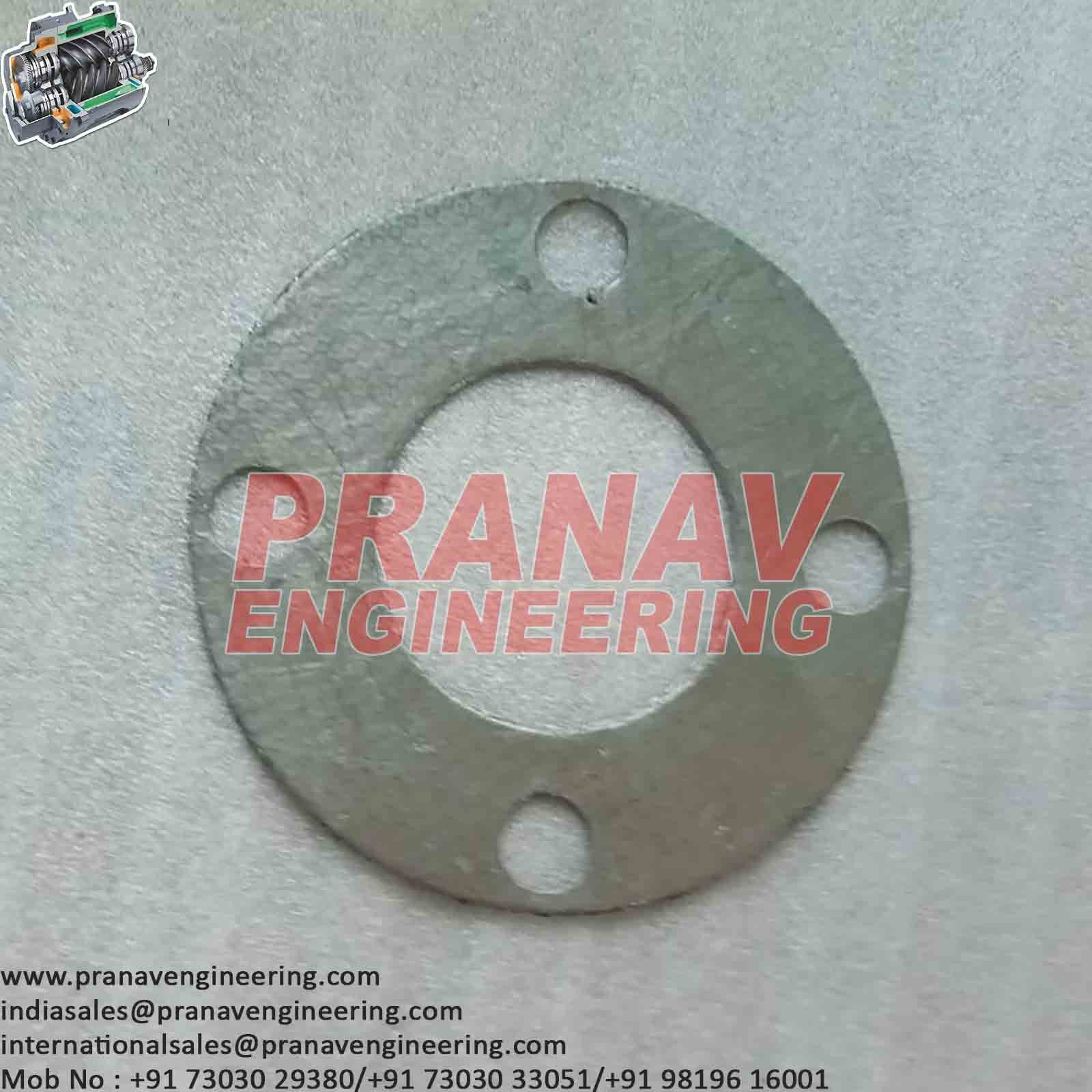
GASKET-39304993
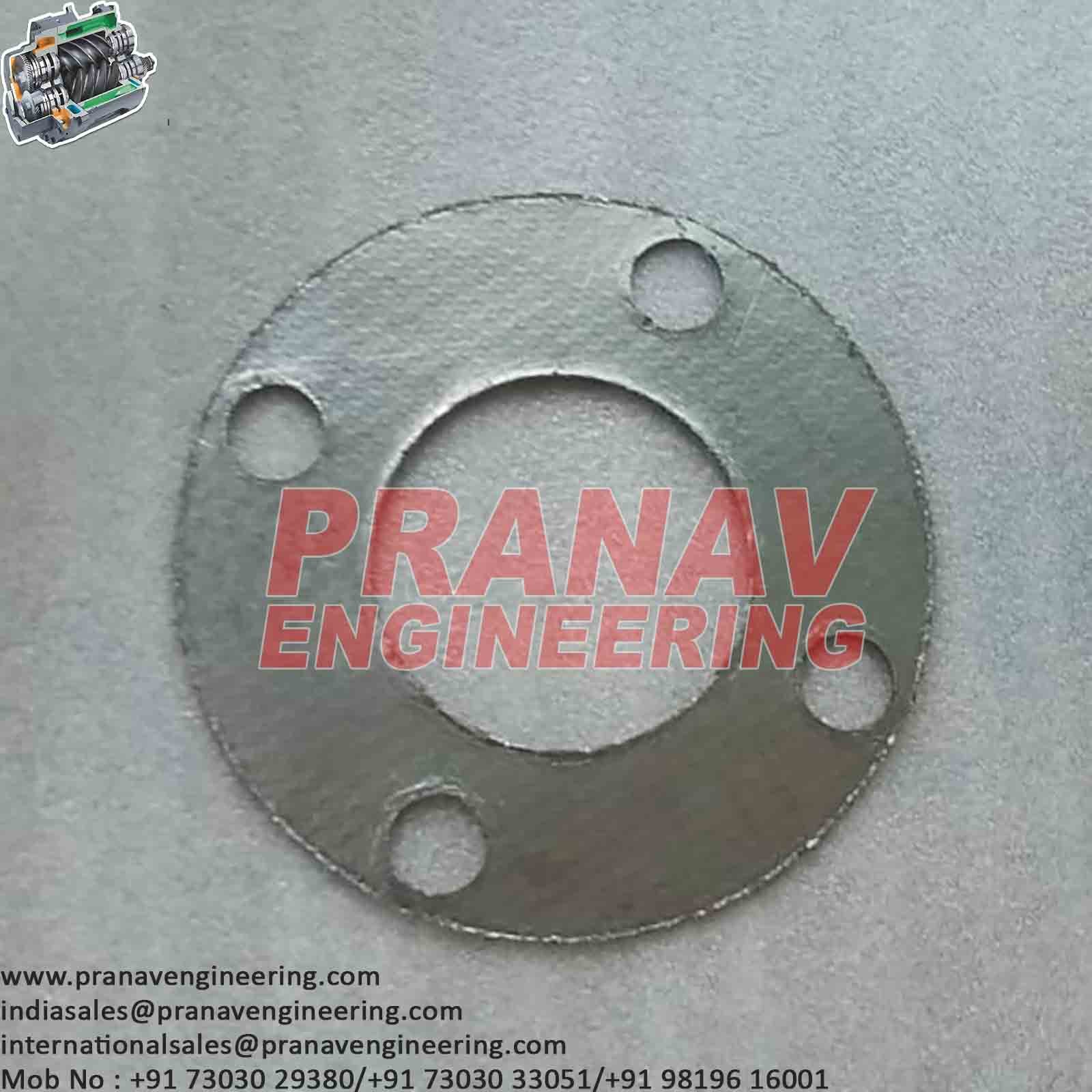
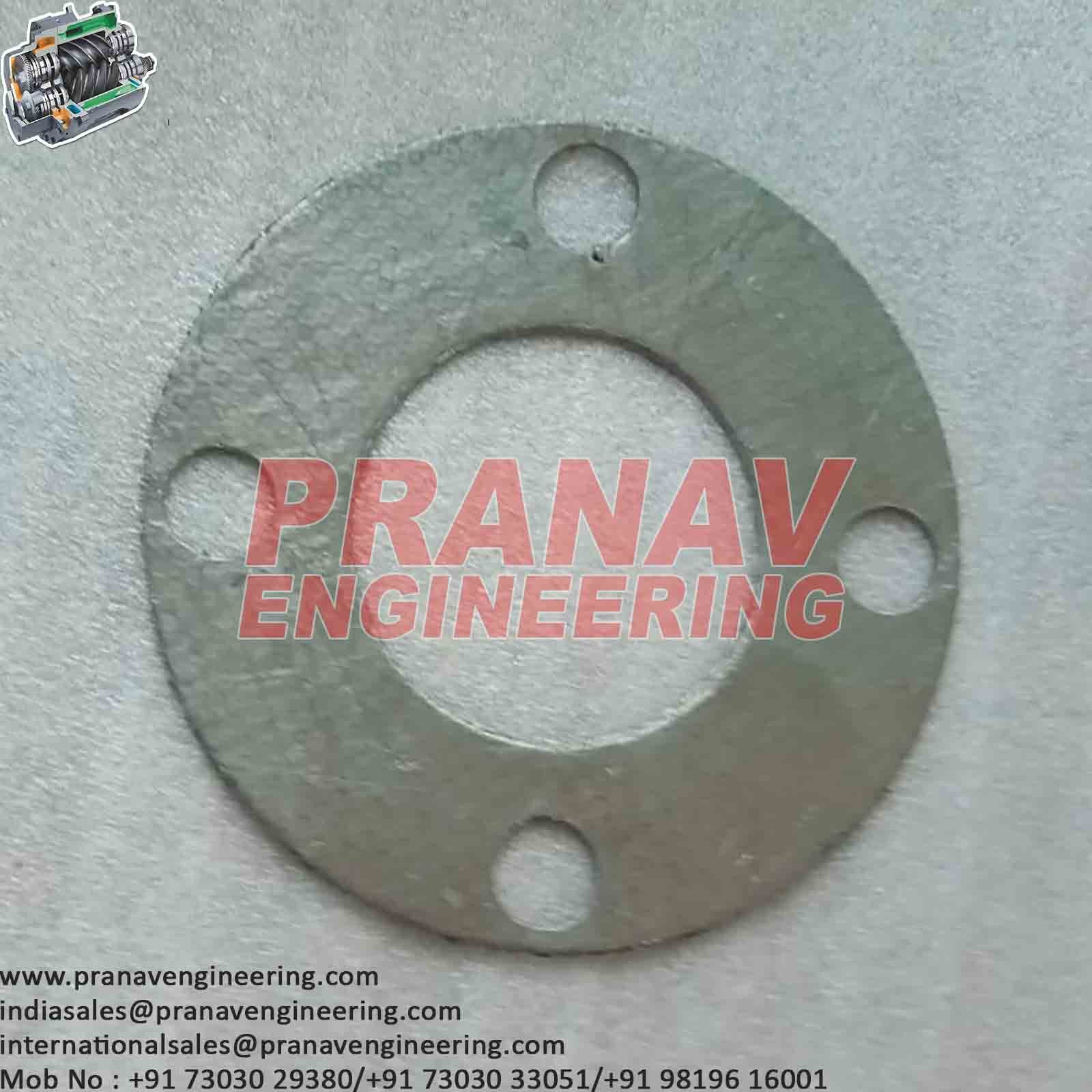
A gasket is an important sealing component used in a compressor to prevent leakage of air, gas, oil, or other fluids between two mating surfaces.
A gasket is an important sealing component used in a compressor to prevent leakage of air, gas, oil, or other fluids between two mating surfaces. It is generally installed between components such as cylinder heads, crankcases, flanges, covers, valves, and other joints where a reliable seal is required. Gaskets play a major role in maintaining compressor efficiency, safety, and reliable operation.
The main function of a compressor gasket is to fill small irregularities, scratches, and surface imperfections between two connected components. When the components are tightened together, the gasket is compressed and forms a tight seal. This prevents compressed air or gas from escaping and also prevents oil or other fluids from leaking into unwanted areas. Maintaining a proper seal is especially important because compressors operate under pressure and temperature variations.
Gaskets are manufactured from different materials depending on the compressor design and operating conditions. Common gasket materials include rubber, cork, paper-based materials, fiber, graphite, PTFE, copper, aluminum, and composite materials. Metal and graphite gaskets are generally selected for applications involving higher temperatures and pressures, while rubber and fiber-based gaskets may be used for less severe operating conditions. The material must be compatible with the compressed gas, lubricating oil, temperature, and pressure of the system.
A compressor gasket must have the correct thickness, shape, dimensions, and material specification. An incorrectly sized or damaged gasket can cause leakage and reduce compressor performance. During assembly, the mating surfaces should be clean and free from dirt, oil, rust, and old gasket material. The gasket should be positioned correctly, and the fasteners should be tightened according to the manufacturer’s recommended torque sequence and specifications. Excessive tightening can damage the gasket or mating surfaces, while insufficient tightening may result in leakage.
Common signs of gasket failure include air or gas leakage, oil leakage, unusual noise, reduced compressor pressure, overheating, and poor compression performance. In some cases, a damaged cylinder-head gasket can allow compressed gas to escape between the cylinder and head, resulting in a significant loss of efficiency. Regular inspection and timely replacement of worn or damaged gaskets can help prevent these problems.
The major advantages of using a proper gasket include effective sealing, prevention of fluid leakage, maintenance of pressure, protection of internal components, and improved compressor reliability. A good-quality gasket also helps reduce maintenance requirements and extend the service life of compressor components.
In conclusion, the gasket is a simple but essential component of a compressor system. It ensures a secure seal between mating surfaces and helps the compressor maintain the required pressure and operating conditions. Correct gasket selection, proper installation, and regular inspection are essential for safe, efficient, and reliable compressor operation.