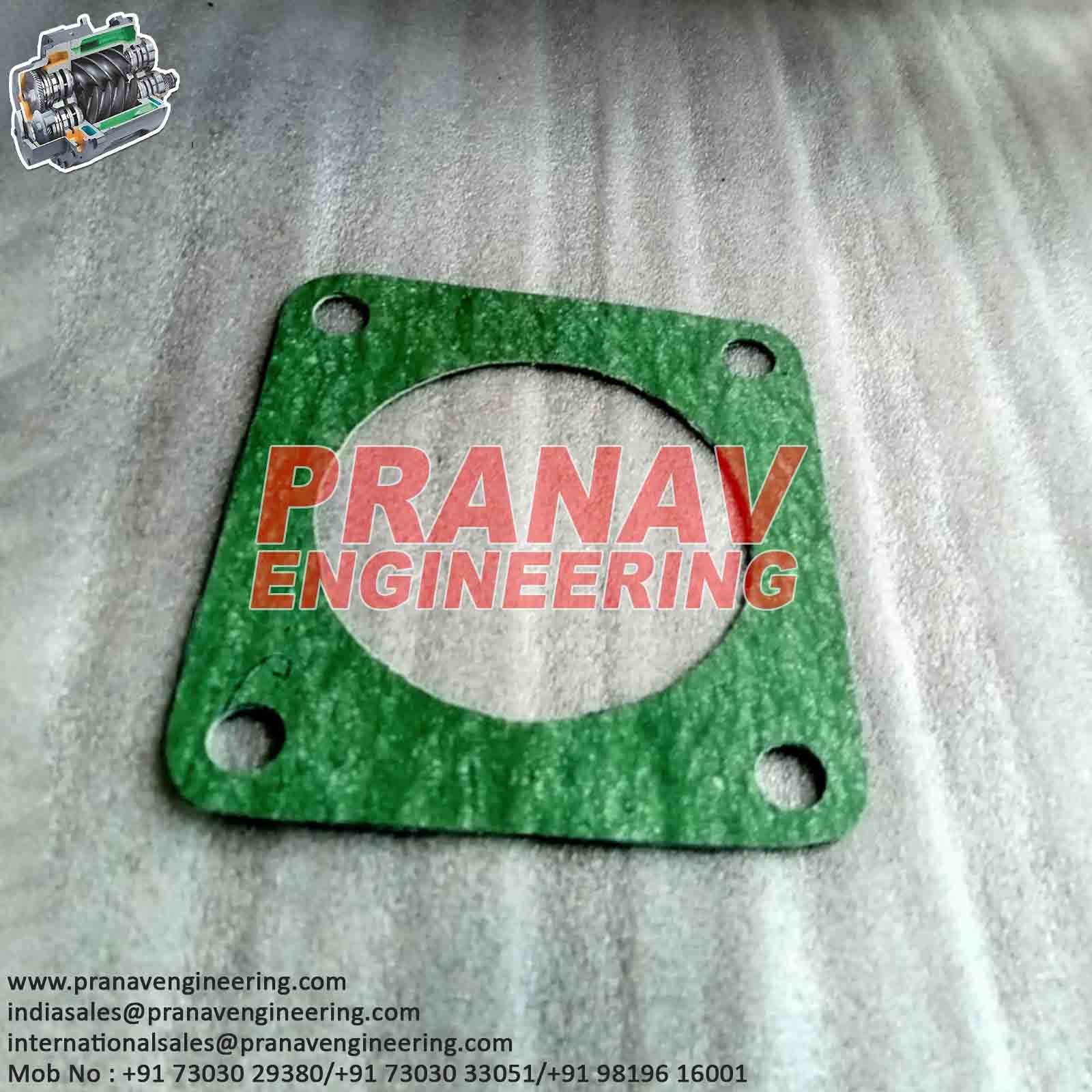
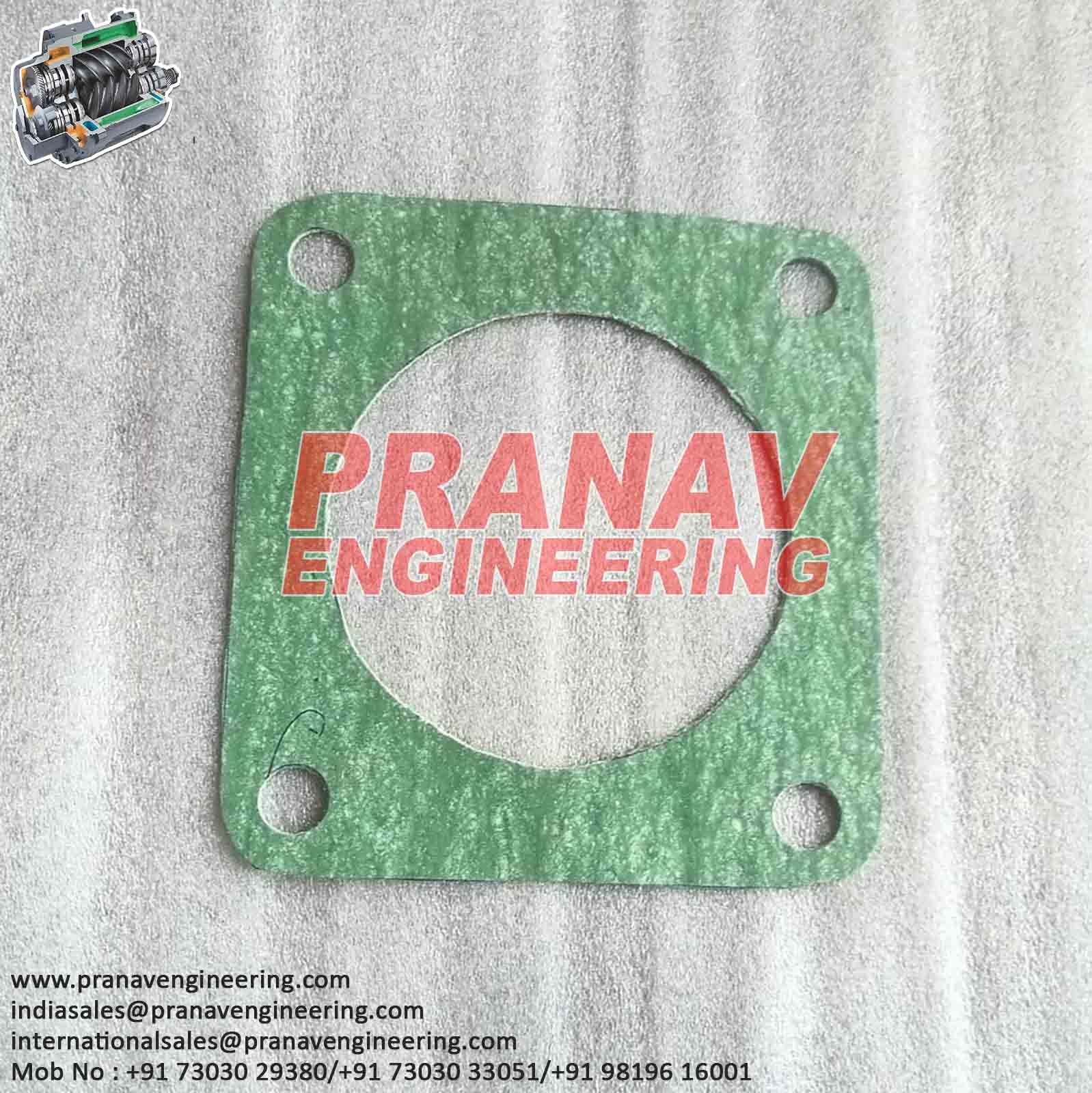
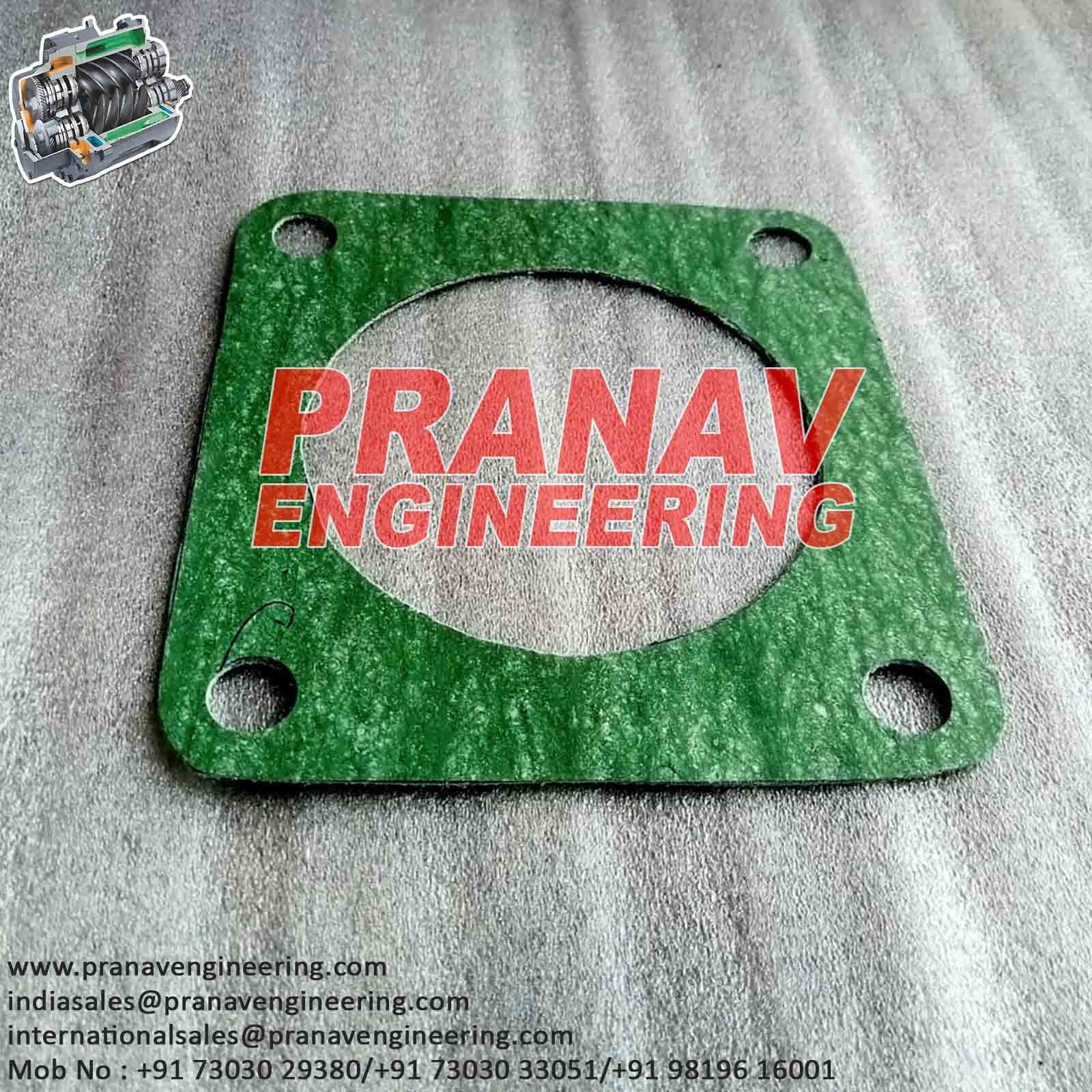
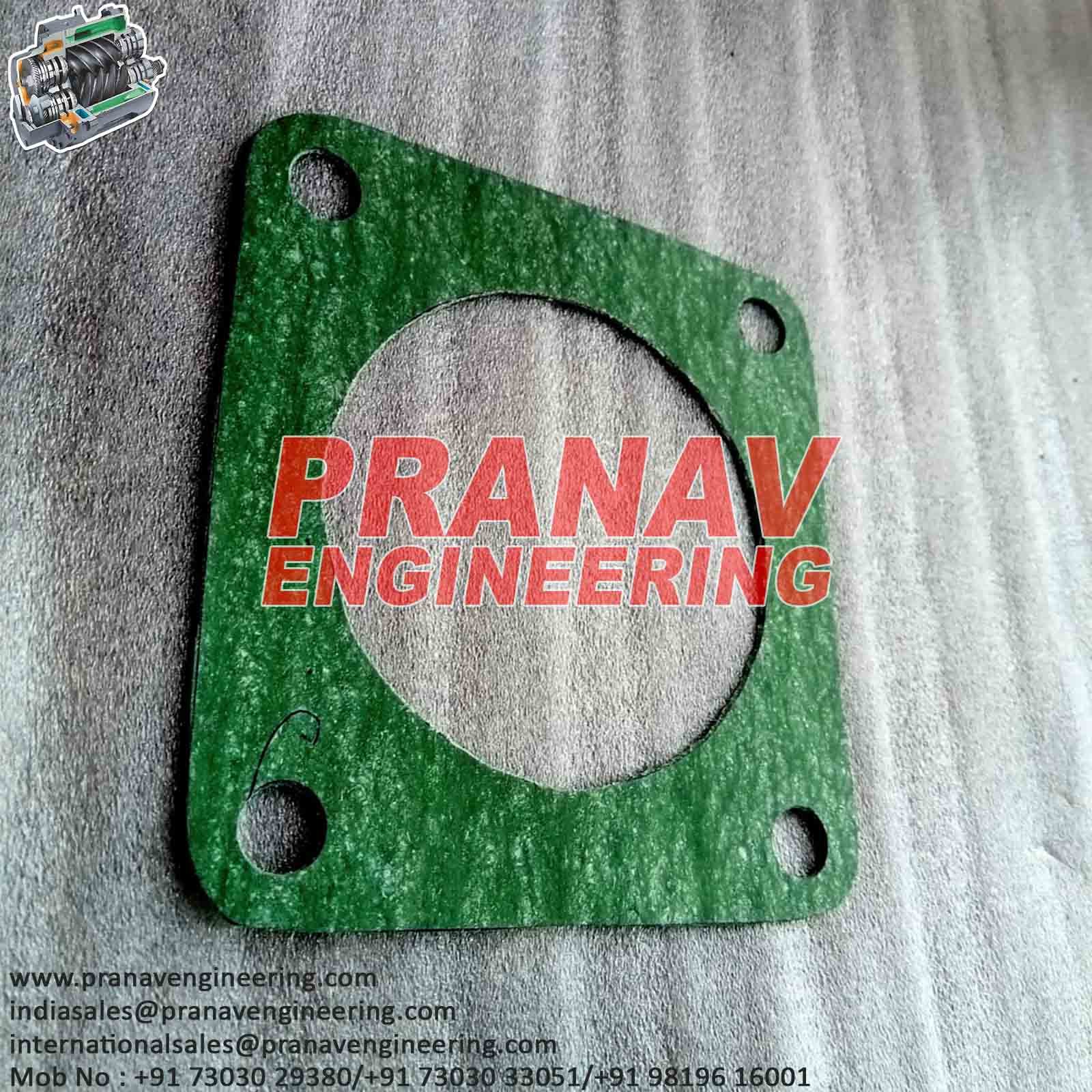
GASKET – 020495828A
A compressor gasket is a vital sealing component used in air compressors to prevent the leakage of air, oil, coolant, or gas between two mating surfaces.
A compressor gasket is a vital sealing component used in air compressors to prevent the leakage of air, oil, coolant, or gas between two mating surfaces. Although it is a relatively small part, the gasket plays a crucial role in maintaining the efficiency, safety, and reliability of compressor systems. It is commonly installed between cylinder heads, valve plates, crankcases, intercoolers, aftercoolers, and other connected components where a secure, leak-proof seal is required. By filling the microscopic gaps between metal surfaces, the gasket ensures that the compressor operates under the correct pressure and delivers consistent performance.
Compressor gaskets are manufactured from high-quality materials such as compressed fiber, graphite, PTFE (Teflon), rubber, metal, or multi-layer composite materials. The choice of material depends on the compressor type, operating temperature, pressure, and the fluid being sealed. These materials provide excellent resistance to heat, pressure, oil, chemicals, and mechanical stress, ensuring long service life even in demanding industrial environments.
One of the primary functions of a compressor gasket is to maintain airtight sealing, preventing compressed air or gas from escaping during operation. Air leaks can significantly reduce compressor efficiency, increase power consumption, and cause pressure drops throughout the system. A properly installed gasket helps maintain optimum compression, reducing energy losses and improving the overall productivity of the compressor.
In oil-lubricated compressors, gaskets also prevent oil leakage, ensuring proper lubrication of internal components while keeping the surrounding work environment clean and safe. They help protect bearings, pistons, valves, and other moving parts from premature wear caused by insufficient lubrication or contamination.
Compressor gaskets are designed with precise dimensions and accurately positioned bolt holes to ensure easy installation and perfect alignment with the equipment. High-quality gaskets resist compression set, vibration, and thermal expansion, maintaining their sealing performance even after prolonged operation. This reliability minimizes maintenance requirements and reduces unexpected equipment downtime.
These gaskets are widely used in reciprocating compressors, rotary screw compressors, centrifugal compressors, piston compressors, industrial gas compressors, refrigeration compressors, and HVAC systems. They are suitable for industries including manufacturing, automotive, food processing, pharmaceuticals, chemical plants, mining, power generation, construction, and oil & gas.
Regular inspection and timely replacement of worn or damaged gaskets are essential for maintaining compressor performance and preventing costly failures. Using OEM-quality or premium replacement gaskets ensures proper sealing, extends equipment life, and supports efficient operation. Overall, a compressor gasket is an indispensable sealing component that enhances system reliability, improves energy efficiency, reduces leakage, and contributes to the smooth, safe, and long-lasting operation of industrial compressor equipment.