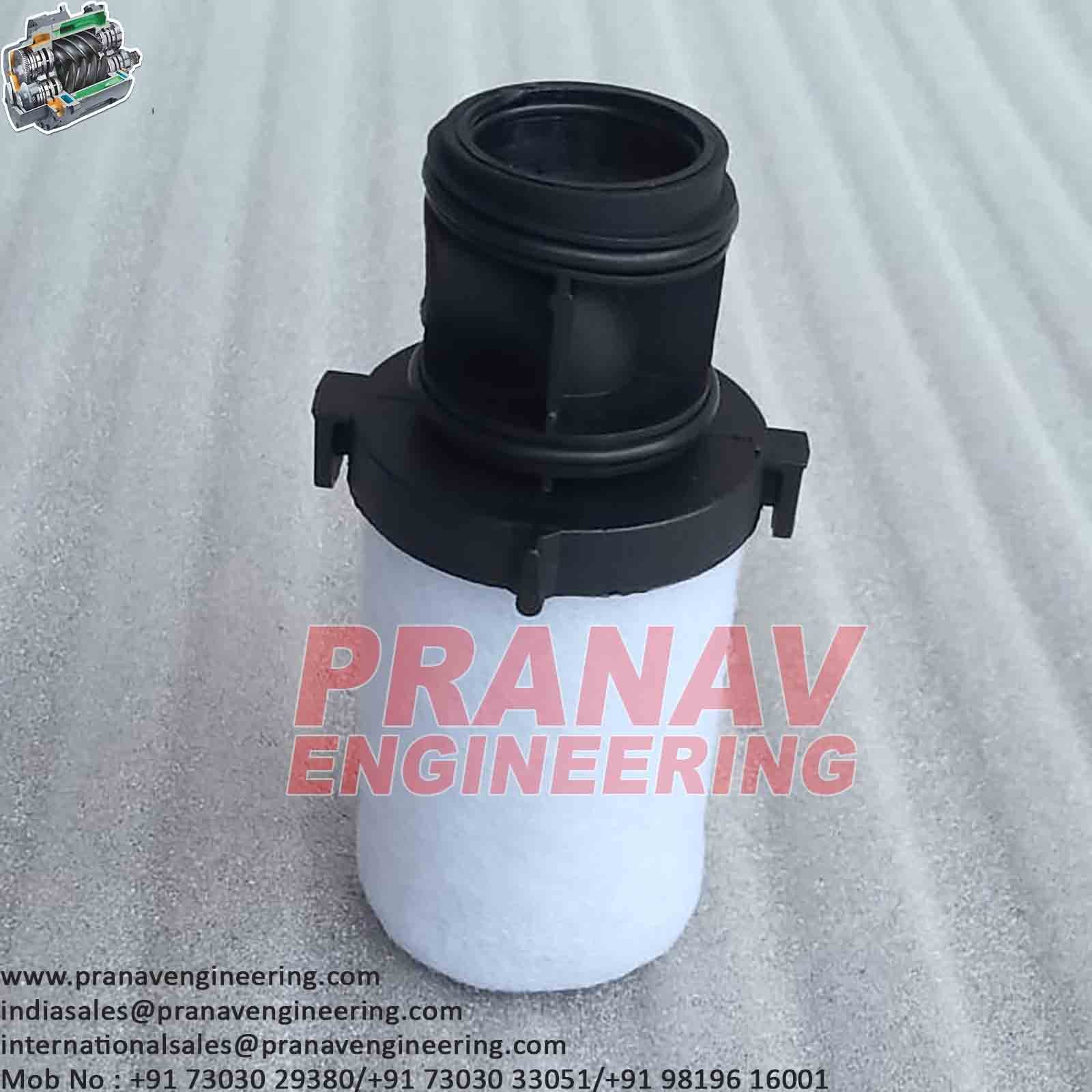
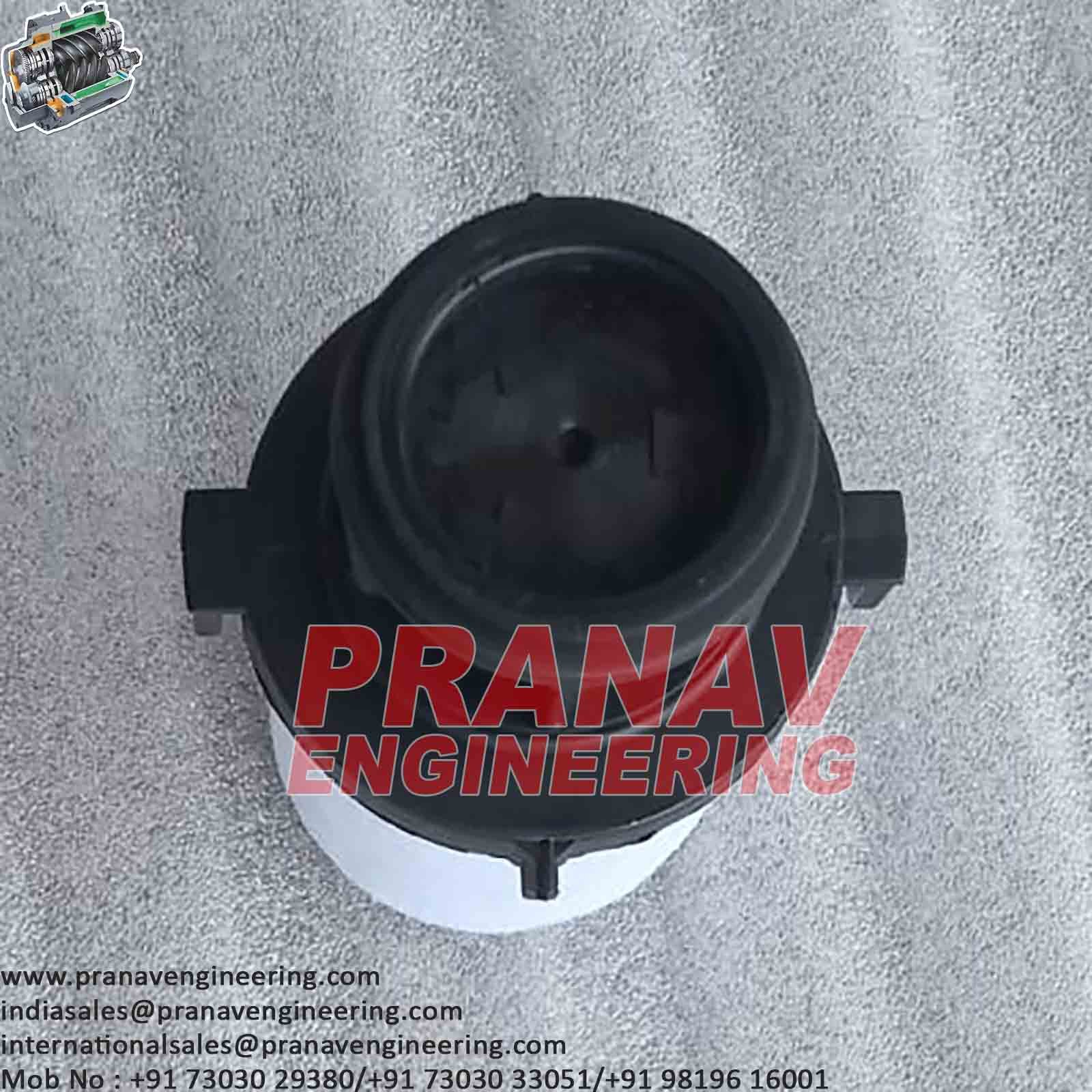
FILTER ELEMENT-02250153-289
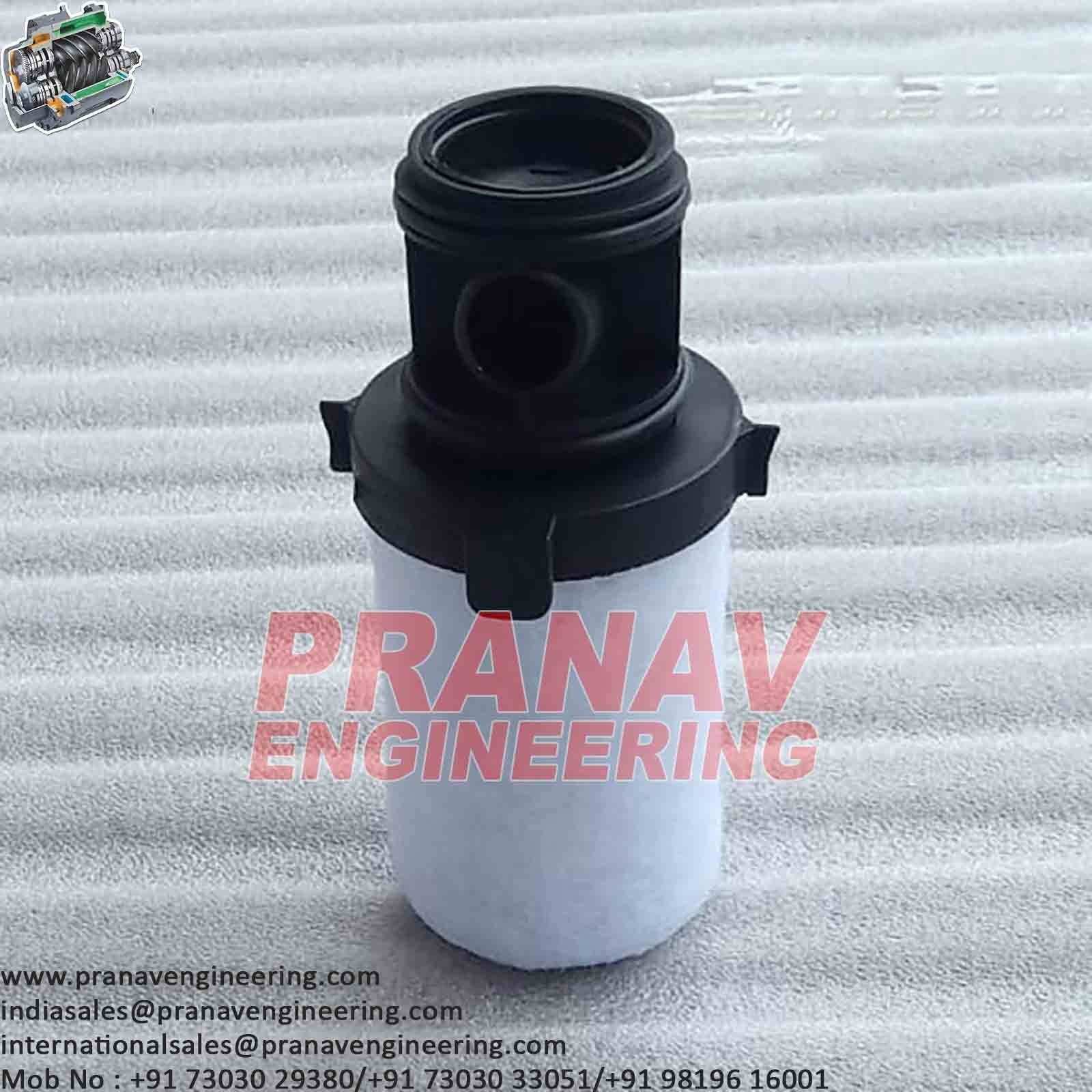
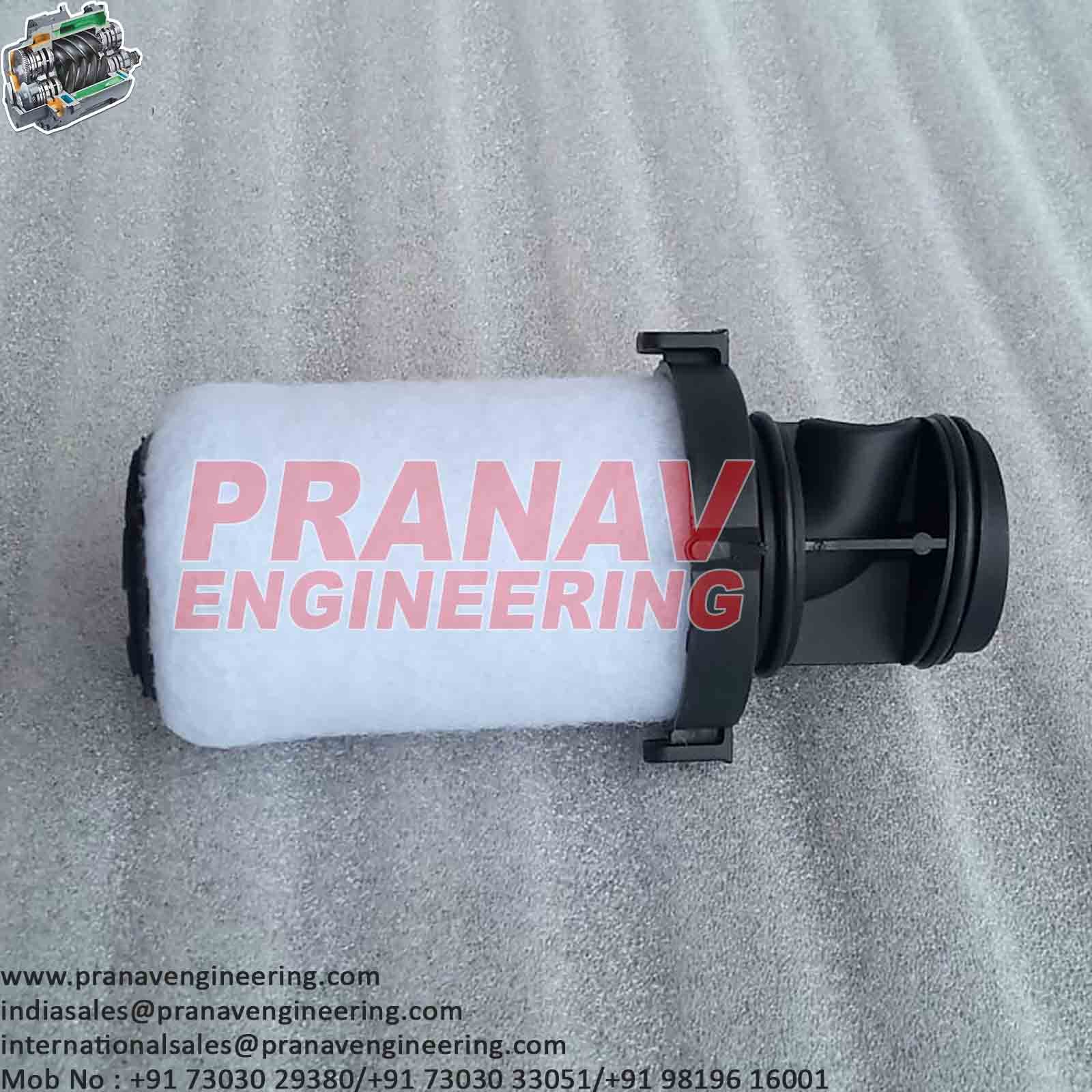
A typical compressor filter element consists of a filtration medium supported by an inner or outer perforated structure.
A Filter Element used in a compressor is an important filtration component designed to remove dust, dirt, oil particles, moisture, and other contaminants from air, gas, or lubrication systems. It helps protect critical compressor components from contamination and supports efficient, reliable, and continuous compressor operation. Filter elements are commonly used in air intake systems, oil filtration circuits, and other process-fluid filtration applications depending on the compressor design.
The main purpose of a Filter Element is to ensure that the medium entering or circulating through the compressor is sufficiently clean for safe operation. Contaminated air or gas can introduce abrasive particles into the compressor, resulting in wear of cylinders, pistons, valves, bearings, seals, and other internal components. Similarly, contaminated lubricating oil can reduce lubrication performance and accelerate component wear. The filter element acts as a barrier that captures unwanted particles before they can reach sensitive components.
A typical compressor filter element consists of a filtration medium supported by an inner or outer perforated structure. The filter media may be manufactured from cellulose, synthetic fibers, microglass, metal mesh, or other materials suitable for the specific application. End caps, sealing gaskets, O-rings, and supporting components may also be incorporated to ensure proper installation and prevent unfiltered fluid from bypassing the filtration medium.
During operation, contaminated air, gas, or oil flows through the filter element. The filtration medium captures particles and contaminants while allowing the cleaned medium to pass through. As contaminants accumulate, the pressure drop across the filter gradually increases. Excessive pressure drop can restrict flow and reduce compressor efficiency, so the filter element must be inspected and replaced at the recommended service interval.
Replacement of the Filter Element should be carried out according to the compressor manufacturer’s maintenance instructions. Before replacement, the compressor should be safely isolated and depressurized where applicable. The filter housing is opened, and the used element is carefully removed. The housing, sealing surfaces, and associated components should be cleaned and inspected for damage. The new filter element is then installed in the correct orientation, ensuring that all seals are properly seated. After reassembly, the system should be checked for leakage and correct operation.
Regular replacement of the filter element provides several benefits, including improved air or oil cleanliness, reduced component wear, stable compressor performance, improved energy efficiency, and extended equipment service life. Using an incorrect or damaged filter element can result in contamination, excessive pressure drop, leakage, or inadequate filtration.
Overall, the Filter Element is a vital maintenance component in a compressor system. By continuously removing harmful contaminants from the working medium, it helps protect internal components, maintain proper flow conditions, improve operational reliability, and reduce unplanned maintenance and downtime. Proper selection, installation, inspection, and timely replacement of the filter element are therefore essential for efficient and dependable compressor operation.