
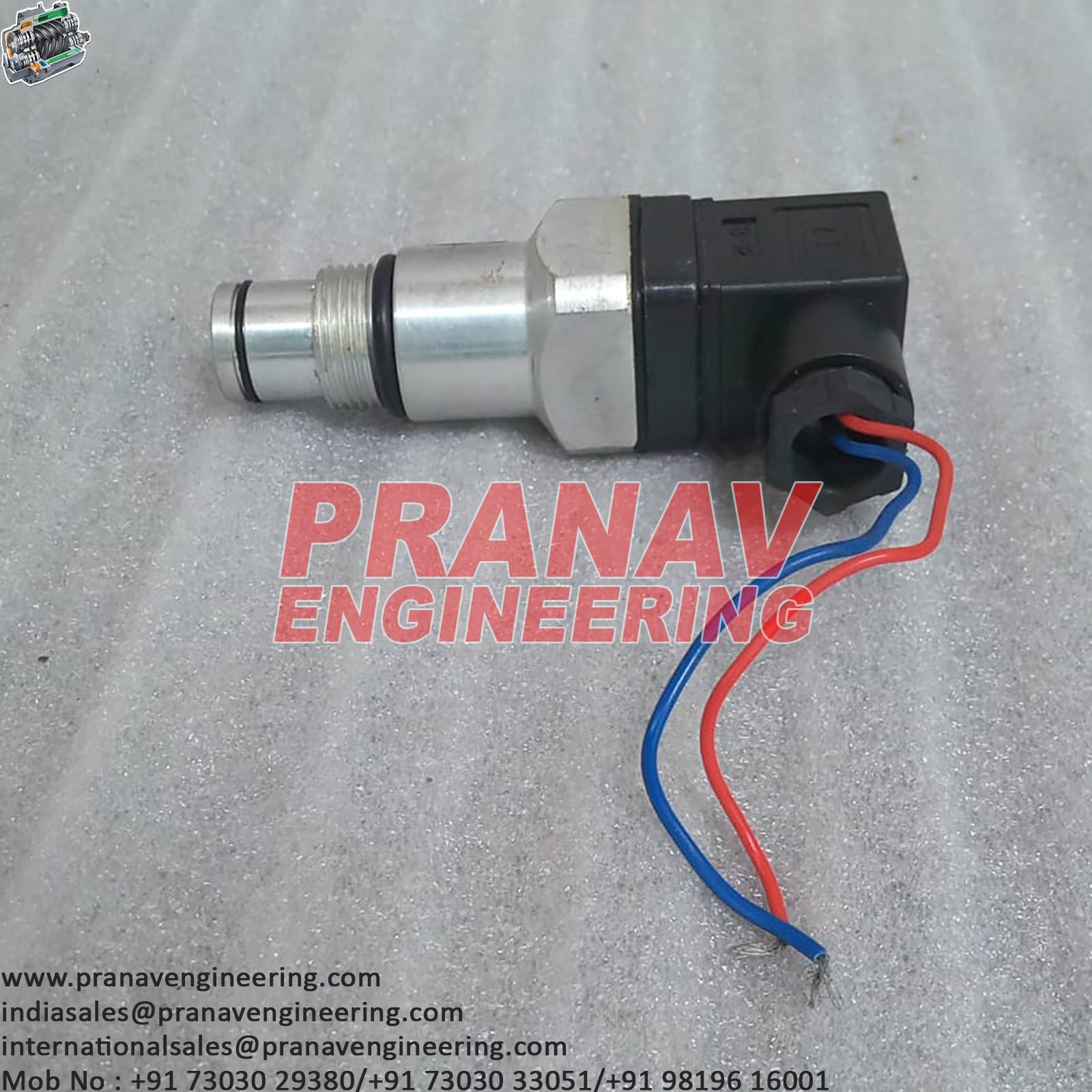
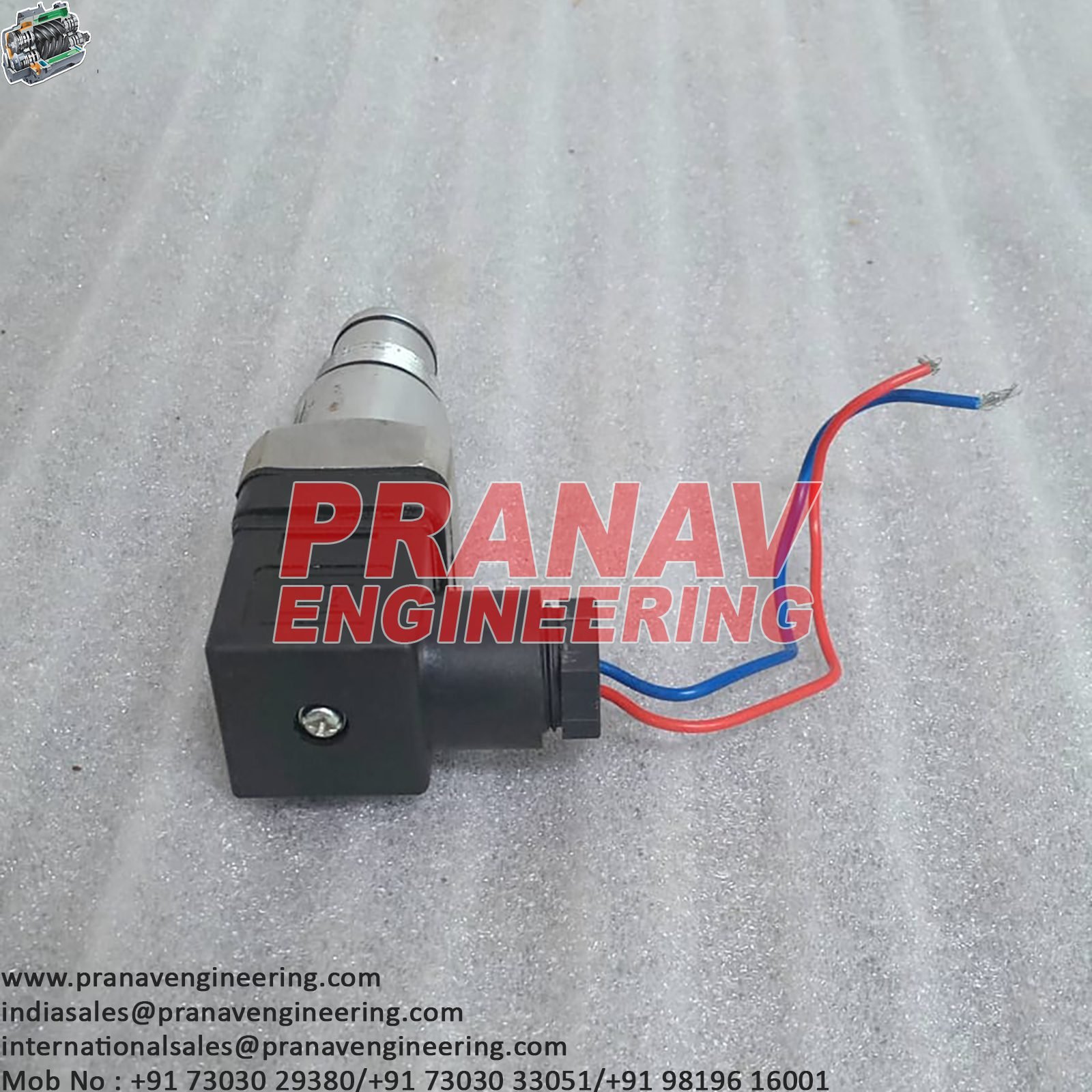
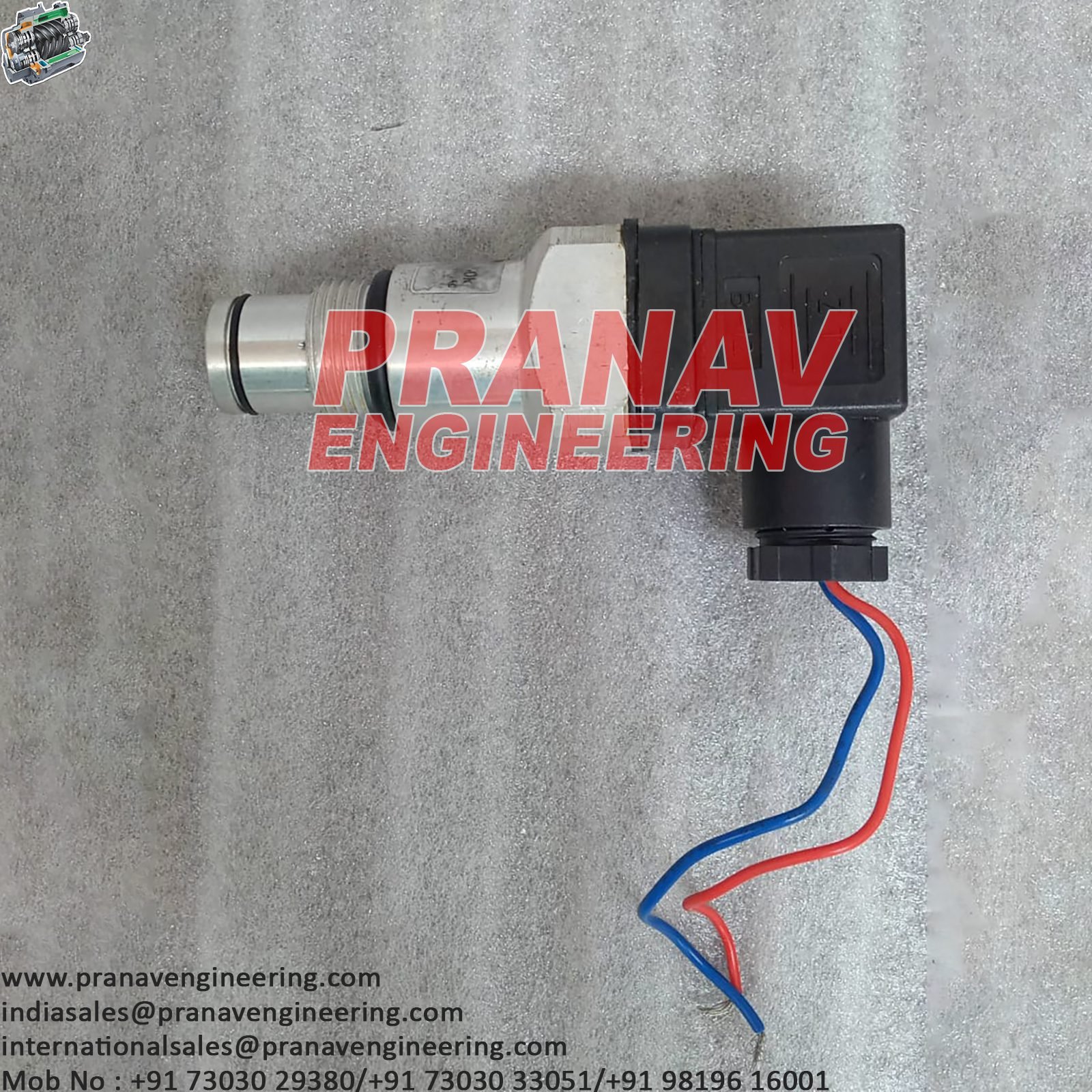
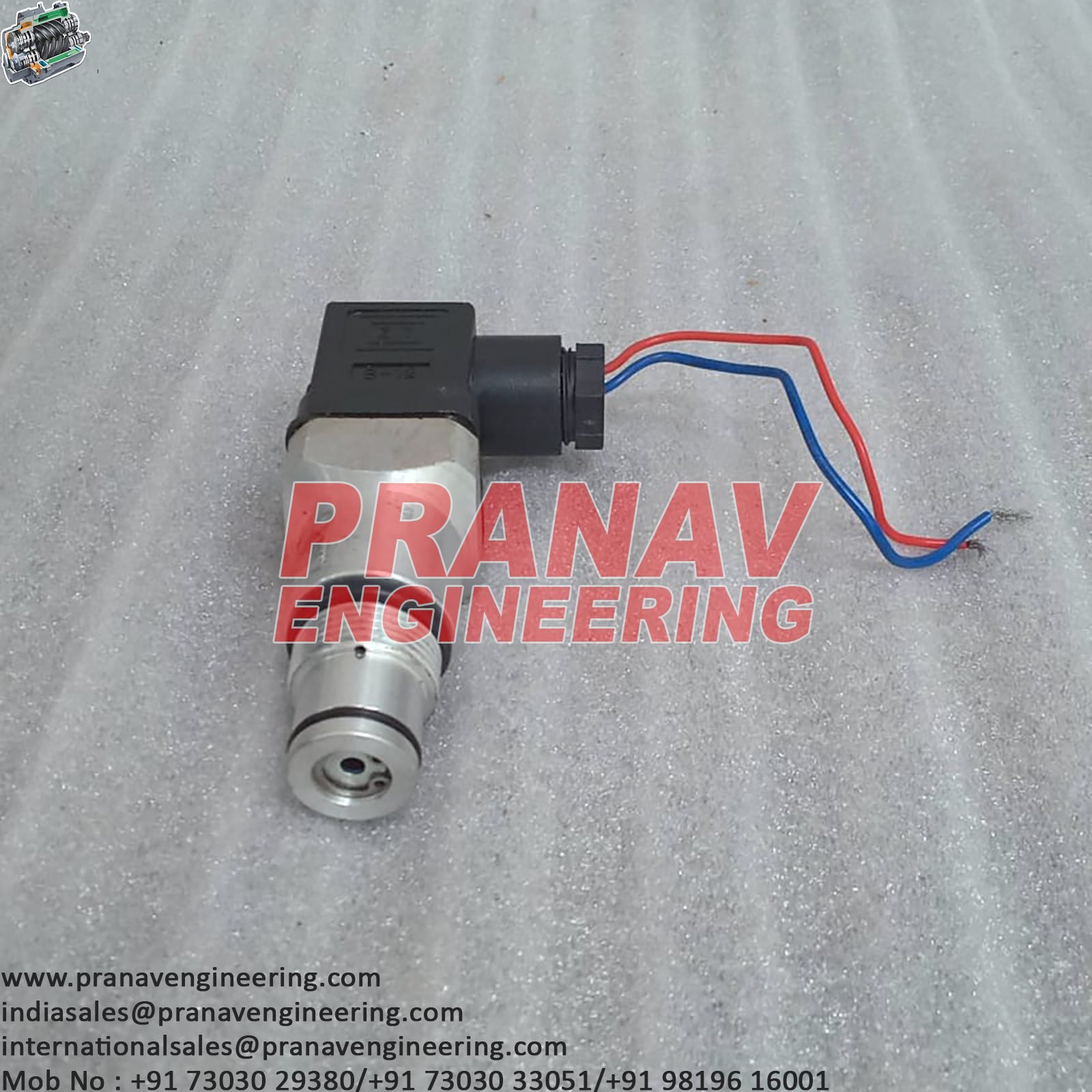
DIFF PRESSURE TRANSDUCER-2205460800
It supports predictive maintenance programs by providing real-time performance data and early warning indications.
A Differential Pressure Transducer for compressors is an important sensing device used in industrial air compressor systems to measure the pressure difference between two points within the system. It helps monitor compressor performance, filter condition, airflow efficiency, and overall system reliability. By continuously detecting pressure variations, the differential pressure transducer supports efficient compressor operation and prevents performance losses.
In compressor applications, pressure differences often occur across air filters, oil separators, heat exchangers, dryers, and piping systems. The transducer converts these pressure variations into an electrical signal that can be monitored by the compressor controller or automation system. This data allows operators to identify issues such as clogged filters, restricted airflow, or abnormal operating conditions before they lead to equipment failure.
A differential pressure transducer generally consists of sensing elements, pressure ports, an electronic processing circuit, and an output module. The device measures pressure from two separate points and calculates the difference between them. The resulting signal may be transmitted as analog outputs such as 4–20 mA or voltage signals, depending on system requirements.
In air compressor systems, one of the primary applications is monitoring filter contamination. As air filters collect dust and particles, resistance increases, causing a rise in differential pressure. The transducer detects this increase and provides an alert for maintenance or filter replacement. This prevents compressor inefficiency and reduces energy consumption.
Oil-injected compressors also utilize differential pressure transducers to monitor oil separator performance. A blocked or deteriorated separator can increase pressure drop, affecting compressor efficiency and operating costs. Continuous monitoring ensures proper maintenance scheduling and extends component life.
Modern differential pressure transducers are designed with durable materials to withstand harsh industrial environments, temperature fluctuations, vibration, and exposure to compressed air systems. Many models feature compact construction, high accuracy, long-term stability, and resistance to corrosion.
Using a differential pressure transducer in compressor installations improves system reliability, minimizes downtime, reduces maintenance expenses, and enhances operational efficiency. It supports predictive maintenance programs by providing real-time performance data and early warning indications.
Industries such as manufacturing, automotive, food processing, pharmaceuticals, power generation, and industrial automation commonly rely on differential pressure transducers within compressor systems to maintain optimal performance.
A high-quality differential pressure transducer is therefore an essential component for ensuring compressor efficiency, equipment protection, and long-term operational stability in demanding industrial applications.