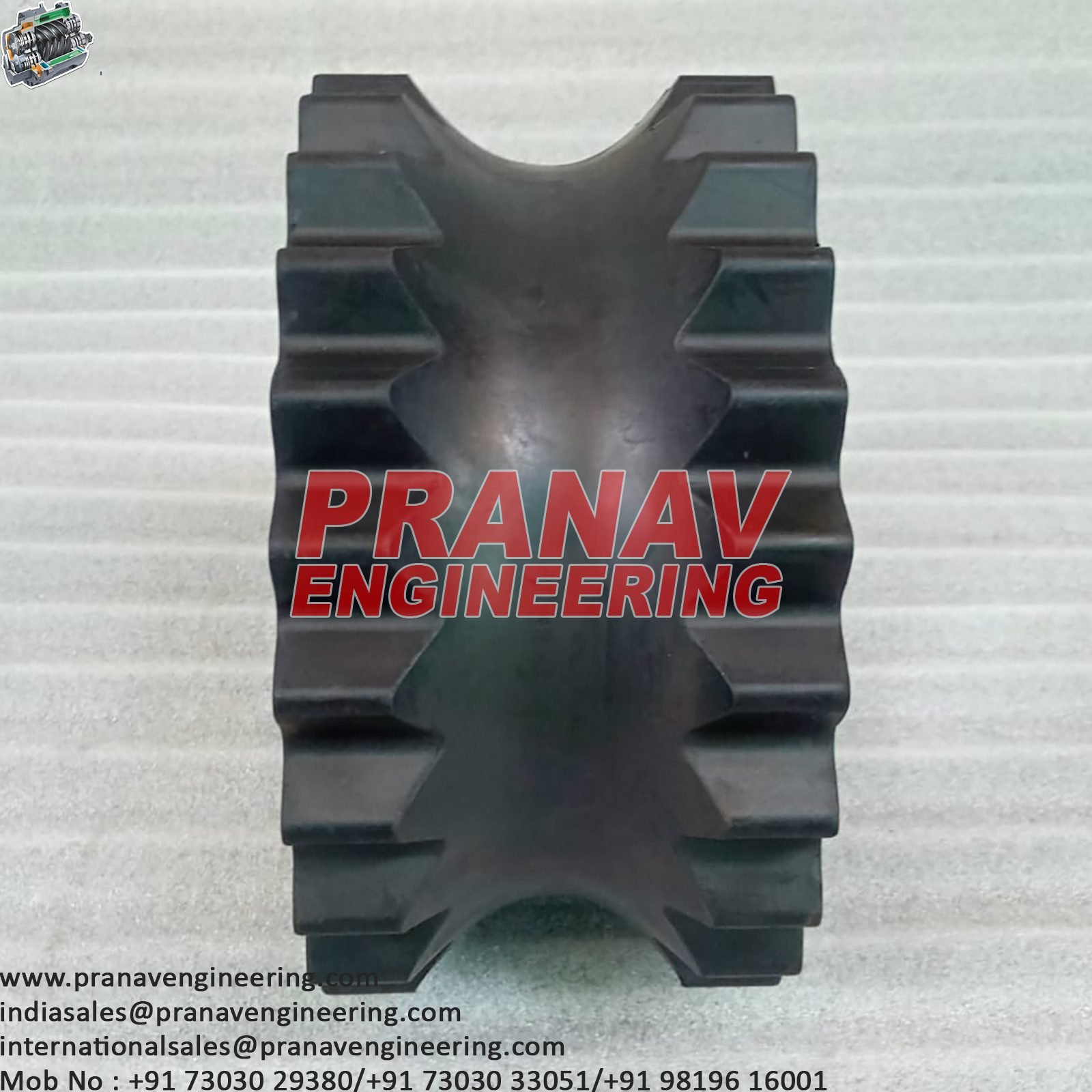
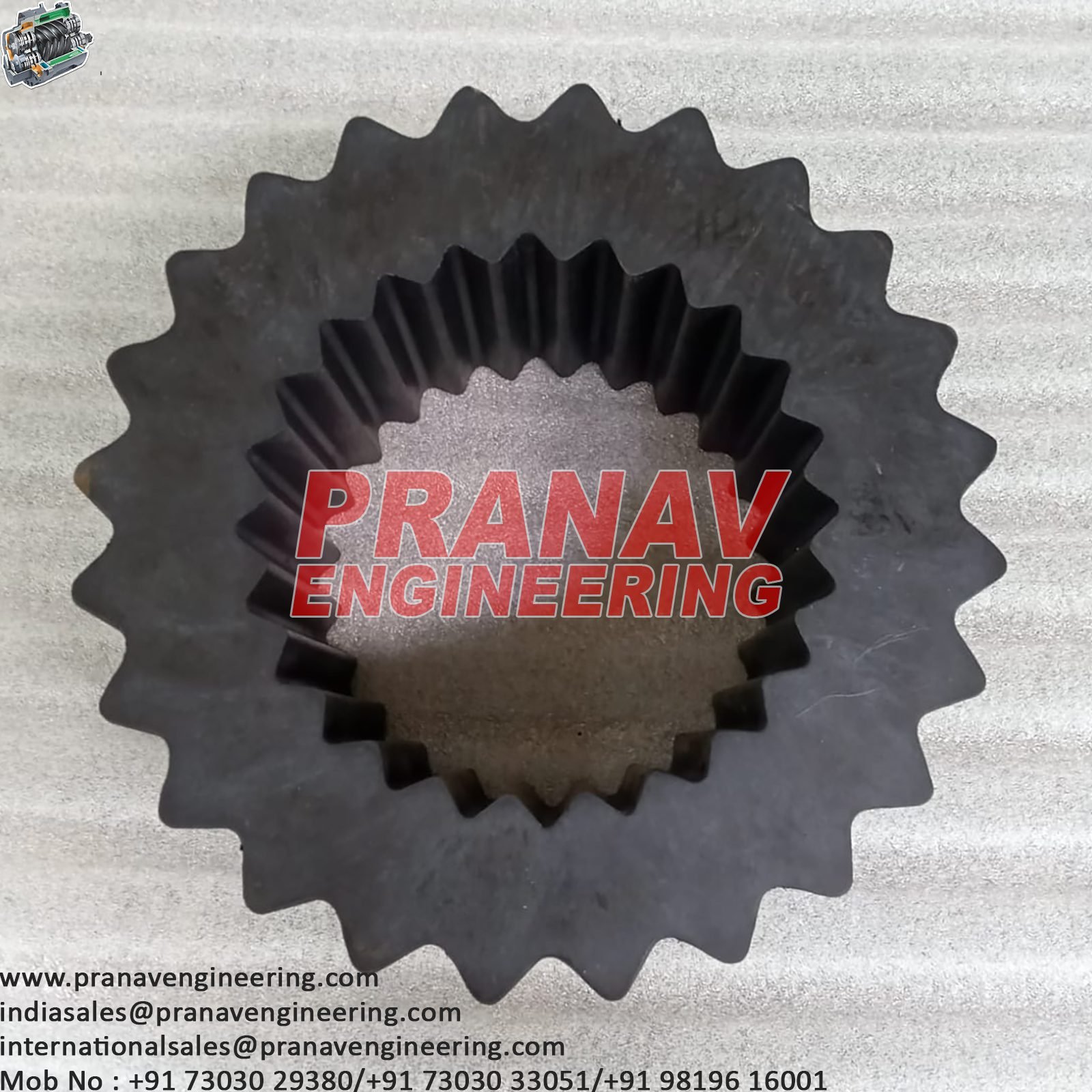
COUPLING ELEMENT-1613949900
Replacing damaged coupling elements helps prevent shaft damage, unexpected breakdowns, and costly repairs.
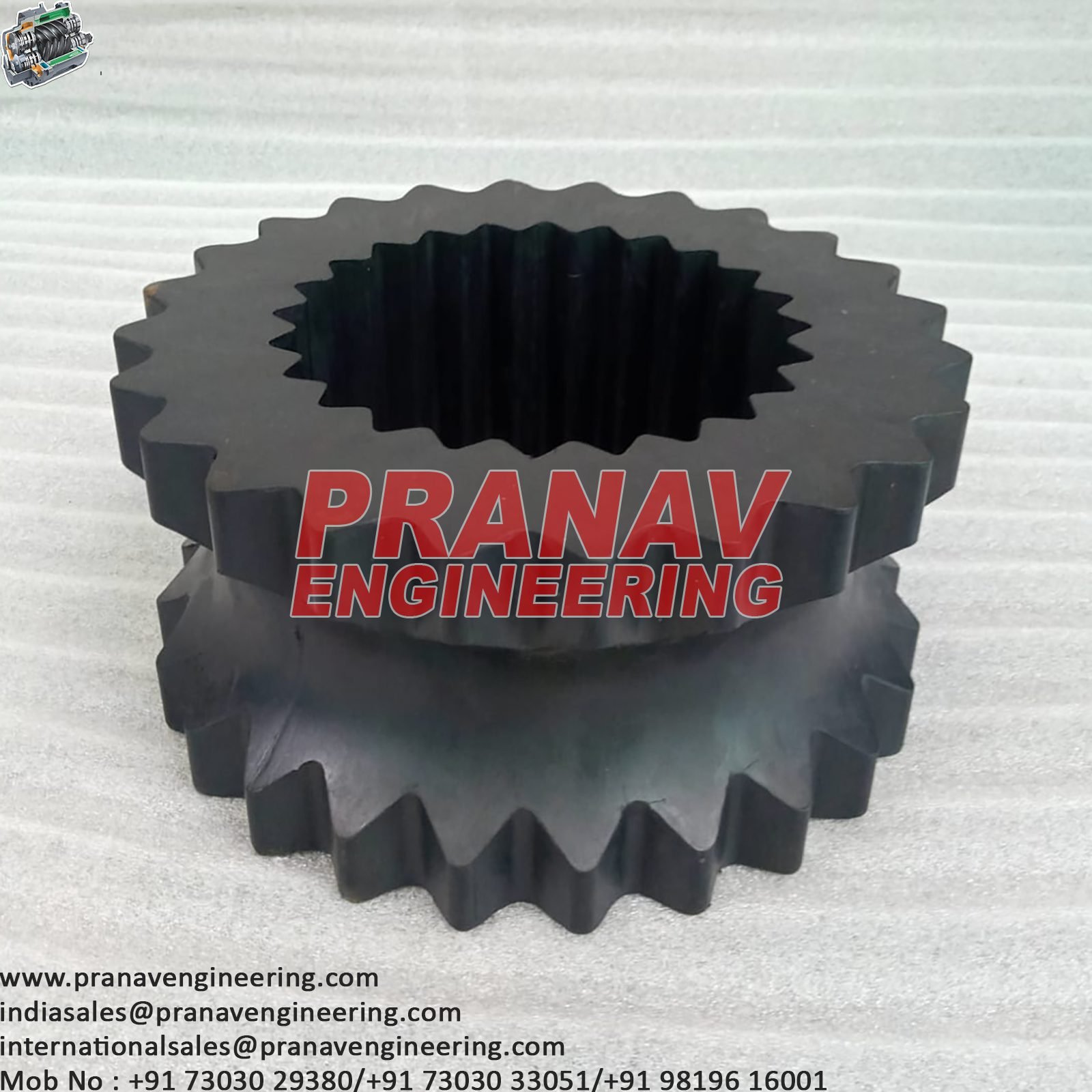
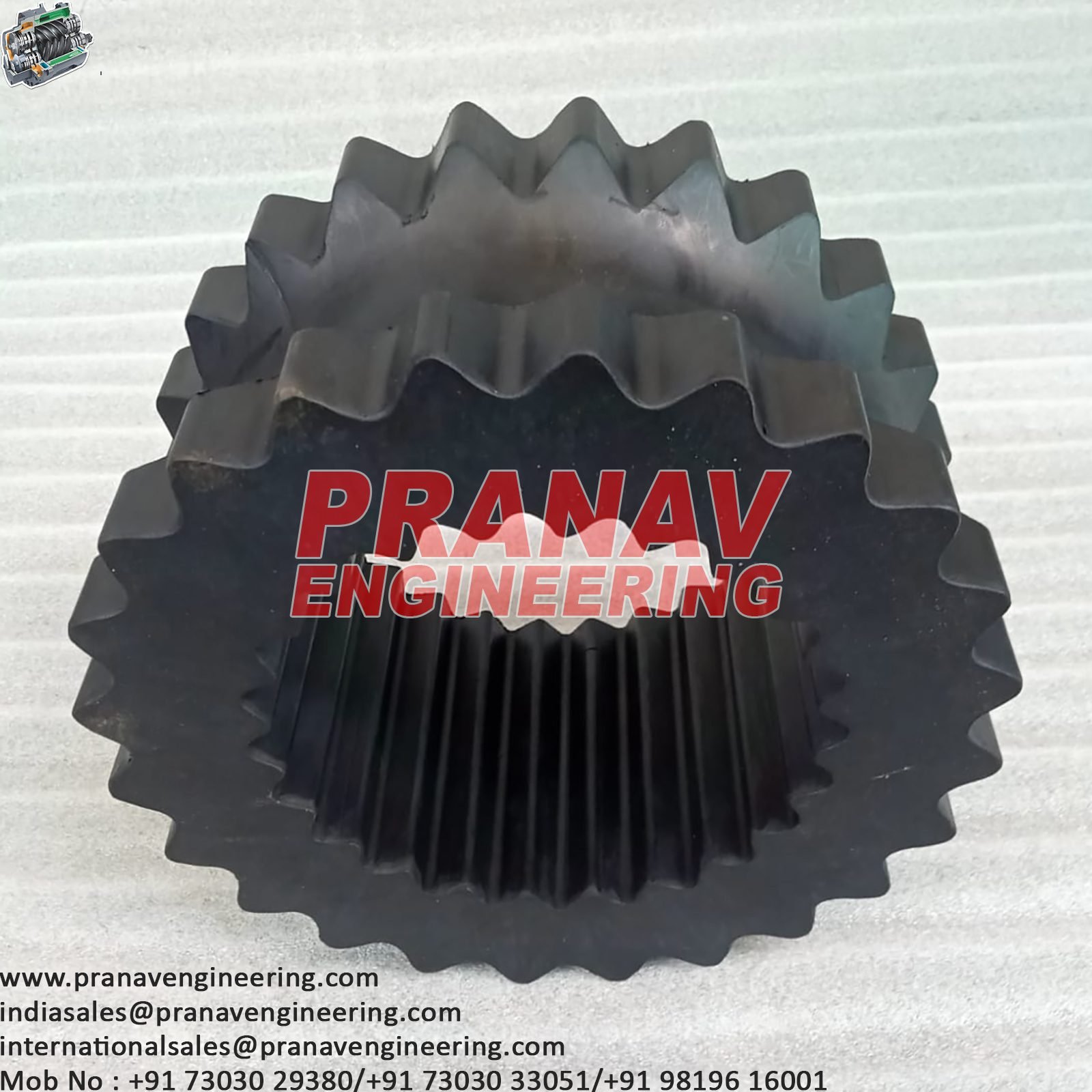
A compressor coupling element is a critical mechanical component used in air compressors and industrial compressor systems to connect the driving motor shaft to the compressor shaft. Its primary function is to transmit rotational power efficiently while minimizing vibration, reducing shock loads, and compensating for slight shaft misalignments. Coupling elements play an essential role in maintaining the smooth operation, reliability, and long service life of compressor equipment across manufacturing plants, automotive industries, food processing facilities, pharmaceuticals, and heavy industrial applications.
The coupling element is generally manufactured using high-quality materials such as polyurethane, rubber, elastomers, or specially engineered flexible compounds designed to withstand continuous operational stress. These materials provide excellent resistance to wear, heat, oil contamination, and mechanical fatigue. The flexibility of the coupling element allows it to absorb sudden torque fluctuations and operational vibrations, protecting sensitive compressor components from unnecessary strain.
In compressor systems, shaft alignment is crucial for efficient performance. Even minor misalignment between the motor and compressor shafts can cause excessive vibration, increased bearing wear, and energy losses. A coupling element helps compensate for angular, parallel, and axial misalignment, ensuring consistent power transmission while reducing maintenance requirements.
One of the major advantages of using a high-quality compressor coupling element is vibration damping. Industrial compressors often operate under demanding conditions where vibration and mechanical shock can negatively affect equipment lifespan. The coupling element acts as a buffer, absorbing these forces and helping maintain quieter and smoother machine operation.
Durability is another significant feature. Modern compressor coupling elements are engineered to perform under high-speed and high-torque conditions while maintaining dimensional stability. They are designed for extended service intervals, minimizing downtime and improving productivity in industrial environments.
Routine inspection and timely replacement of worn coupling elements are important maintenance practices. Over time, coupling materials may degrade due to continuous mechanical stress, temperature exposure, or contamination. Replacing damaged coupling elements helps prevent shaft damage, unexpected breakdowns, and costly repairs.
Compressor coupling elements are widely used in rotary screw compressors, piston compressors, centrifugal compressors, and various industrial air systems. Selecting the correct coupling element according to compressor specifications ensures maximum efficiency and operational safety.
Overall, the compressor coupling element serves as a vital power transmission component that enhances compressor reliability, reduces mechanical stress, improves efficiency, and contributes to the long-term performance of industrial compressor systems.