

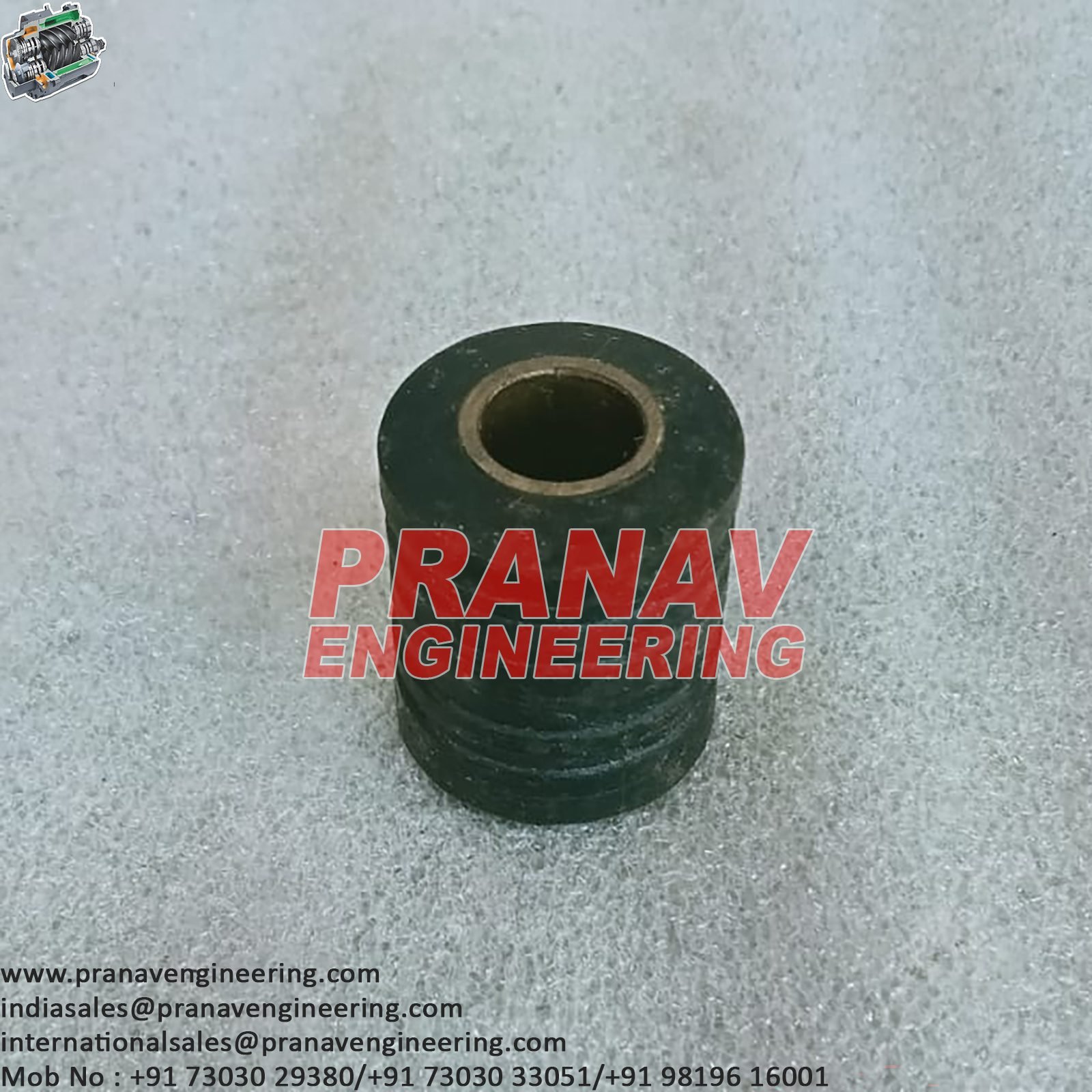
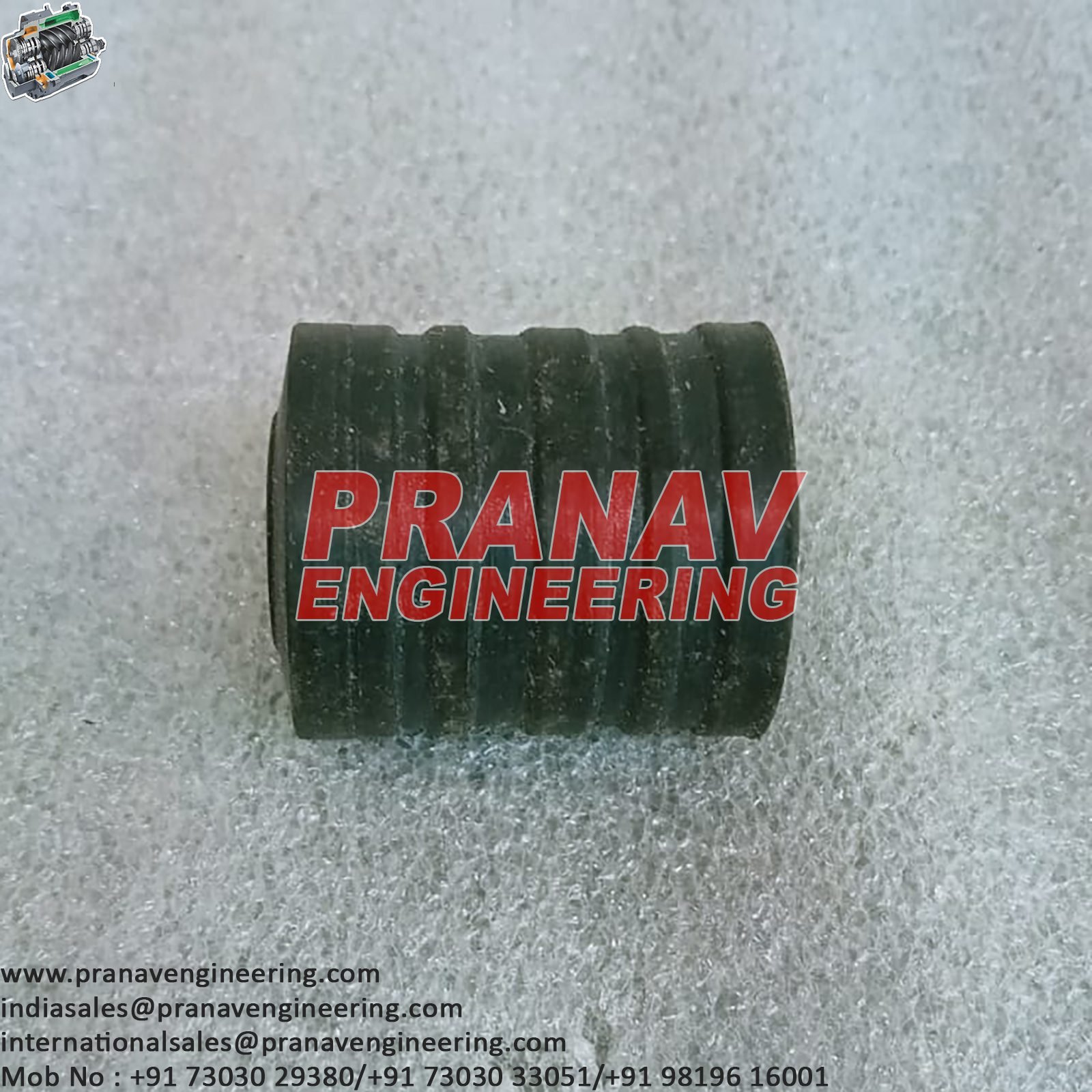
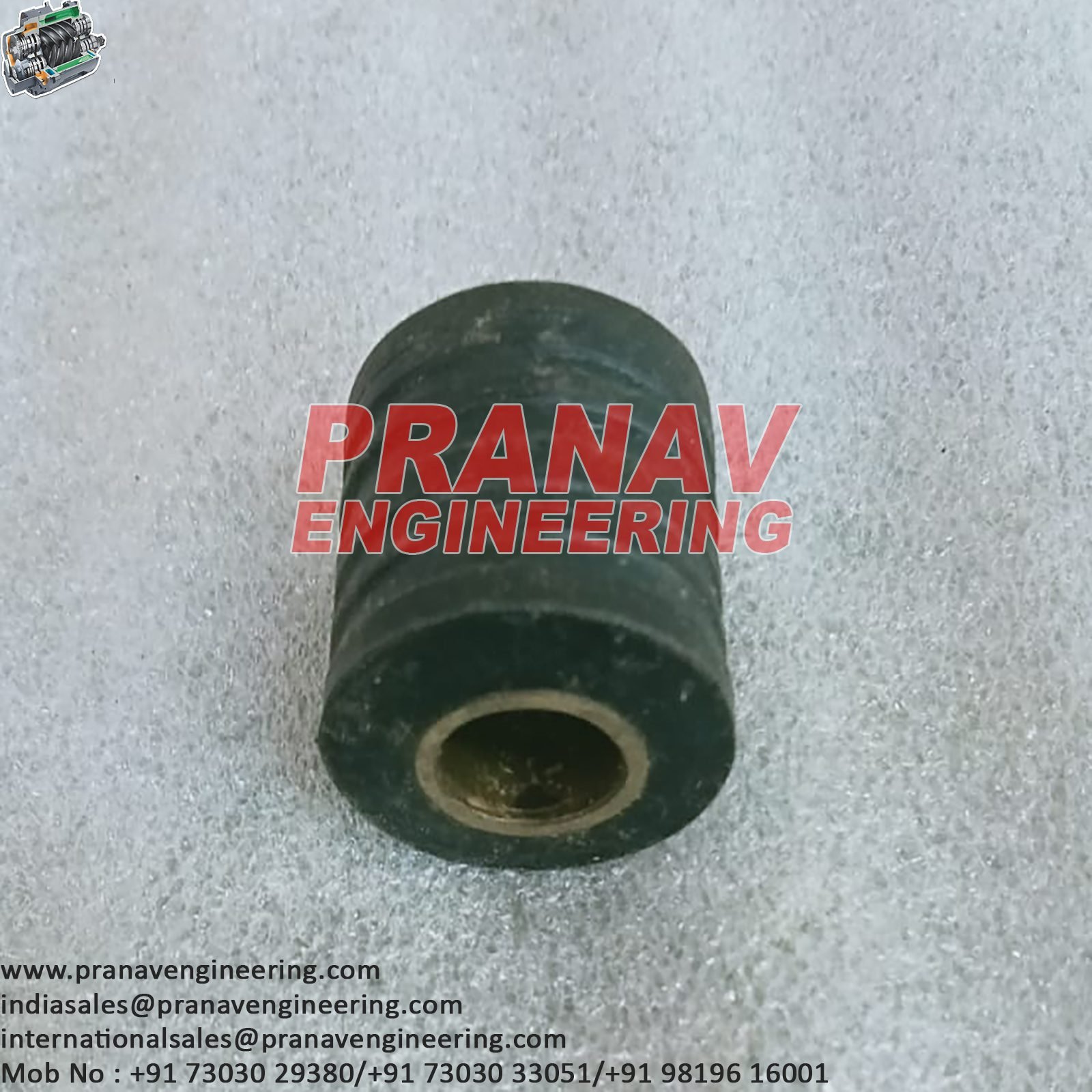
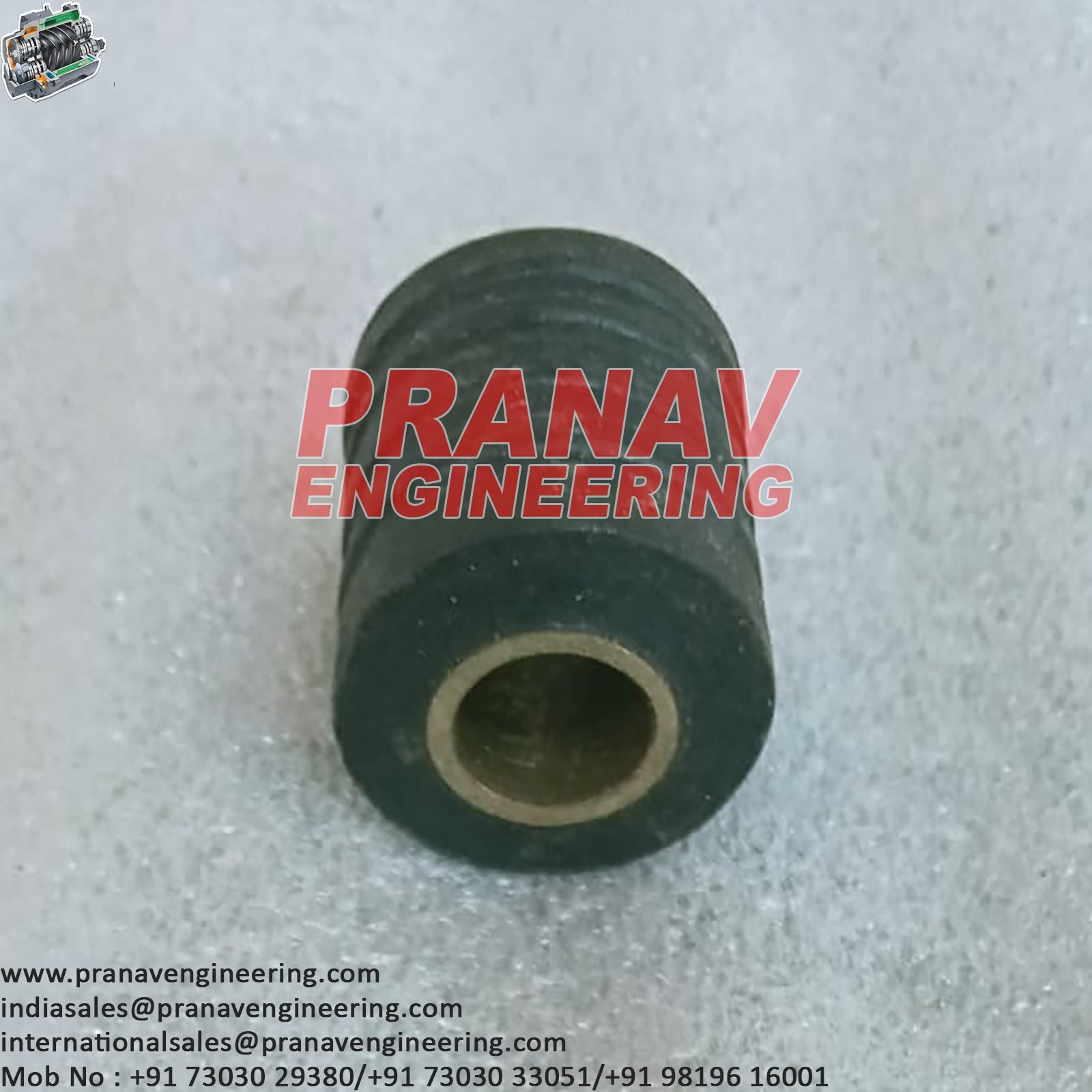
COUPLING-2900057400
Routine inspection and maintenance of compressor couplings are essential for ensuring operational reliability.
A compressor coupling is a vital mechanical component used to connect the driving equipment, such as an electric motor or engine, to the compressor shaft. Its primary purpose is to transmit torque and rotational power efficiently while accommodating minor shaft misalignments, reducing vibration, and protecting machinery from excessive mechanical stress. Compressor couplings play a critical role in maintaining smooth and reliable compressor operation across industrial applications.
In air compressor systems, the coupling acts as a bridge between the motor and compressor element, ensuring efficient power transfer without significant energy loss. These couplings are designed to handle demanding operating conditions, including high rotational speeds, temperature variations, and continuous operational loads. Proper coupling selection contributes significantly to equipment longevity and overall system performance.
Compressor couplings are manufactured using durable materials such as steel, cast iron, aluminum alloys, or high-strength elastomers depending on application requirements. Various coupling designs are available, including flexible couplings, gear couplings, jaw couplings, grid couplings, and disc couplings. Flexible couplings are commonly used in compressor systems because they compensate for angular, parallel, and axial shaft misalignments while minimizing vibration transmission.
One of the major advantages of compressor couplings is vibration reduction. Industrial compressors often generate operational vibrations that can affect bearings, shafts, and connected components. A properly engineered coupling absorbs these forces and helps maintain stable machine operation. Couplings also provide overload protection by reducing the impact of sudden torque fluctuations, helping prevent equipment damage.
Routine inspection and maintenance of compressor couplings are essential for ensuring operational reliability. Signs of coupling wear may include unusual vibration, noise, overheating, or alignment issues. Regular lubrication, alignment checks, and visual inspections can extend coupling service life and reduce unexpected downtime.
Compressor couplings are widely used in rotary screw compressors, reciprocating compressors, centrifugal compressors, and other industrial compressed air systems found in manufacturing plants, automotive industries, construction facilities, power generation units, and process industries. Their ability to maintain consistent power transmission improves equipment efficiency and supports uninterrupted production processes.
Selecting the correct compressor coupling depends on several factors, including torque requirements, shaft dimensions, operating speed, environmental conditions, and alignment tolerances. Using a high-quality coupling enhances compressor performance, reduces maintenance costs, and increases equipment reliability.
A dependable compressor coupling is an essential component for ensuring efficient power transfer, minimizing mechanical stress, and maintaining the long-term productivity of industrial compressors.