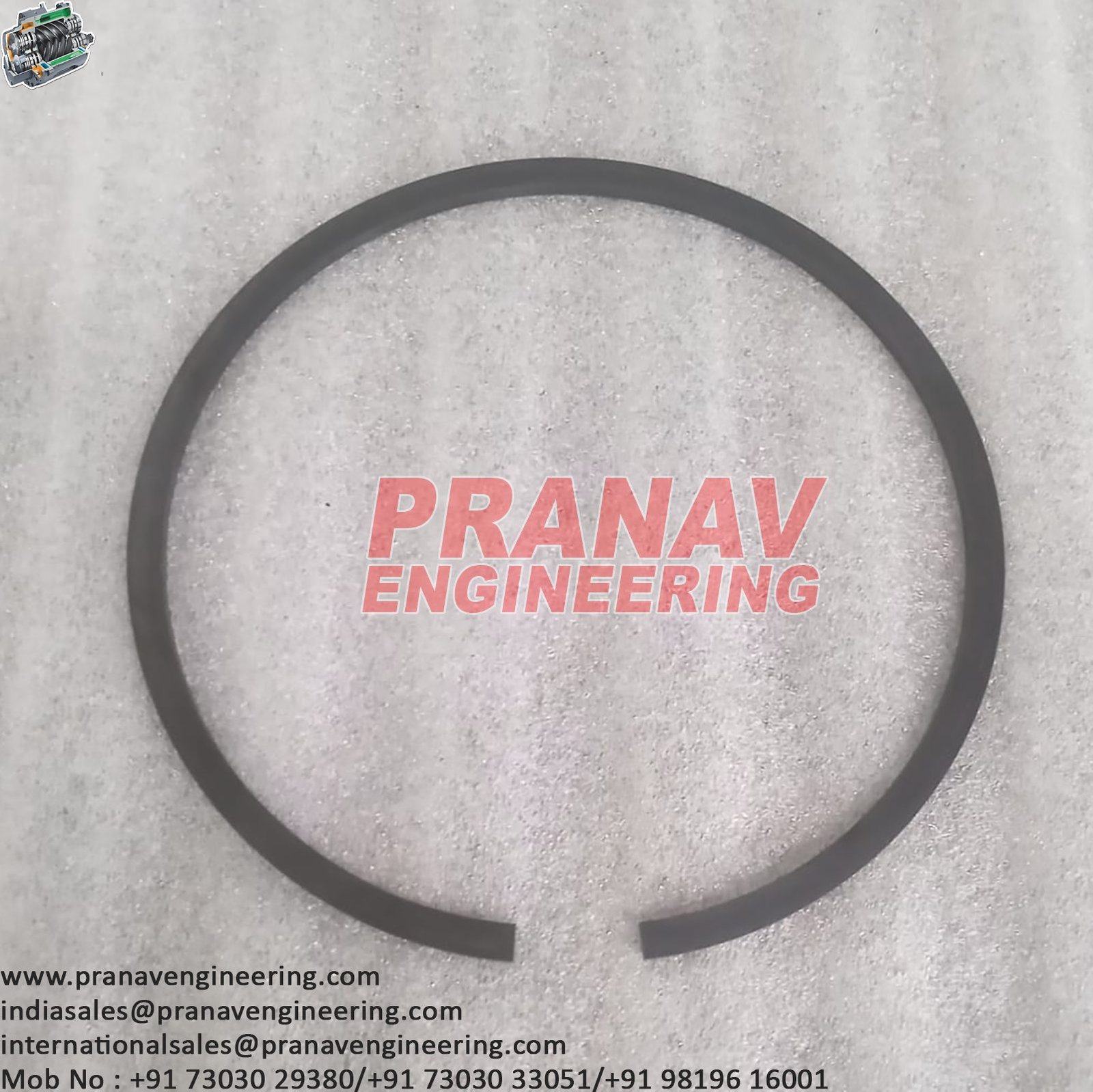
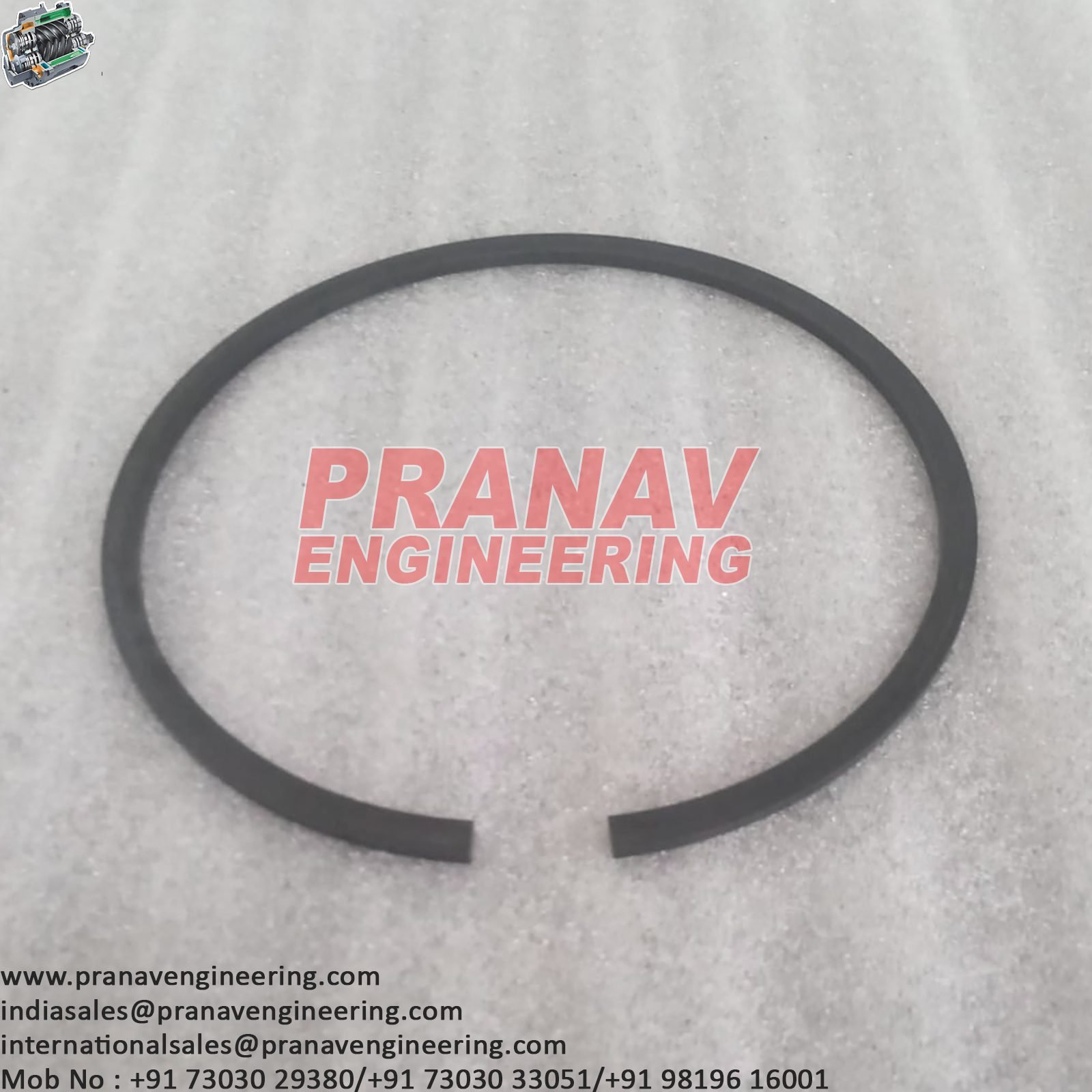
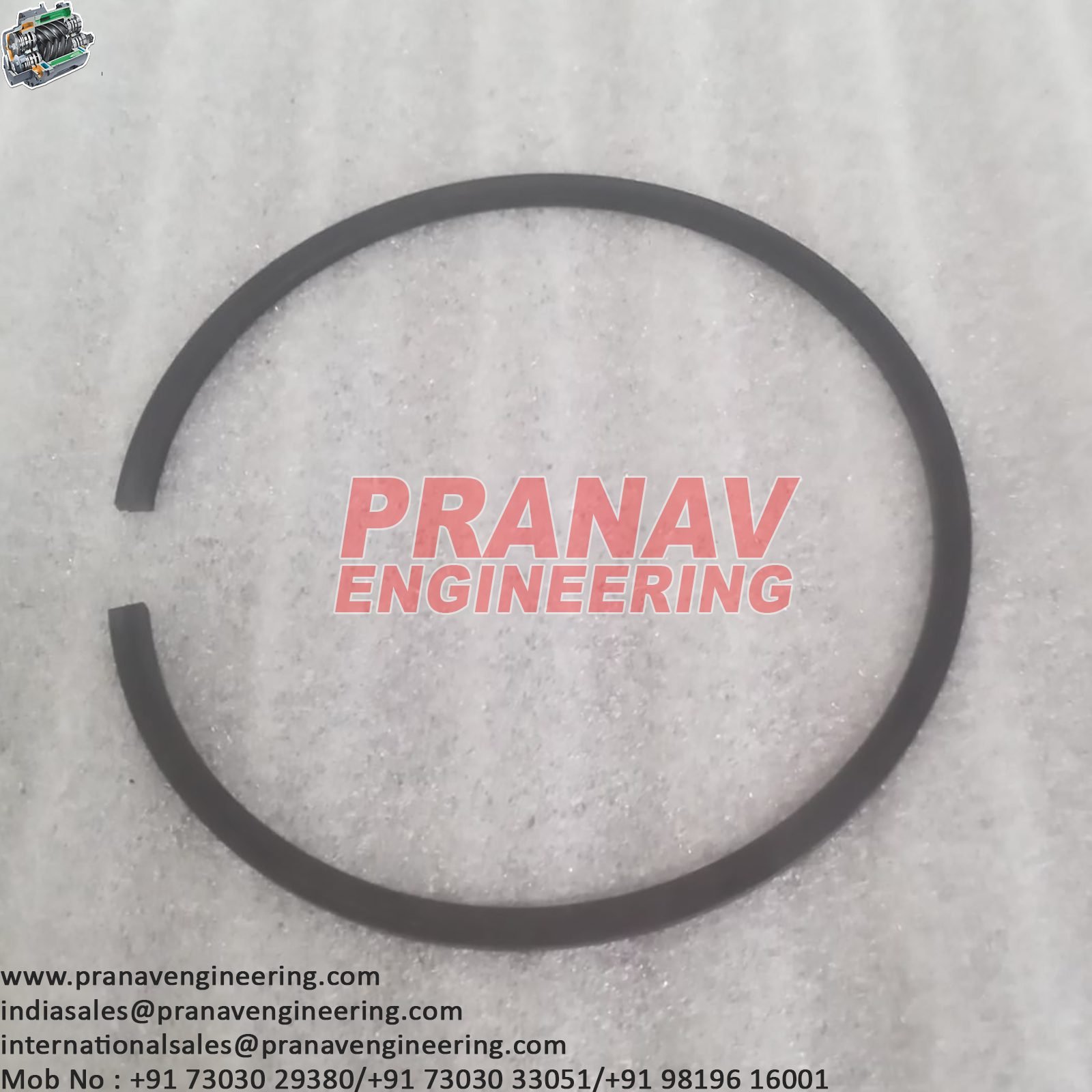
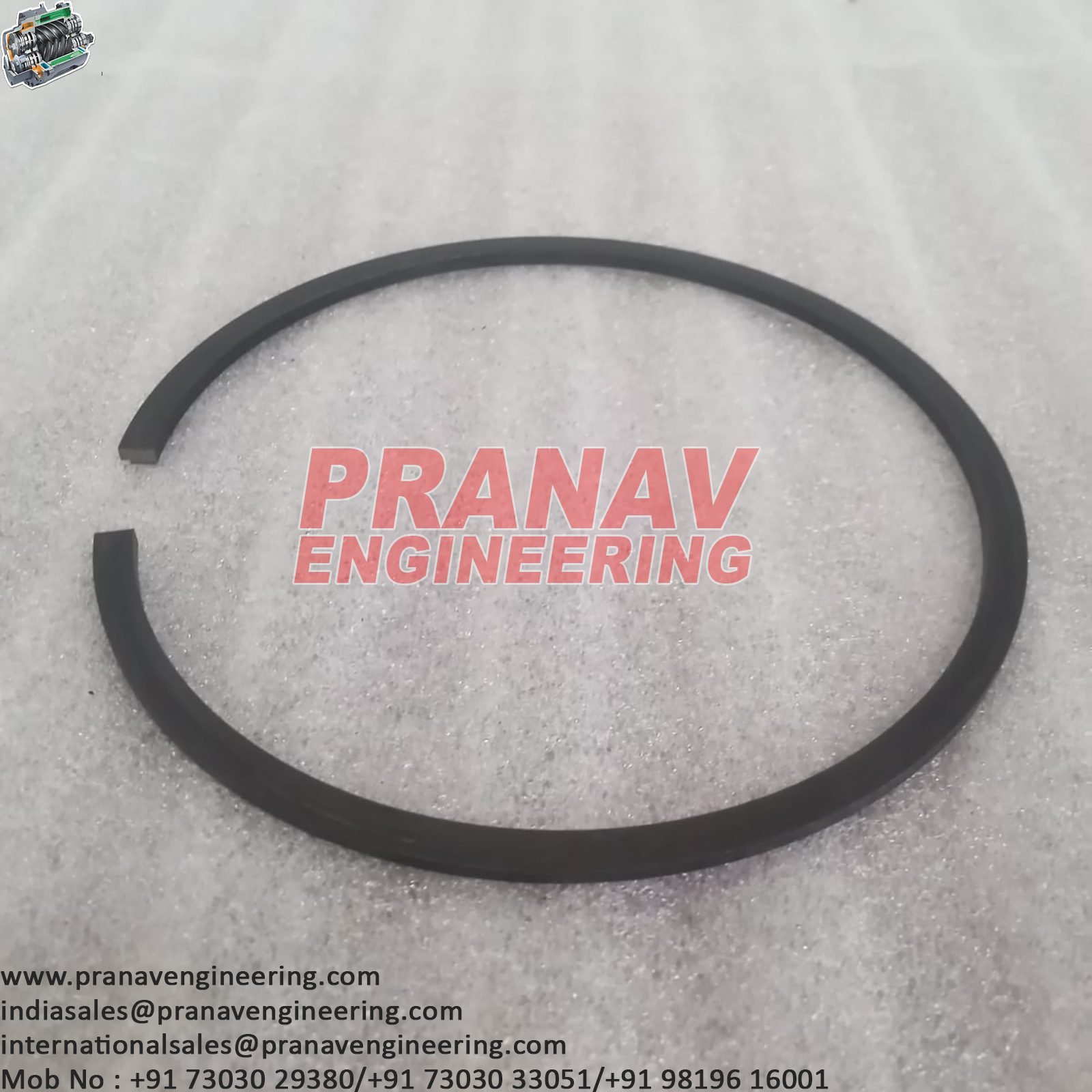
COMPRESSION RING-1503044100
Replacing worn compression rings helps restore compressor efficiency and reduces the risk of costly equipment failures.
A compression ring compressor component, commonly known as a compressor piston ring, is a critical part used in air compressors and industrial compressor systems. It is designed to create an effective seal between the piston and cylinder wall, ensuring efficient compression of air or gas while minimizing leakage. Compression rings play an essential role in maintaining compressor performance, energy efficiency, and operational reliability.
Compression rings are typically manufactured from durable materials such as cast iron, alloy steel, or specialized wear-resistant compounds. These materials are selected to withstand high temperatures, friction, and pressure conditions generated during compressor operation. Some advanced compression rings may include protective coatings to improve durability and extend service life.
The primary function of a compression ring is to prevent compressed air or gas from escaping past the piston during the compression cycle. By maintaining a proper seal, the ring helps maximize compressor efficiency and ensures consistent pressure output. In addition to sealing, compression rings also contribute to heat transfer from the piston to the cylinder wall and help regulate lubrication distribution inside the compressor.
Compression rings are widely used in various compressor types, including reciprocating compressors, industrial air compressors, refrigeration compressors, and gas compression systems. Industries such as manufacturing, automotive, food processing, pharmaceuticals, construction, and power generation rely heavily on compressors equipped with high-quality compression rings to maintain smooth and efficient operations.
Regular inspection and maintenance of compression rings are important to avoid issues such as reduced pressure output, increased oil consumption, higher energy usage, and excessive wear. Over time, compression rings may deteriorate due to continuous operation, contamination, or insufficient lubrication. Replacing worn compression rings helps restore compressor efficiency and reduces the risk of costly equipment failures.
Modern compression ring designs focus on improving sealing capability, reducing friction losses, and increasing compressor longevity. Precision engineering ensures proper fitment and reliable performance under demanding industrial environments.
Selecting the correct compression ring depends on factors such as compressor model, operating pressure, temperature range, and application requirements. Using high-quality replacement compression rings can significantly improve compressor reliability, reduce downtime, and optimize operational productivity.
A well-designed compression ring is an essential component that supports compressor efficiency, durability, and long-term performance, making it a valuable element in industrial compressed air and gas handling systems.