

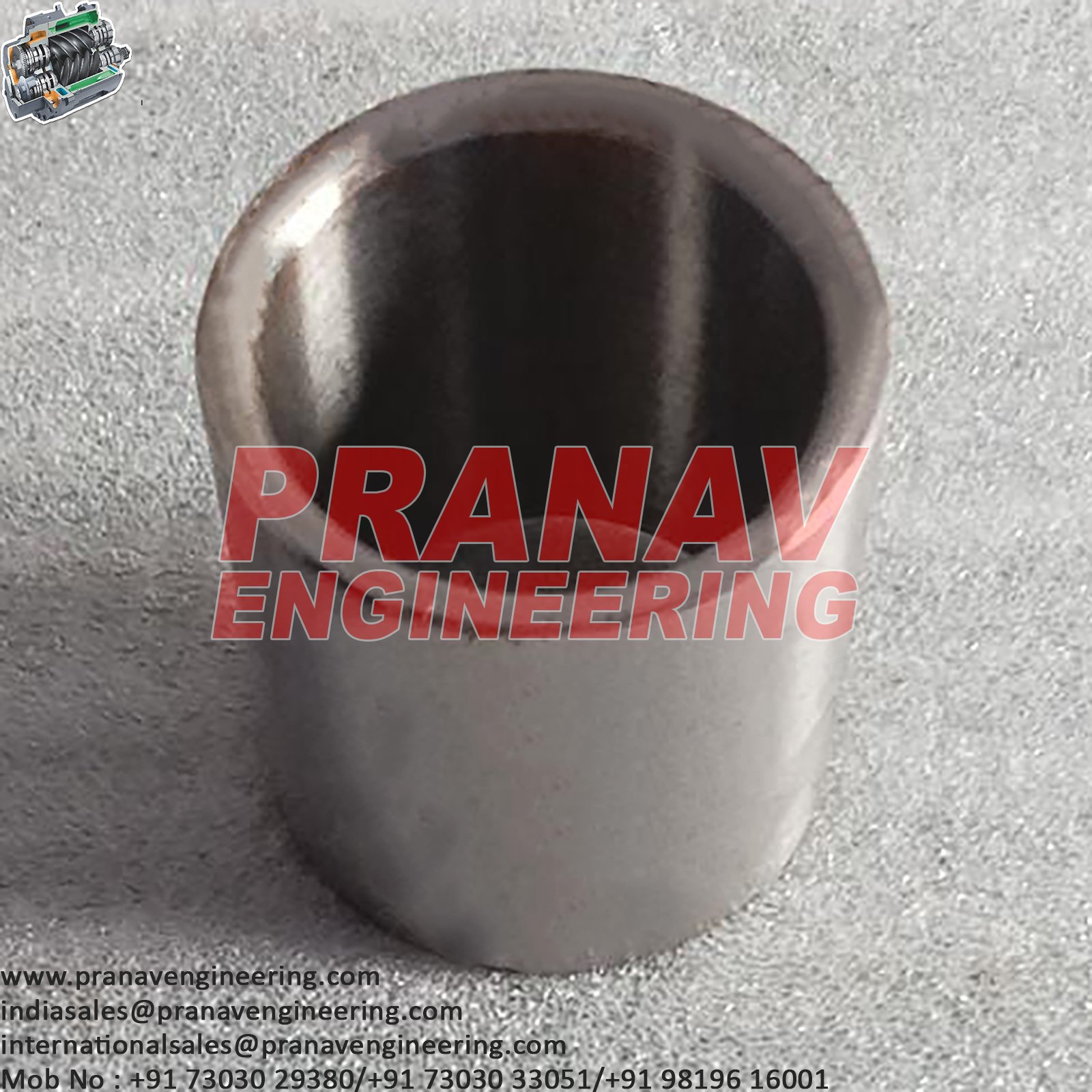
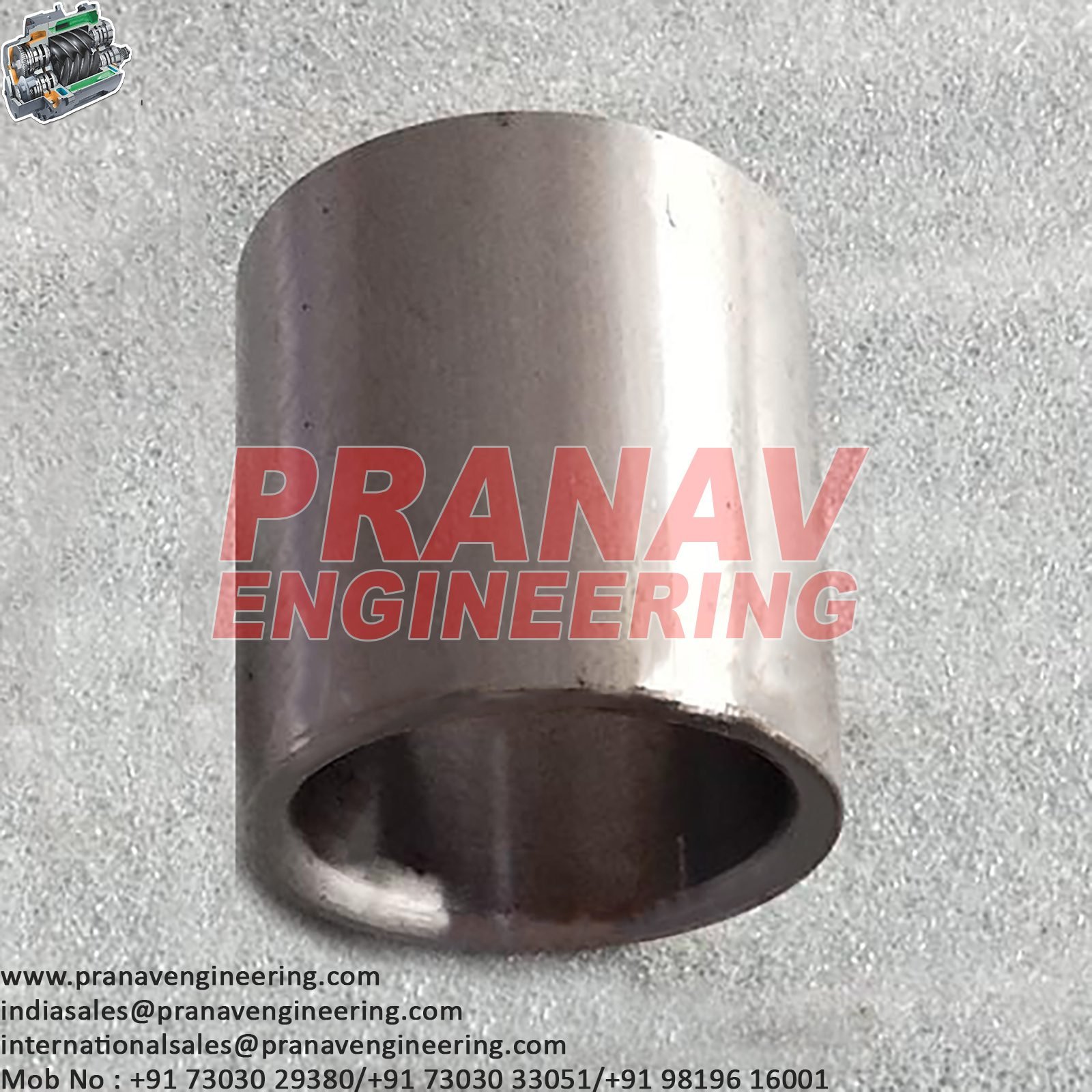
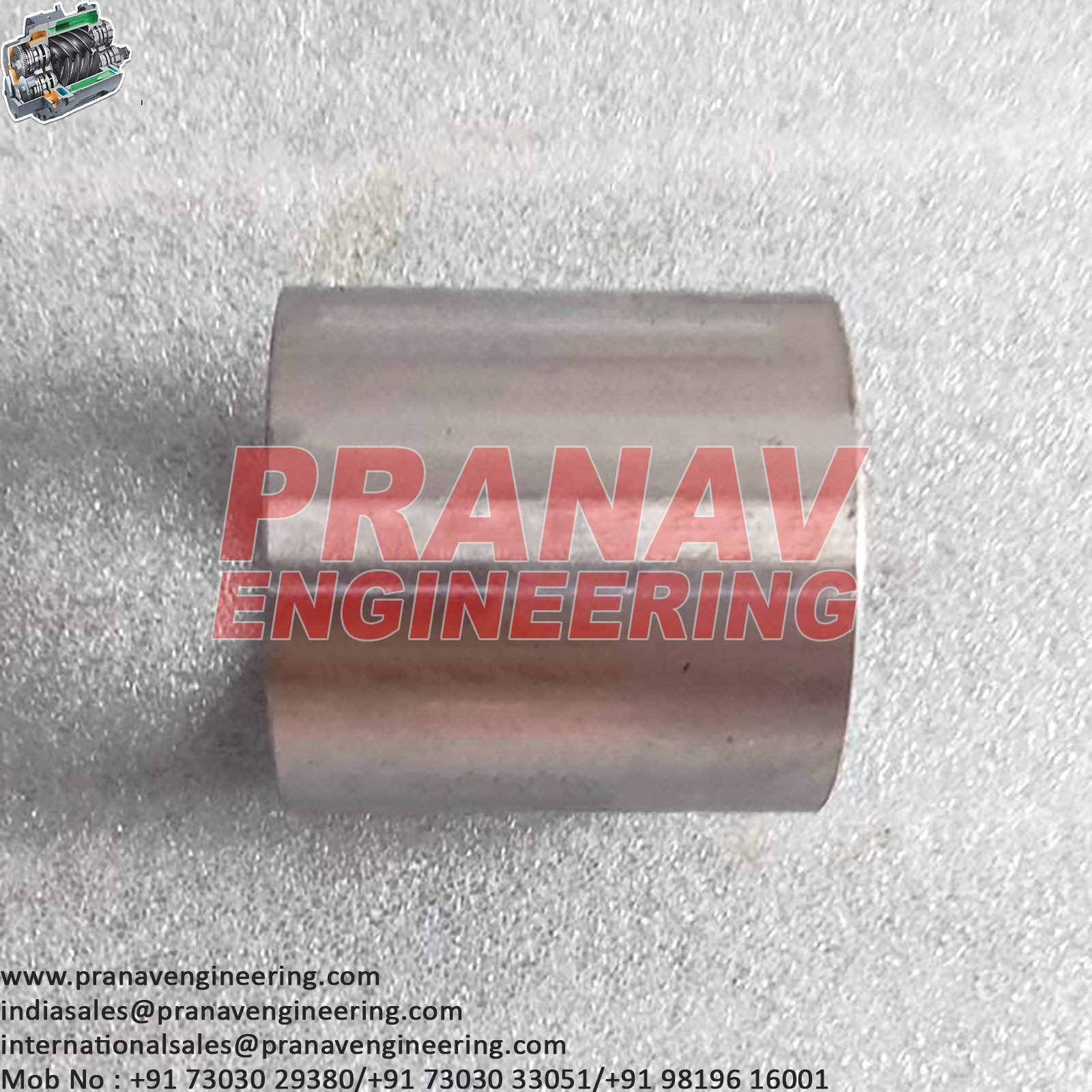
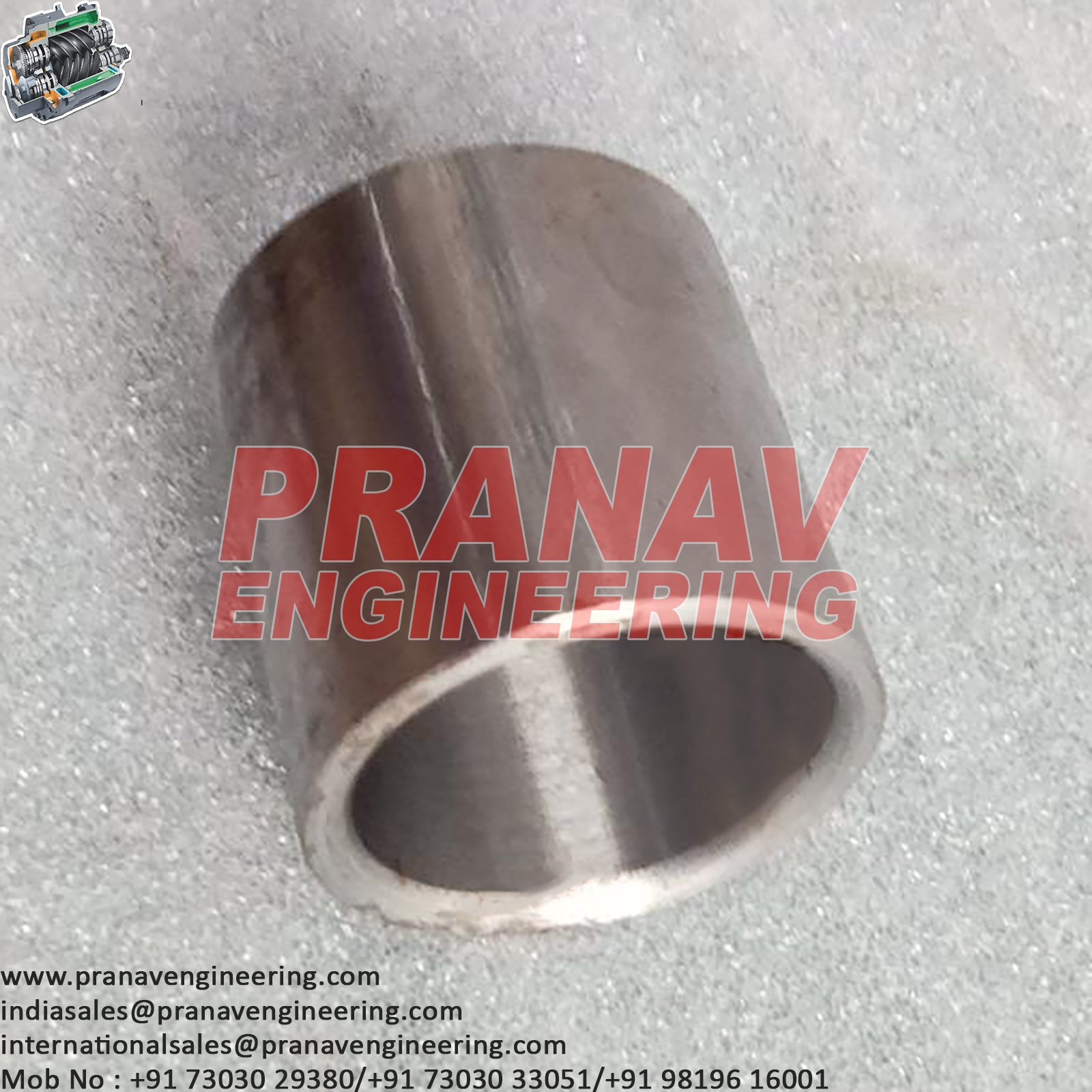
BUSH-30210165
The compressor is driven by an electric motor or another suitable power source.
-
A bush compressor is a type of reciprocating air compressor designed to generate compressed air for industrial, commercial, and workshop applications. It operates by drawing atmospheric air into a compression chamber and reducing its volume to increase the air pressure. Bush compressors are valued for their simple construction, reliable operation, and ability to provide compressed air for a wide range of pneumatic equipment.
The main components of a bush compressor generally include the compressor cylinder, piston, connecting rod, crankshaft, inlet and discharge valves, crankcase, bearings, lubrication system, and motor or engine. The compressor is driven by an electric motor or another suitable power source. During operation, the piston moves back and forth inside the cylinder. On the suction stroke, atmospheric air enters the cylinder through the inlet valve. During the compression stroke, the piston moves upward and reduces the volume occupied by the air. As the pressure increases, the discharge valve opens and compressed air is delivered to the receiver tank or directly to the application.
Bushes or bearings are important in the compressor mechanism because they support moving parts and reduce friction between components. Properly designed bushes help maintain smooth movement of the crankshaft and connecting-rod assembly while minimizing wear. Adequate lubrication is essential to prevent excessive friction, overheating, and premature component failure.
Bush compressors are commonly used for pneumatic tools, spray painting, cleaning, small manufacturing equipment, workshops, garages, and various industrial operations. Their performance depends on factors such as cylinder size, piston speed, motor power, operating pressure, and air delivery capacity.
One of the major advantages of a bush compressor is its robust and relatively simple design. It can be maintained and repaired without highly complicated procedures, making it suitable for many general-purpose applications. However, reciprocating compressors can produce vibration and noise during operation, and components such as bushes, valves, piston rings, and bearings may require periodic inspection and replacement.
Regular maintenance is important for reliable performance. This includes checking the lubrication system, cleaning air filters, inspecting valves and bushes, tightening loose connections, draining moisture from the receiver tank, and checking for air leaks. Operating the compressor within its recommended pressure and temperature limits also increases service life.
In conclusion, a bush compressor is a practical and dependable compressed-air machine suitable for numerous applications. Its reciprocating compression mechanism, supported by properly lubricated bushes and bearings, provides efficient and consistent operation. With correct installation, routine maintenance, and proper operating practices, the compressor can deliver reliable service while reducing downtime and maintenance costs.