
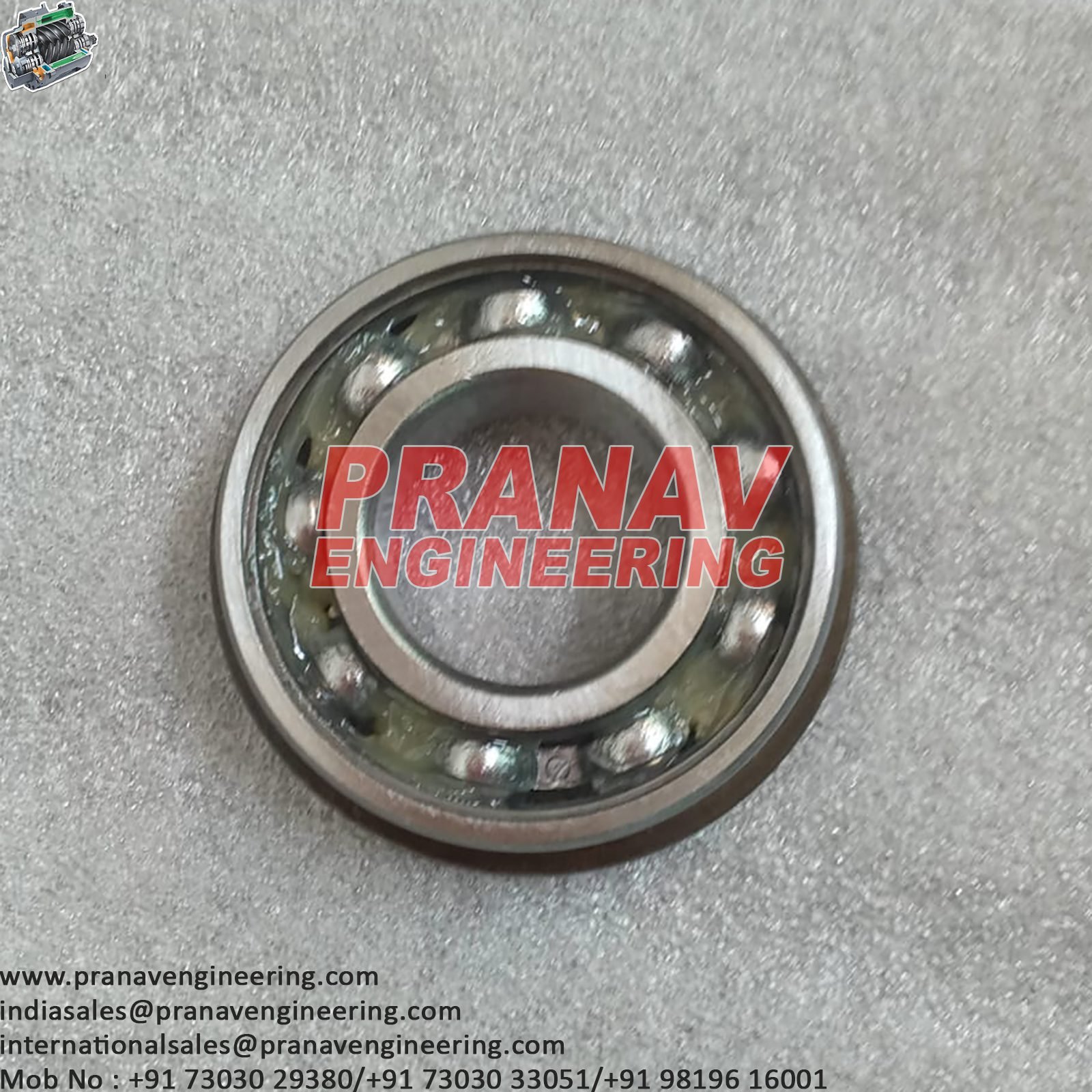
BEARING-95951216
Proper lubrication creates a protective layer between moving surfaces, preventing metal-to-metal contact.
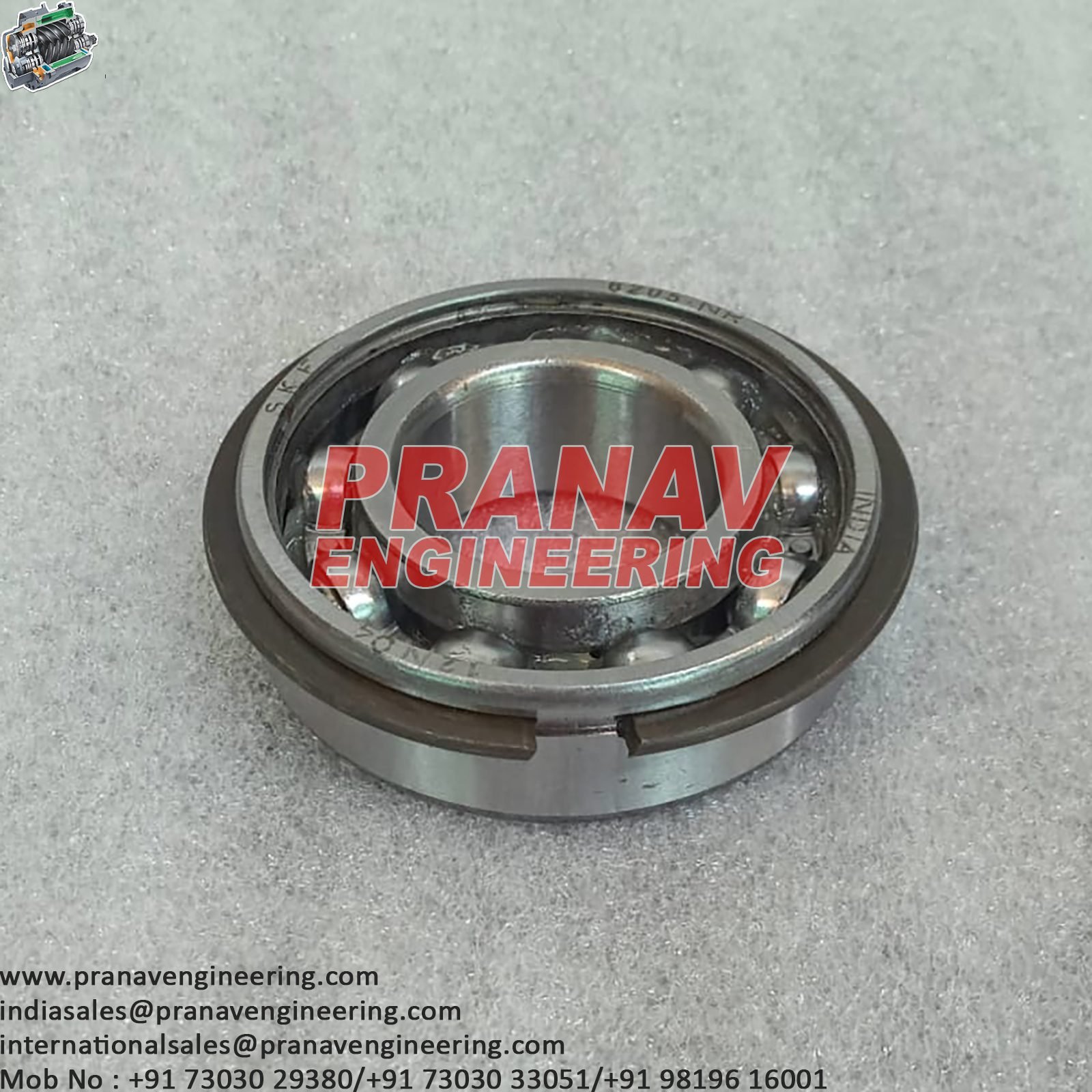
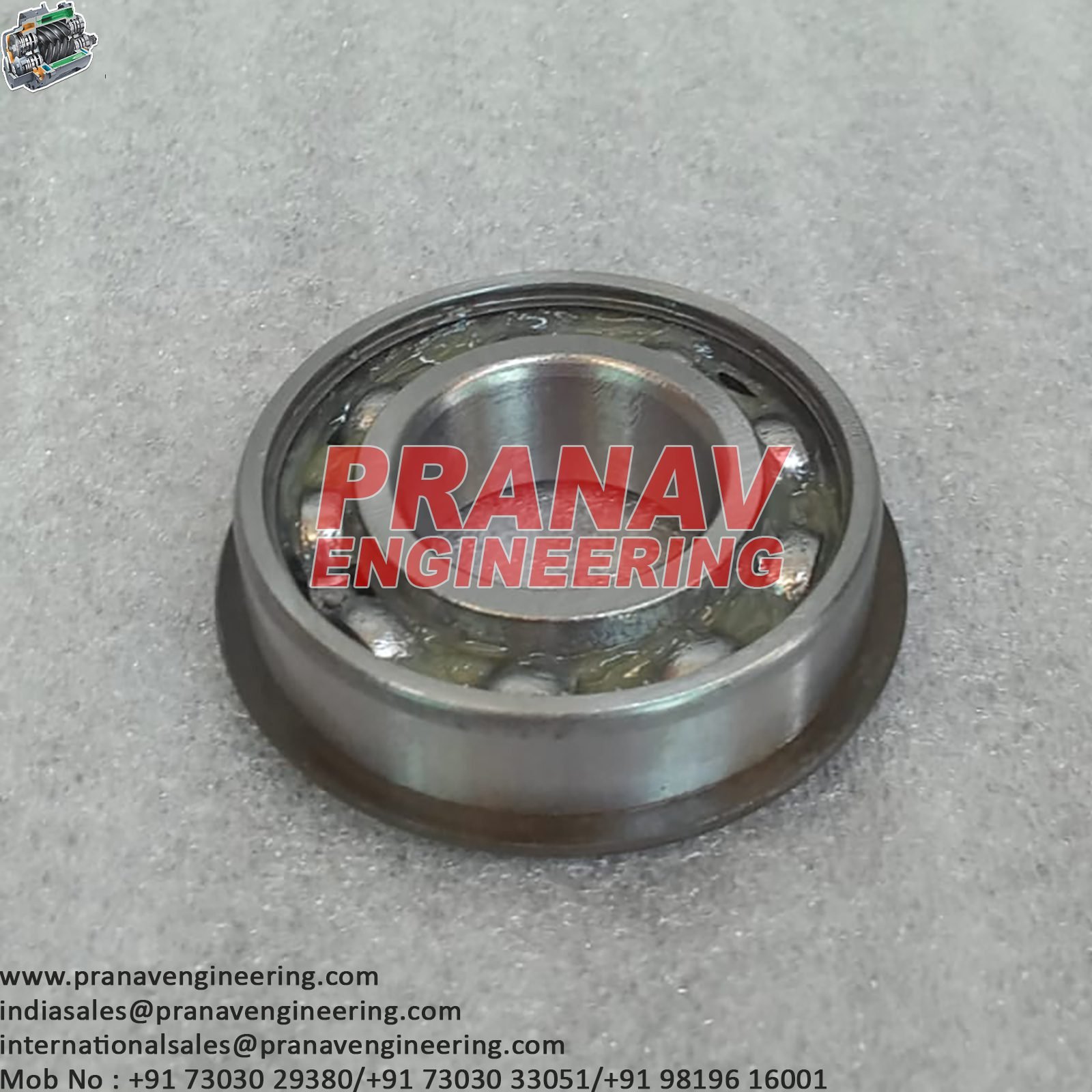
A compressor bearing is a critical component used in air compressors and industrial compressor systems to support rotating parts such as shafts and rotors while reducing friction during operation. Bearings help ensure smooth movement, improve efficiency, and extend the overall lifespan of compressor equipment. They are designed to handle radial and axial loads generated during compressor operation and play an important role in maintaining stability, performance, and reliability.
Compressor bearings are manufactured using high-quality materials such as hardened steel, stainless steel, or ceramic materials to withstand demanding industrial conditions. These bearings are engineered to operate under high speeds, varying temperatures, and continuous workloads commonly found in manufacturing plants, automotive industries, food processing units, pharmaceutical facilities, textile plants, and heavy engineering applications.
There are different types of compressor bearings used depending on compressor design and operating requirements. Ball bearings are widely used for high-speed applications due to their low friction characteristics and smooth rotational movement. Roller bearings are selected for handling heavier loads and harsh operating environments. Thrust bearings are designed to manage axial forces, while sleeve bearings are often used where quiet operation and vibration reduction are essential.
A properly functioning compressor bearing contributes significantly to compressor efficiency by minimizing energy losses caused by friction. Reduced friction results in lower power consumption, improved operational stability, and less heat generation. Efficient bearing performance also helps reduce wear on surrounding compressor components, lowering maintenance costs and minimizing unexpected equipment downtime.
Lubrication plays a major role in compressor bearing performance. Proper lubrication creates a protective layer between moving surfaces, preventing metal-to-metal contact and reducing wear. Regular maintenance, inspection, and lubrication schedules help maximize bearing life and ensure consistent compressor performance. Common signs of bearing wear include unusual vibration, excessive noise, overheating, and reduced compressor efficiency.
Modern compressor bearings are designed with advanced sealing technologies to protect internal components from dust, moisture, contaminants, and harsh environmental conditions. These features improve durability and operational reliability in industrial applications.
Selecting the correct compressor bearing depends on factors such as load capacity, operating speed, temperature range, compressor type, and environmental conditions. Choosing high-quality bearings helps improve compressor reliability, increase service life, and maintain consistent air delivery performance.
In industrial air compressor systems, compressor bearings are essential mechanical elements that directly influence equipment productivity, energy efficiency, and long-term operational performance, making them a vital component for maintaining dependable and efficient compressor operation.