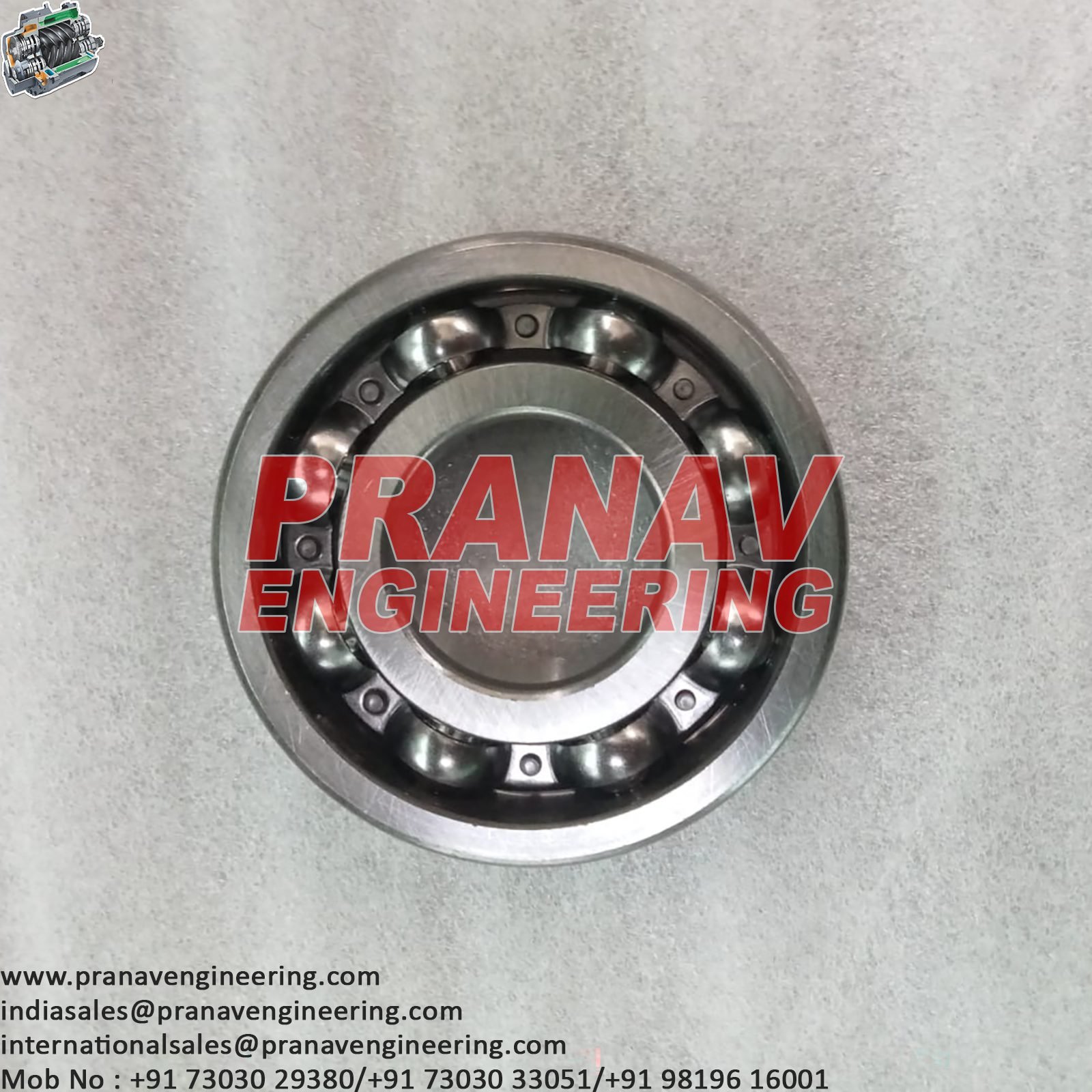
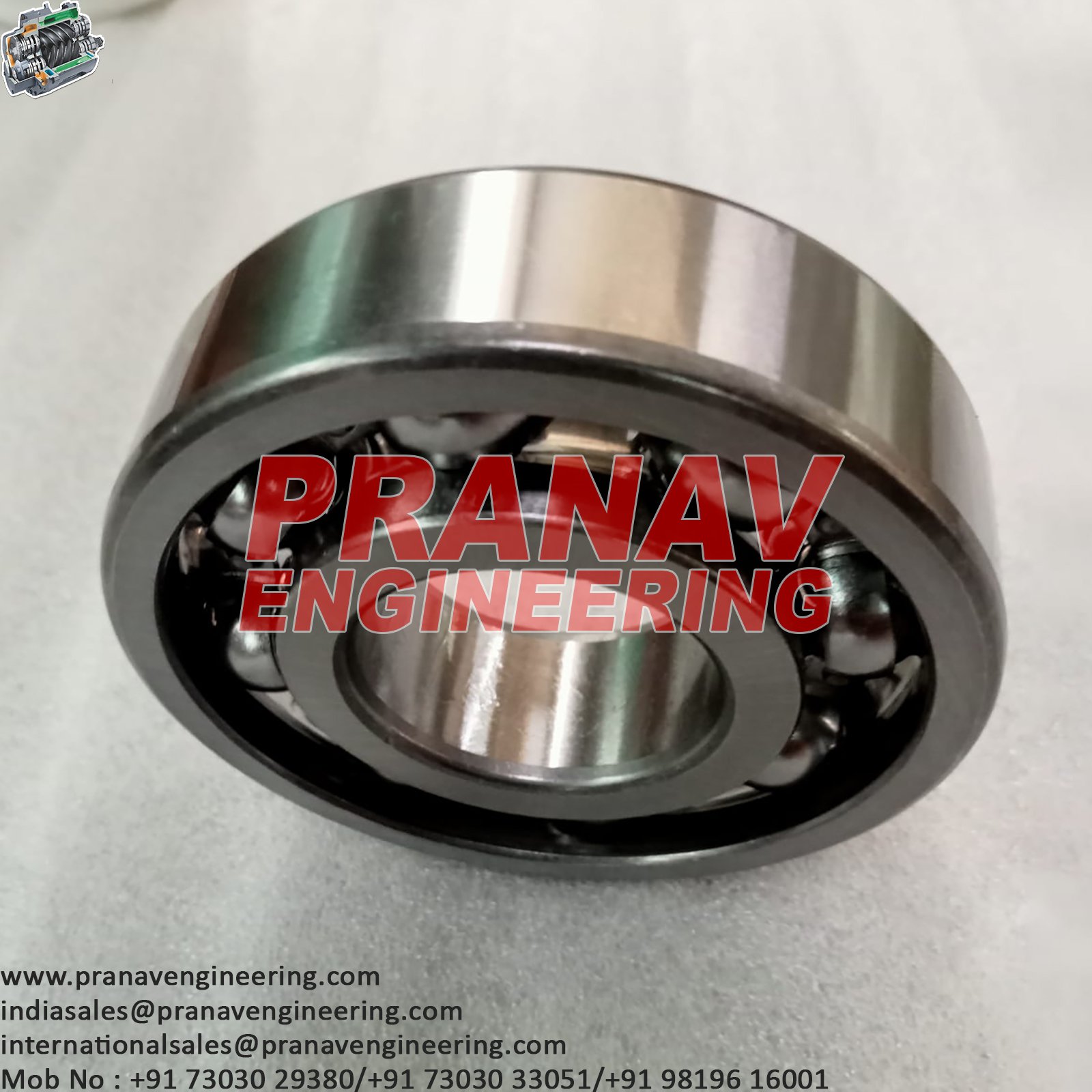
BEARING-27A19X306C3
A bearing compressor is a mechanical device used to compress air or gas by reducing its volume and increasing its pressure
A bearing compressor is a mechanical device used to compress air or gas by reducing its volume and increasing its pressure. Bearings are an important part of the compressor because they support rotating components such as the crankshaft, rotor, or shaft and allow them to rotate smoothly with minimum friction. They also help maintain proper alignment between moving components and reduce vibration and wear.
The main components of a bearing compressor include the compressor body, shaft, bearings, piston or rotor, cylinder, valves, lubrication system, and drive motor. Depending on the design, compressors may be reciprocating, rotary screw, centrifugal, or other types. Bearings are selected according to the compressor speed, load, temperature, and operating conditions.
During operation, the motor supplies power to the compressor shaft. The shaft rotates with the support of bearings and drives the compression mechanism. In a reciprocating compressor, the rotating motion is converted into reciprocating motion by a crank and connecting rod. The piston moves inside the cylinder, drawing air through the suction valve. As the piston moves back, the air is compressed and discharged through the delivery valve at a higher pressure. In rotary compressors, rotating elements directly compress the air or gas.
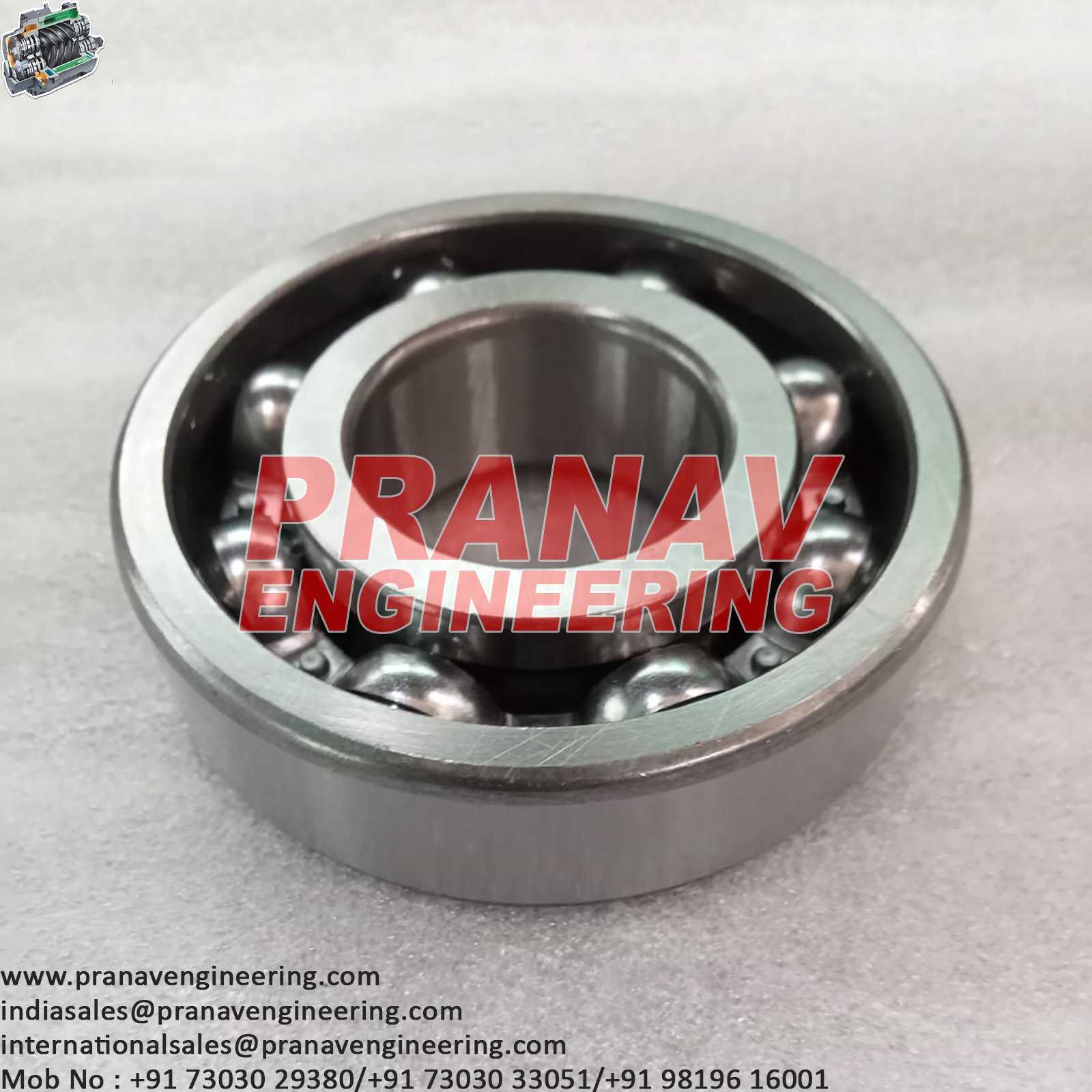
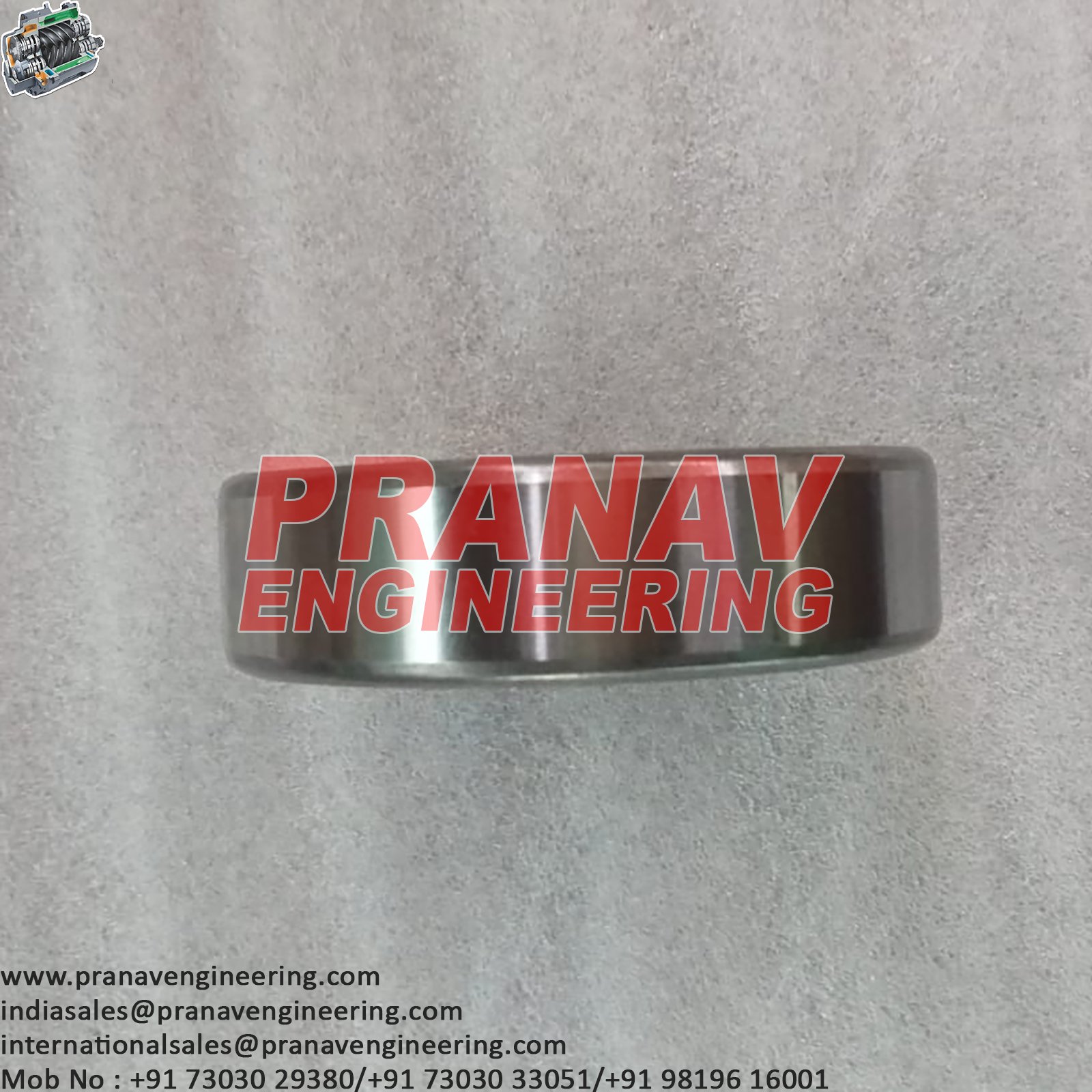
Bearings are critical for reliable compressor operation. They carry radial and axial loads, maintain shaft alignment, and minimize friction between stationary and rotating parts. Proper lubrication is necessary to prevent overheating and premature bearing failure. Depending on the application, compressors may use ball bearings, roller bearings, sleeve bearings, or thrust bearings.
Common bearing problems include excessive wear, overheating, noise, vibration, insufficient lubrication, contamination, misalignment, and improper installation. These problems can lead to increased power consumption, reduced compressor efficiency, shaft damage, and eventually complete compressor failure. Regular inspection and maintenance are therefore essential.
Maintenance generally involves checking bearing temperature, vibration, lubrication condition, shaft alignment, and signs of abnormal noise. Lubricating oil or grease should be maintained at the recommended level and replaced according to the manufacturer’s maintenance schedule. Bearings should also be protected from dust, moisture, and other contaminants.
In conclusion, bearings play a vital role in compressor performance and reliability. A properly selected, lubricated, and maintained bearing ensures smooth shaft rotation, reduces friction and vibration, improves energy efficiency, and extends the service life of the compressor.