
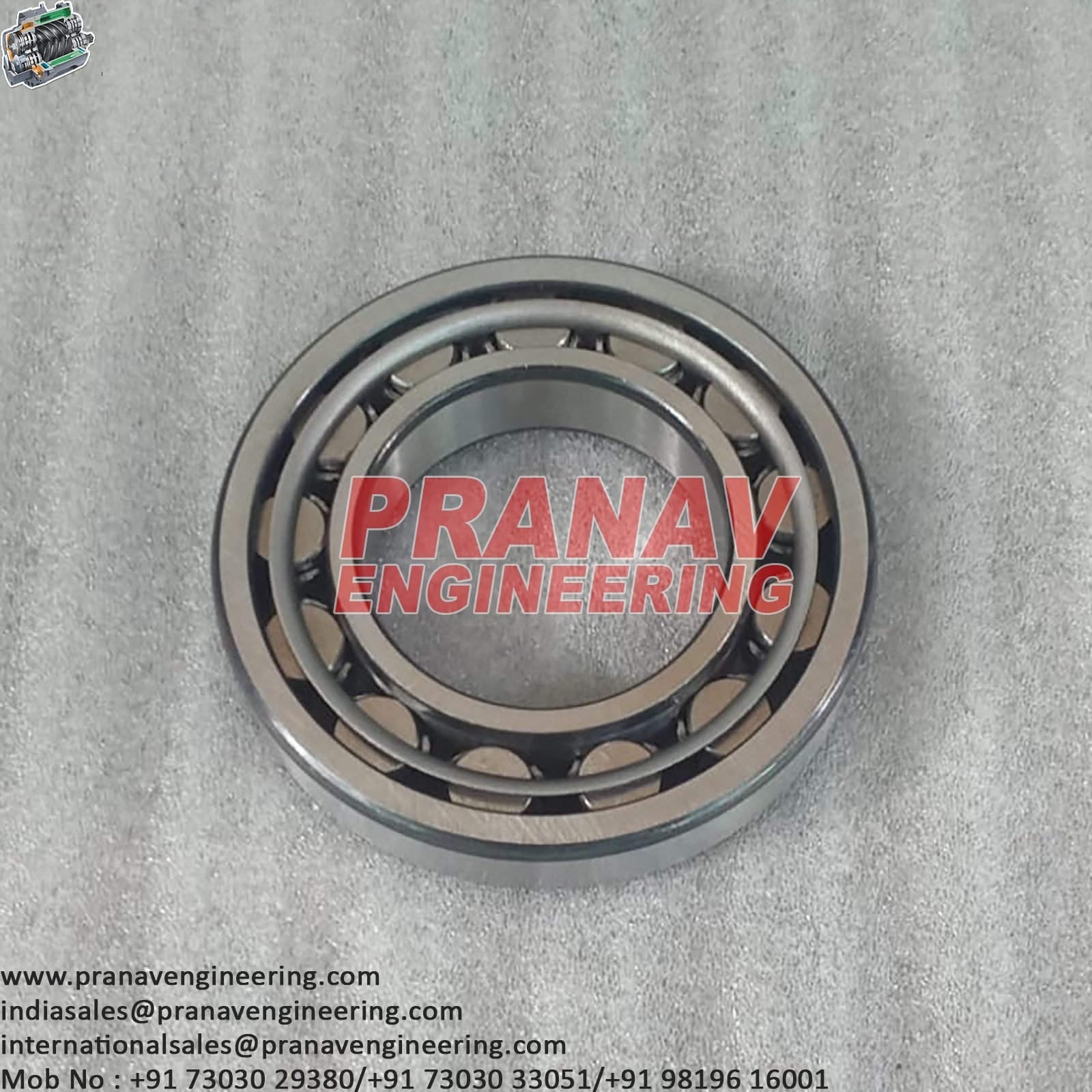
BEARING-0502110019
Proper lubrication and routine inspection help maximize bearing life and maintain optimal compressor performance.
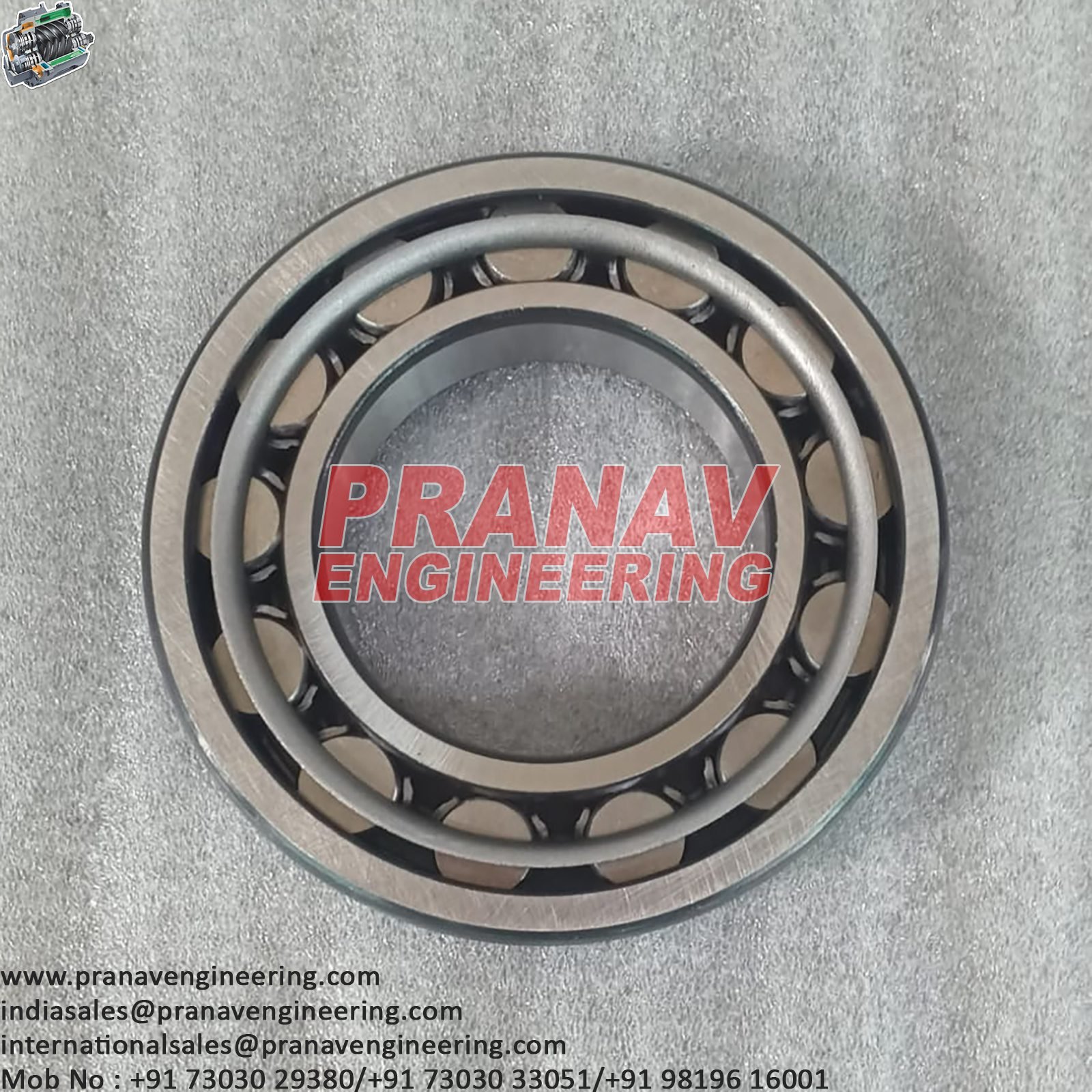
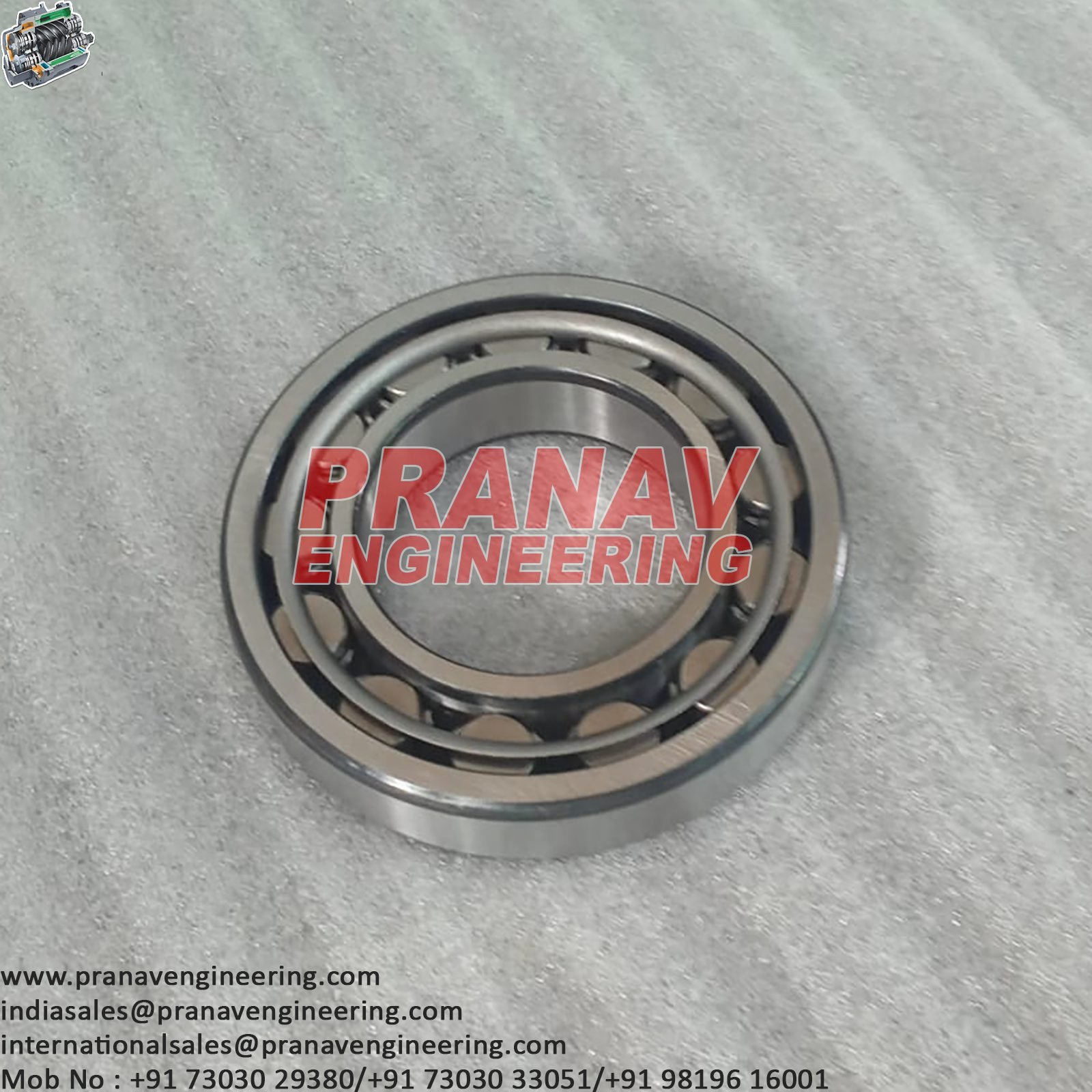
A compressor bearing is a critical mechanical component used in air compressors and industrial compressor systems to support rotating parts such as shafts and motors while reducing friction between moving components. Bearings help ensure smooth operation, improve efficiency, minimize wear and tear, and extend the overall lifespan of compressor equipment. They are designed to handle both radial and axial loads generated during compressor operation, allowing the machine to run reliably under continuous industrial conditions.
Compressor bearings are manufactured from high-quality materials such as hardened steel, stainless steel, or ceramic materials to provide durability and resistance to high temperatures, pressure, and heavy operational loads. Depending on compressor design and application requirements, different bearing types may be used, including ball bearings, roller bearings, needle bearings, and thrust bearings. Each type serves a specific function in maintaining shaft alignment and reducing operational resistance.
In industrial air compressor systems, bearings play a major role in maintaining energy efficiency. Properly functioning bearings reduce friction losses, allowing motors and rotating assemblies to operate with lower power consumption. This contributes to improved compressor performance and helps reduce maintenance costs over time. High-quality bearings also minimize vibration and noise levels, creating smoother machine operation and increasing equipment reliability.
Compressor bearings are widely used across industries such as manufacturing, automotive, pharmaceuticals, food processing, construction, mining, and heavy engineering applications. They are found in rotary screw compressors, reciprocating compressors, centrifugal compressors, and oil-free compressor systems. Because compressors often operate continuously in demanding environments, bearing quality directly impacts machine productivity and operational uptime.
Regular maintenance and timely replacement of compressor bearings are essential for preventing unexpected failures. Common signs of bearing wear include unusual noise, increased vibration, overheating, reduced compressor efficiency, and shaft instability. Proper lubrication and routine inspection help maximize bearing life and maintain optimal compressor performance.
Selecting the correct compressor bearing depends on factors such as shaft size, operating speed, load capacity, temperature conditions, and compressor model specifications. Using genuine and precision-engineered bearings ensures compatibility and dependable operation in industrial applications.
A high-performance compressor bearing delivers reliability, durability, and efficient power transmission, making it an essential component for maintaining long-term compressor productivity and reducing operational downtime in demanding industrial environments.