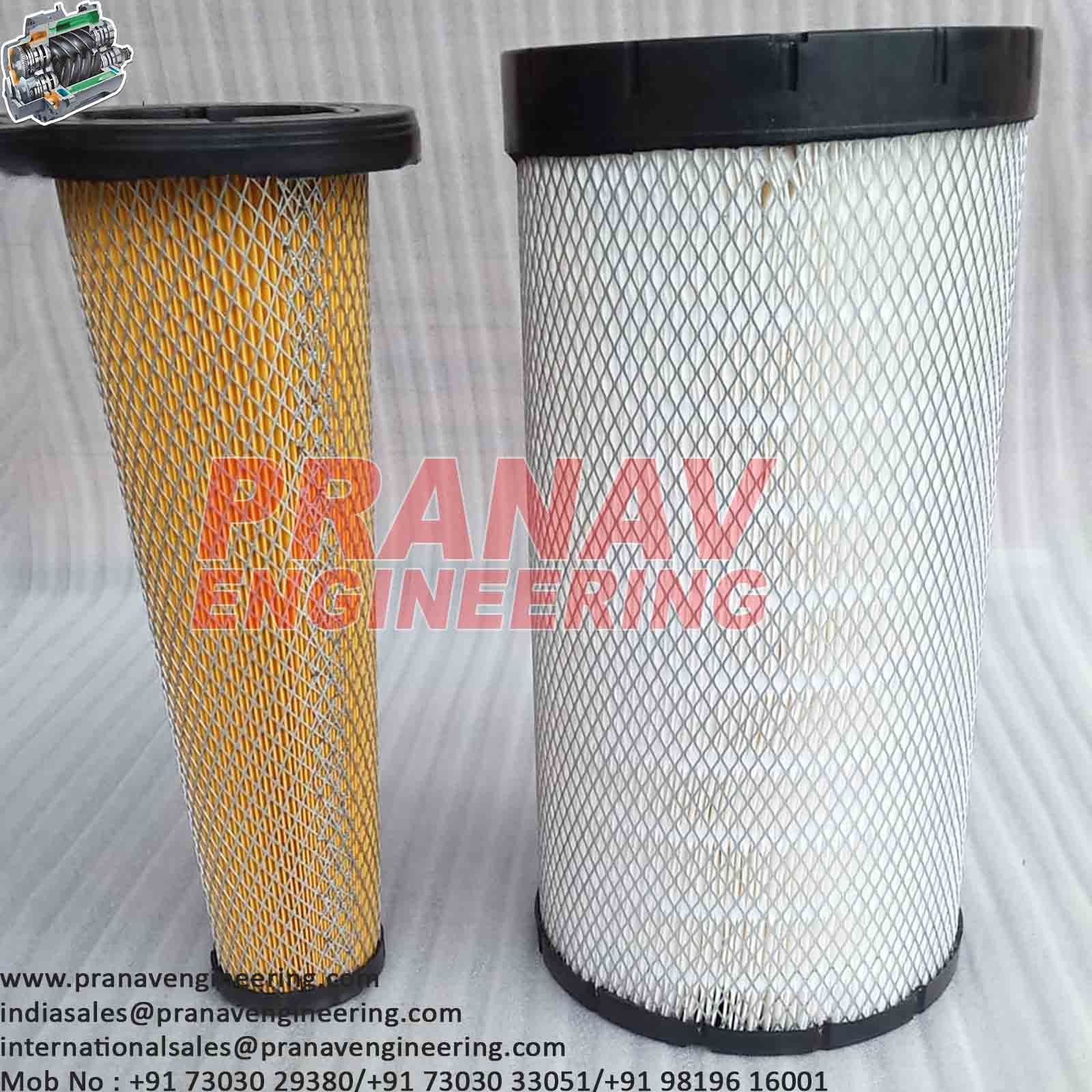
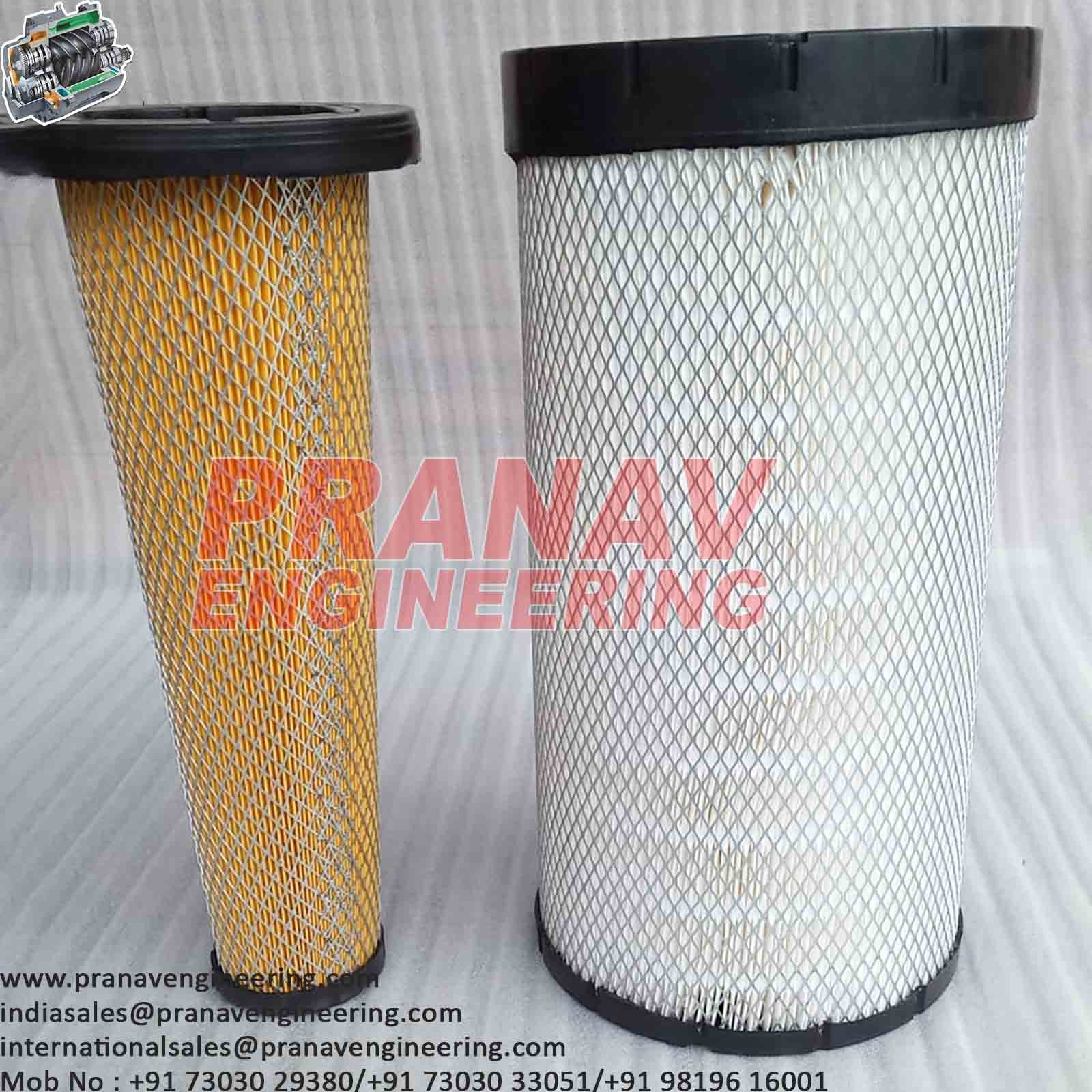
AIR FILTER ELEMENT-CT00000488
During compressor operation, atmospheric air enters the filter housing and passes through the filter element.
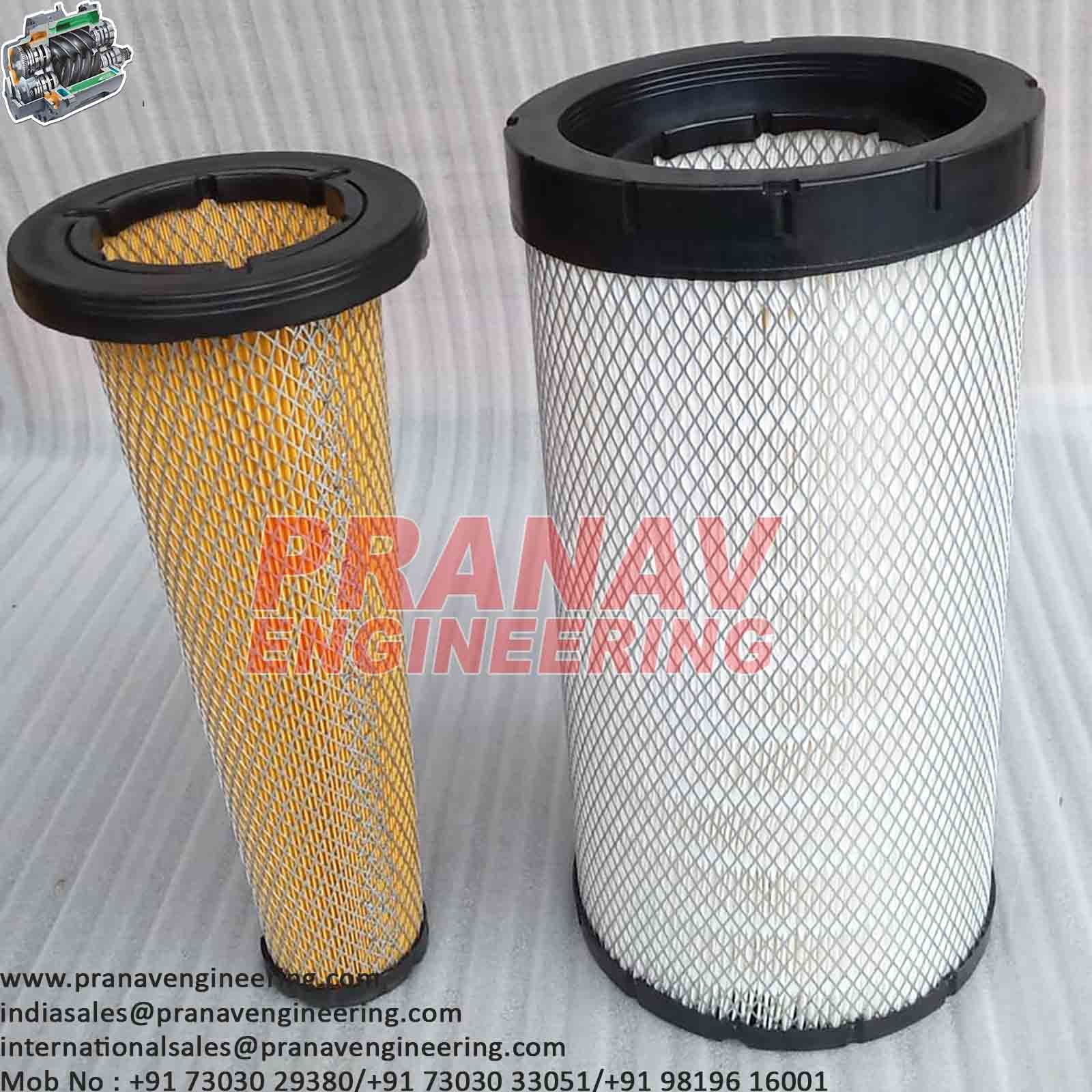
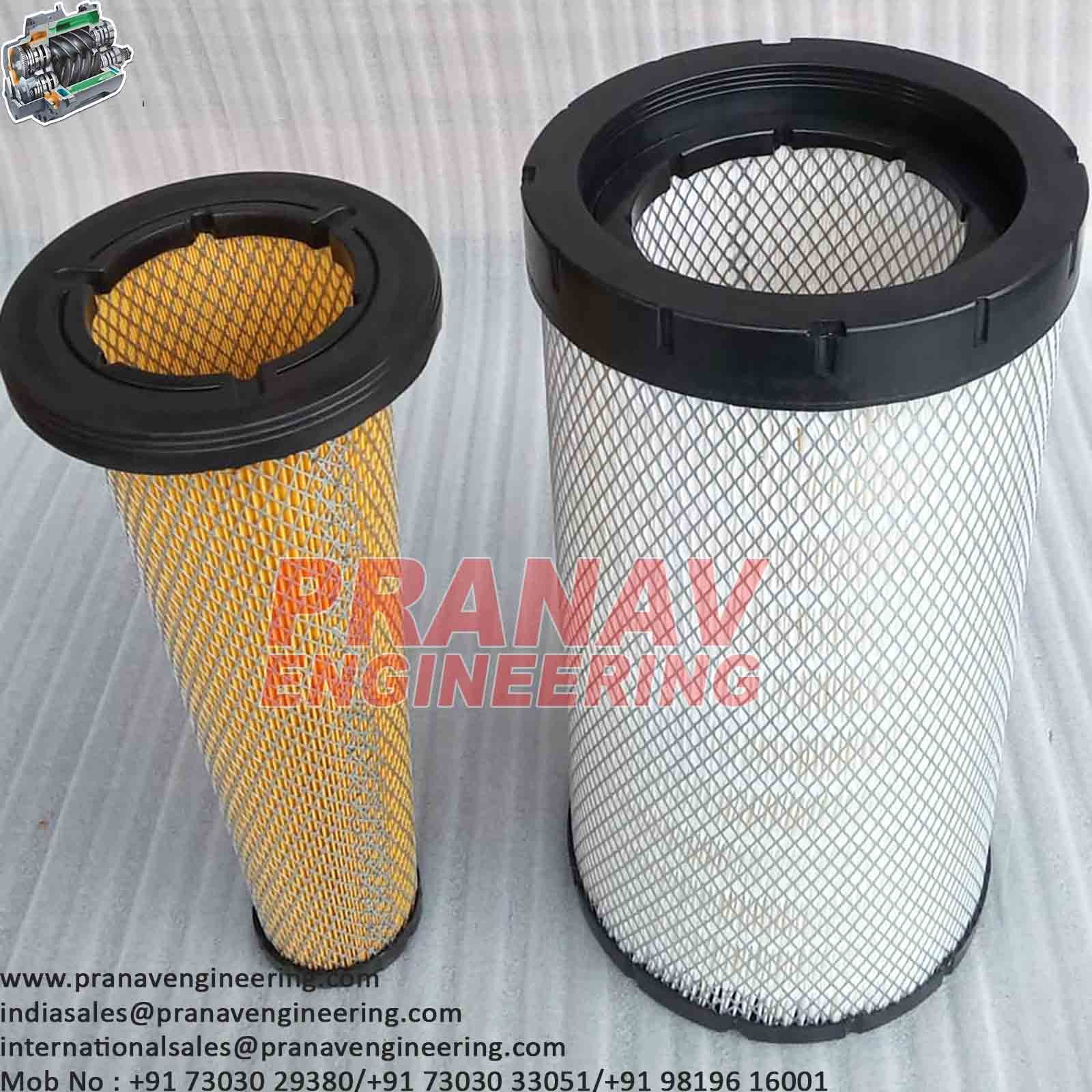
An Air Filter Element for a compressor is a critical filtration component designed to remove dust, dirt, sand, moisture, oil mist, and other airborne contaminants from the air before it enters the compressor. It is normally installed in the compressor’s air intake or suction system. The air filter element protects internal compressor components and helps maintain efficient, reliable, and long-term operation.
The primary function of the Air Filter Element is to provide clean air to the compressor while maintaining sufficient airflow. Atmospheric air contains various contaminants that can enter the compressor during normal operation. If these particles are not removed, they can cause abrasive wear, deposits, corrosion, and damage to important components such as valves, cylinders, pistons, piston rings, bearings, and seals. Effective filtration helps prevent these problems and reduces the risk of premature equipment failure.
A typical air filter element consists of a filtration medium, supporting structure, end caps, sealing gasket or O-ring, and an internal or external protective layer, depending on the design. The filtration media may be manufactured from cellulose paper, synthetic fiber, microglass, foam, or other specialized materials. The pleated design commonly used in filter elements provides a large filtration surface area within a compact size, allowing effective particle removal with relatively low airflow resistance.
During compressor operation, atmospheric air enters the filter housing and passes through the filter element. The filtration media captures solid particles and other contaminants while allowing clean air to pass into the compressor suction system. The filter element must provide the required filtration efficiency without creating excessive pressure drop. Maintaining the correct balance between filtration performance and airflow is important for efficient compressor operation.
Over time, dust and contaminants accumulate on the filter surface. As the filter becomes dirty, airflow resistance increases and the pressure drop across the element rises. A heavily blocked filter can restrict the air supply, reduce compressor capacity, increase energy consumption, and cause higher operating temperatures. Therefore, regular inspection, cleaning where permitted, and timely replacement are essential.
During filter replacement, the compressor should be stopped and isolated according to the manufacturer’s safety procedures. The filter housing should be cleaned carefully to prevent contaminants from entering the clean side. The old element should be removed and inspected, while the housing, sealing surfaces, and retaining components should be checked for damage. The new element must be installed in the correct orientation, and the seal should be properly seated to prevent unfiltered air from bypassing the filter.
The major benefits of an Air Filter Element include effective contaminant removal, protection of compressor components, improved air quality, reduced wear, stable airflow, improved compressor efficiency, and extended equipment service life.
Overall, the Air Filter Element is an essential protective component of a compressor intake system. Proper selection, installation, inspection, and timely replacement help maintain clean intake air, reduce maintenance requirements, prevent contamination-related failures, and ensure safe and reliable compressor performance.