
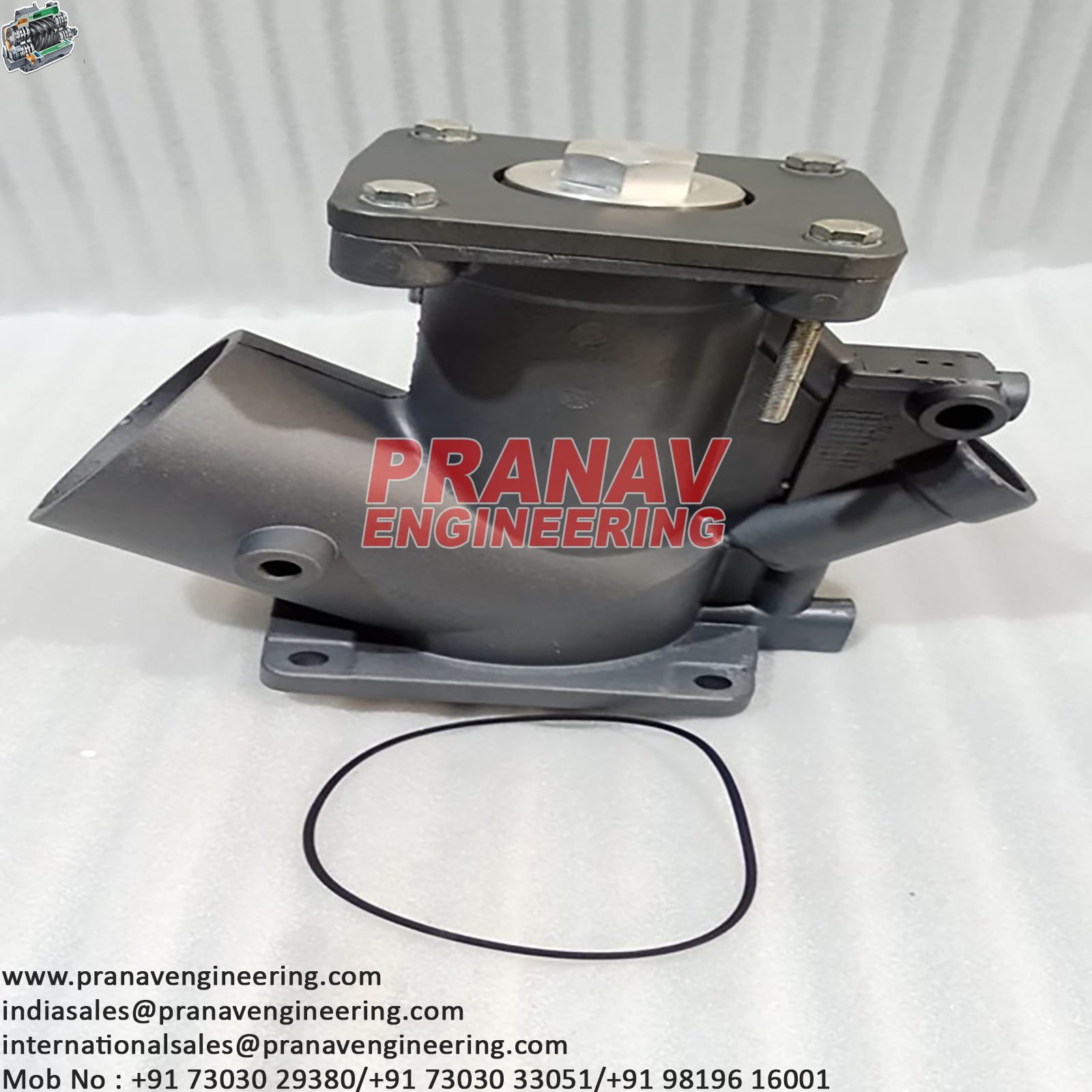
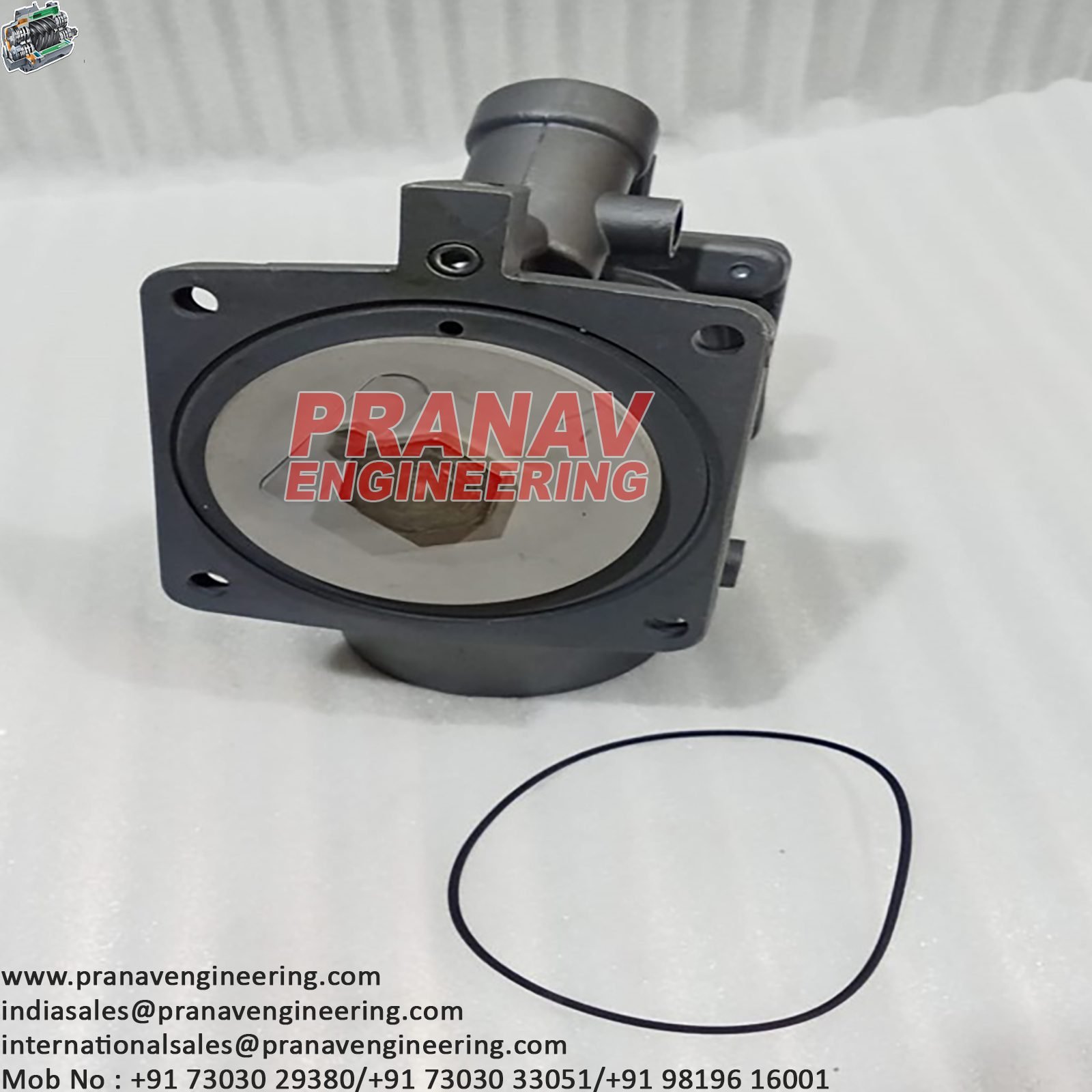
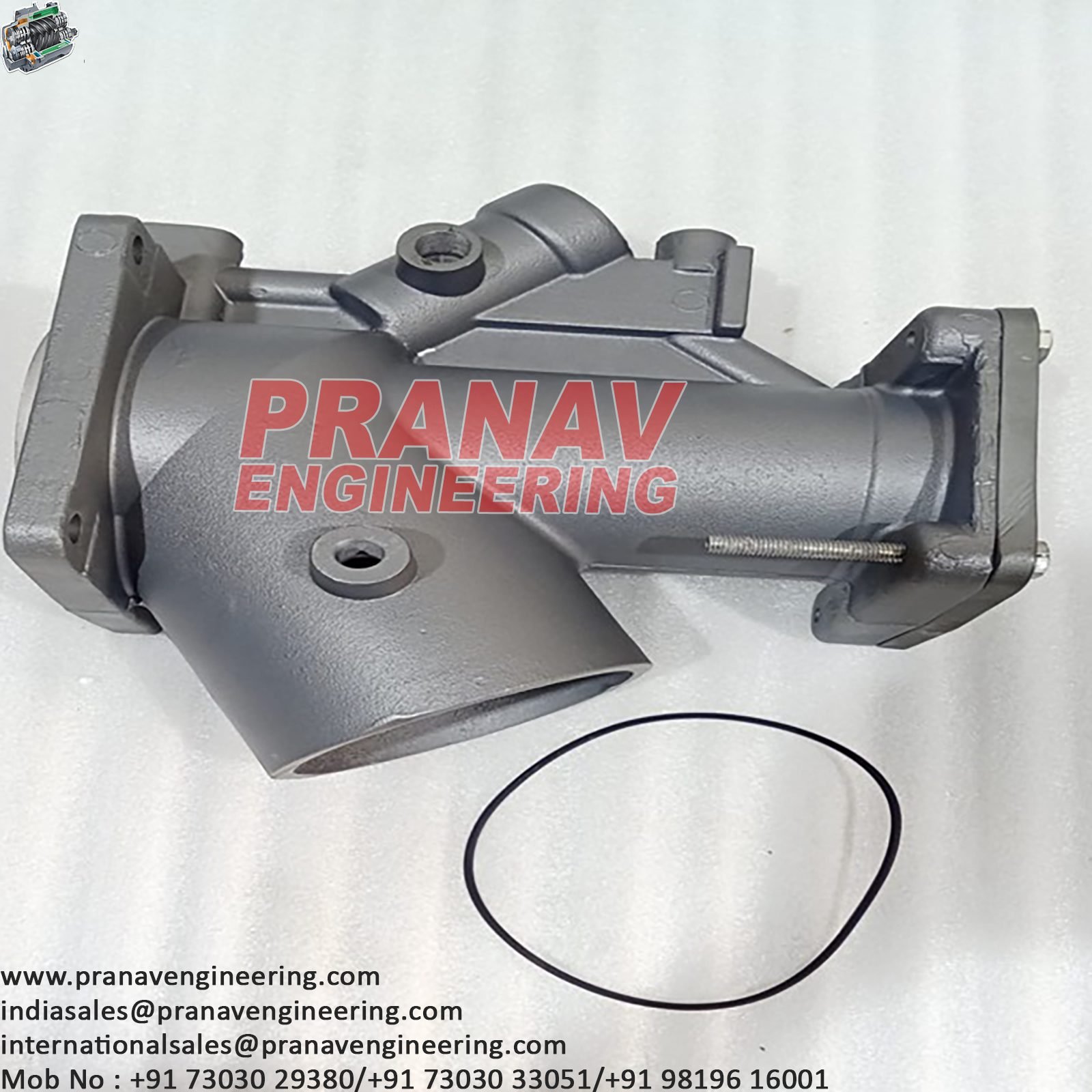
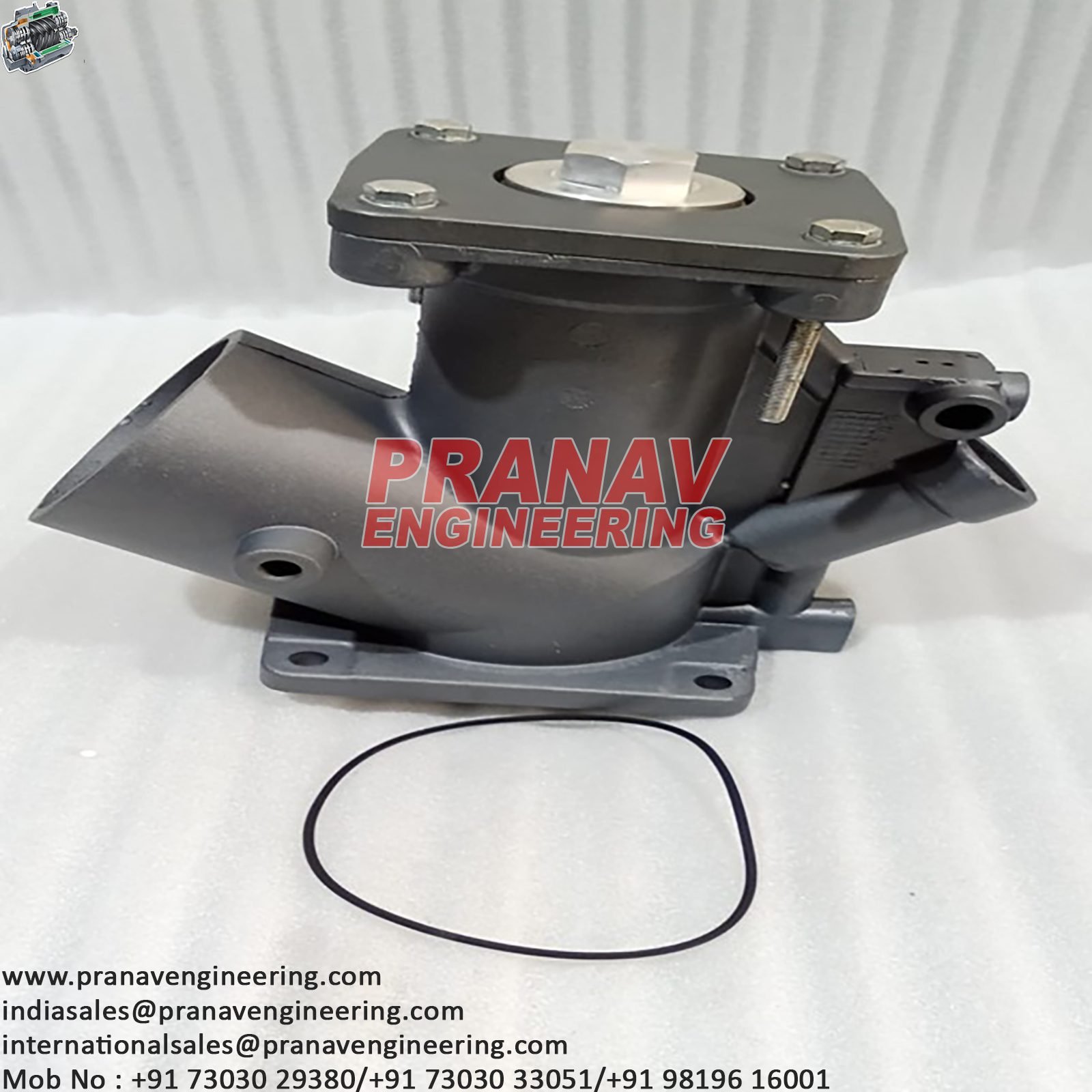
UNLOADER ASSEMBLY-1613683686
This reduces power consumption, prevents overheating, and minimizes strain on belts, bearings, pistons, and electrical parts.An unloader assembly typically consists of a valve body, plunger, spring, seals, fittings, and control linkage or pilot mechanism.
An unloader assembly for compressors is an essential mechanical component designed to reduce starting load, regulate pressure, and improve the overall efficiency of compressor systems. It plays a critical role during the startup and shutdown process by releasing trapped air pressure from the compressor head or discharge line. This ensures that the motor can restart smoothly without facing excessive resistance, helping protect internal components and extending equipment life.
The main function of an unloader assembly is to relieve pressure when the compressor stops operating. When compressed air remains trapped inside the cylinder head or delivery pipe, restarting the motor can become difficult due to the back pressure. The unloader assembly automatically vents this residual pressure, allowing the motor to start under no-load conditions. This reduces power consumption, prevents overheating, and minimizes strain on belts, bearings, pistons, and electrical parts.
An unloader assembly typically consists of a valve body, plunger, spring, seals, fittings, and control linkage or pilot mechanism. Depending on the compressor design, it may be mechanically operated, pneumatically controlled, or electrically activated. Some systems use pressure switches connected to the unloader valve, which opens when the compressor reaches cut-out pressure and closes again when pressure drops to restart the cycle.
In industrial compressor applications, unloader assemblies are widely used in reciprocating compressors, rotary screw compressors, and piston compressors. They help maintain smooth pressure control, improve operational stability, and reduce wear caused by frequent starts and stops. In larger systems, unloaders may also control compressor capacity by temporarily holding intake valves open, reducing the amount of air compressed during low demand periods.
These assemblies are manufactured using strong and durable materials such as brass, steel, aluminum, or corrosion-resistant alloys to handle pressure, vibration, and temperature variations. Internal seals are designed to resist air leakage and ensure reliable long-term performance. Proper sizing and compatibility are important to match the compressor’s pressure rating and operating conditions.