

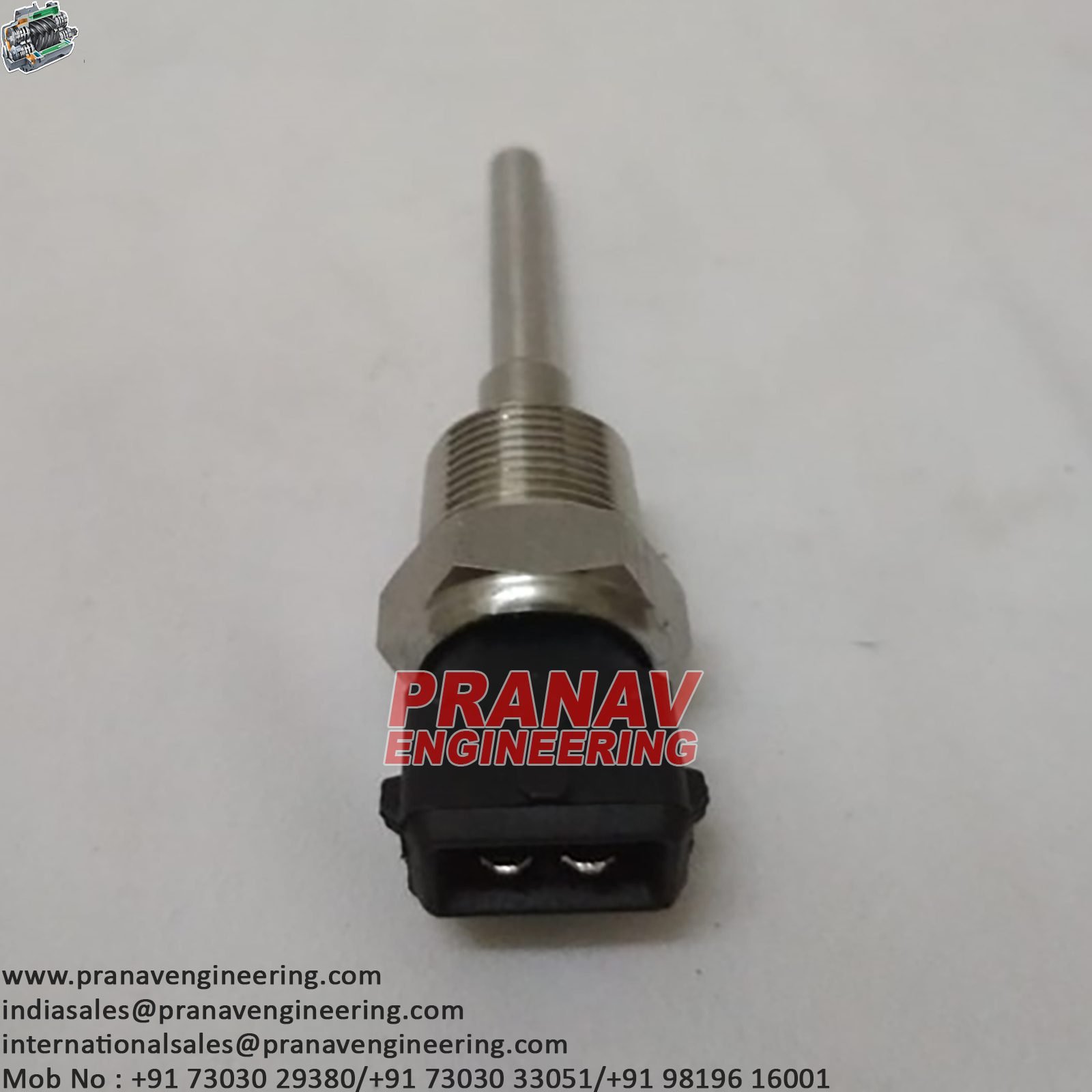
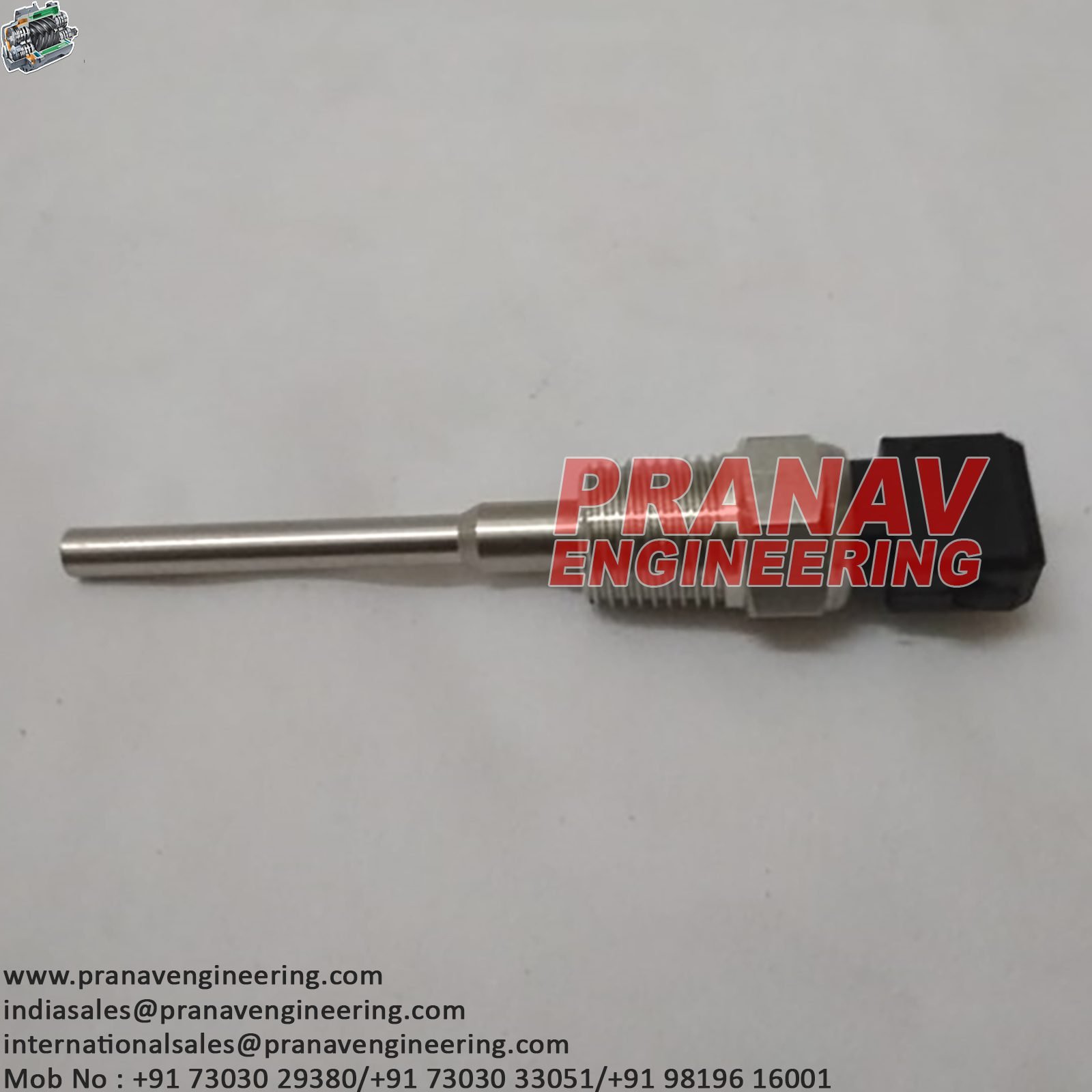
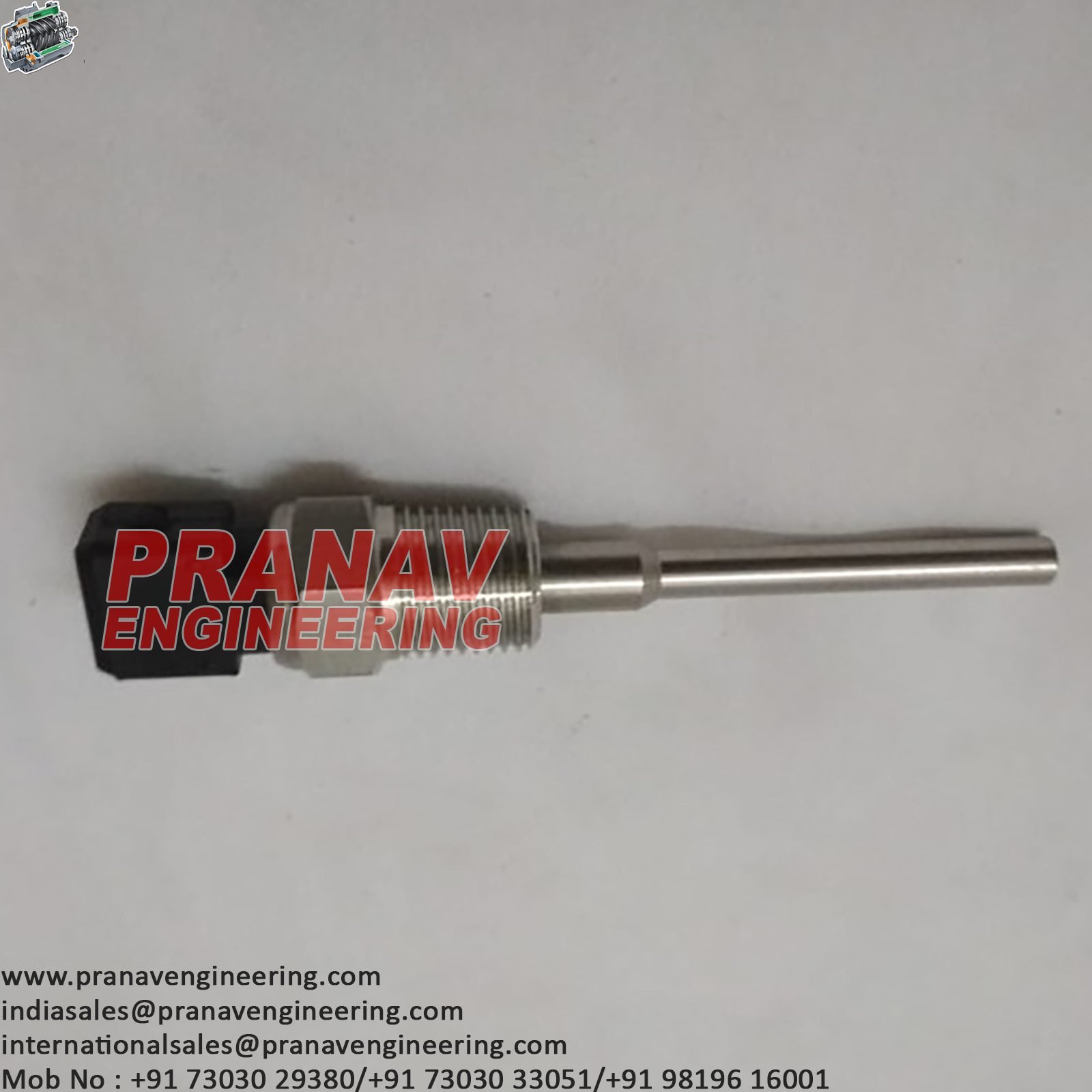
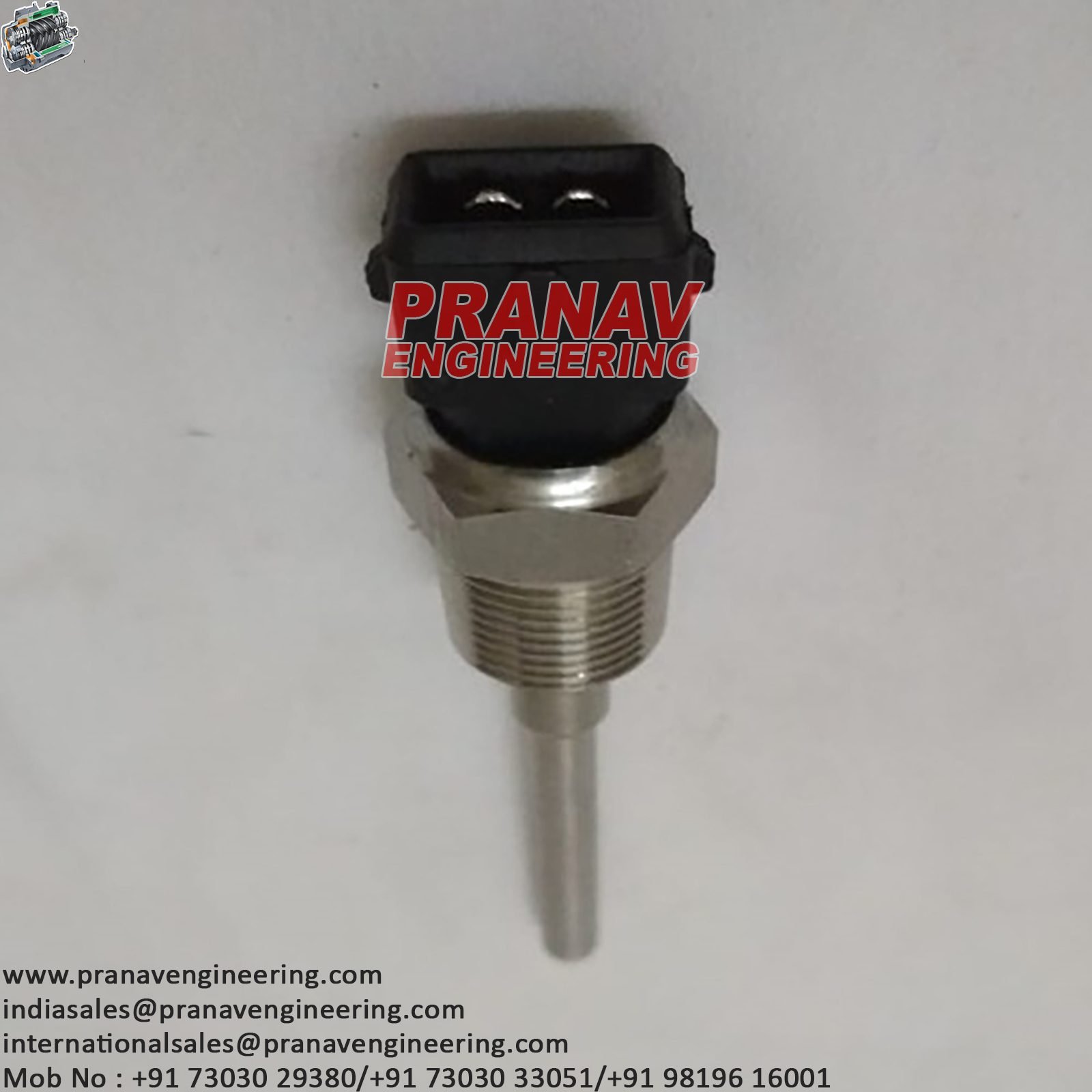
TEMPERATURE SENSOR-1089057401
The temperature sensor helps maintain safe working conditions by continuously detecting temperature changes and sending signals to the control system for corrective action.
A temperature sensor in a compressor is a vital monitoring component designed to measure heat levels during compressor operation and protect the system from overheating. Compressors generate heat naturally while compressing air or gas, and excessive temperatures can damage internal components, reduce efficiency, and shorten equipment lifespan. The temperature sensor helps maintain safe working conditions by continuously detecting temperature changes and sending signals to the control system for corrective action.
Typically installed near critical areas such as the discharge line, airend, motor winding, oil circuit, or cooling section, the sensor provides real-time temperature readings. When temperatures rise beyond the recommended operating range, the control panel can trigger alarms, activate cooling fans, reduce load, or shut down the compressor automatically to prevent severe damage. This protection function is essential for avoiding expensive repairs and unexpected downtime.
Temperature sensors are commonly made using durable materials that can withstand high pressure, vibration, and harsh industrial environments. They are designed for long service life and stable performance even in demanding conditions such as manufacturing plants, workshops, construction sites, and processing industries. Depending on compressor design, sensors may use thermistor, RTD, or thermocouple technology to provide accurate and fast temperature response.
A properly functioning temperature sensor also helps improve compressor efficiency. By ensuring the machine operates within the ideal temperature range, it supports better lubrication, smoother mechanical performance, and lower energy consumption. Overheated oil can lose viscosity, while excessive motor heat can lead to insulation failure. Monitoring these conditions allows timely maintenance and better machine reliability.
Installation of a temperature sensor is generally simple, with threaded or plug-in mounting options available for different compressor models. It is important to choose the correct size, connector type, and temperature range to ensure compatibility with the compressor system. Regular inspection and replacement of faulty sensors are recommended to maintain accurate readings and dependable protection.