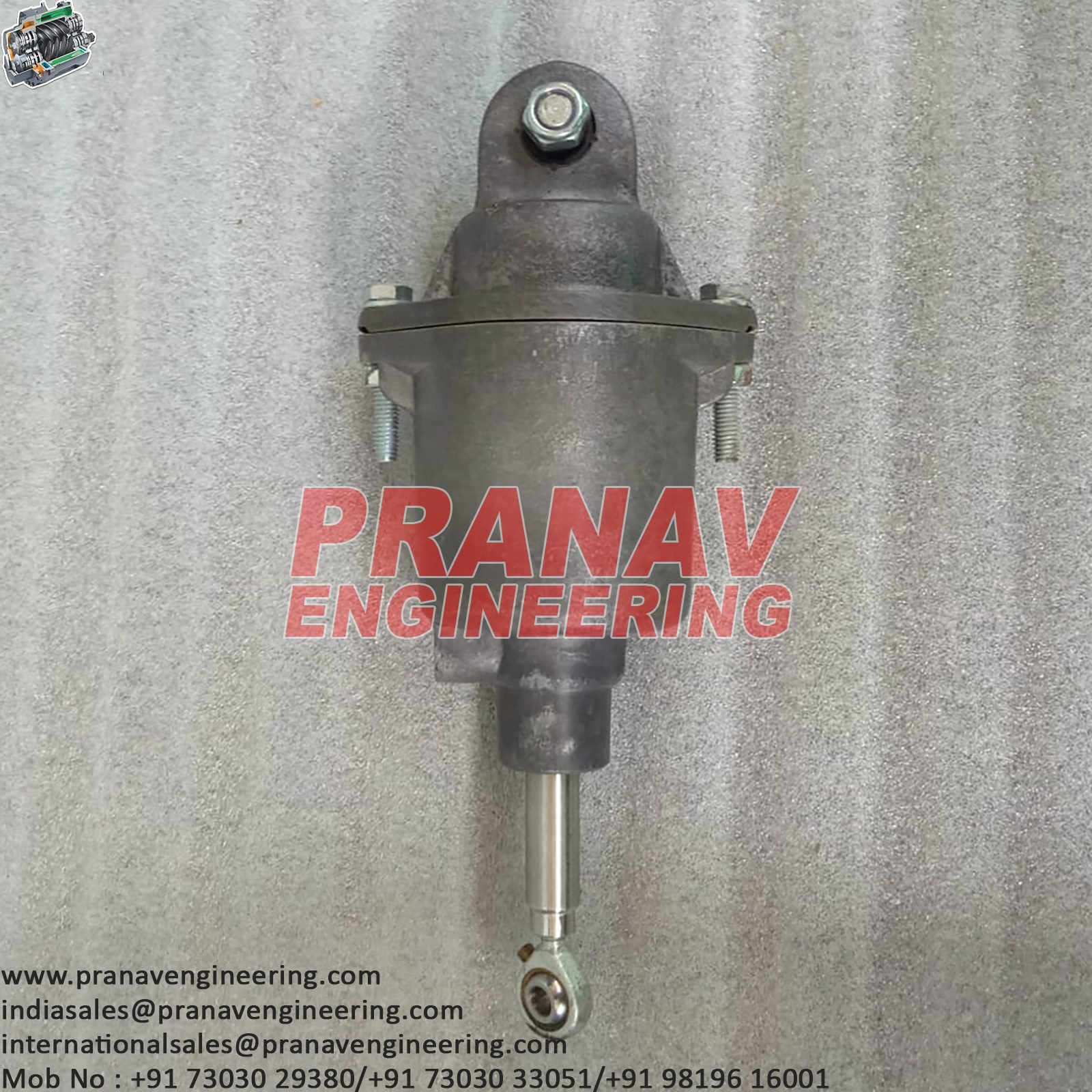
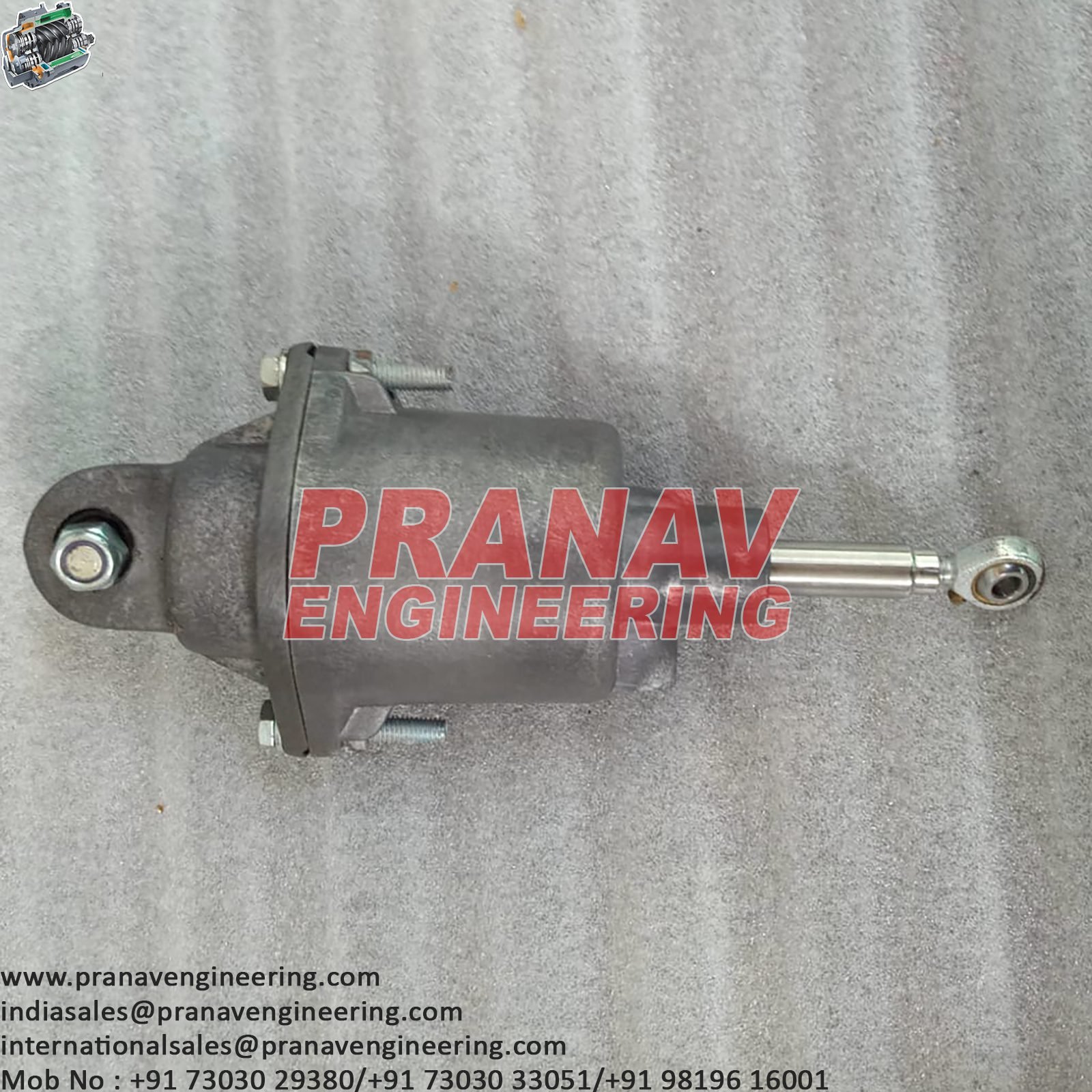
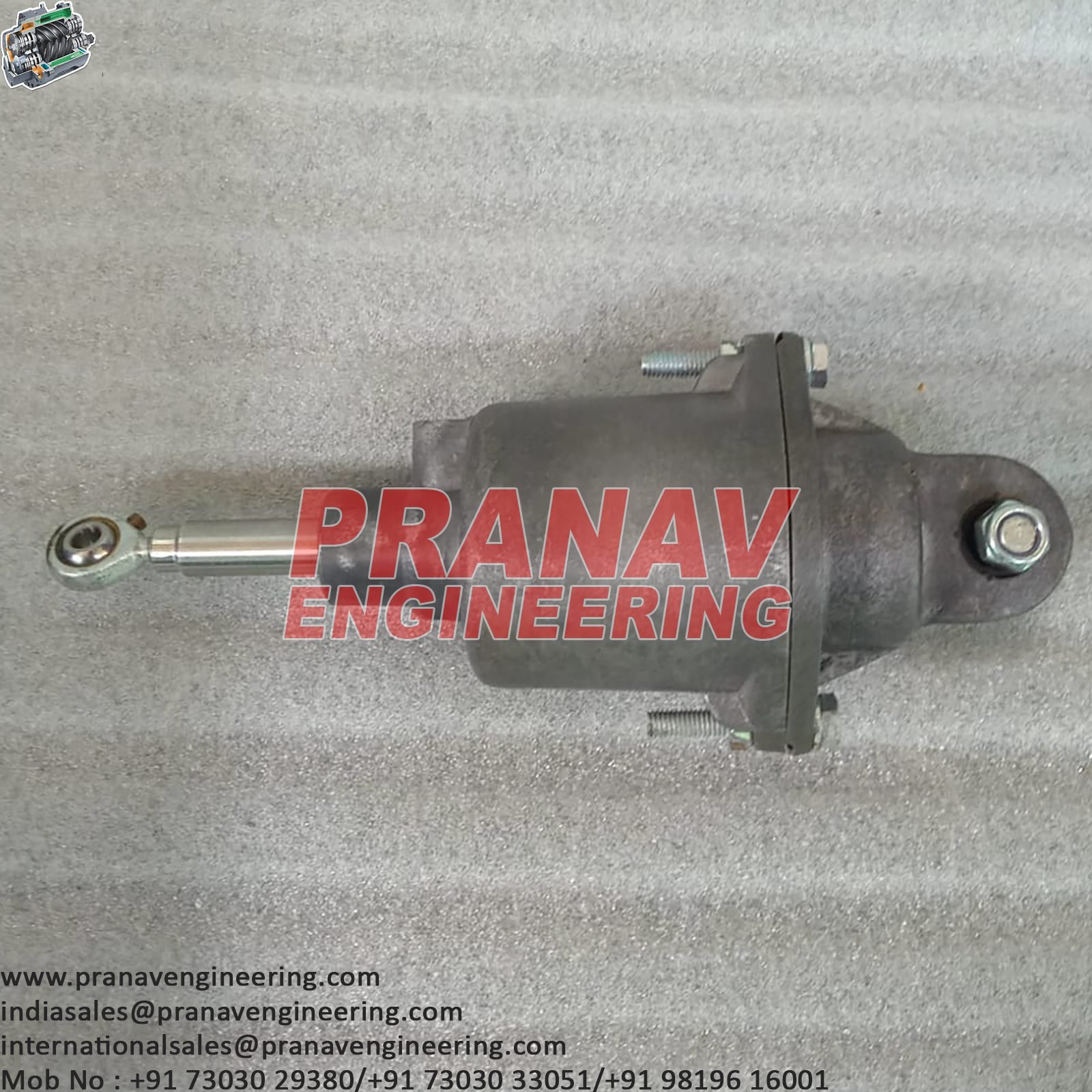
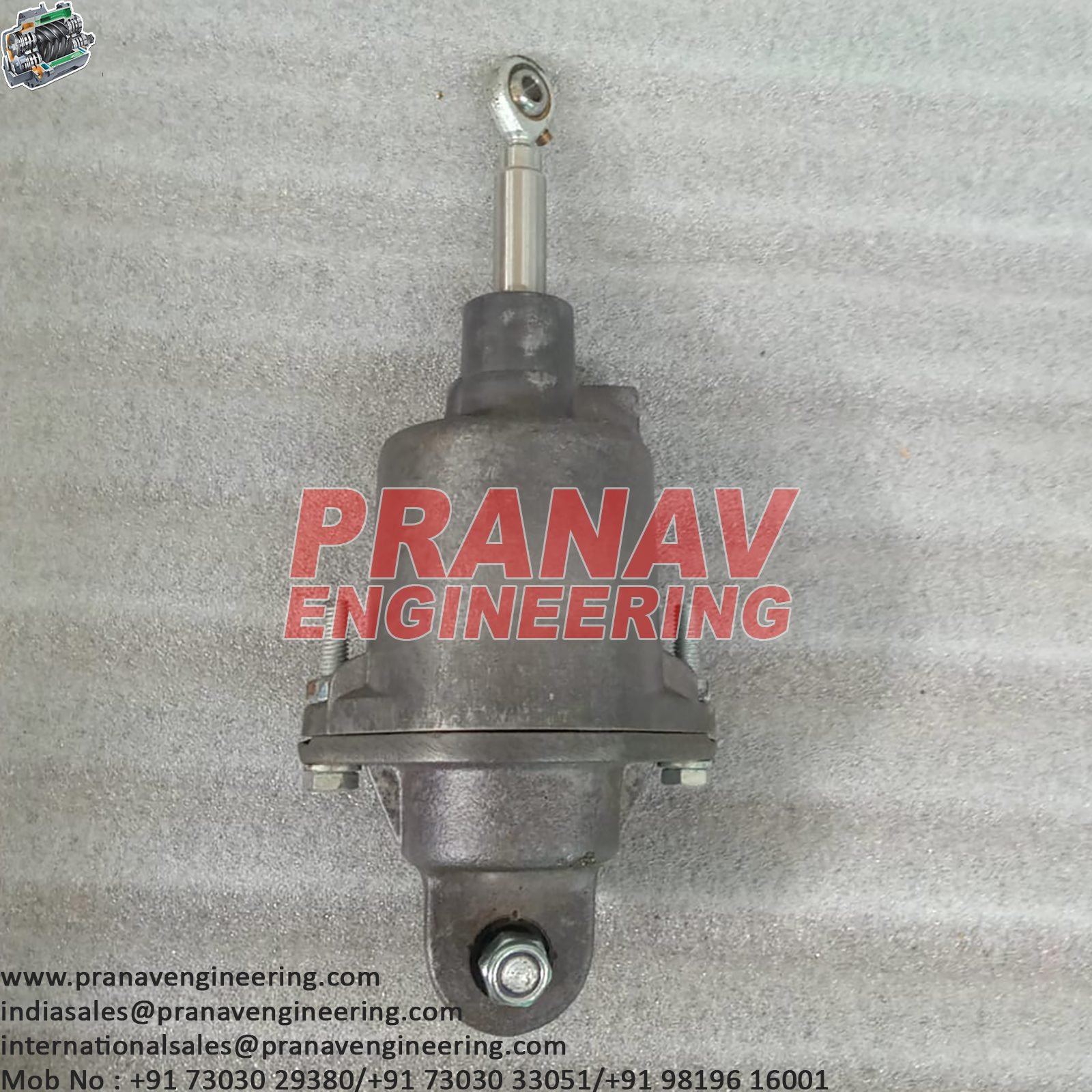
REGULATOR-1604032181
A Regulator Compressor is an important pneumatic equipment used to compress air or gas and maintain the required pressure level for safe and efficient operation of industrial systems.
A Regulator Compressor is an important pneumatic equipment used to compress air or gas and maintain the required pressure level for safe and efficient operation of industrial systems. It combines the functions of compression and pressure regulation, ensuring that compressed air is supplied at a controlled and stable pressure to downstream equipment. Regulator compressors are commonly used in manufacturing plants, workshops, process industries, instrumentation systems, and automated pneumatic machinery.
The main function of the compressor is to draw atmospheric air through an intake filter and compress it to a higher pressure. The compressed air is then stored or directly supplied to the pneumatic system. A pressure regulator controls the outlet pressure according to the requirement of the connected equipment. This prevents excessive pressure from reaching sensitive components and helps maintain consistent system performance.
A typical regulator compressor consists of several major components, including an air compressor, electric motor, air receiver tank, pressure regulator, pressure gauge, safety valve, check valve, air filter, and delivery connection. The electric motor drives the compressor mechanism, which may be of piston, rotary screw, or other suitable types. The air receiver stores compressed air and helps reduce pressure fluctuations. The regulator is used to reduce and control the pressure to the desired operating value, while the pressure gauge provides a visual indication of the regulated pressure.
The working principle is relatively simple. When the compressor is switched on, the motor drives the compression mechanism and atmospheric air is drawn into the compressor. The air is compressed and delivered to the receiver or pneumatic circuit. As the pressure increases, the regulator maintains the required downstream pressure by controlling the flow of compressed air. If the pressure exceeds the specified limit, protective devices such as the safety valve provide additional protection.
Regulator compressors offer several advantages, including stable air pressure, improved equipment protection, reduced energy losses, reliable operation, and easy pressure adjustment. They are particularly useful where pneumatic tools, control valves, cylinders, and instrumentation require a specific and constant pressure.
For reliable operation, regular maintenance is necessary. Air filters should be cleaned or replaced, connections should be checked for leakage, pressure gauges should be inspected, and moving parts should be lubricated as recommended by the manufacturer. The receiver and safety devices should also be inspected periodically.
Overall, a regulator compressor provides a dependable source of controlled compressed air and plays an essential role in maintaining the efficiency, safety, and reliability of pneumatic and industrial systems.