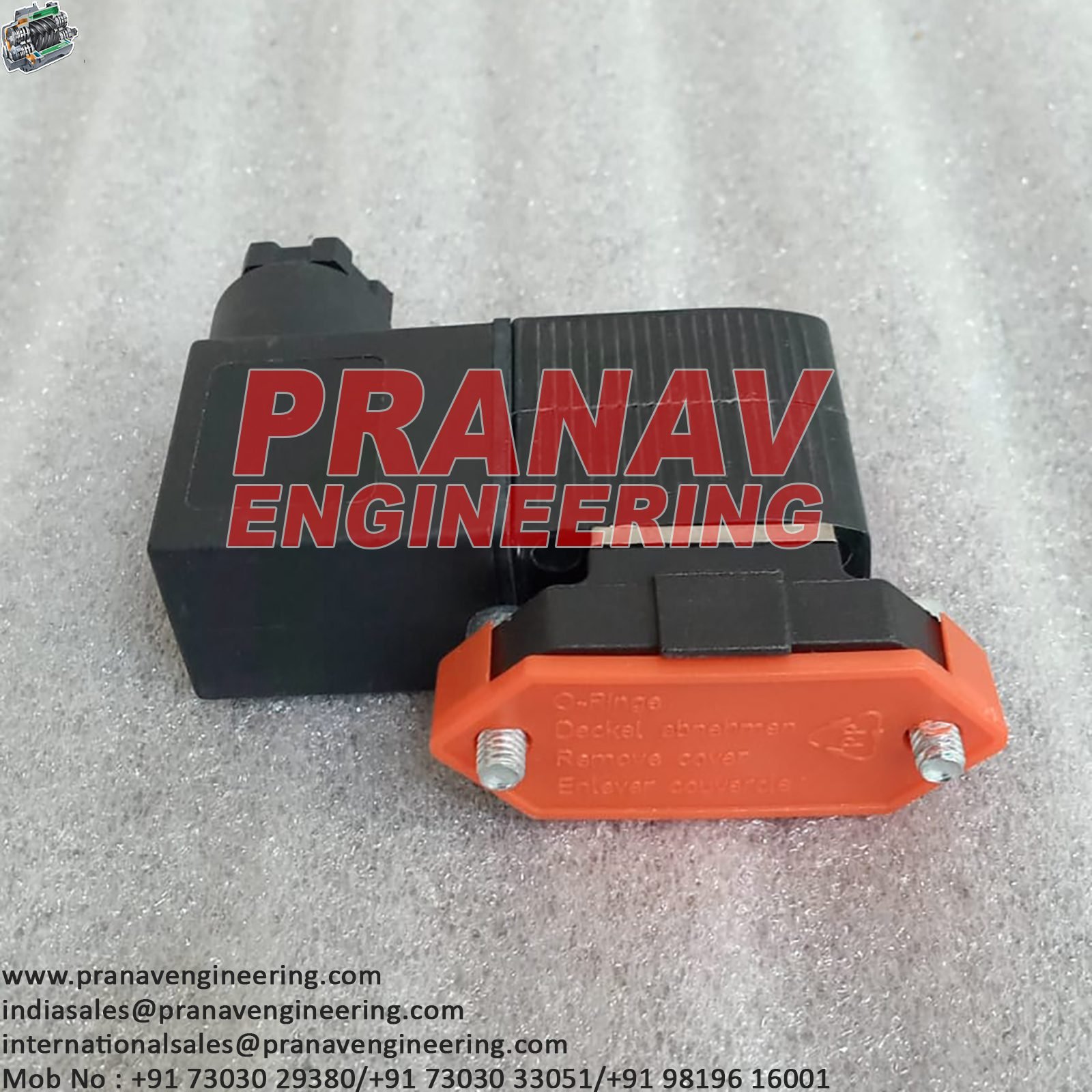
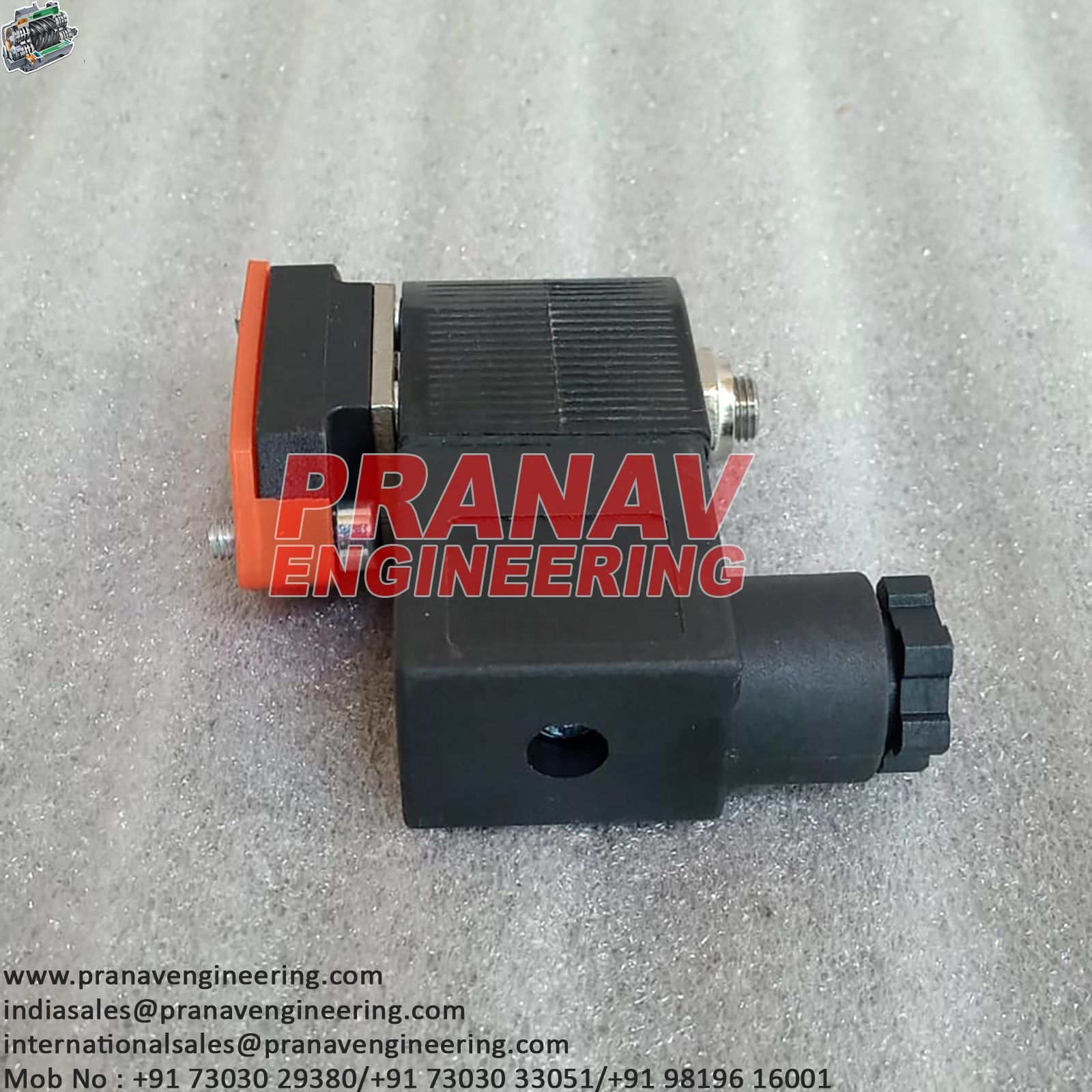
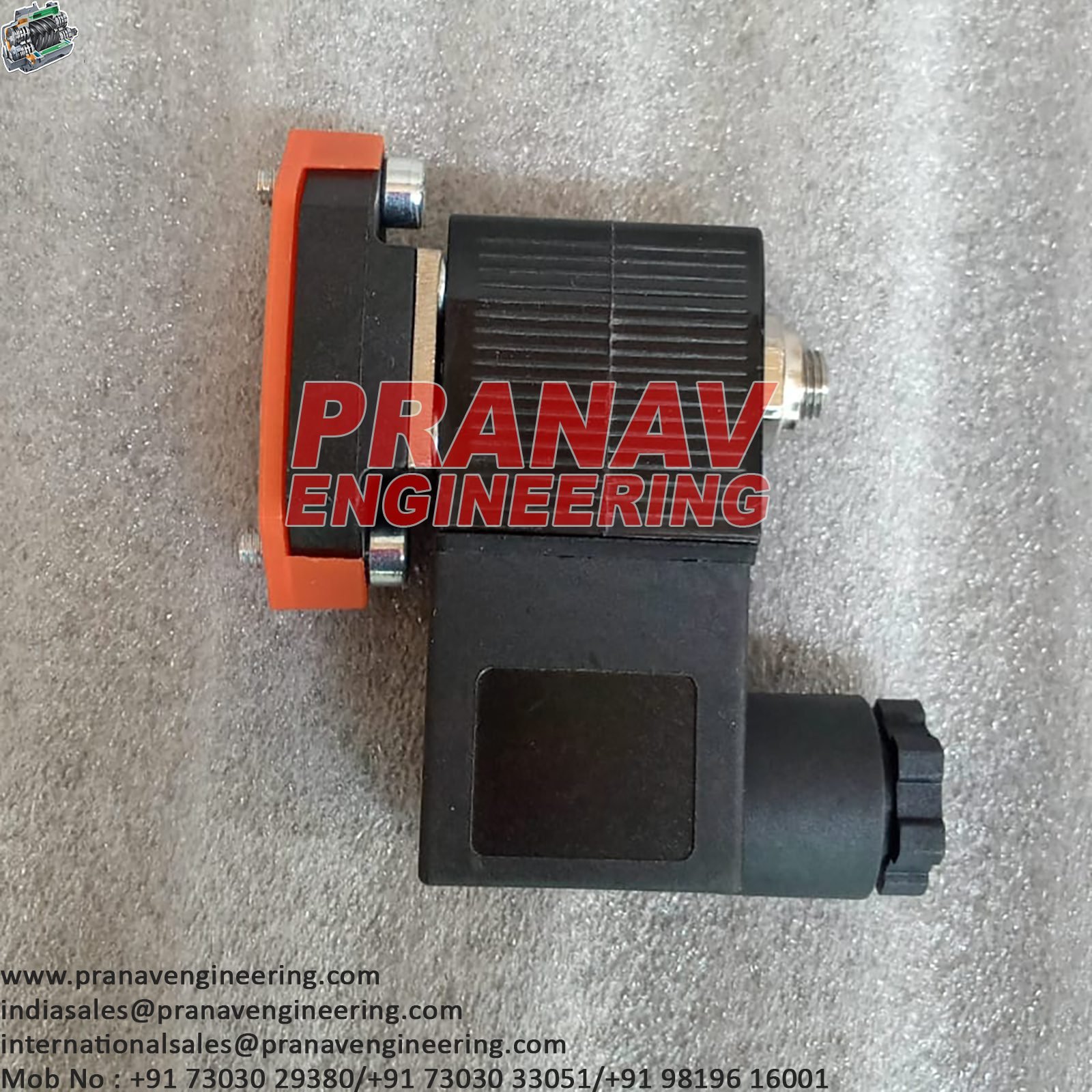
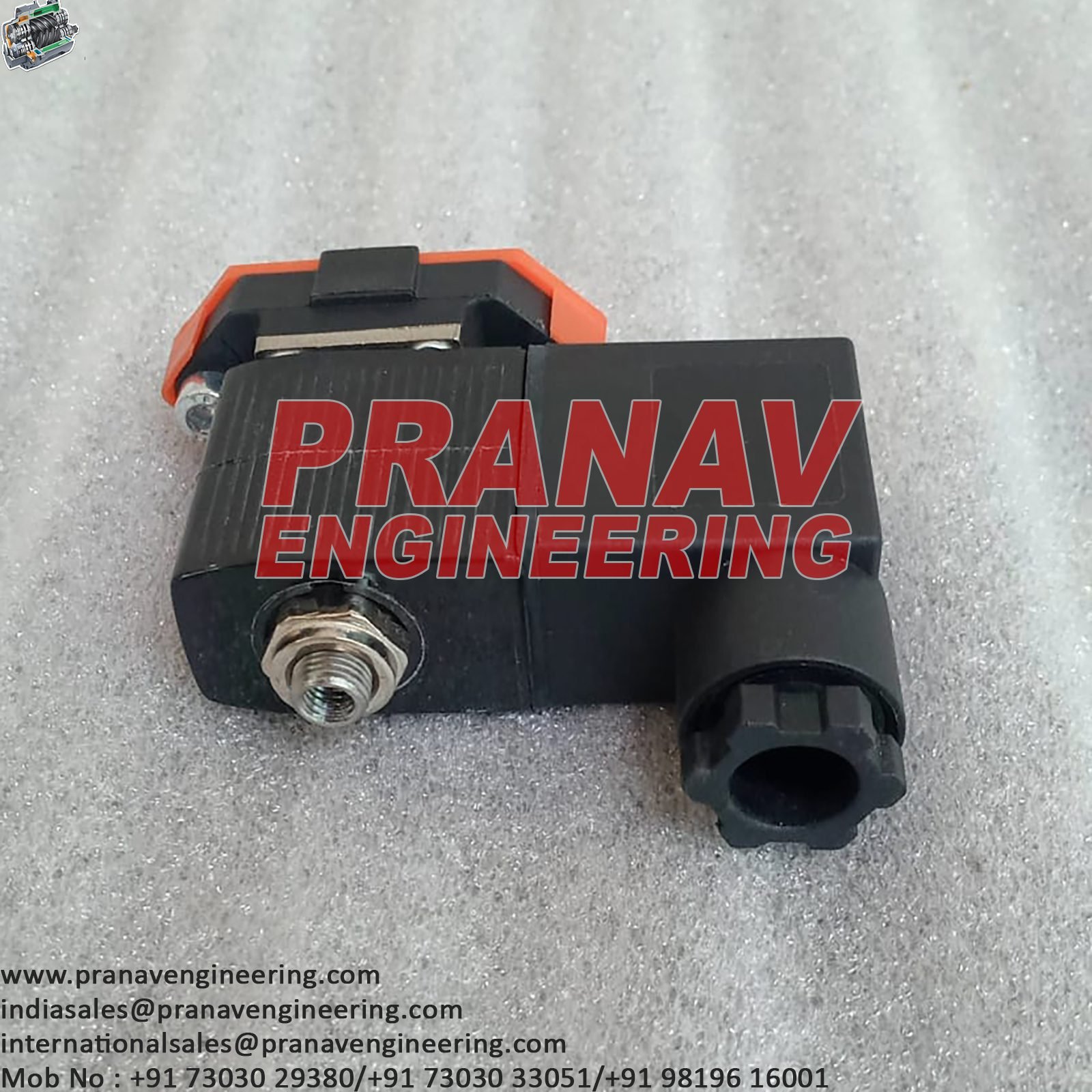
SOLENOID VALVE-1089070209
A solenoid valve is an electrically operated valve used in compressor systems to control the flow of compressed air, gas, oil, or other fluids.
A solenoid valve is an electrically operated valve used in compressor systems to control the flow of compressed air, gas, oil, or other fluids. It is an important component of the compressor control system and is used to perform automatic functions such as loading, unloading, pressure control, blowdown, drainage, and actuator operation. The solenoid valve receives an electrical signal from the compressor controller, PLC, or control panel and changes its position to control the flow through the connected piping.
A typical solenoid valve consists of a valve body, solenoid coil, plunger or armature, spring, valve seat, seals, inlet and outlet ports, and electrical terminals. The valve body contains the internal flow passage, while the solenoid coil generates a magnetic field when electrical power is supplied. This magnetic field moves the plunger, opening or closing the valve. When the electrical signal is removed, the spring normally returns the plunger to its original position. The exact operation depends on whether the valve is designed as normally closed, normally open, or another configuration.
In a compressor, solenoid valves are installed at different locations depending on their function. They may control the inlet valve, unloader system, blowdown system, minimum-pressure circuit, oil circuit, or pneumatic actuators. During normal operation, the compressor controller continuously monitors pressure and operating conditions. Based on these signals, it sends commands to the solenoid valve to change its position and control the required process.
One common application is compressor loading and unloading. When system pressure reaches a predetermined level, the controller operates the solenoid valve to unload the compressor and reduce unnecessary compression. When pressure falls below the required level, the valve changes position and allows the compressor to return to loaded operation. This automatic control helps maintain stable system pressure and can reduce energy consumption.
Solenoid valves are also used for blowdown and pressure release. During compressor shutdown, the control system can operate a solenoid valve to open the blowdown circuit and release trapped pressure from the discharge side. This helps prevent the compressor from restarting against high pressure and reduces stress on the motor and mechanical components.
Proper installation and maintenance are important for reliable operation. The valve should be installed according to the manufacturer’s flow direction and pressure requirements. Electrical connections must be secure and suitable for the specified voltage. The valve should also be protected from excessive dirt, moisture, vibration, and temperatures beyond its rated limits.
Common solenoid valve problems include coil failure, plunger sticking, seal damage, contamination, incorrect voltage, electrical connection failure, and internal leakage. Symptoms may include failure to open or close, continuous air leakage, incorrect compressor loading or unloading, or unexpected compressor shutdown.
Overall, the solenoid valve is a vital control component in a compressor system. It provides fast and automatic control of fluid flow, supports compressor loading and unloading, enables pressure-release functions, and contributes to safe and efficient compressor operation. Regular inspection, testing, cleaning, and timely replacement help ensure reliable performance and extended service life.