

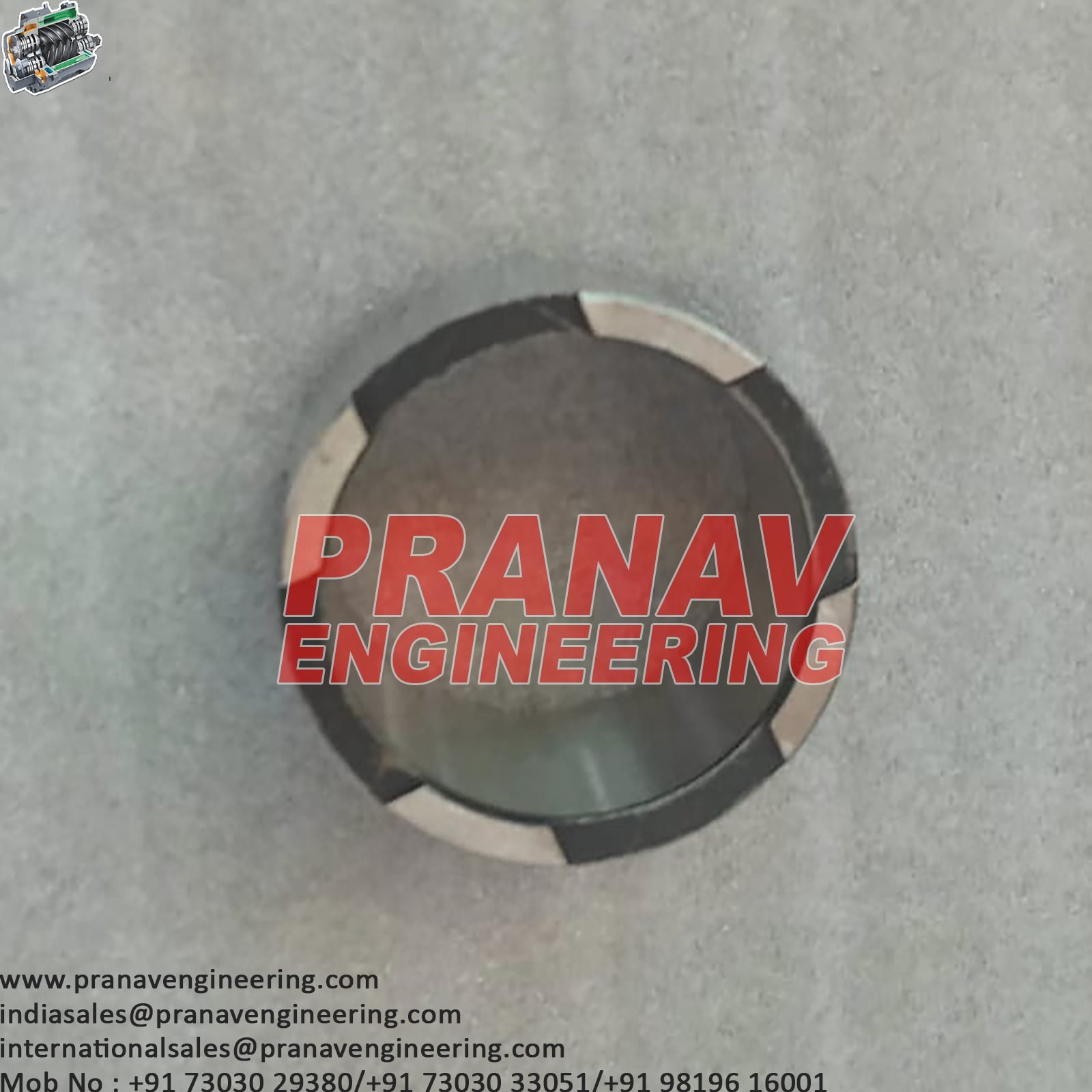
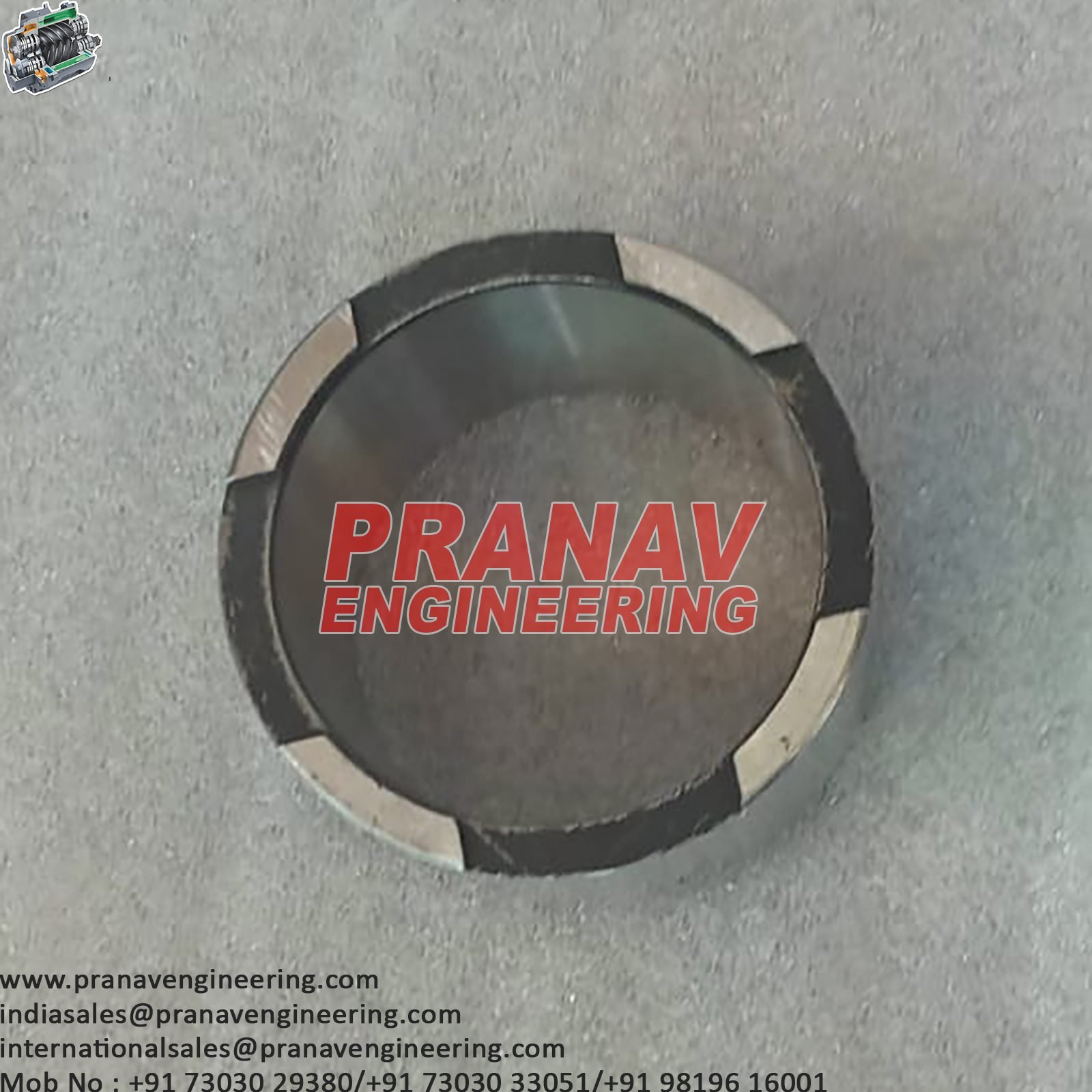
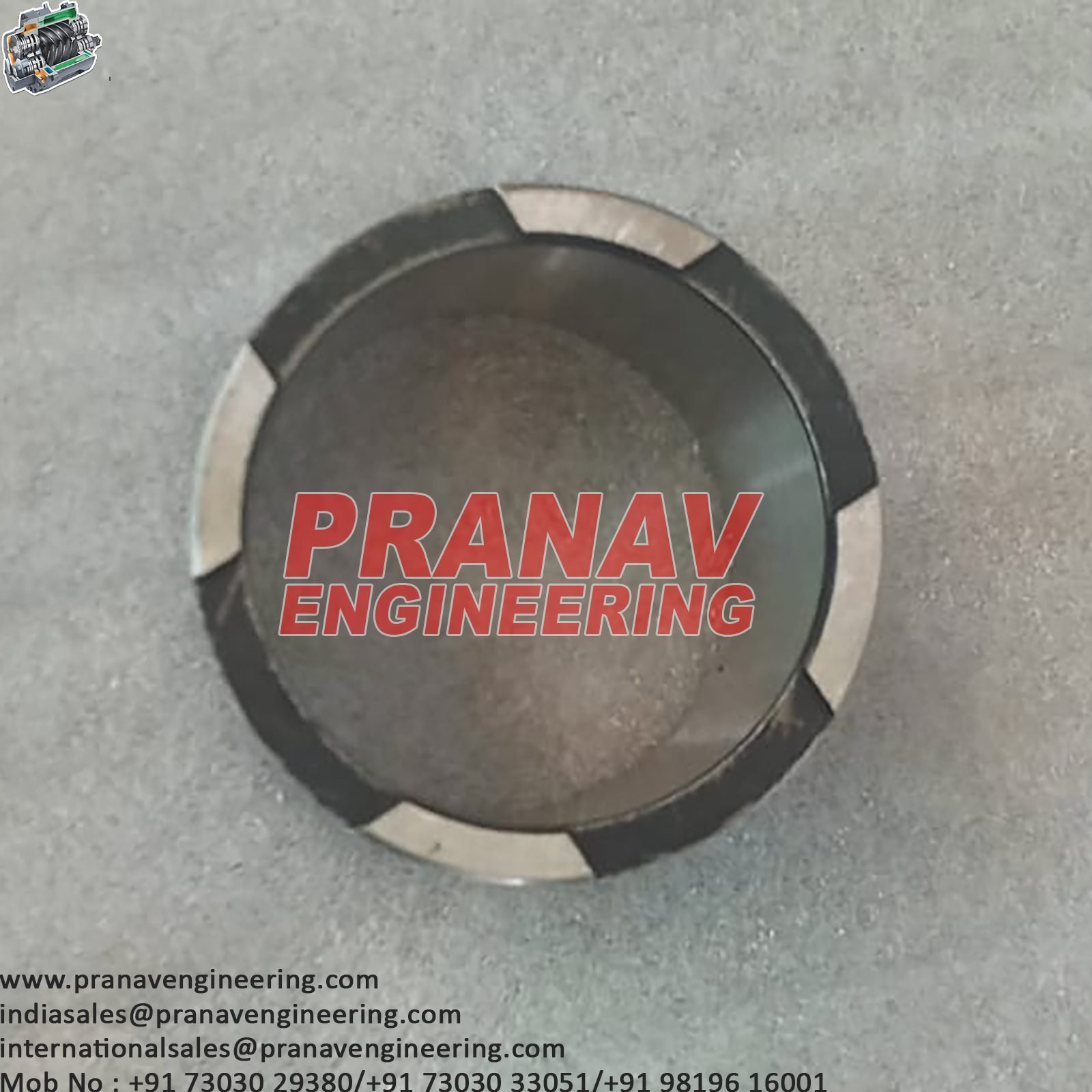
SLEEVE-22857064
The primary function of a sleeve is to protect the compressor shaft and associated components from wear and damage.
A sleeve is a cylindrical mechanical component used in compressor assemblies to provide support, protection, spacing, alignment, or a controlled bearing surface for rotating or stationary components. Sleeves are commonly used around shafts, bushings, bearings, seals, and other compressor components. Depending on the compressor design, the sleeve may be manufactured from materials such as carbon steel, stainless steel, bronze, or other wear-resistant alloys.
The primary function of a sleeve is to protect the compressor shaft and associated components from wear and damage. In rotating equipment, the shaft may operate at high speed and may be exposed to friction, vibration, pressure, temperature, and lubricating oil. A properly designed sleeve provides a replaceable wear surface and helps maintain the required dimensional clearance between moving components.
In some compressor arrangements, a sleeve is fitted over the shaft in areas where seals or bearings are installed. The sleeve provides a smooth and accurately machined surface for the sealing element to operate against. This helps reduce shaft wear and minimizes the possibility of leakage. If the sleeve becomes worn or damaged, it can often be replaced without replacing the complete shaft, depending on the manufacturer’s design.
Sleeves can also be used as spacers or positioning components. They help maintain the correct axial position of bearings, impellers, gears, collars, or other components. Maintaining the correct position and clearance is essential for reliable compressor operation. Incorrect sleeve dimensions or installation can result in shaft misalignment, excessive vibration, abnormal wear, or damage to adjacent components.
The sleeve must be manufactured to accurate dimensional tolerances. Its internal diameter, external diameter, length, surface finish, and concentricity are important parameters. The correct material is selected based on operating temperature, pressure, rotational speed, lubrication conditions, corrosion environment, and contact with other components.
During compressor operation, the sleeve may be subjected to friction, heat, vibration, and mechanical loading. Proper lubrication and alignment are therefore important for achieving long service life. Depending on the application, sleeves may be inspected for scoring, corrosion, cracks, excessive wear, surface damage, or dimensional changes.
During maintenance, the compressor should be properly isolated and depressurized before the sleeve is inspected or replaced. The mating shaft and surrounding components should also be checked for wear or damage. Before installation of a new sleeve, all surfaces should be cleaned and the specified clearances and installation procedures should be followed. Improper fitting can cause premature failure or interference with rotating components.
A damaged sleeve may cause increased vibration, leakage, abnormal noise, shaft wear, overheating, or reduced compressor performance. Early detection through regular inspection and condition monitoring can prevent more serious damage.
Overall, the sleeve is a relatively simple but important compressor component that provides protection, support, alignment, spacing, and wear resistance. Correct material selection, accurate machining, proper installation, lubrication, and periodic inspection are essential for reliable compressor operation and extended equipment service life.