
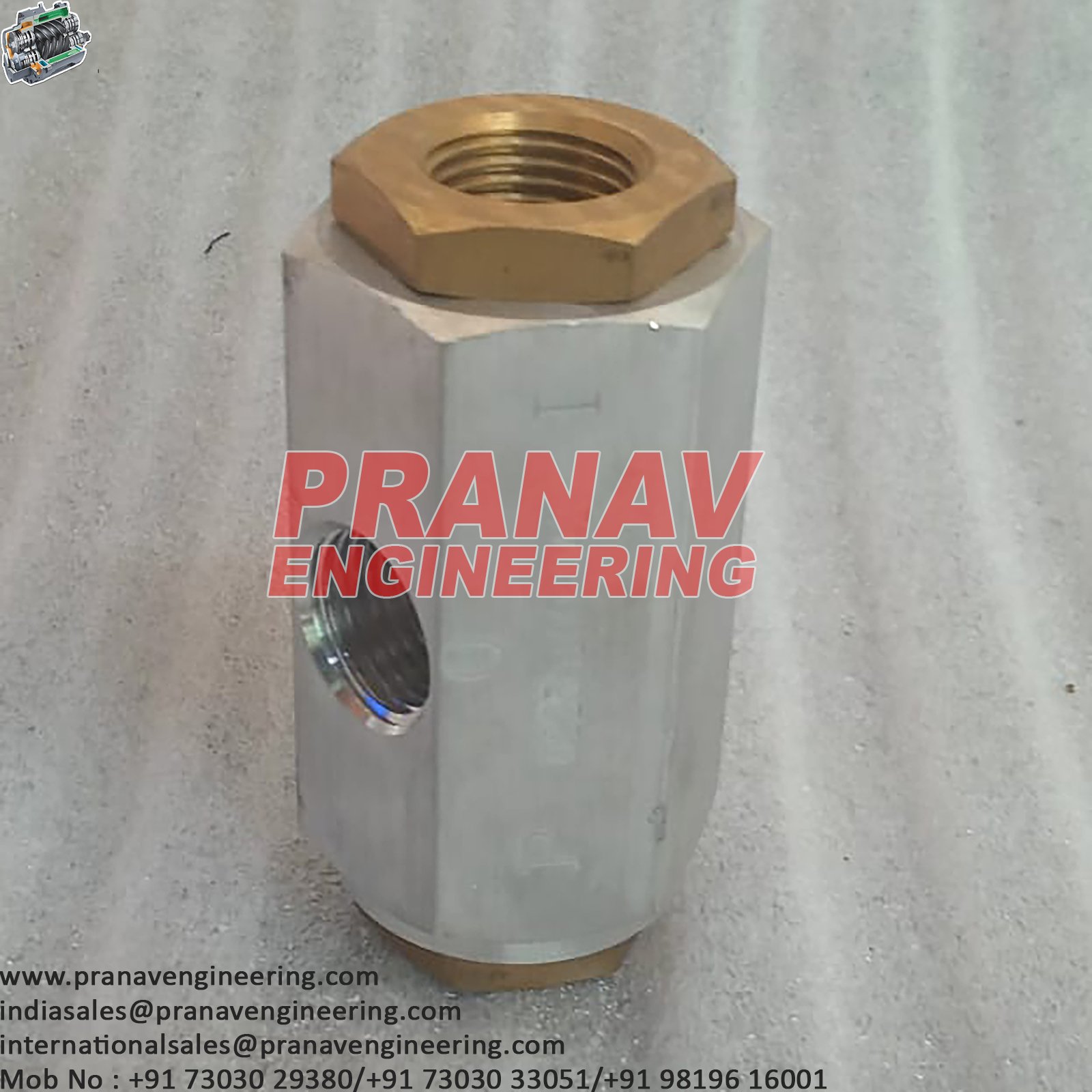
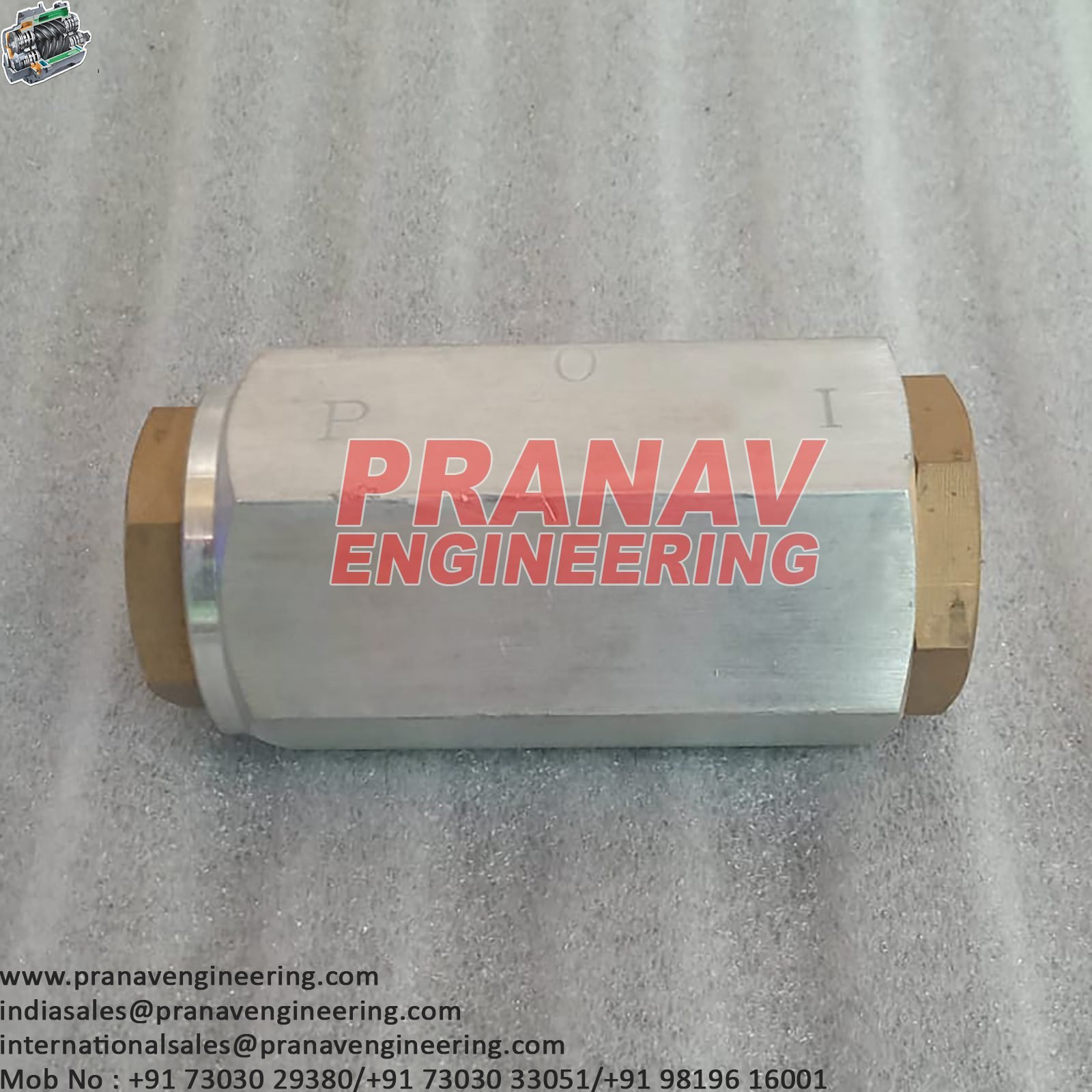
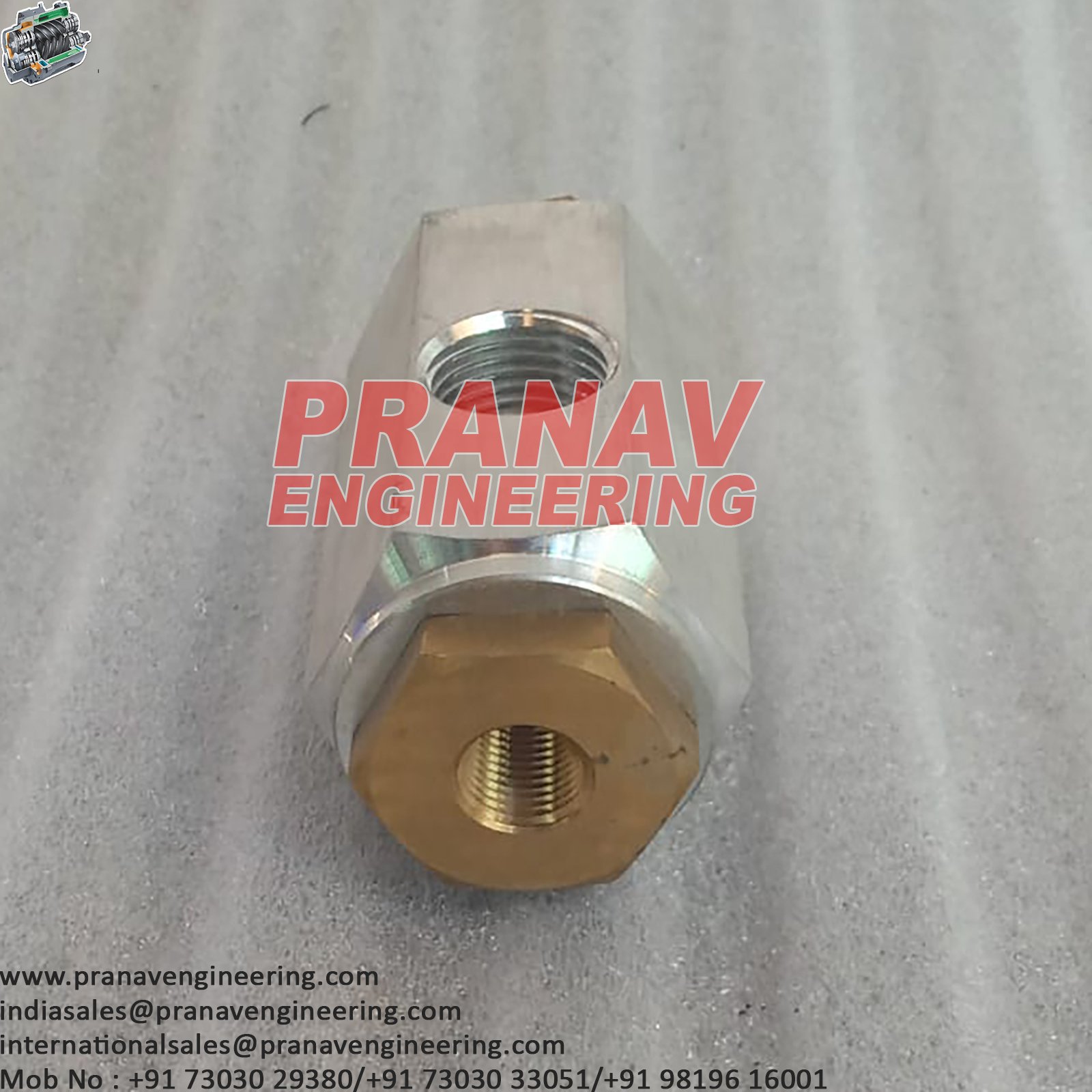
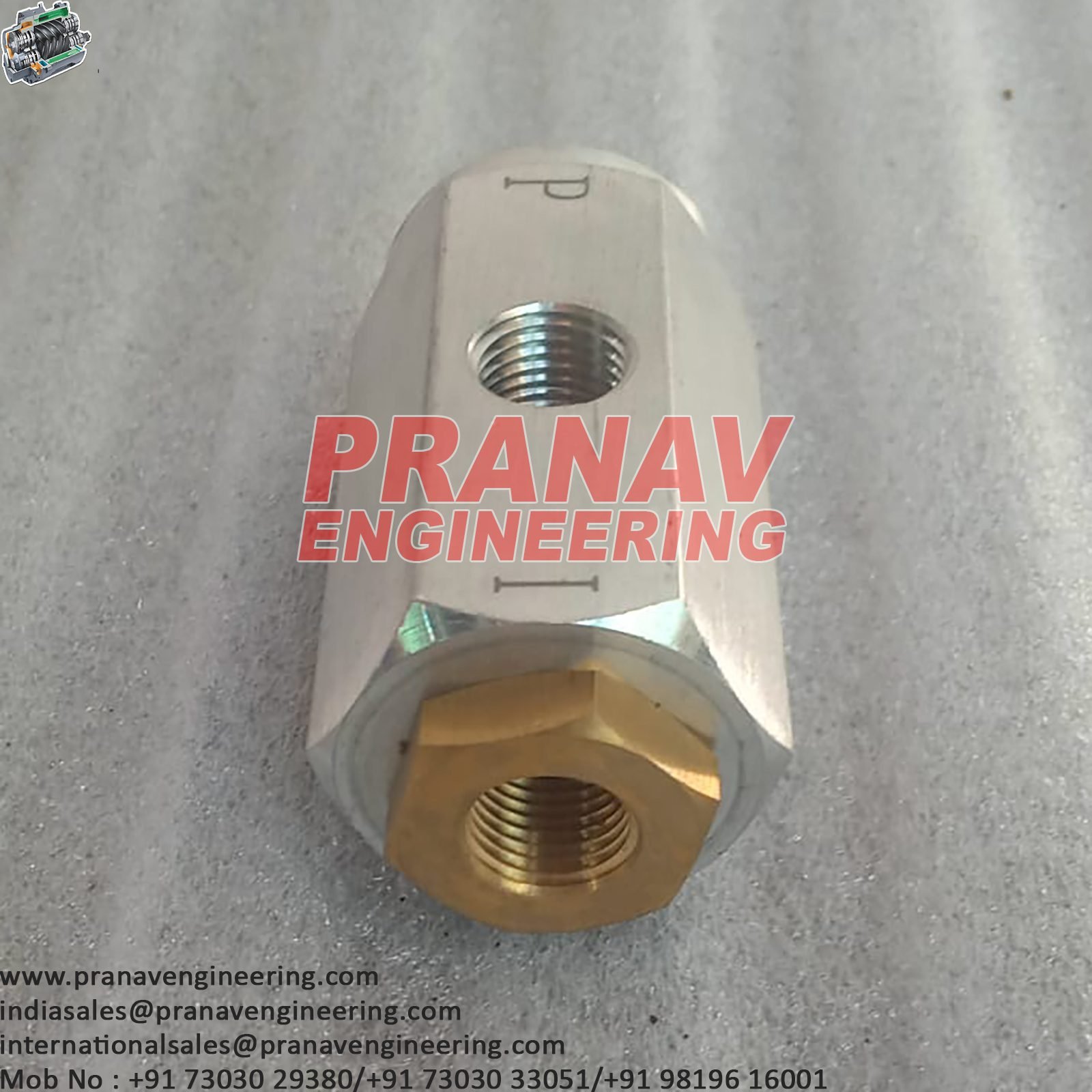
BLOWDOWN VALVE-02250100-042
The primary purpose of the blowdown valve is to release trapped compressed gas to a designated safe location, such as a flare system, vent header, or recovery system.
A compressor blowdown valve is an important component used in compressed gas systems to safely and rapidly depressurize the compressor and associated piping during shutdown, emergency conditions, maintenance, or start-up. It is generally installed on the discharge or interstage section of a compressor system, depending on the process design. The primary purpose of the blowdown valve is to release trapped compressed gas to a designated safe location, such as a flare system, vent header, or recovery system.
During normal compressor operation, the blowdown valve remains closed and maintains the required system pressure. When the compressor is stopped, particularly during an emergency shutdown (ESD), the valve can be opened to reduce the pressure in the compressor casing, discharge piping, and other connected equipment. Depressurization reduces the load on the compressor during restart and helps prevent reverse rotation or excessive mechanical stress. It also allows maintenance personnel to work on the equipment after the system has been properly isolated and depressurized.
The blowdown valve may be operated pneumatically, hydraulically, electrically, or manually, depending on the compressor design and safety requirements. In many industrial applications, an automatically actuated valve is preferred because it can respond quickly to an emergency shutdown signal. The valve is normally controlled by the compressor control or safety instrumented system. Depending on the application, the system may also include a restriction orifice to control the rate of depressurization and prevent excessive flow, vibration, noise, or temperature reduction.
Selection of a compressor blowdown valve depends on several factors, including operating pressure, temperature, gas composition, required flow rate, valve size, pressure drop, material compatibility, and required closing/opening time. The valve and associated piping must be designed to withstand the mechanical and thermal effects associated with rapid depressurization. Proper discharge routing is also essential to ensure that released gas does not create a fire, explosion, toxic exposure, or environmental hazard.
Regular inspection and maintenance of the blowdown valve are essential for reliable operation. The valve should be checked for leakage, actuator performance, correct stroke, instrument-air or power supply, corrosion, and proper operation of associated control systems. Functional testing should be carried out according to the plant maintenance schedule and applicable safety procedures.
Overall, the compressor blowdown valve is a critical safety and operational device. It provides controlled depressurization of the compressor system, supports safe shutdown and maintenance activities, and helps protect equipment and personnel from the hazards associated with high-pressure compressed gases.