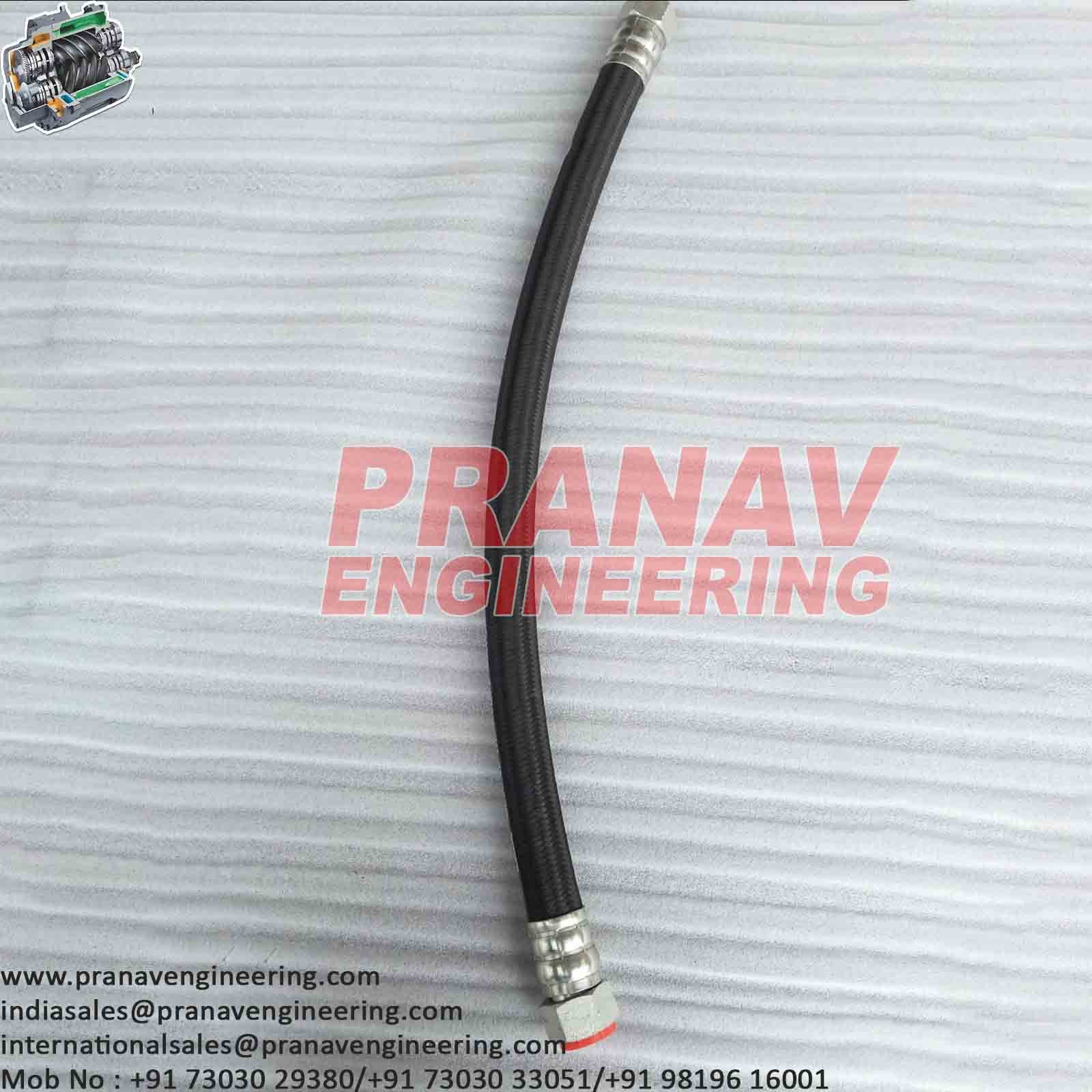
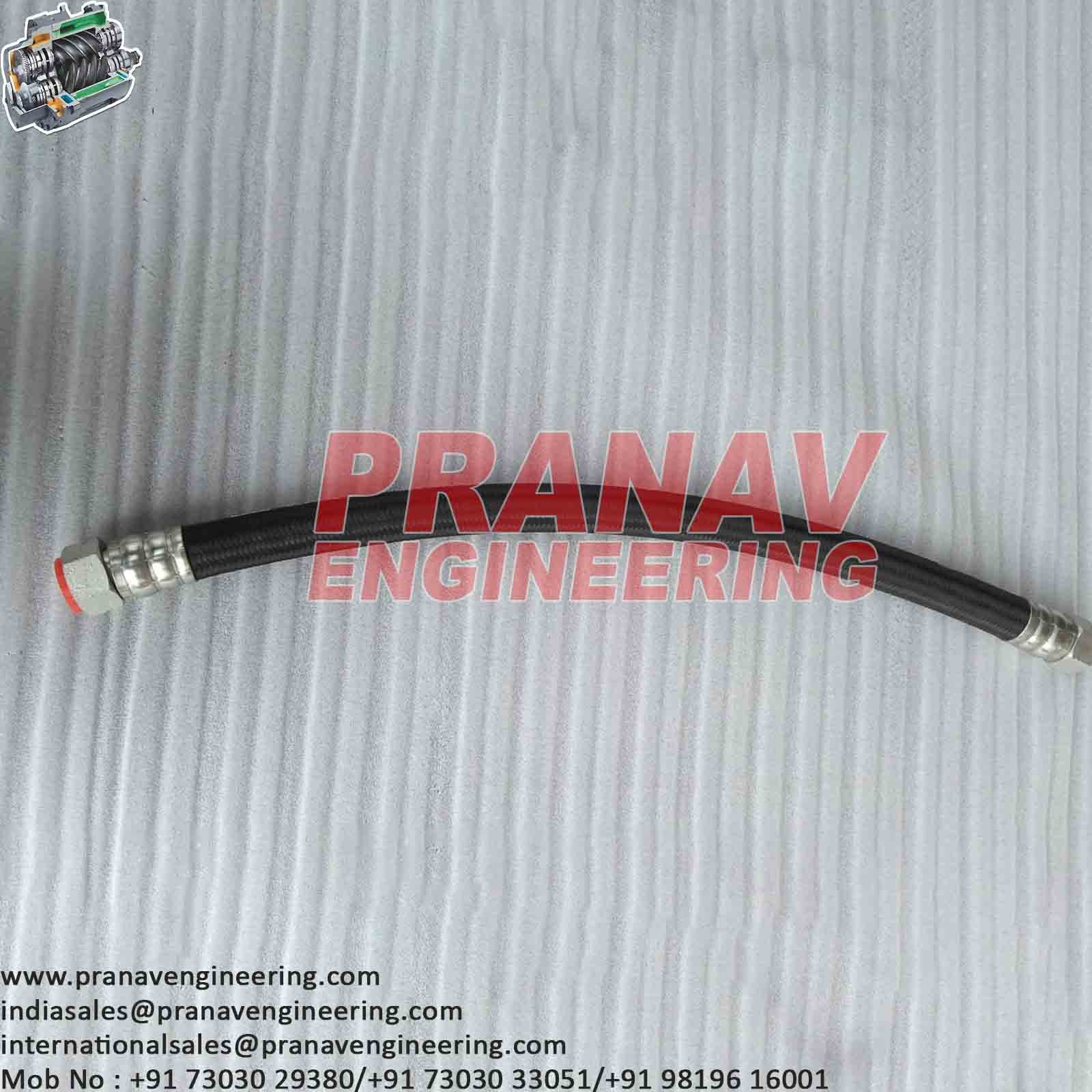
HOSE-23834187
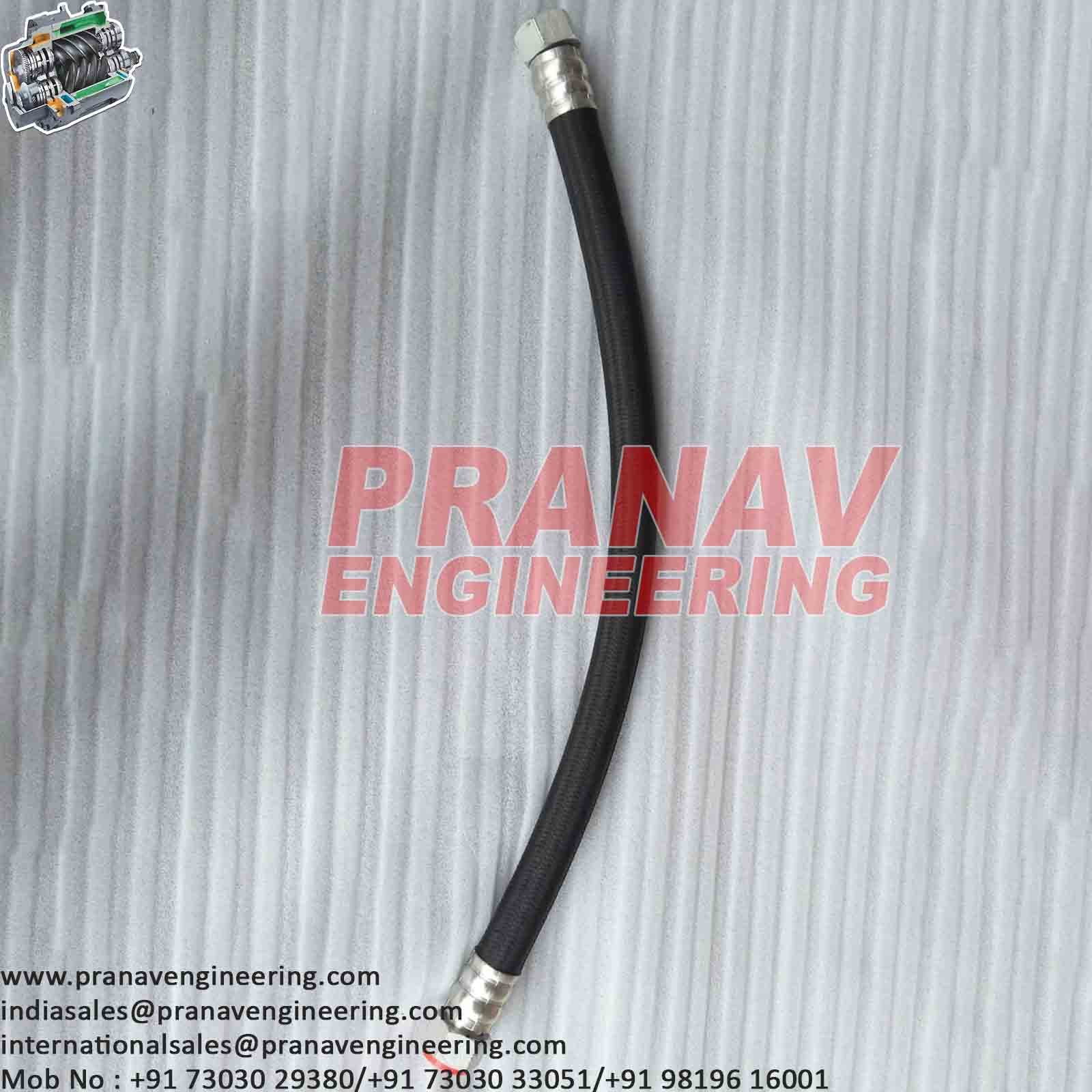
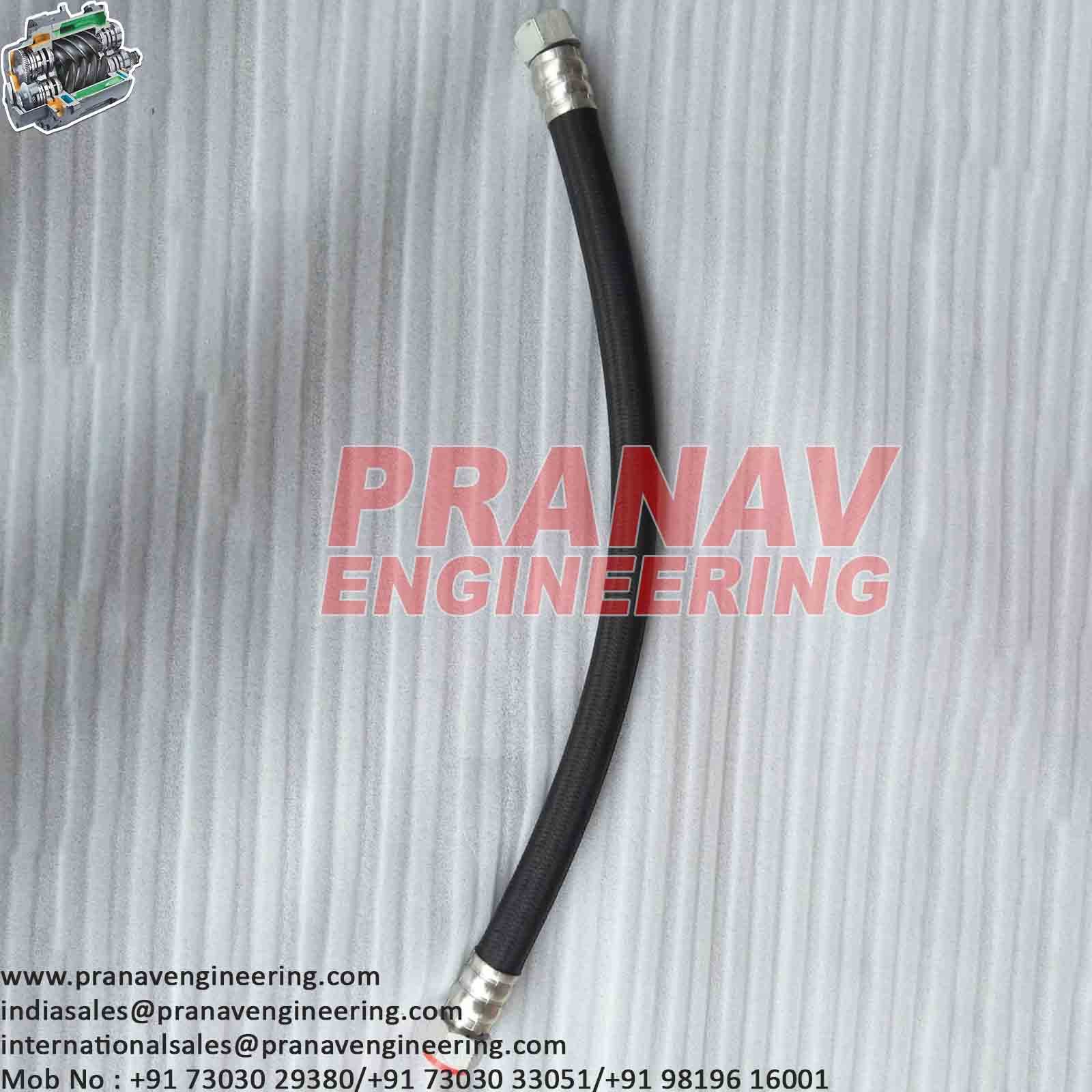
A typical hose compressor consists of a compressor pump, electric motor or engine, air receiver tank, pressure switch, safety valve, pressure gauge, air outlet, and flexible hose.
A hose compressor is a mechanical device used to compress and pressurize air or gas for various industrial, commercial, and workshop applications. It is commonly used where compressed air is required to operate pneumatic tools, spray equipment, cleaning systems, machinery, and other air-powered devices. The compressor draws atmospheric air through an inlet, compresses it to a higher pressure, and delivers the compressed air through a hose or connected piping system.
A typical hose compressor consists of a compressor pump, electric motor or engine, air receiver tank, pressure switch, safety valve, pressure gauge, air outlet, and flexible hose. The pump is driven by the motor, which causes the compressor mechanism to draw air into the cylinder or compression chamber. The air is then compressed and stored in the receiver tank. When compressed air is required, it is supplied through the outlet hose at the desired pressure.
One of the main advantages of a hose compressor is its versatility. The flexible hose allows compressed air to be delivered to equipment located at a distance from the compressor. This makes it particularly useful in workshops, construction sites, manufacturing plants, garages, service stations, and maintenance operations. Depending on the application, compressors are available in different capacities, pressure ratings, and configurations.
Hose compressors can use different compression technologies, including reciprocating piston, rotary screw, and rotary vane systems. Piston compressors are commonly used for small and medium-duty applications, while rotary screw compressors are preferred for continuous industrial operations because they can provide a steady supply of compressed air.
Proper maintenance is essential for reliable and safe operation. Regular inspection of the hose, fittings, air filter, oil level, pressure controls, and safety valve helps prevent leakage and equipment failure. The hose should be selected according to the compressor’s operating pressure and application requirements, and damaged or worn hoses should be replaced immediately.
Overall, a hose compressor is an important piece of equipment for generating and supplying compressed air efficiently. Its compact design, flexible air delivery, and wide range of applications make it valuable in both industrial and general-purpose environments. Choosing the correct compressor capacity, operating pressure, hose size, and material ensures efficient performance, longer service life, and safe operation.