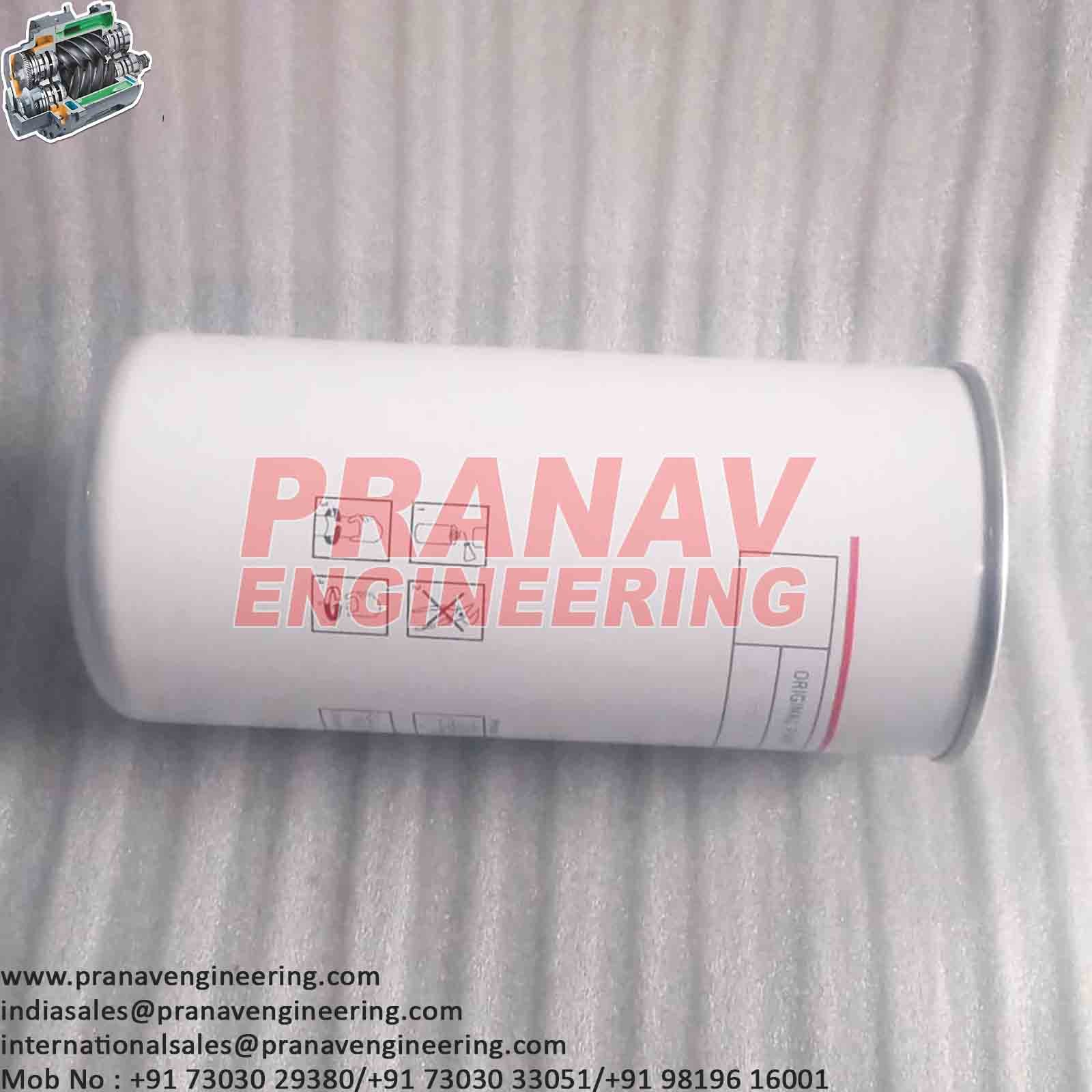
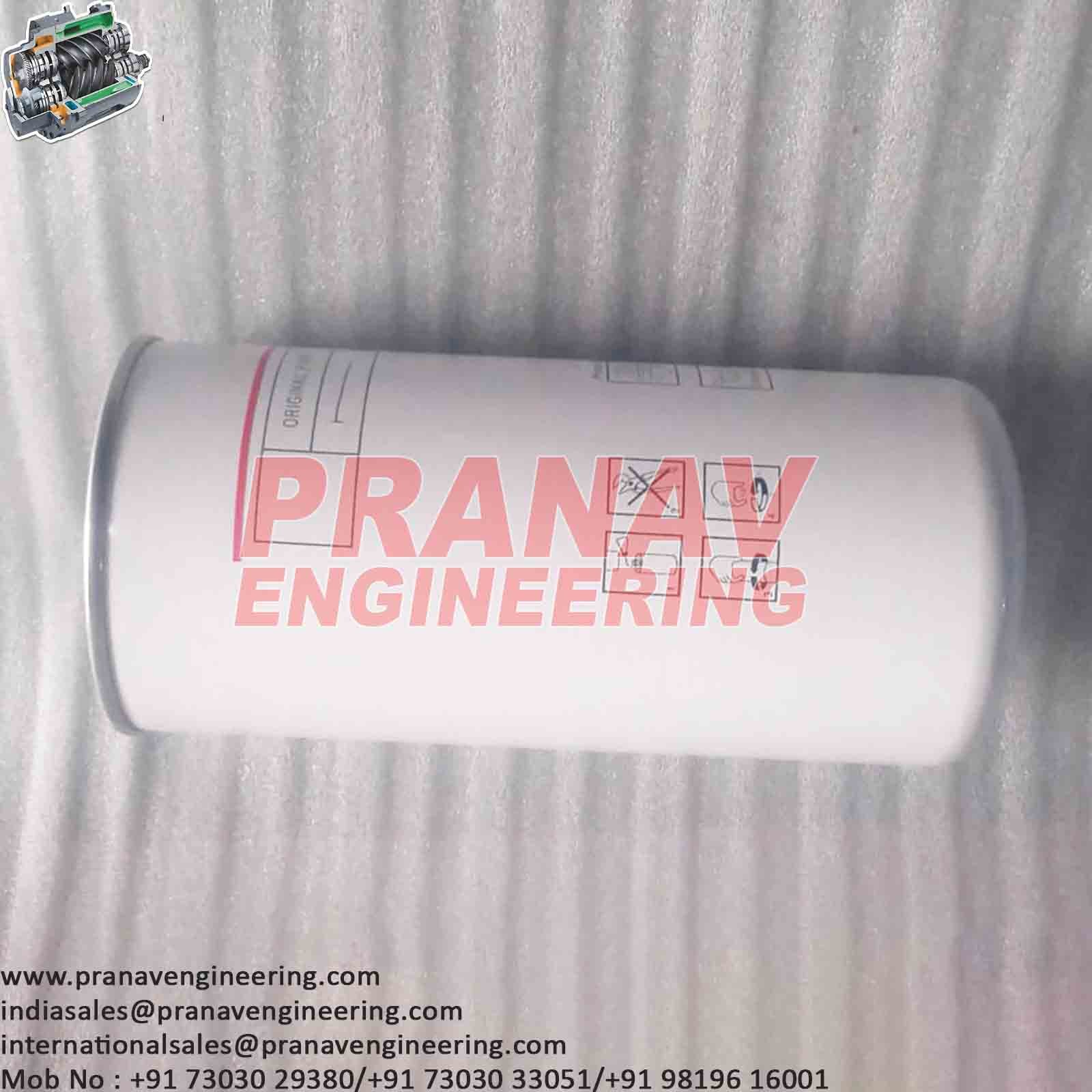
OIL FILTER-6.1979.1
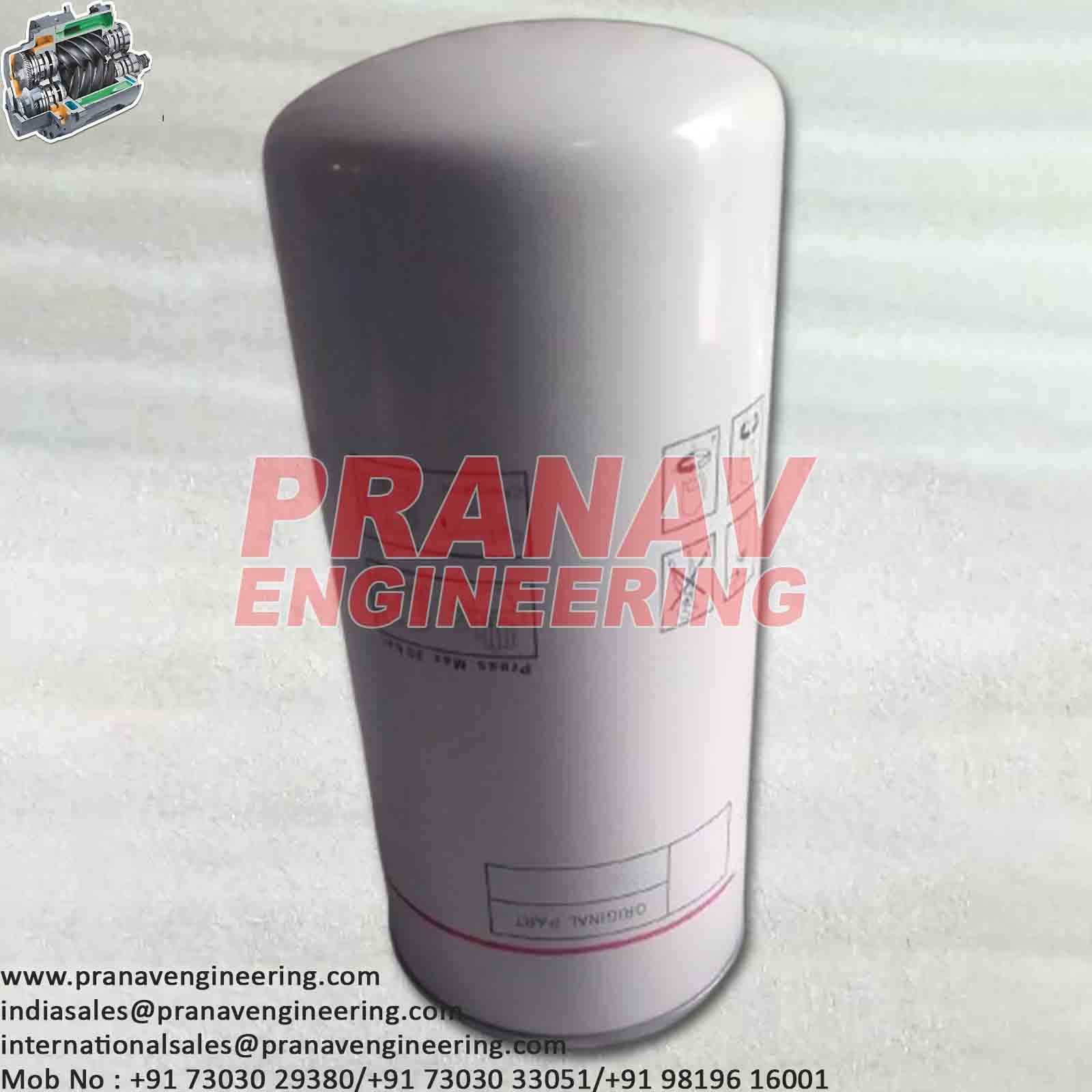
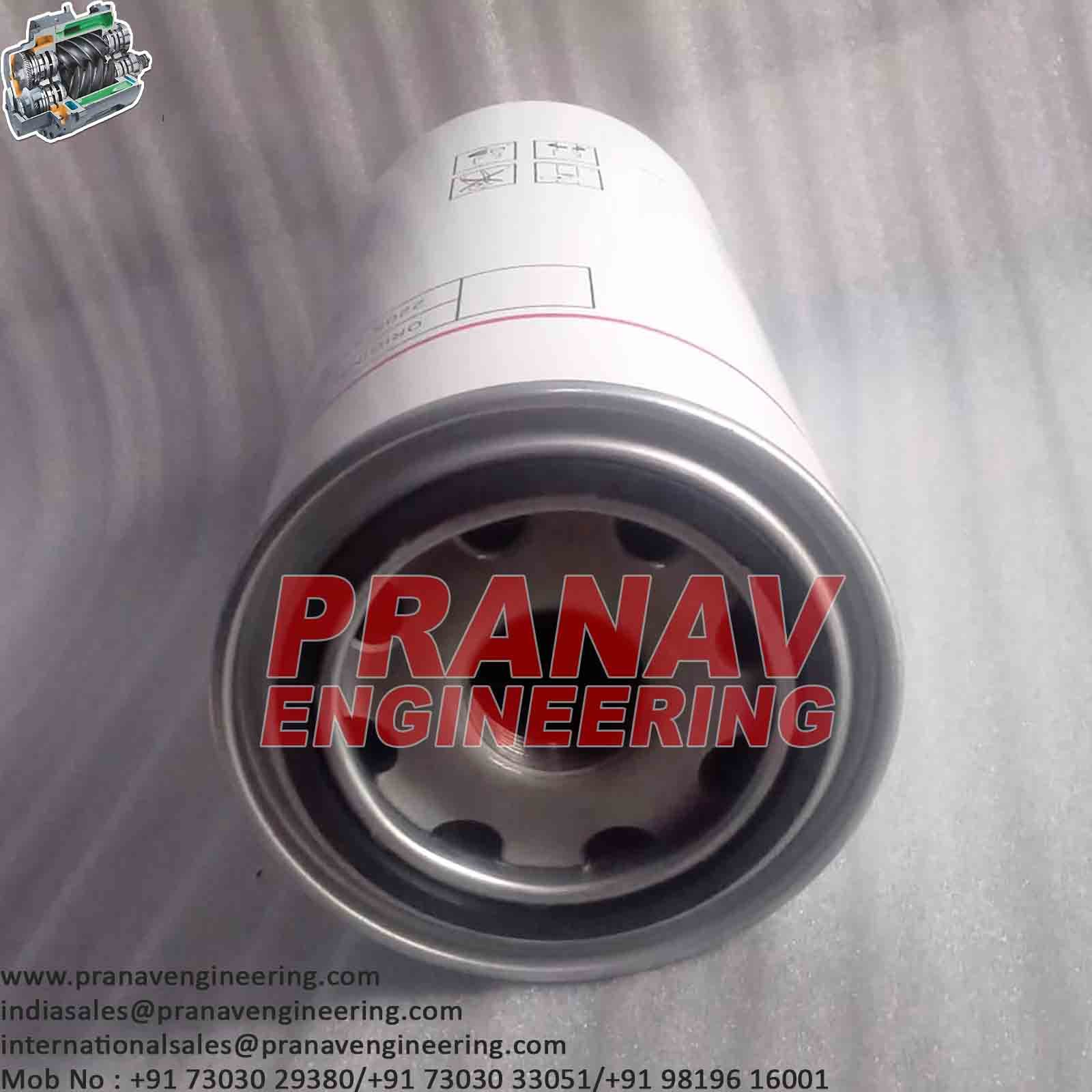
A typical oil filter consists of a filter housing, filter element, inlet and outlet connections, sealing components, and sometimes a bypass or pressure-relief valve.
An oil filter compressor is an important component used in oil-lubricated air compressors and other compressed-air systems. Its primary function is to remove contaminants, impurities, and unwanted particles from the lubricating oil before the oil circulates through the compressor. Clean oil is essential for maintaining smooth operation, reducing wear, and extending the service life of internal compressor components.
During compressor operation, the lubricating oil collects dust, metal particles, carbon deposits, and other contaminants generated by normal mechanical operation. If these impurities are not removed, they can damage bearings, gears, rotors, pistons, valves, and other precision components. The oil filter traps these contaminants and allows clean oil to continue circulating through the system.
A typical oil filter consists of a filter housing, filter element, inlet and outlet connections, sealing components, and sometimes a bypass or pressure-relief valve. The filter element is generally manufactured from specialized filtration media designed to capture particles while allowing sufficient oil flow. Depending on the compressor design and application, filters may be made from cellulose, synthetic fibers, or a combination of filtration materials.
The oil enters the filter through the inlet under pressure. It passes through the filter element, where contaminants are captured. The filtered oil then exits through the outlet and returns to the compressor lubrication circuit. The filtration efficiency depends on the filter design, oil viscosity, operating temperature, and size of the particles being removed.
Regular replacement of the oil filter is necessary because the filter element gradually becomes loaded with contaminants. A clogged filter can restrict oil flow, increase pressure drop, raise operating temperature, and reduce compressor performance. In severe cases, insufficient lubrication may cause overheating, excessive wear, or major compressor failure. For this reason, the filter should be inspected and replaced according to the compressor manufacturer’s recommended maintenance schedule.
When selecting an oil filter, important factors include compressor model, filtration rating, oil compatibility, operating pressure, temperature range, flow capacity, and filter dimensions. Using the correct filter helps ensure reliable lubrication and efficient compressor operation.
In conclusion, the oil filter is a relatively small but essential part of an oil-lubricated compressor. By continuously removing harmful contaminants from the lubricating oil, it protects critical components, maintains oil quality, improves operating efficiency, and helps reduce maintenance costs. Proper filter selection, timely inspection, and regular replacement are therefore essential for safe, reliable, and long-lasting compressor performance.