PNEUMATIC MUFFLER-02250138851
During compressor and pneumatic equipment operation, compressed air can escape at high velocity through a small opening.
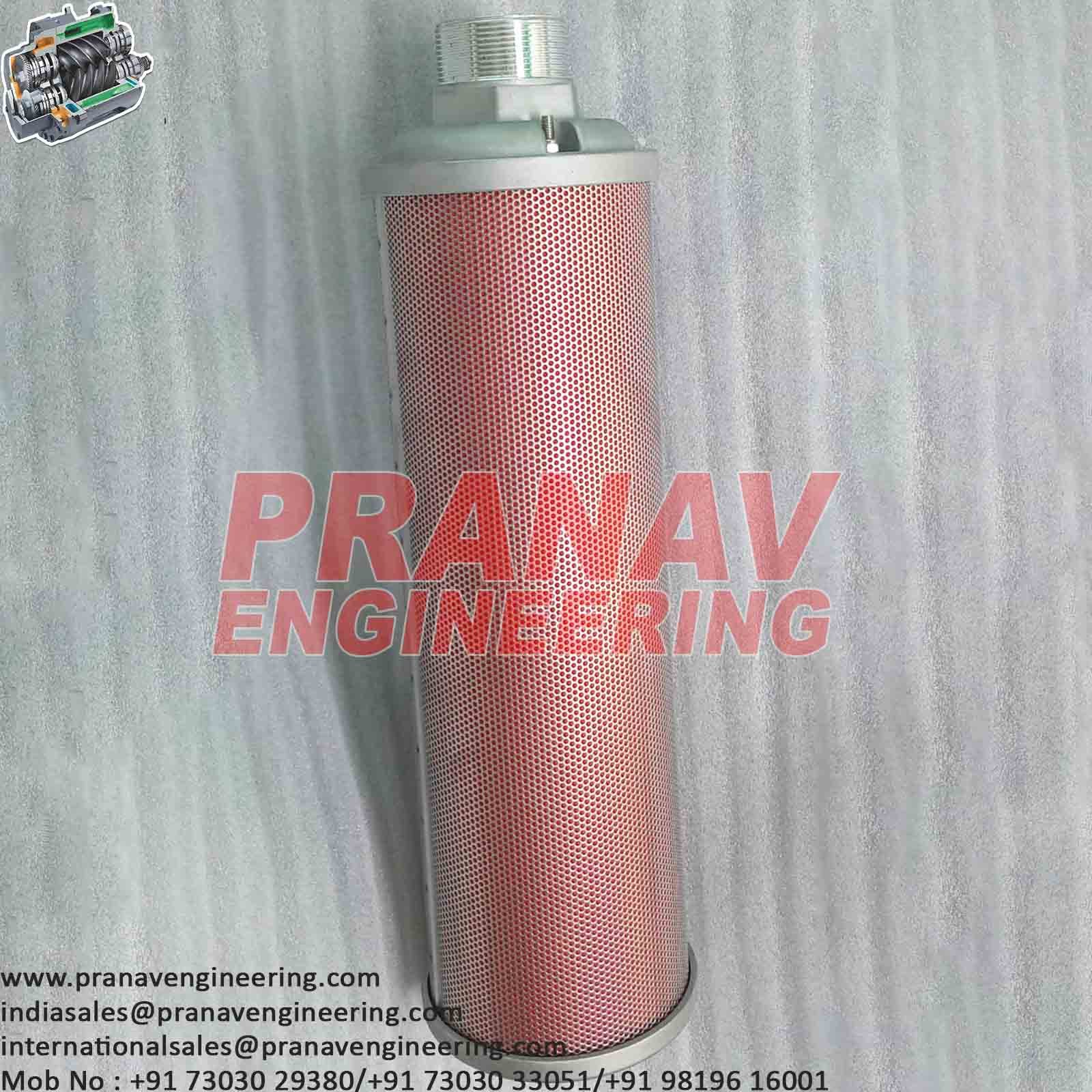
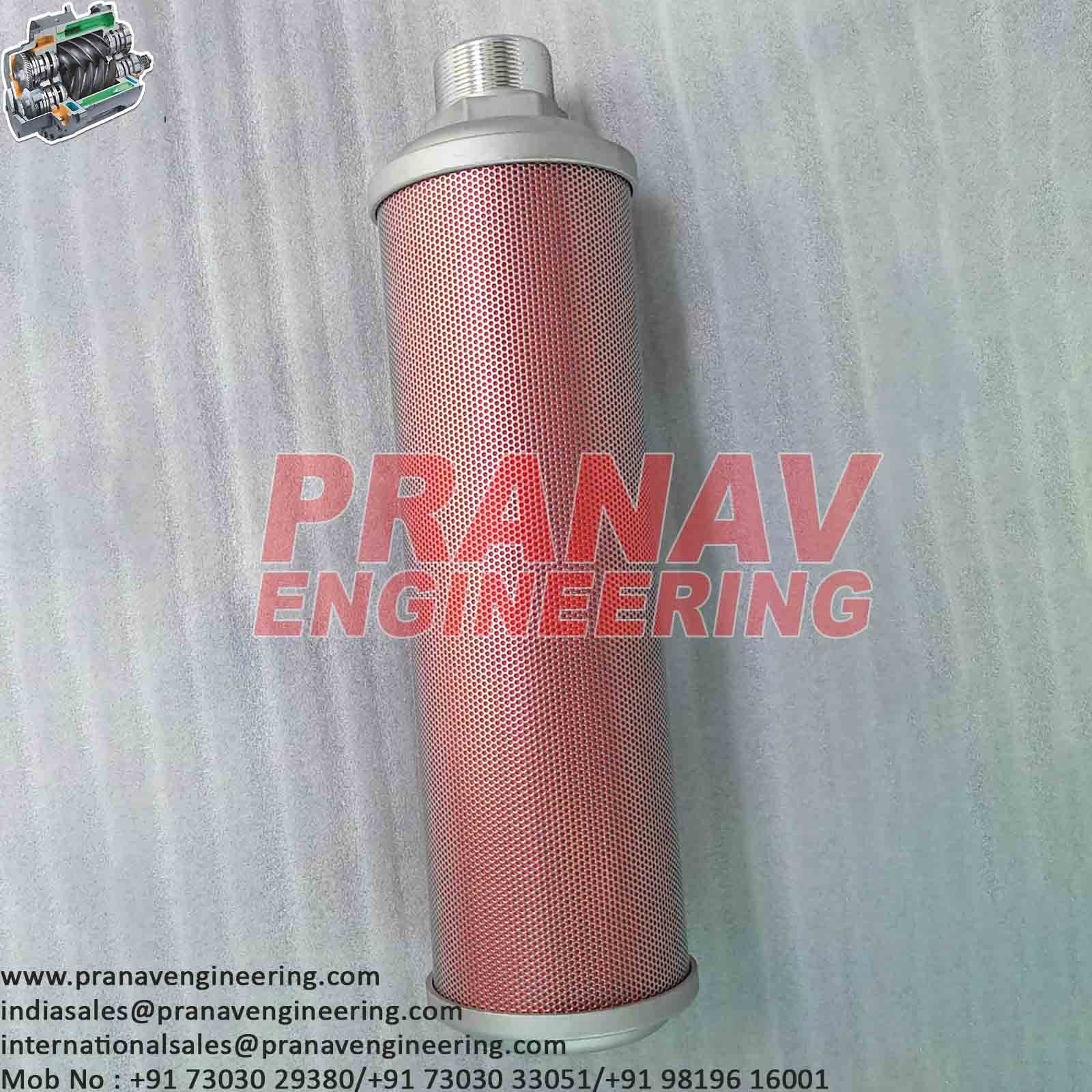
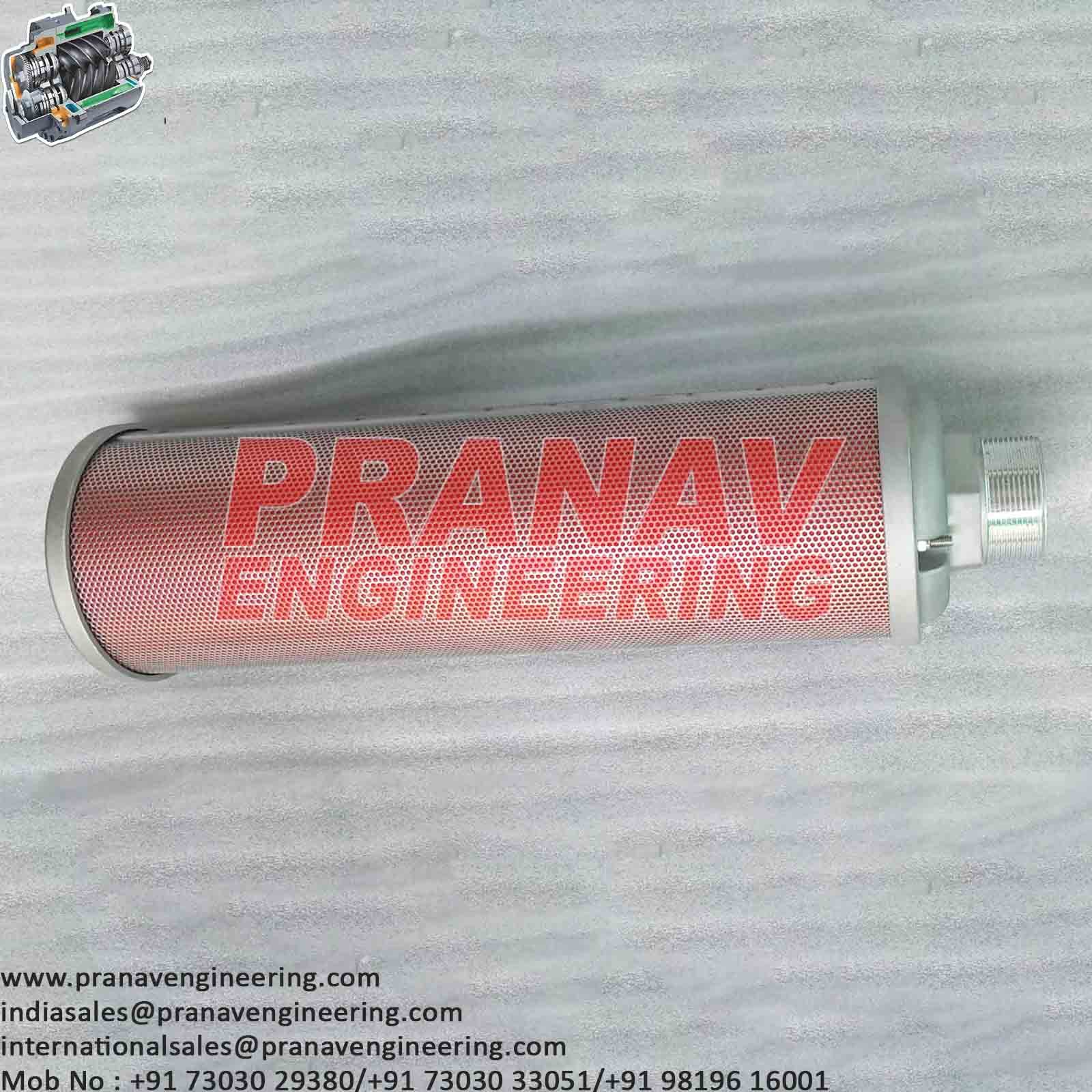
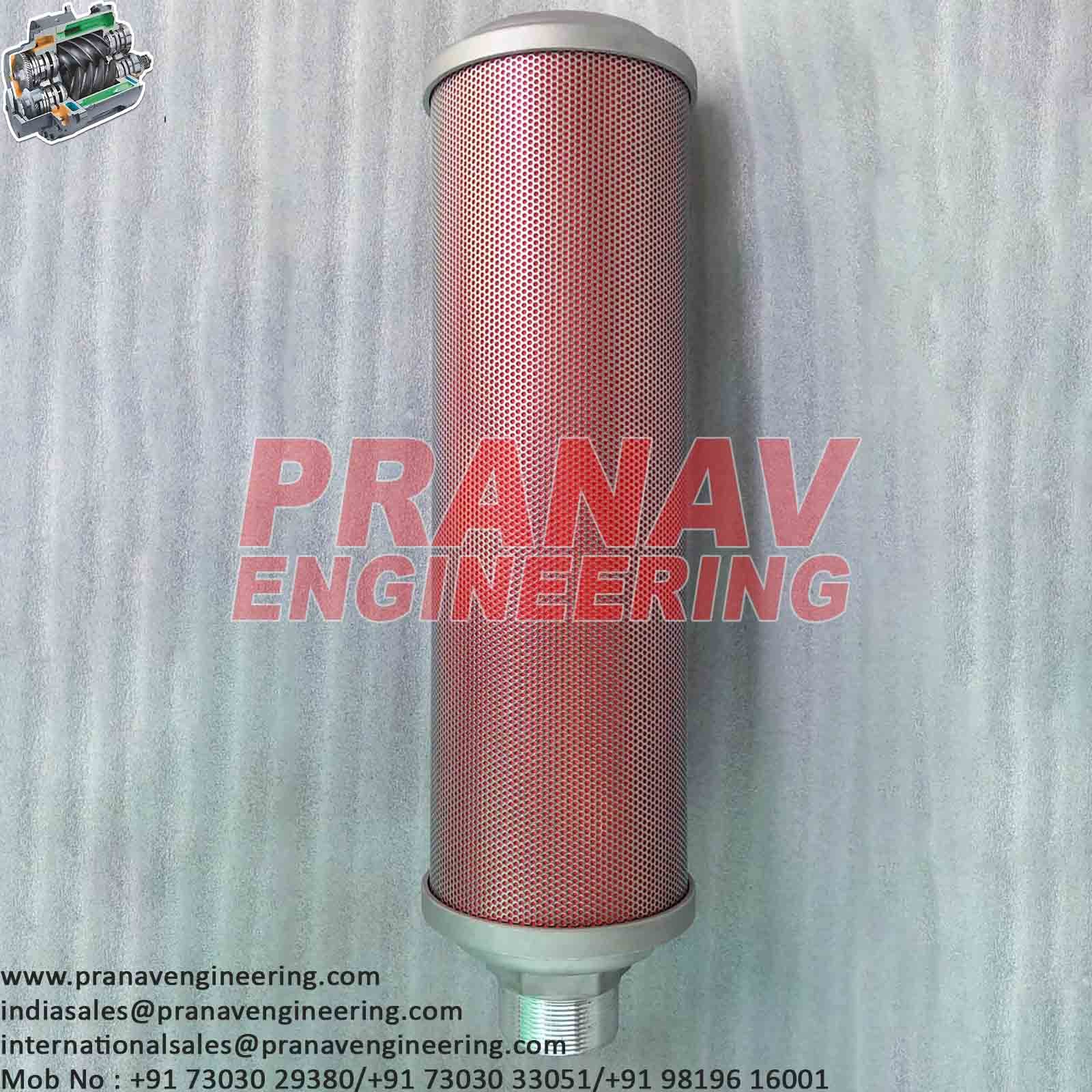
A pneumatic muffler is a device used in compressed-air and pneumatic systems to reduce the noise produced when pressurized air or gas is released into the atmosphere. It is commonly installed at the exhaust or discharge port of pneumatic equipment, control valves, actuators, and certain compressor-related systems. Its main purpose is to reduce exhaust noise while allowing air to flow with minimum restriction.
During compressor and pneumatic equipment operation, compressed air can escape at high velocity through a small opening. This sudden release of pressurized air produces turbulence and pressure fluctuations, which generate considerable noise. The pneumatic muffler reduces this noise by providing a controlled path for the escaping air and dispersing the flow over a larger area.
A typical pneumatic muffler consists of a body, threaded connection, porous filter or silencing element, and protective housing, depending on its design. The body is normally manufactured from materials such as brass, stainless steel, aluminum, or engineered plastic. Material selection depends on pressure, temperature, environmental conditions, and the type of gas being handled.
The porous silencing element is the main noise-reducing component. It may be manufactured from sintered metal, porous bronze, plastic, or other suitable materials. When compressed air passes through the porous material, its velocity and pressure are reduced gradually. This helps reduce turbulence and sound intensity before the air is released into the surrounding atmosphere.
The threaded connection allows the muffler to be securely fitted to the exhaust port. Common thread types and sizes vary according to the pneumatic equipment and manufacturer’s specifications. Correct thread size and proper installation are important to prevent air leakage.
A pneumatic muffler provides several benefits. It can reduce workplace noise, improve operator comfort, control exhaust flow, and help prevent the discharge of contaminants at high velocity. It is especially useful in workshops, manufacturing plants, automation systems, and other areas where pneumatic equipment operates frequently.
However, the muffler can become clogged by dust, oil mist, moisture, rust particles, or other contaminants. A blocked muffler restricts exhaust flow and can slow down pneumatic equipment or increase back pressure. In severe cases, excessive restriction may affect the performance and efficiency of the system.
Regular maintenance involves inspecting the muffler for contamination, physical damage, corrosion, and blockage. Depending on the design, some mufflers can be cleaned, while others should be replaced when contaminated. The muffler should also be checked for proper tightening and air leakage.
When selecting a pneumatic muffler, important factors include maximum operating pressure, temperature range, flow capacity, thread size, material compatibility, and required noise reduction. The muffler should always be selected according to the equipment manufacturer’s specifications.
In conclusion, a pneumatic muffler is a simple but important component for controlling noise and exhaust flow in compressed-air systems. Proper selection, installation, inspection, and replacement of the muffler help maintain efficient pneumatic operation while creating a safer and more comfortable working environment.