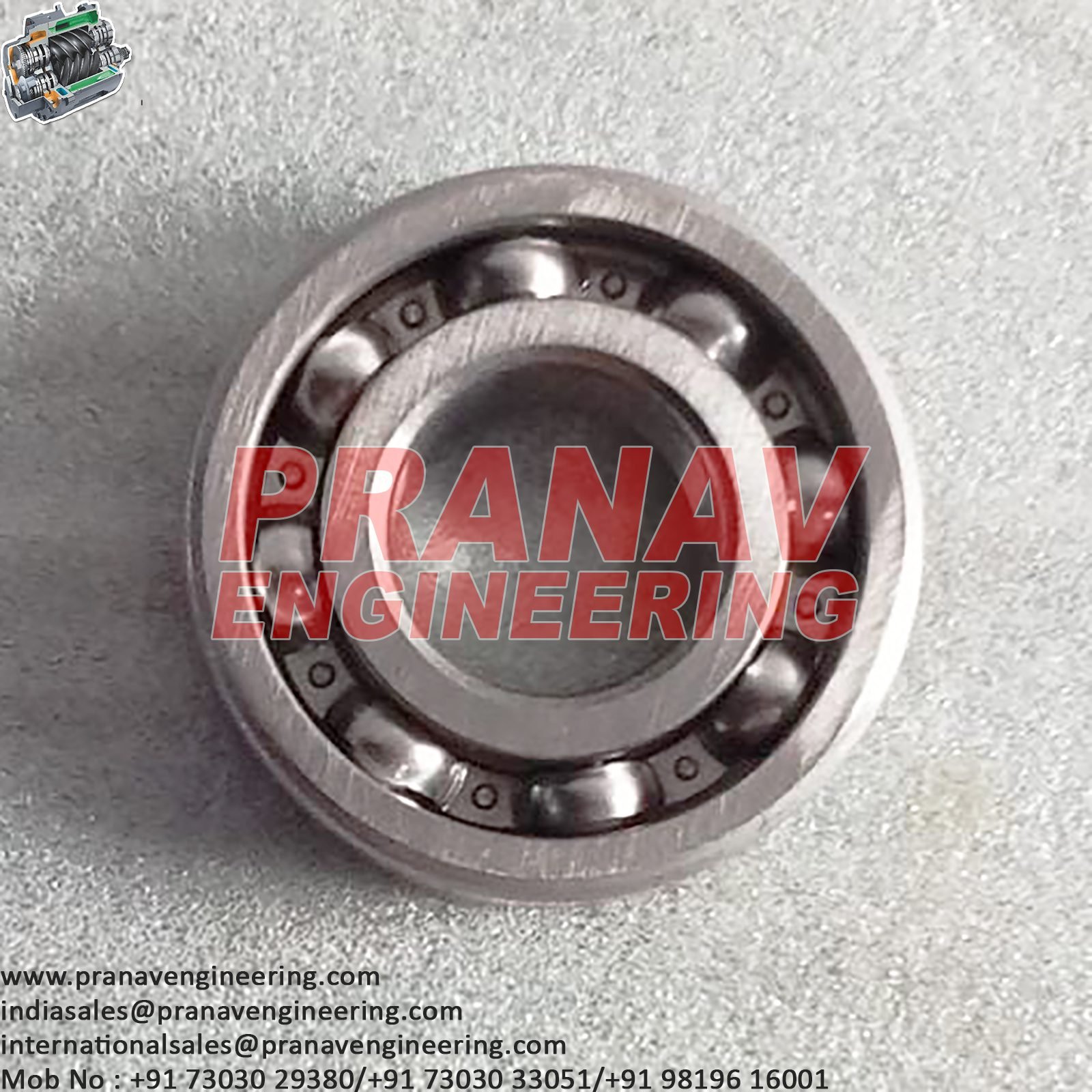
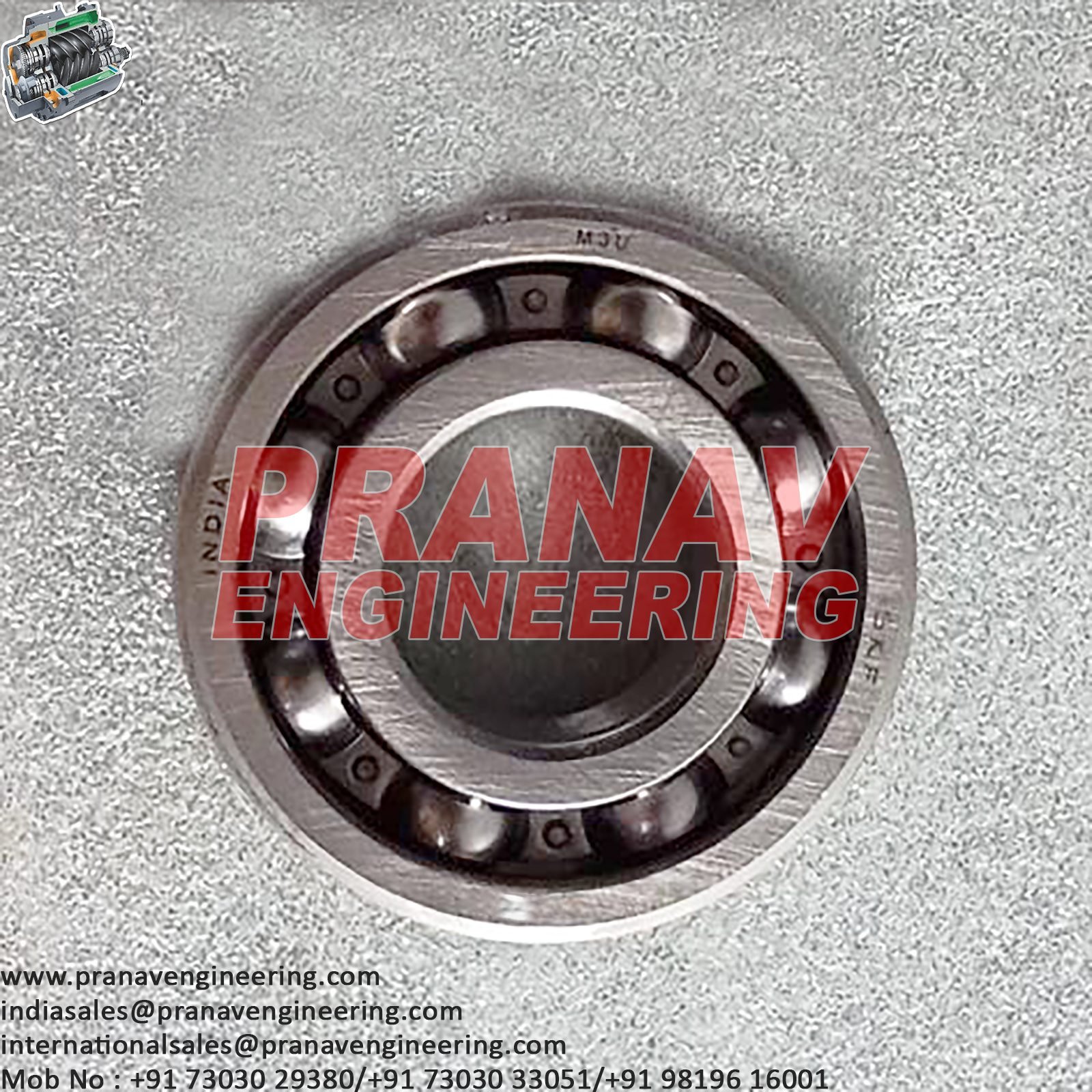
BEARING-95753604
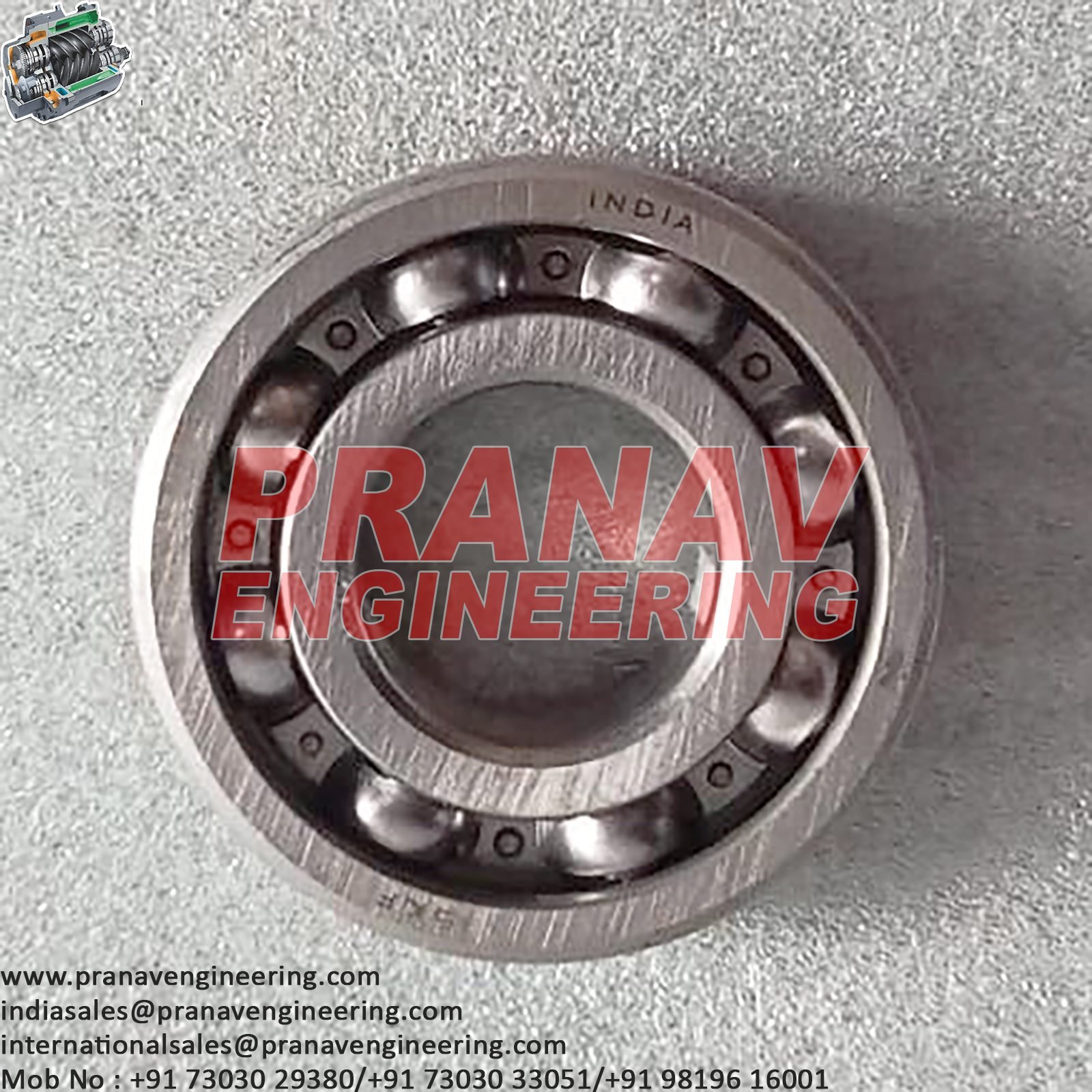
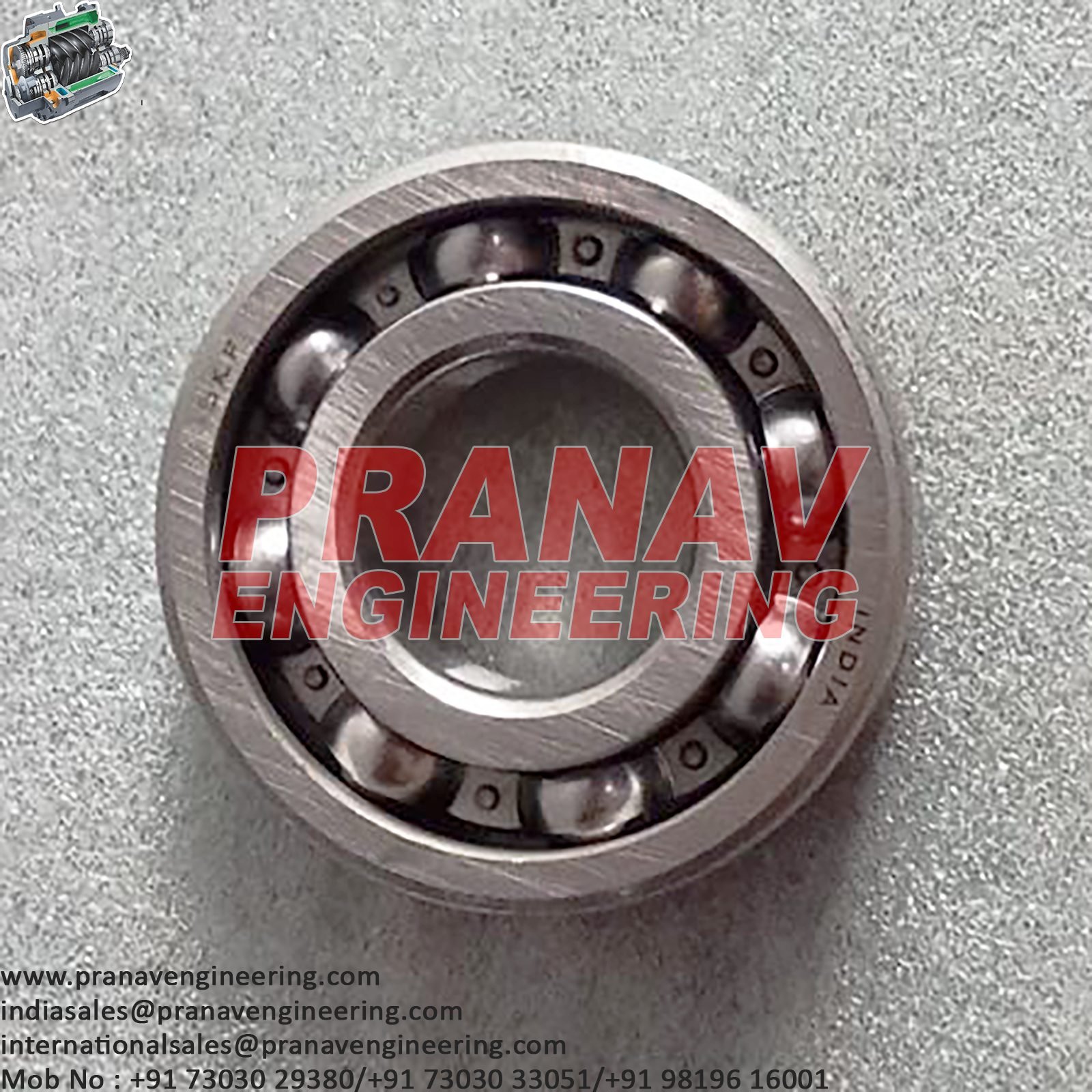
Compressor bearings are generally manufactured using materials such as steel, bronze, babbitt metal, or specialized bearing alloys.
A bearing is an important mechanical component used in a compressor to support rotating and moving parts while reducing friction and wear. In a reciprocating compressor, bearings are commonly used to support the crankshaft and connecting-rod assembly. They allow the crankshaft to rotate smoothly and help maintain proper alignment between the moving components. Reliable bearing operation is essential for achieving efficient, safe, and continuous compressor performance.
The main function of a compressor bearing is to support mechanical loads and reduce friction between moving surfaces. During compressor operation, the crankshaft experiences radial and, depending on the design, axial loads generated by the reciprocating piston mechanism. The bearing transfers these loads to the compressor frame or crankcase while allowing the shaft to rotate with minimum resistance.
Common types of bearings used in compressors include journal bearings, sleeve bearings, bush bearings, thrust bearings, and rolling-element bearings. The type selected depends on the compressor design, shaft speed, load, lubrication method, and operating conditions. Journal and sleeve bearings are frequently used in large reciprocating compressors because they can provide reliable support under heavy loads when properly lubricated.
Compressor bearings are generally manufactured using materials such as steel, bronze, babbitt metal, or specialized bearing alloys. Many bearings consist of a strong backing material with a softer bearing surface. This construction provides strength while allowing the bearing surface to accommodate minor shaft irregularities and reduce friction. The bearing material must have good wear resistance, fatigue strength, and compatibility with the lubrication system.
Lubrication is one of the most important requirements for bearing performance. Lubricating oil forms a protective film between the bearing and the rotating shaft, reducing metal-to-metal contact. It also helps remove heat generated by friction. Insufficient lubrication, contaminated oil, incorrect oil viscosity, or blocked oil passages can cause overheating and rapid bearing wear.
During operation, bearings should be monitored for temperature, vibration, noise, oil pressure, and wear. Excessive bearing temperature can indicate insufficient lubrication, excessive load, incorrect clearance, or misalignment. Unusual knocking, rumbling, or vibration may also indicate bearing damage.
Common bearing failures include wear, scoring, overheating, seizure, pitting, cracking, and excessive clearance. Bearing problems can lead to crankshaft damage, increased vibration, reduced compressor efficiency, and, in severe cases, complete compressor failure. Therefore, early detection and preventive maintenance are important.
Regular maintenance includes checking lubrication levels and oil condition, inspecting oil passages, monitoring bearing temperature and vibration, and checking bearing clearances during scheduled overhauls. When replacing a bearing, correct installation, alignment, clearance, and tightening procedures must be followed according to the manufacturer’s specifications.
In conclusion, the bearing is a critical part of a compressor because it supports rotating components, reduces friction, controls vibration, and helps maintain correct shaft alignment. Proper lubrication, inspection, and timely replacement of worn bearings are essential for reliable compressor operation and long service life.