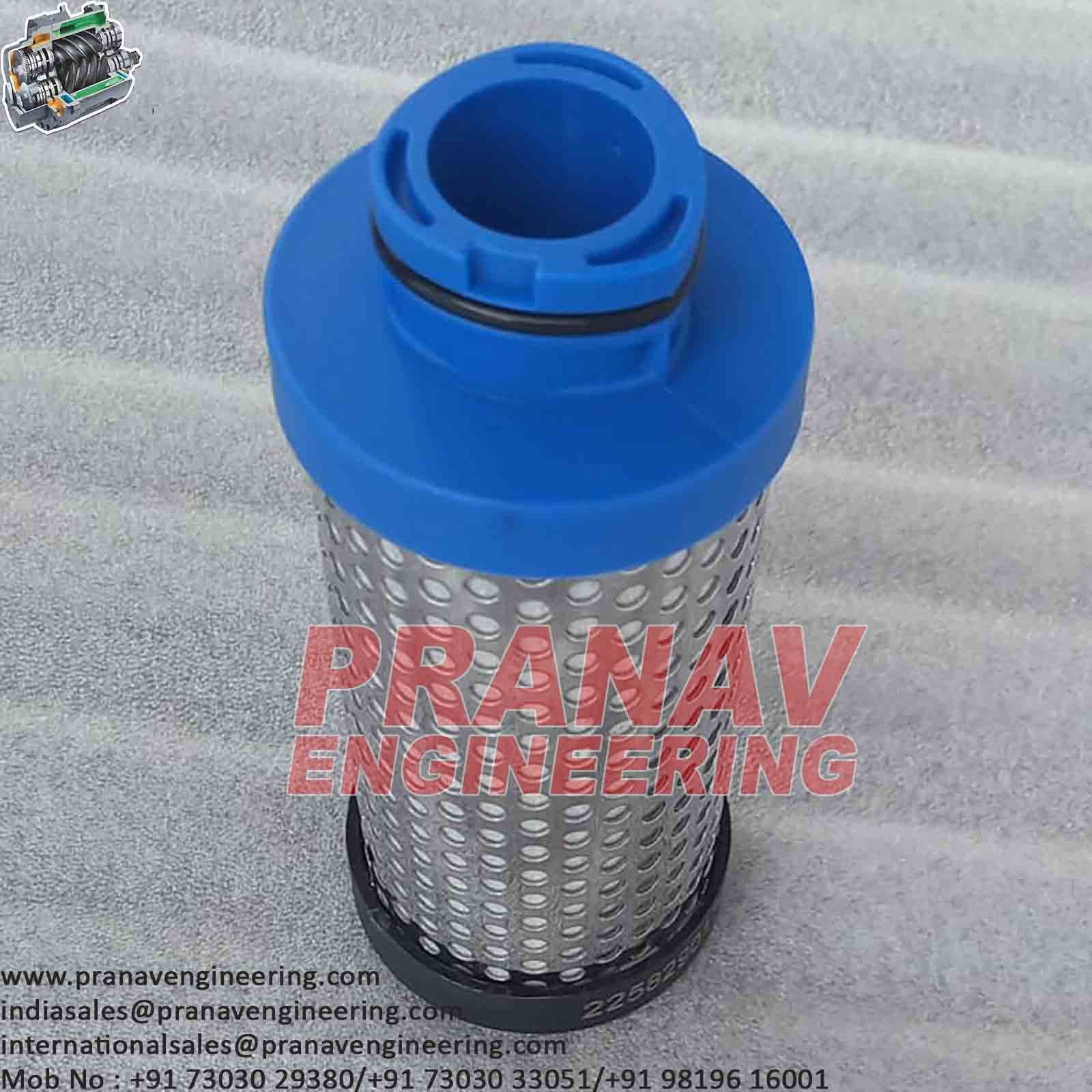
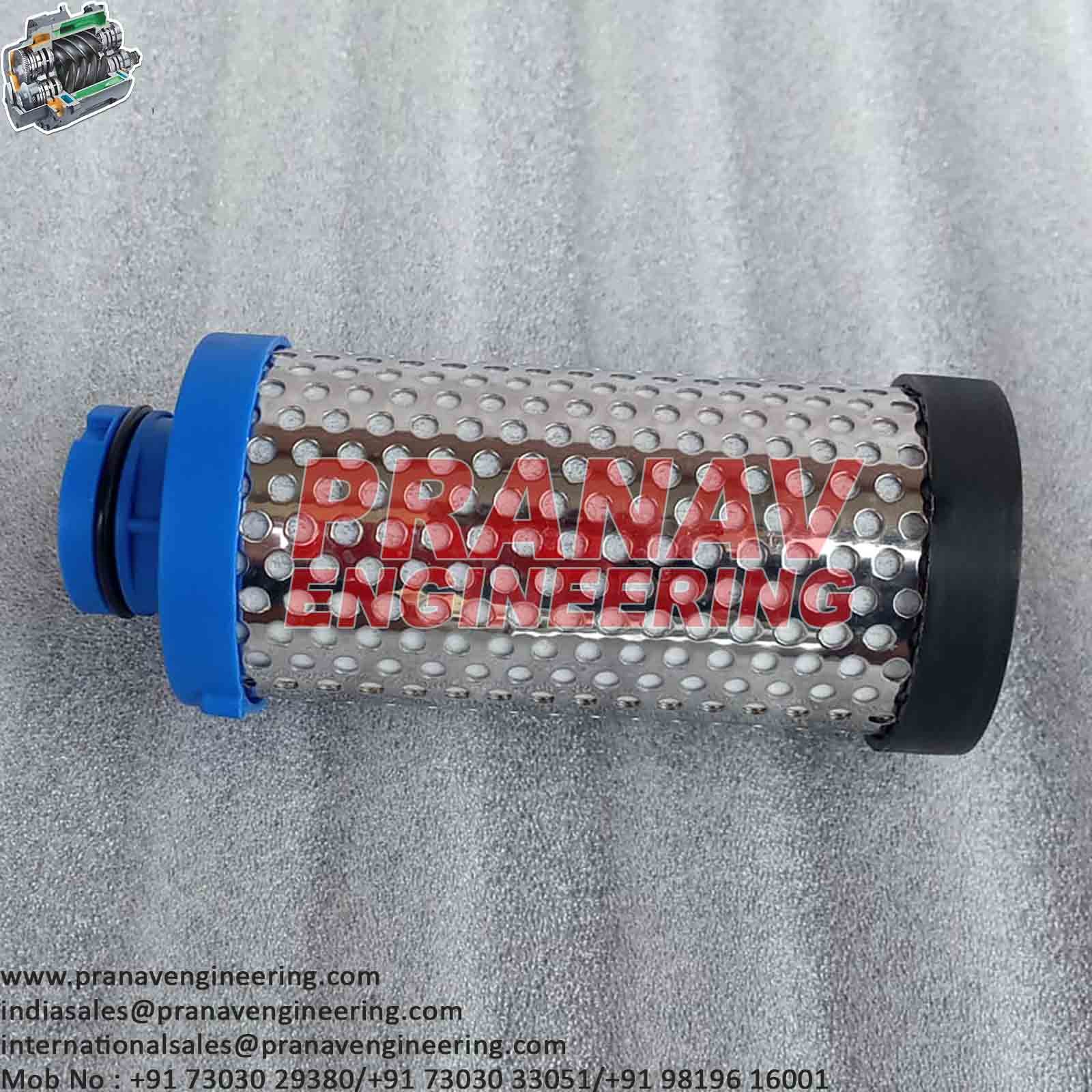
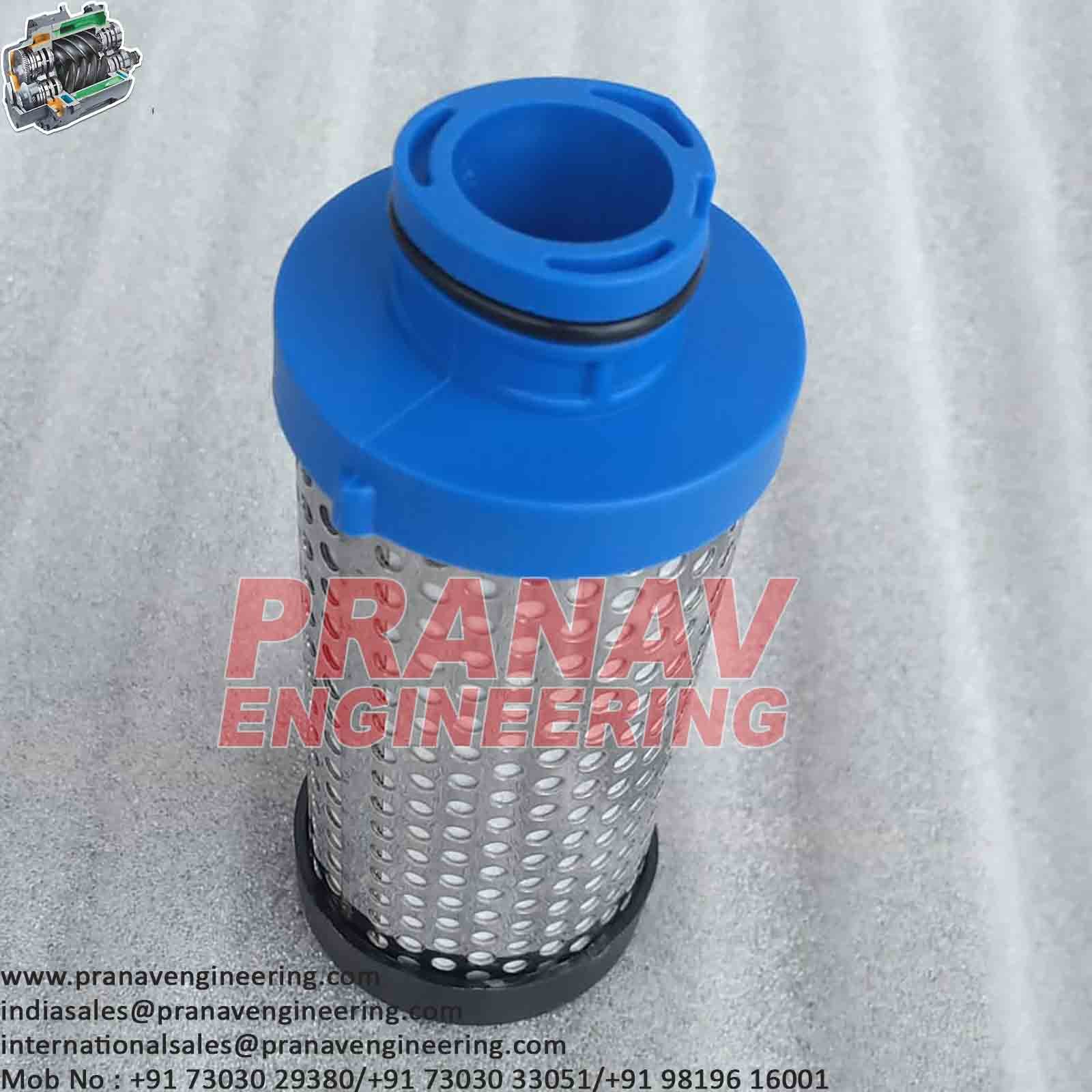
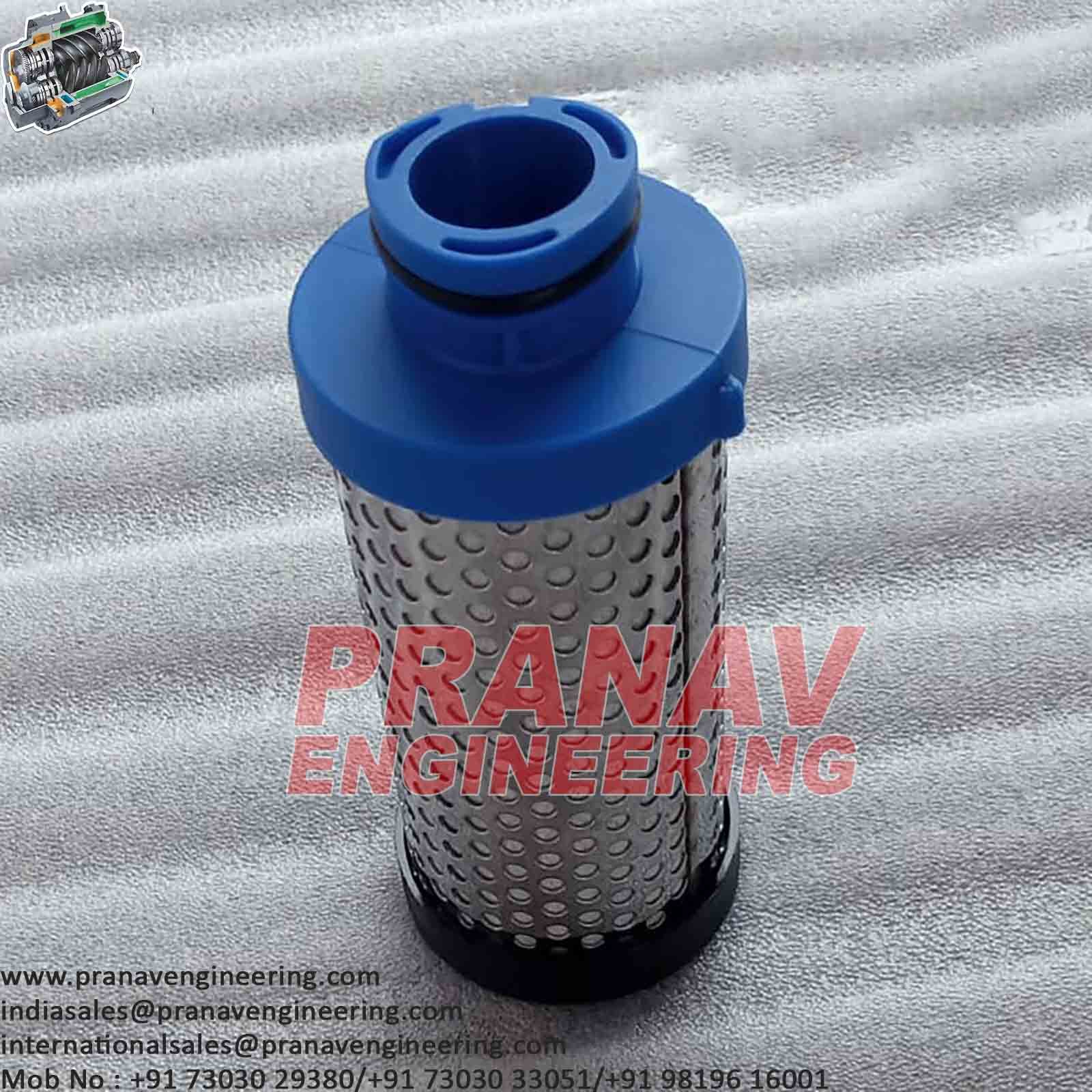
FILTER ELEMENT-2258290174
During compressor operation, contaminated fluid enters the filter housing and passes through the filter element.
A Filter Element in a compressor system is a replaceable filtration component designed to remove unwanted contaminants from air, gas, oil, or other fluids before they reach critical compressor components. It plays an important role in maintaining clean operating conditions, protecting internal parts from damage, and ensuring reliable and efficient compressor performance. Filter elements are commonly installed in air intake filters, oil filters, gas filters, and other filtration assemblies depending on the compressor application.
The main purpose of the filter element is to capture contaminants such as dust, dirt, metal particles, carbon deposits, moisture, oil mist, and other foreign materials. Contaminated air or process gas can cause abrasion and deposits on valves, cylinders, pistons, seals, and other internal components. Contaminated lubricating oil can also reduce lubrication quality and accelerate wear of bearings and moving parts. The filter element provides a physical barrier that removes these contaminants from the fluid stream.
A typical filter element consists of a filtration medium, support structure, end caps, sealing components, and sometimes an inner perforated tube. The filtration medium may be manufactured from cellulose paper, synthetic fibers, microglass, wire mesh, or other specialized materials. The selected media must provide the required filtration efficiency while allowing sufficient fluid flow with minimum pressure drop.
During compressor operation, contaminated fluid enters the filter housing and passes through the filter element. The filtration media captures particles while allowing the cleaned fluid to continue through the system. As the filter accumulates contaminants, resistance to flow gradually increases. This results in an increase in pressure drop across the filter. If the filter becomes excessively blocked, it can restrict flow, reduce compressor capacity, increase energy consumption, and potentially cause abnormal operating conditions.
Filter element replacement is therefore an important part of preventive compressor maintenance. Before replacement, the compressor should be isolated and depressurized where necessary. The filter housing should be opened carefully, and the used element should be removed without allowing accumulated contaminants to enter the clean side of the system. The housing and sealing surfaces should be cleaned and inspected before installing the new element. The replacement element must be correctly positioned, and all seals should be properly seated to prevent bypass leakage.
Regular inspection and replacement of the filter element provide several benefits, including cleaner operating fluid, reduced component wear, improved compressor efficiency, stable pressure and flow, reduced maintenance requirements, and extended equipment service life.
The filter element should always be selected according to the compressor manufacturer’s specifications, including element dimensions, filtration efficiency, pressure rating, temperature range, and compatibility with the operating fluid.
Overall, the Filter Element is a critical maintenance component that helps protect the compressor from harmful contamination. Proper selection, installation, monitoring, and timely replacement ensure effective filtration and contribute significantly to safe, efficient, and reliable compressor operation.