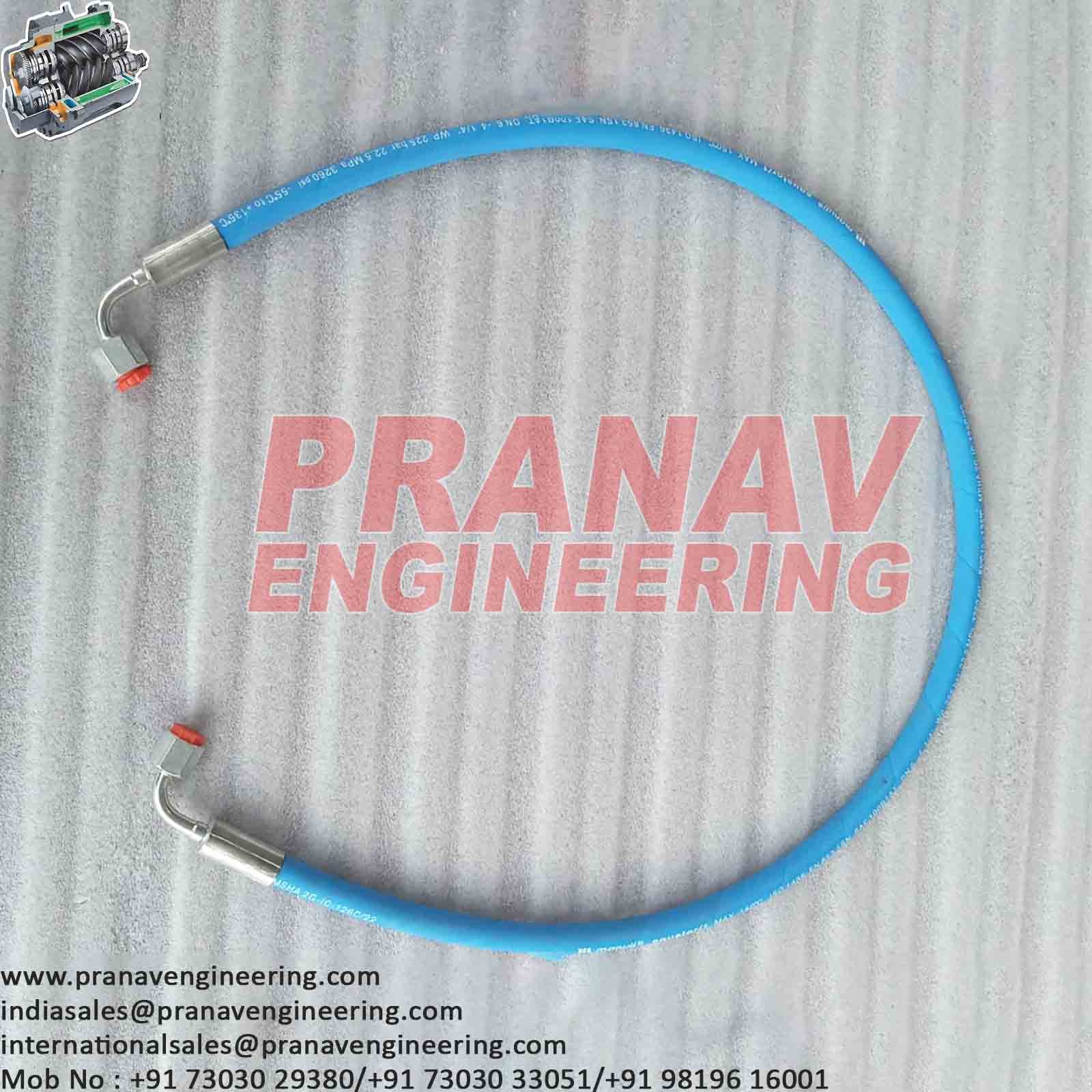
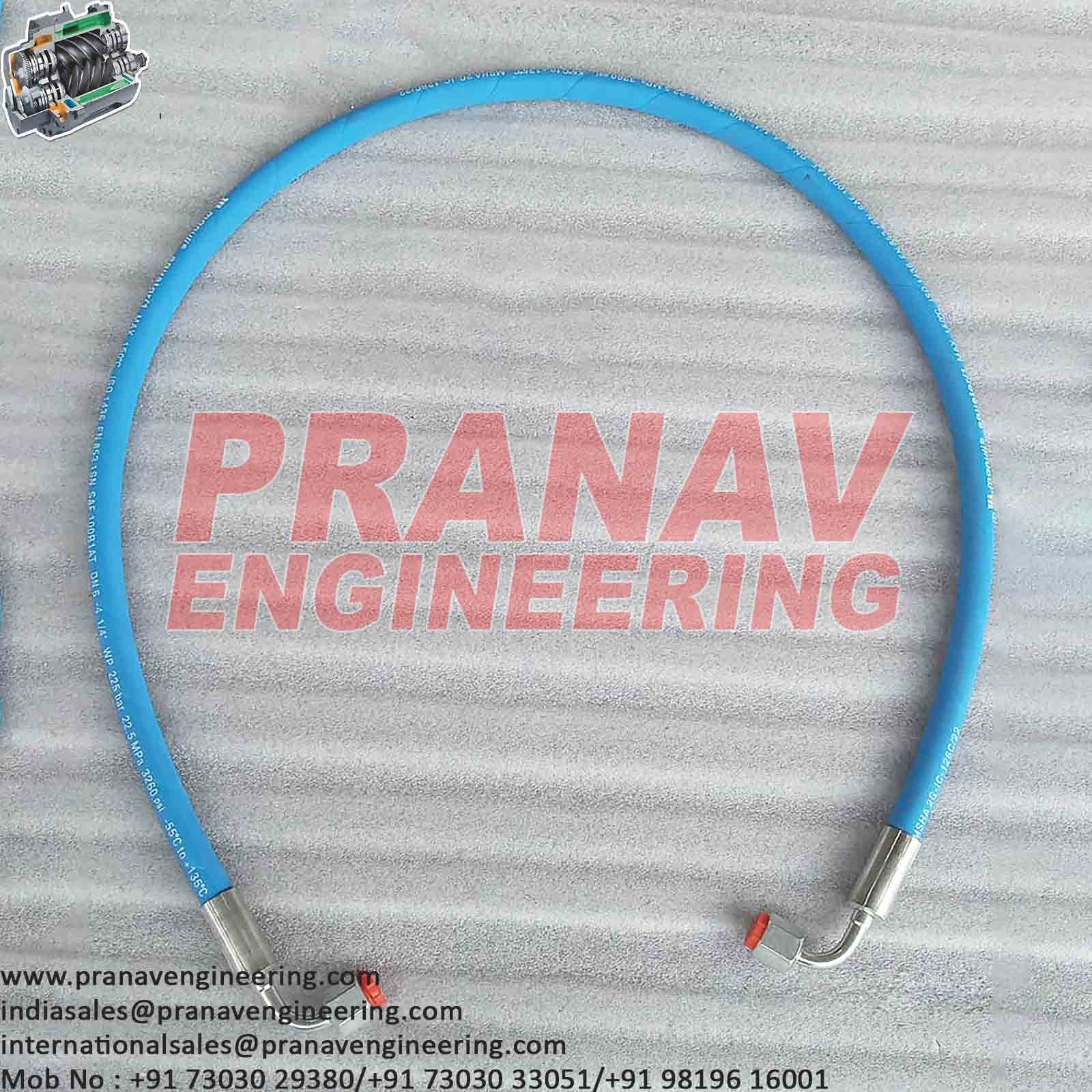
HOSE-0574 88486
The primary purpose of a Hose Compressor is to achieve uniform and accurate compression of the hose around the fitting.
A Hose Compressor is a specialized industrial machine used for compressing, crimping, forming, or assembling flexible hoses and their associated fittings. It is commonly used in the manufacturing and maintenance of hydraulic hoses, pneumatic hoses, fuel lines, air hoses, industrial hoses, and other flexible fluid-transfer assemblies. The machine is designed to apply controlled radial or axial force to a hose and fitting, ensuring a secure and reliable connection.
The primary purpose of a Hose Compressor is to achieve uniform and accurate compression of the hose around the fitting. Proper compression is essential for preventing leakage, maintaining pressure resistance, and ensuring the mechanical strength of the completed hose assembly. The machine provides a controlled and repeatable compression process, reducing variations that can occur during manual assembly.
A typical Hose Compressor consists of a rigid machine frame, hydraulic or pneumatic power unit, compression cylinder, crimping or compression dies, hose-support fixture, control panel, pressure-control system, and safety arrangements. The compression dies are selected according to the hose diameter, fitting type, and required compression dimensions. Interchangeable dies may be provided to accommodate different hose sizes and applications.
During operation, the hose and fitting are first inspected and correctly positioned in the machine fixture. The appropriate die set is then installed around the assembly. After setting the required compression parameters, the operator activates the machine. The hydraulic or pneumatic actuator moves the dies inward and applies controlled force around the hose and fitting. The hose material is compressed uniformly against the fitting, creating a secure mechanical connection. Once the specified compression diameter or pressure is achieved, the compression cycle is completed and the dies return to their original position.
Modern Hose Compressors may include pressure gauges, digital displays, programmable controllers, stroke sensors, limit switches, and automatic cycle controls. These features allow accurate monitoring of compression force, stroke, and cycle time. Adjustable settings make the machine suitable for different hose materials, diameters, and fitting configurations.
Safety is an important consideration in Hose Compressor design. Protective guards, emergency-stop switches, pressure-relief valves, electrical interlocks, and two-hand operating controls can be incorporated to protect the operator from accidental movement of the compression dies. The machine should also be operated according to the manufacturer’s recommended pressure, die selection, and maintenance procedures.
The major advantages of a Hose Compressor include high assembly accuracy, consistent compression quality, improved productivity, reduced manual effort, minimized leakage risk, and repeatable production results. It is particularly beneficial in high-volume hose assembly operations where dimensional consistency and connection reliability are critical.
Overall, the Hose Compressor provides an efficient and controlled method for producing strong and reliable hose assemblies. Its robust construction, adjustable compression parameters, interchangeable tooling, and safety features make it suitable for industrial manufacturing, hydraulic service centers, automotive applications, and general hose assembly workshops.