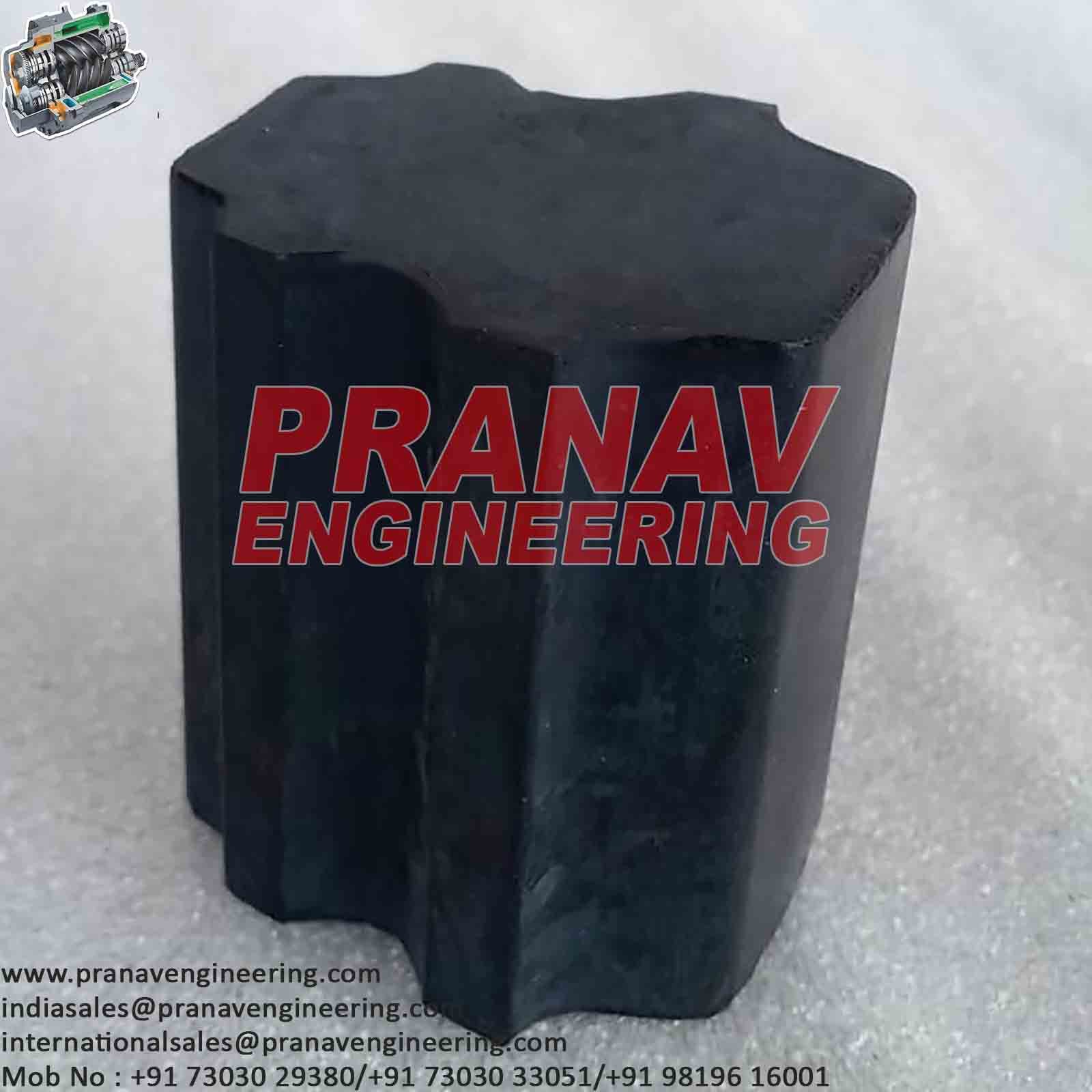
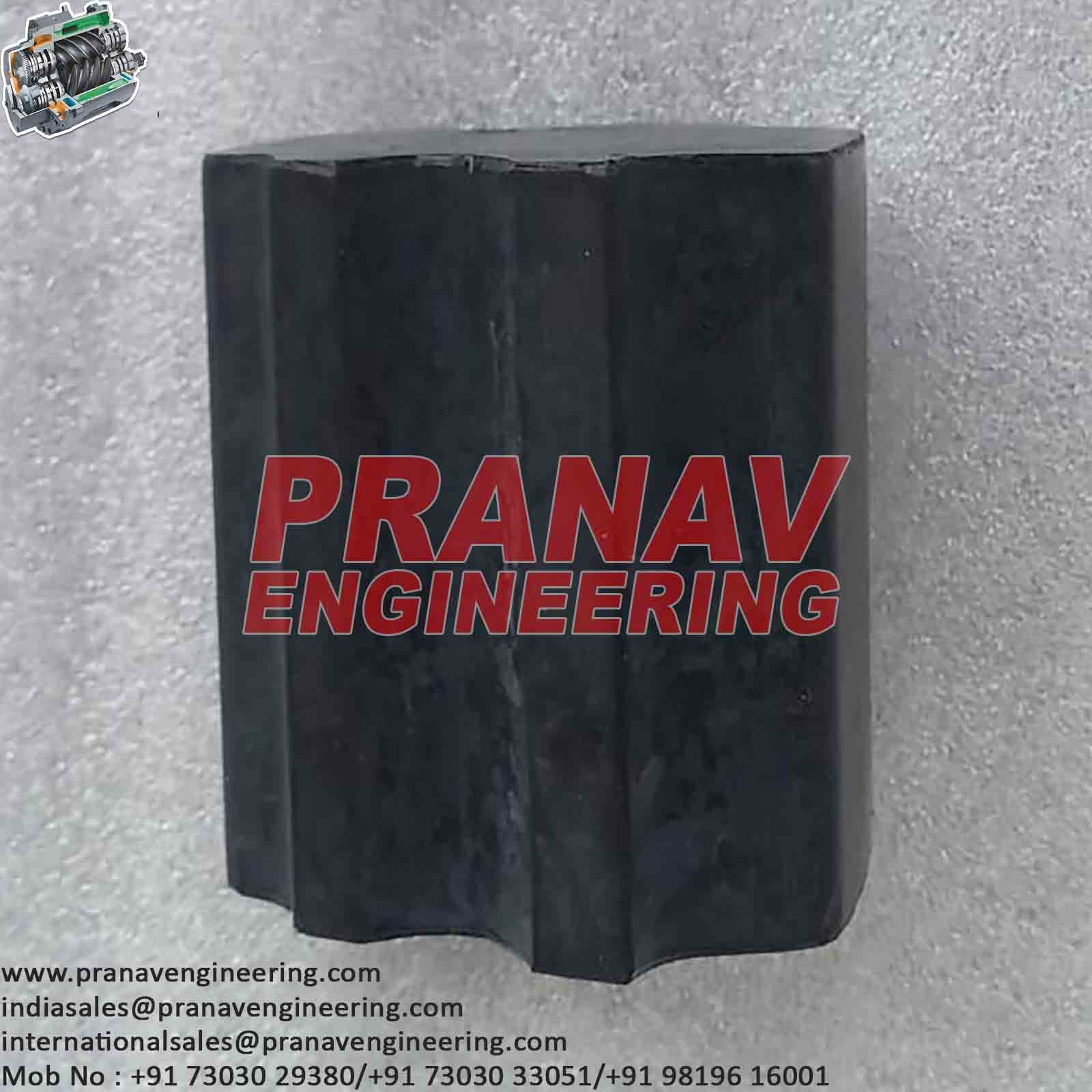
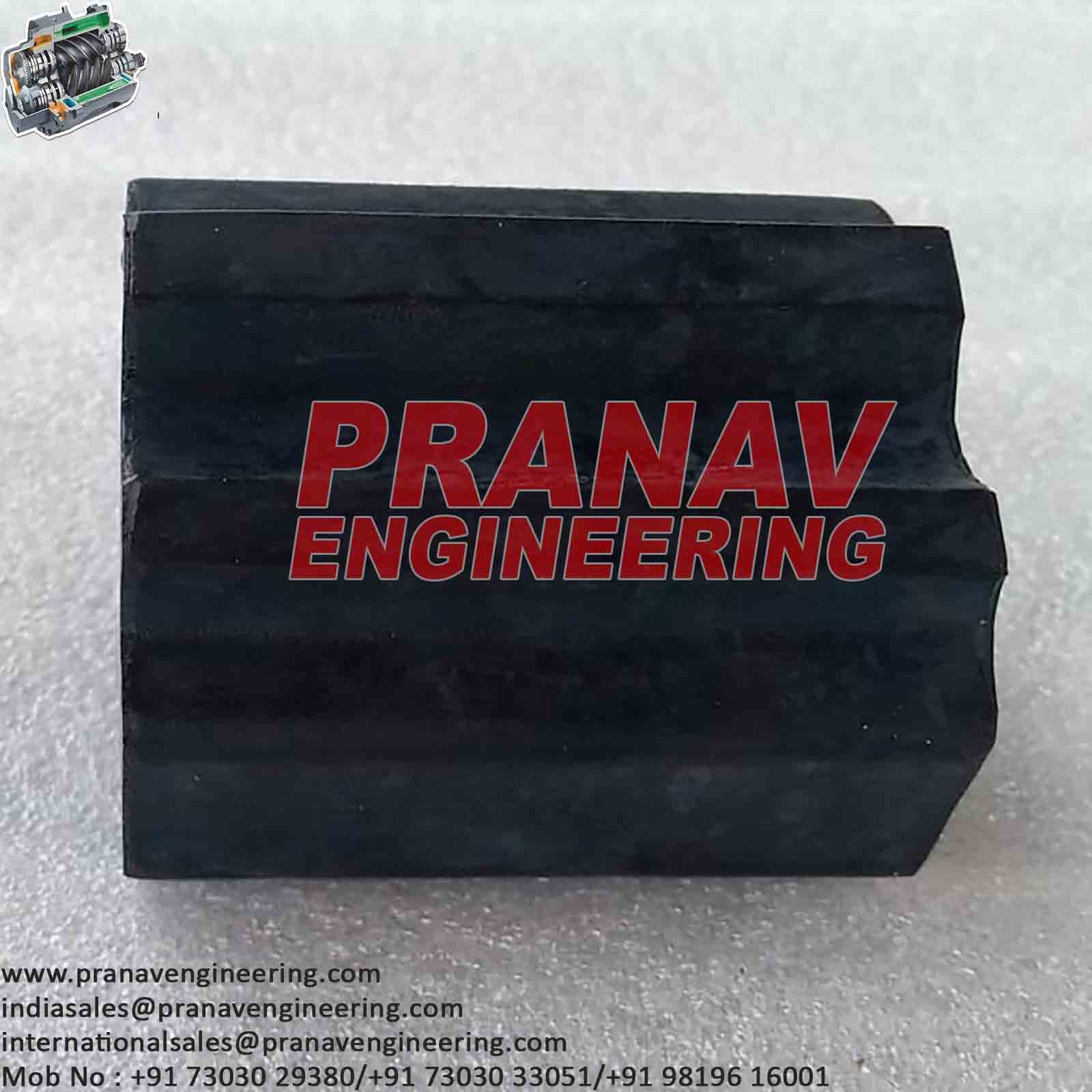
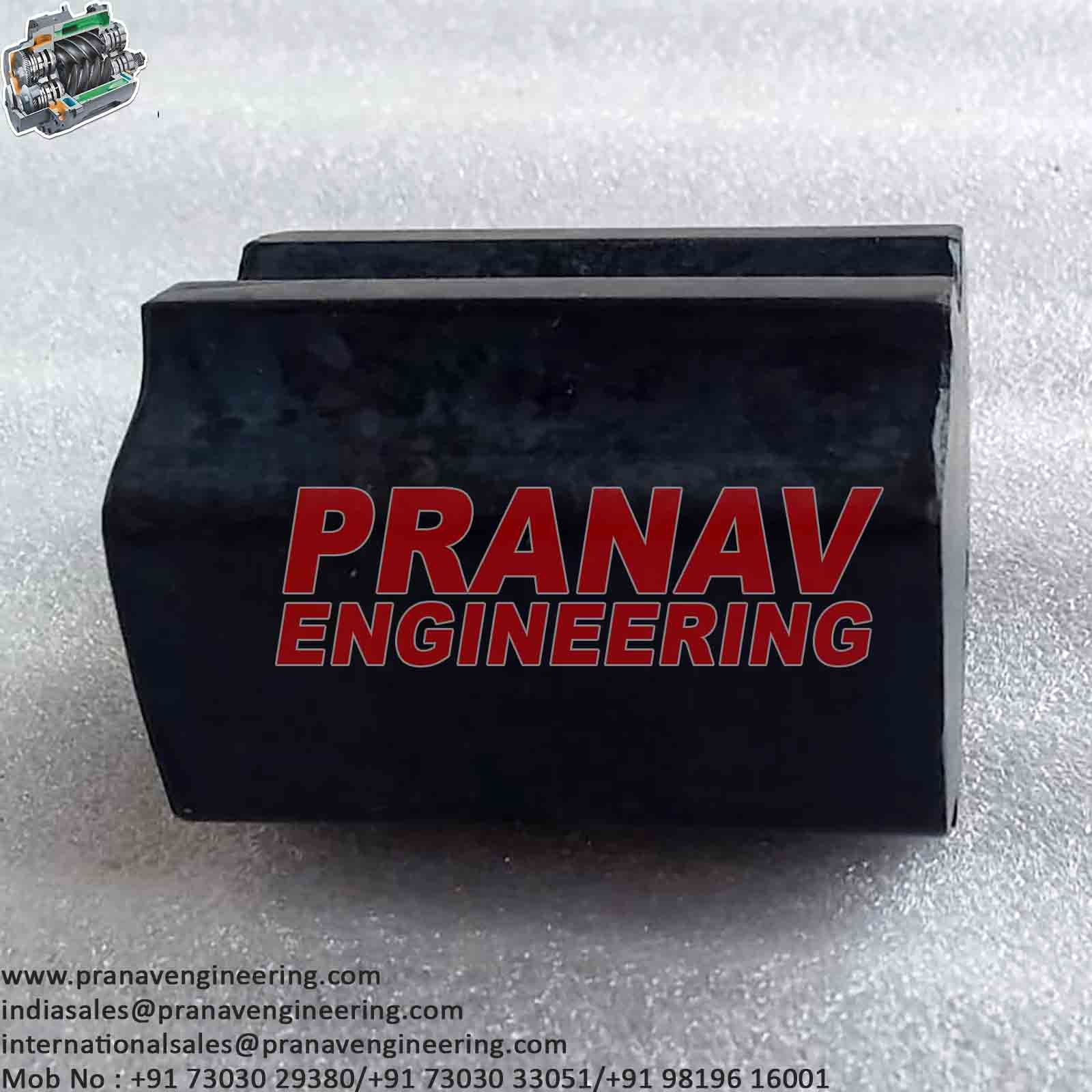
COUPLING ELEMENT-1621-6563-00
Signs such as cracks, deformation, excessive wear, or deterioration of the flexible material should be checked during scheduled servicing.
A Coupling Element is a critical mechanical component used in compressor drive systems to connect the motor or engine shaft with the compressor shaft. It is designed to transmit rotational power efficiently while helping absorb vibration, shock loads, and minor shaft misalignment between connected equipment. A properly selected coupling element supports smooth compressor operation, reduces mechanical stress, and contributes to longer service life of the complete drive assembly.
The coupling element is manufactured using durable, high-quality materials selected to withstand continuous mechanical loads, torque, temperature variations, and demanding industrial operating conditions. Its flexible construction allows it to accommodate small amounts of angular, parallel, or axial misalignment that may occur during normal compressor operation. This flexibility helps protect connected components such as shafts, bearings, motors, and compressor assemblies from excessive loads and vibration.
In compressor applications, the coupling element plays an important role in maintaining reliable power transmission. It helps minimize vibration and noise while providing stable torque transfer from the driving motor to the compressor. By reducing the transmission of sudden shocks and torsional vibrations, it can help lower wear on critical drivetrain components. This makes the coupling element particularly important for reciprocating, rotary screw, and other industrial compressor systems.
A worn or damaged coupling element may result in increased vibration, unusual operating noise, inefficient power transmission, or additional stress on the motor and compressor shafts. Regular inspection is therefore recommended as part of routine compressor maintenance. Signs such as cracks, deformation, excessive wear, or deterioration of the flexible material should be checked during scheduled servicing, and replacement should be carried out when required.
The Coupling Element Compressor is suitable for industrial air compressors, workshop compressors, manufacturing plants, pneumatic systems, and various compressed-air applications. It can be used as a replacement component when servicing or overhauling an existing compressor drive system. Selecting the correct coupling element according to the compressor model, shaft dimensions, coupling design, torque requirements, and manufacturer specifications is essential for proper fitment and dependable performance.
With its combination of flexibility, durability, vibration absorption, and reliable torque transmission, a quality coupling element helps maintain efficient compressor operation and supports the overall reliability of the drive system. It is an essential replacement and maintenance component for keeping industrial compressor equipment operating smoothly and safely.