
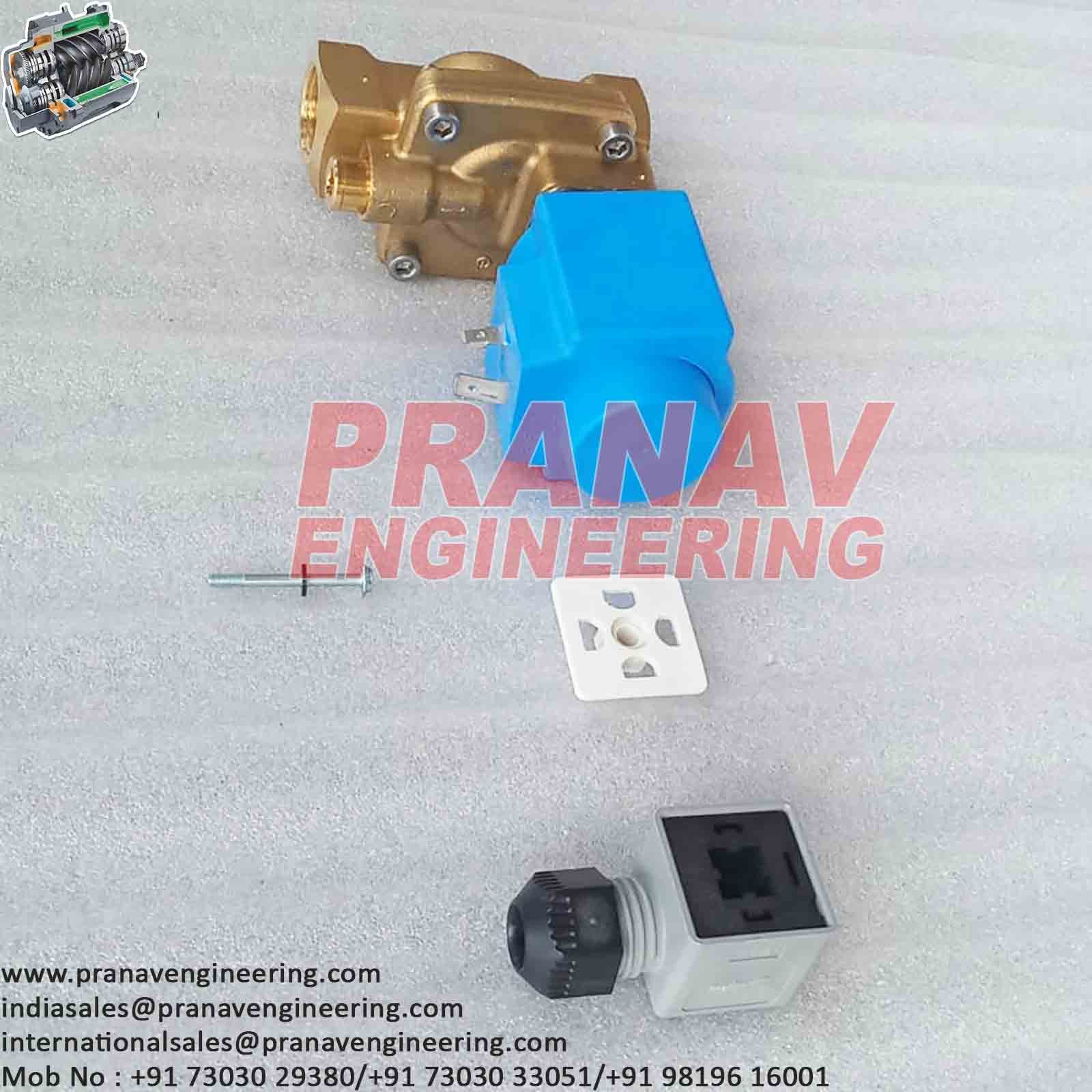
CABLE PLUG-1504-2015-00
Selecting the correct plug according to the original compressor specification is important to ensure proper compatibility and dependable operation.
A Cable Plug for Compressor is an essential electrical and connection component designed to provide a secure interface between electrical cables and compressor control, monitoring, or power systems. It is commonly used in industrial air compressors, reciprocating compressors, screw compressors, refrigeration systems, and other compressed-air equipment where reliable electrical connections are required. The cable plug helps maintain a stable connection while protecting electrical contacts from dust, moisture, vibration, and mechanical stress.
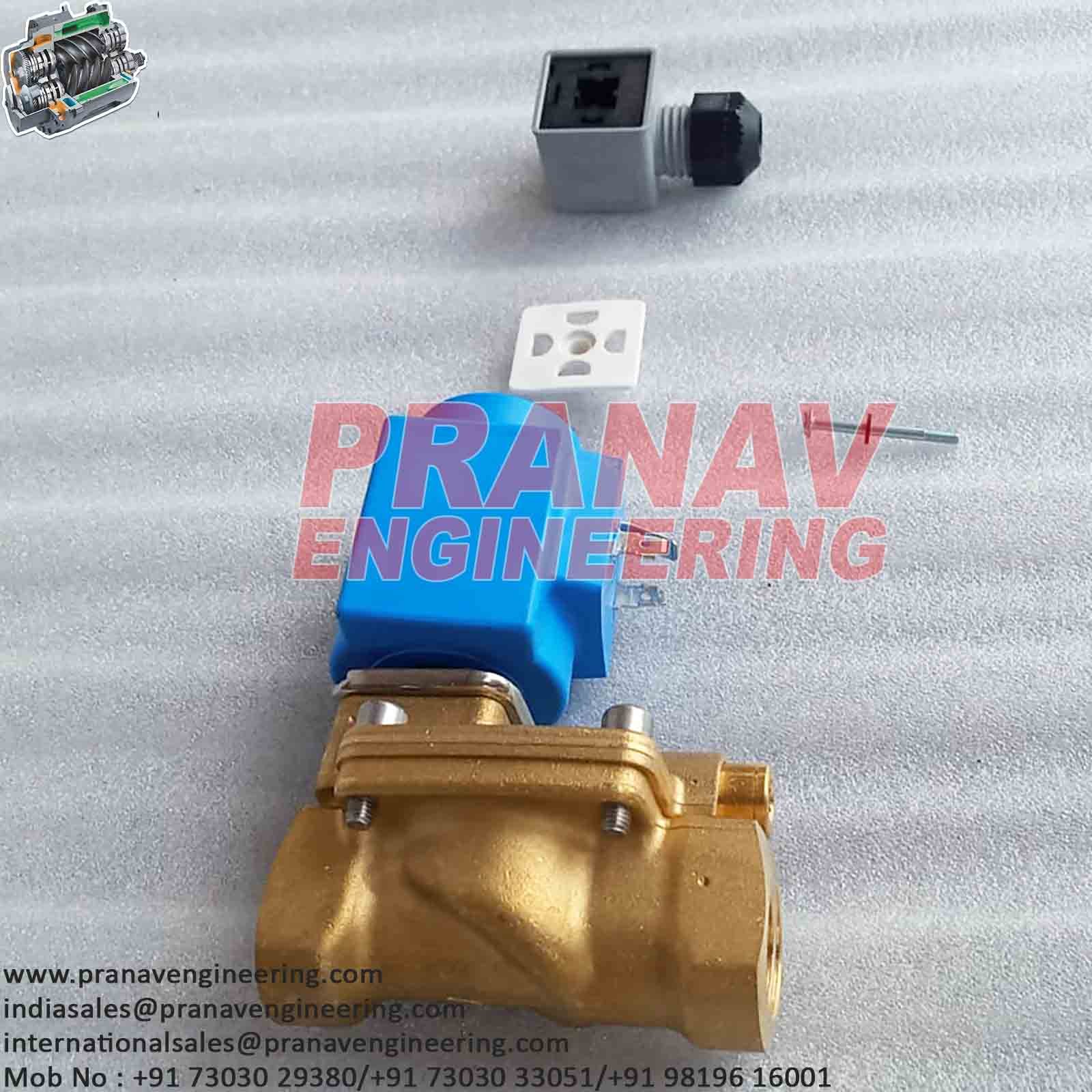
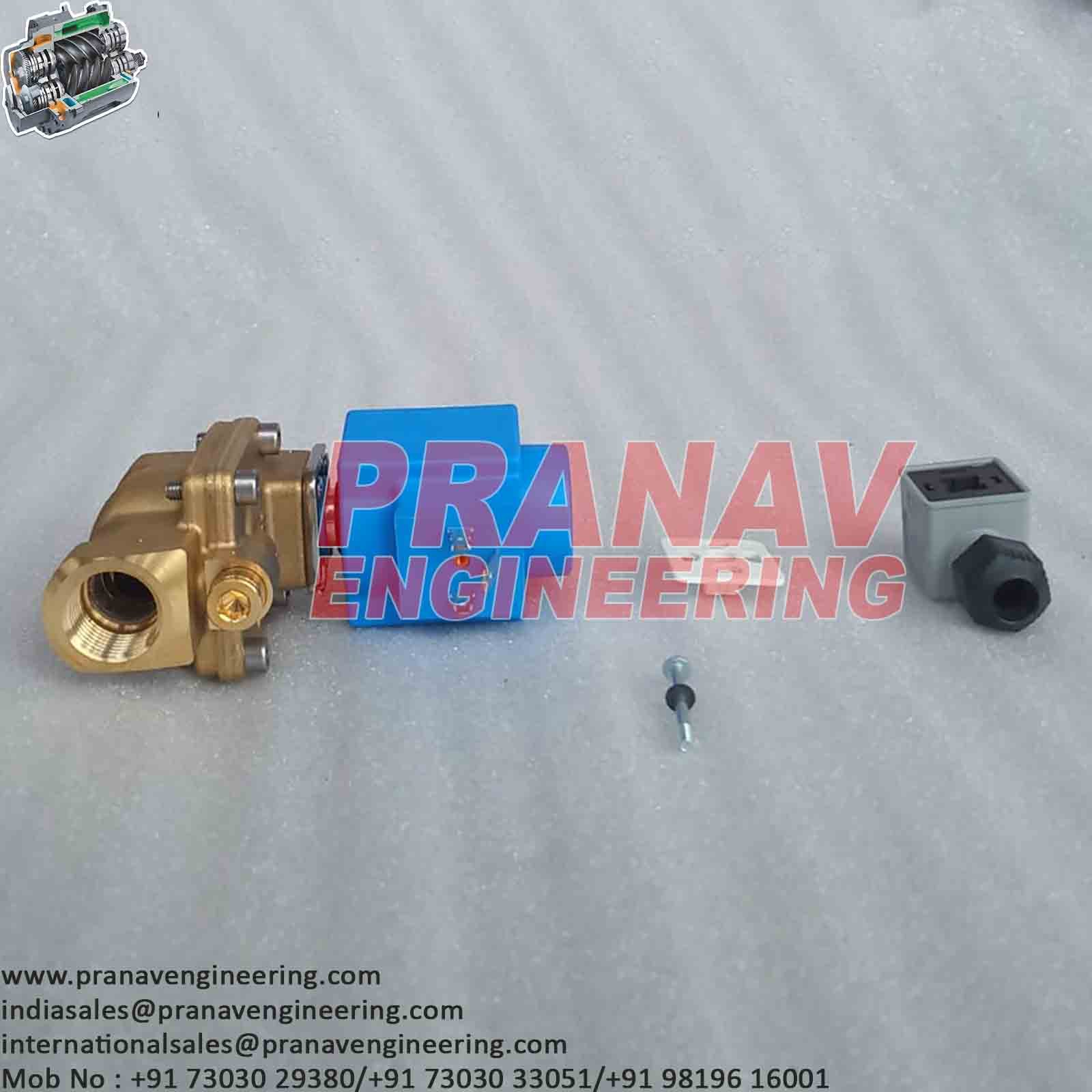
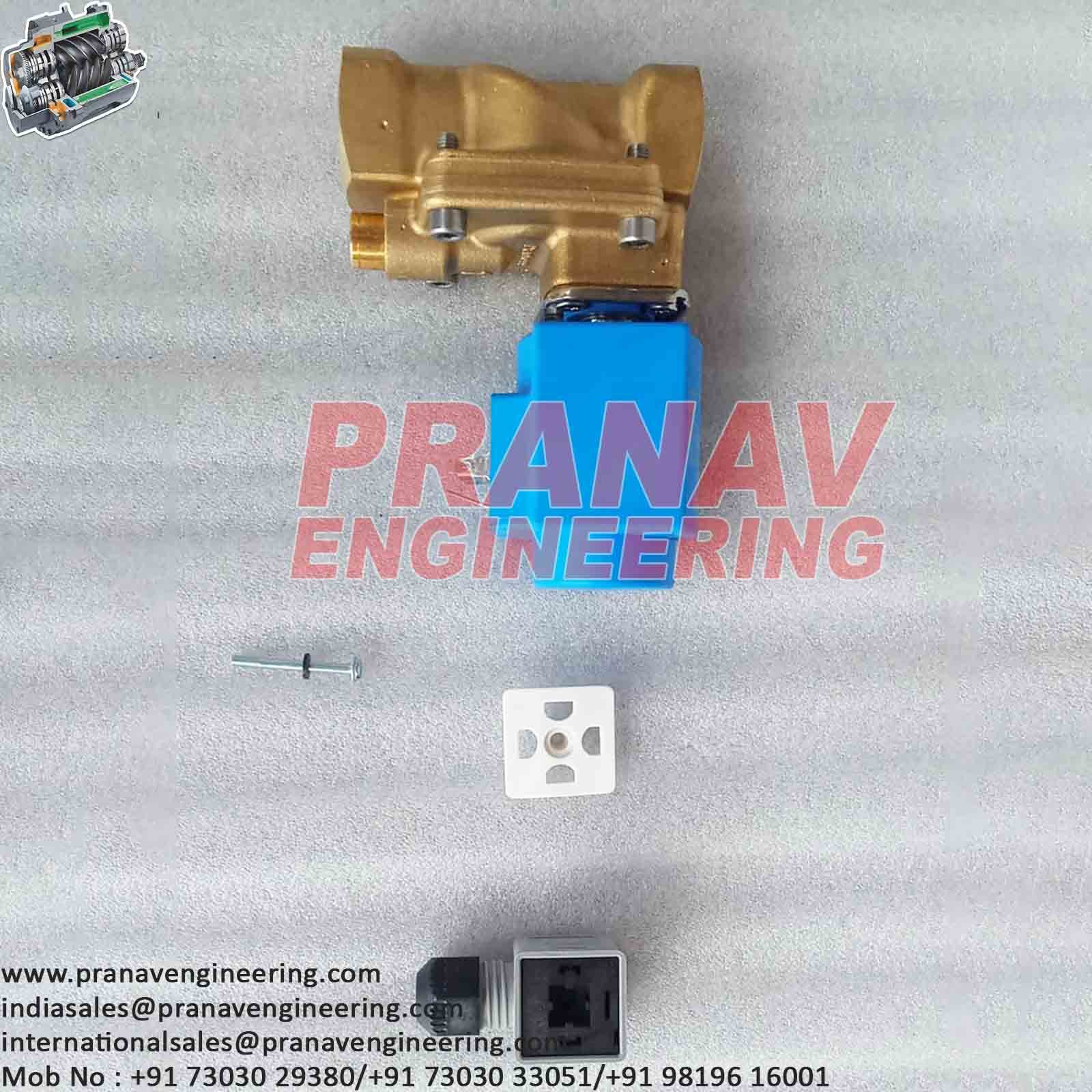
Manufactured from durable and application-suitable materials, compressor cable plugs are designed to withstand demanding industrial environments. They can be used for connecting sensors, switches, solenoid valves, control panels, motors, temperature sensors, pressure sensors, and other electrical components associated with compressor systems. A properly fitted cable plug helps reduce the possibility of loose connections, intermittent signals, electrical faults, and unwanted equipment downtime.
The design of a cable plug may include a protective housing, electrical contacts, sealing elements, locking mechanisms, and cable-entry arrangements. Depending on the compressor model and application, different plug configurations, pin arrangements, sizes, and connection types may be available. Selecting the correct plug according to the original compressor specification is important to ensure proper compatibility and dependable operation.
A high-quality cable plug also provides protection against environmental conditions commonly found around compressors, including oil exposure, vibration, temperature variations, dust, and moisture. Its secure locking arrangement helps prevent accidental disconnection during compressor operation. This is particularly important in industrial applications where continuous equipment operation and reliable monitoring are essential.
Cable plugs are frequently replaced during compressor servicing, electrical maintenance, troubleshooting, or component replacement. Using a suitable replacement can help restore proper electrical communication between connected components and maintain the intended performance of the compressor control system.
When selecting a Cable Plug for Compressor, users should verify the compressor make and model, part number, plug configuration, number of pins, cable size, voltage and current requirements, connector dimensions, and environmental protection requirements. Correct identification helps ensure easy installation and dependable service.
Overall, the Cable Plug for Compressor is a small but important component that contributes to the reliability, safety, and efficient operation of compressor electrical systems. A properly matched cable plug provides secure connectivity, protects electrical connections, supports accurate signal transmission, and helps maintain consistent compressor performance in demanding industrial applications.