

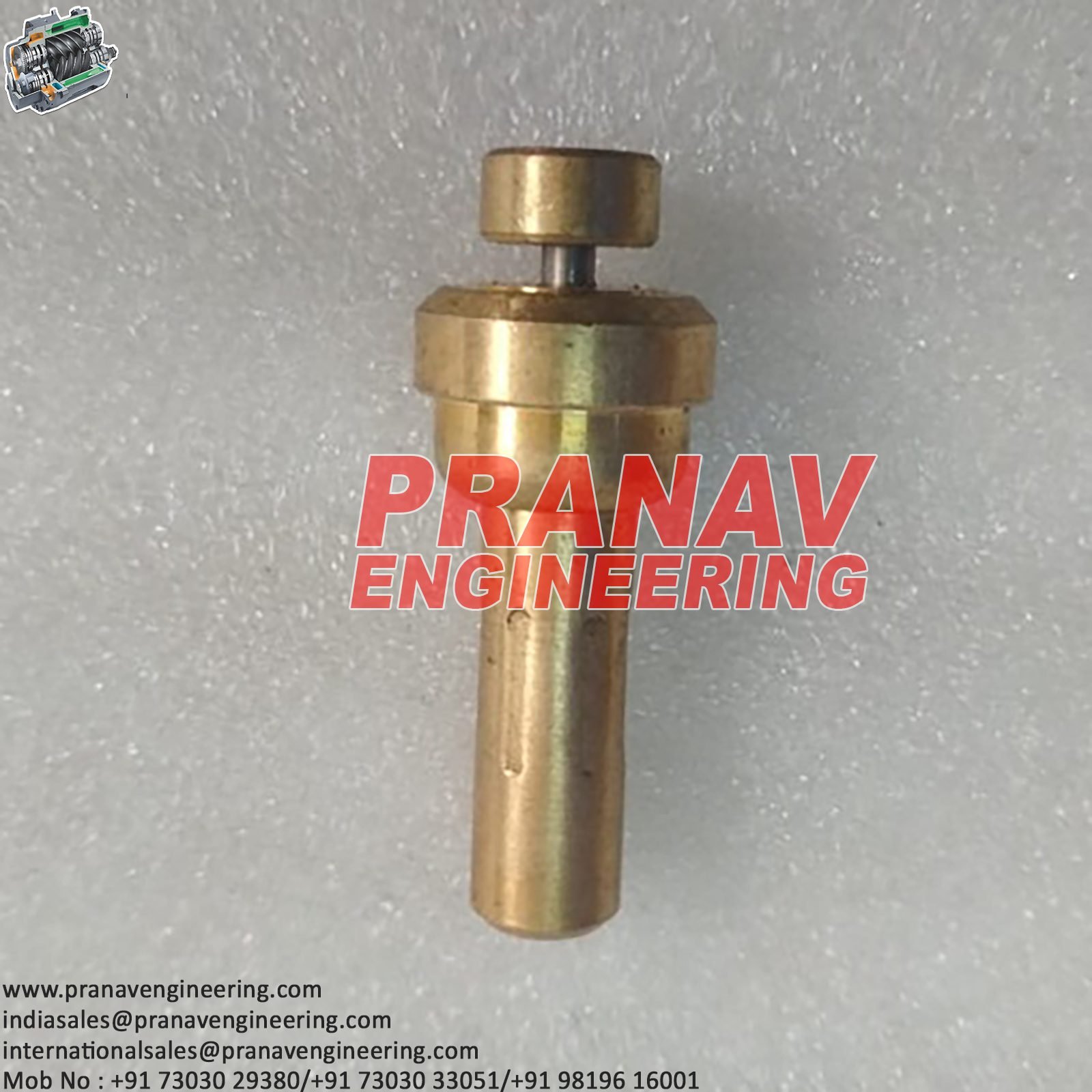
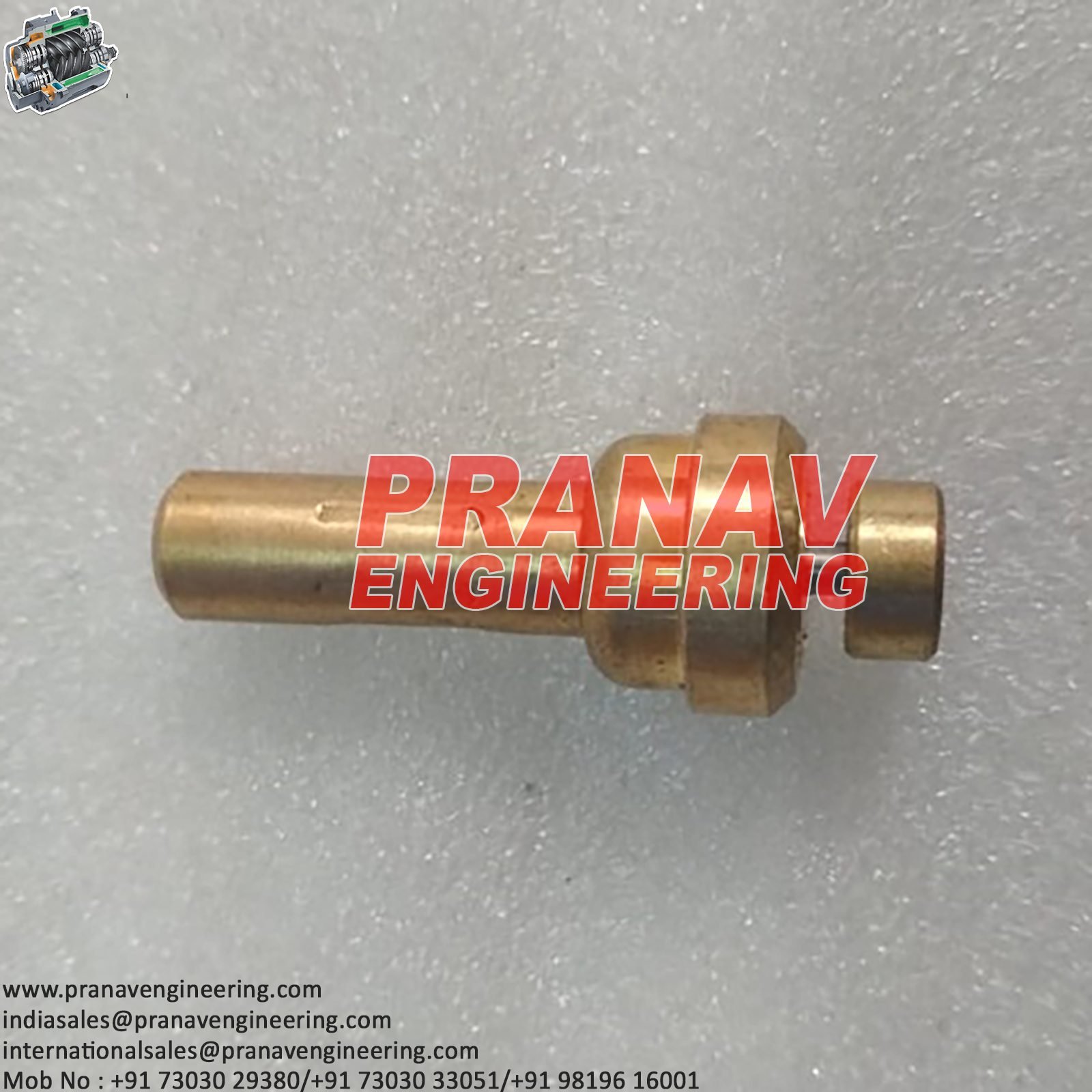
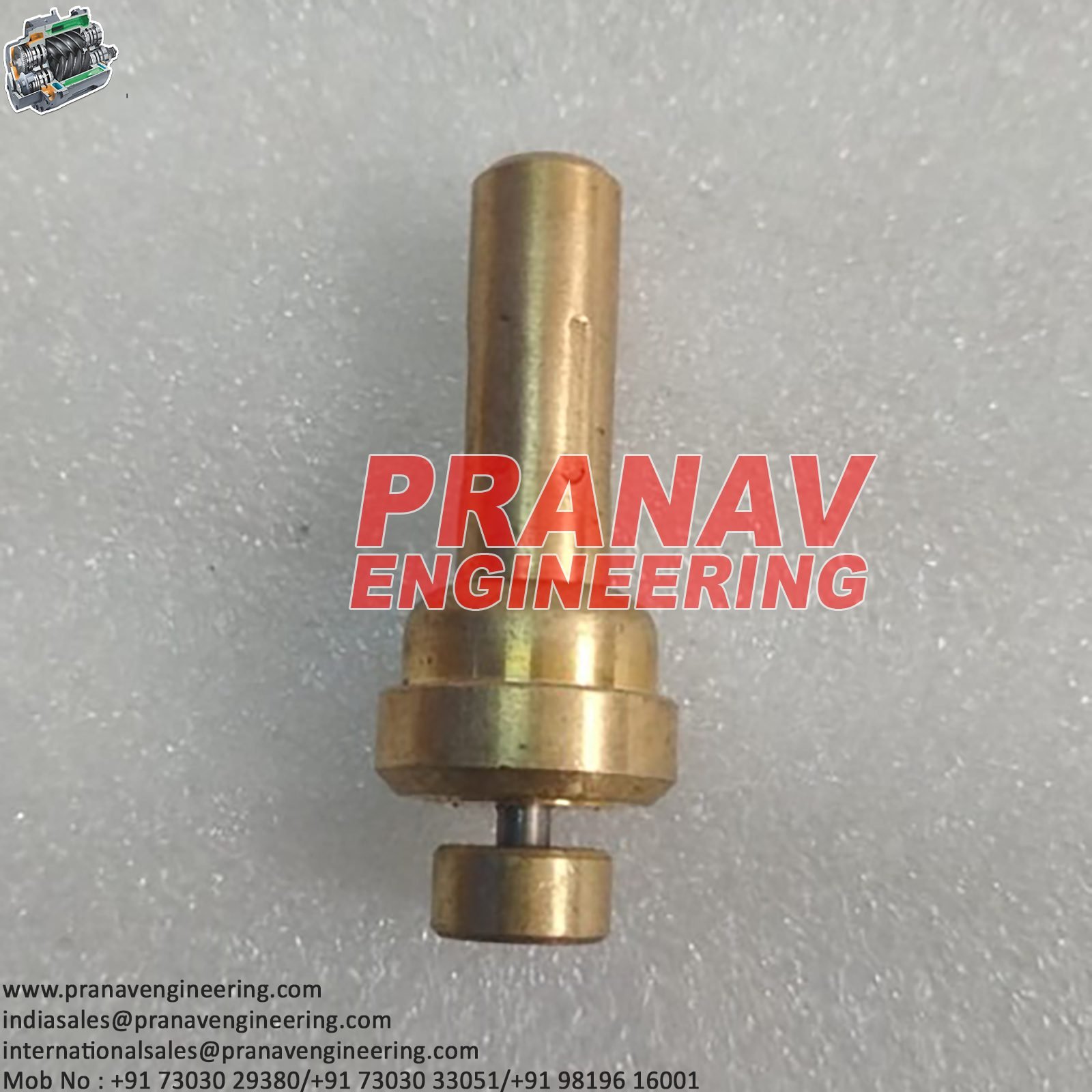
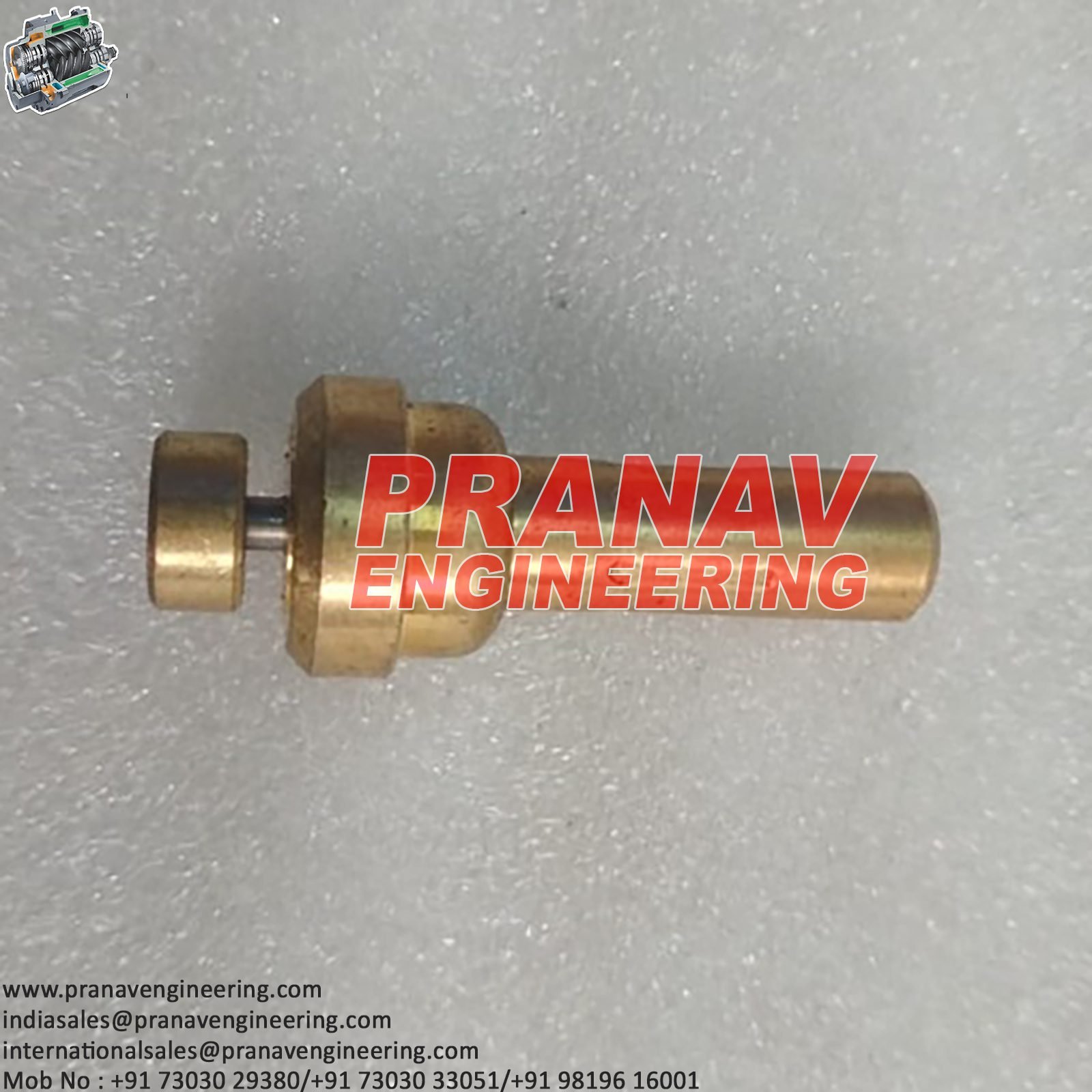
A thermal valve is an important control component used in refrigeration, air conditioning, industrial cooling, hydraulic systems, and various temperature-regulated applications. Its primary function is to automatically regulate the flow of a fluid or refrigerant based on temperature changes within the system. By maintaining the desired operating temperature, thermal valves help improve efficiency, protect equipment, and ensure reliable system performance.

The working principle of a thermal valve is based on temperature-sensitive elements such as a wax capsule, bimetal strip, gas-filled bulb, or liquid-filled sensing element. When the surrounding temperature changes, the sensing element expands or contracts, causing the valve mechanism to open, close, or adjust its position. This automatic response allows the valve to control the flow of refrigerant, water, oil, or other fluids without requiring manual intervention.

In refrigeration and air conditioning systems, thermal expansion valves (TXVs) are among the most commonly used thermal valves. They regulate the amount of refrigerant entering the evaporator based on the cooling load. By maintaining the correct superheat level, the valve ensures maximum heat transfer efficiency while preventing liquid refrigerant from reaching the compressor, which could cause severe damage. This results in improved energy efficiency, reduced operating costs, and extended equipment life.

Thermal valves are manufactured using high-quality materials such as brass, stainless steel, aluminum, and specialized alloys to withstand varying temperatures, pressures, and operating conditions. Many designs include corrosion-resistant coatings and precision-machined internal components for long-term reliability and accurate temperature control.

These valves are widely used in commercial refrigeration units, cold storage facilities, HVAC systems, industrial process cooling equipment, automotive cooling systems, and hydraulic machinery. Their ability to provide automatic temperature regulation makes them essential for maintaining product quality, operational safety, and system stability.

Key advantages of thermal valves include precise temperature control, energy savings, automatic operation, enhanced equipment protection, reduced maintenance requirements, and improved overall system performance. Modern thermal valves are designed for quick response times, high durability, and compatibility with a wide range of refrigerants and working fluids.

In conclusion, a thermal valve is a critical component for temperature management in numerous industrial and commercial applications. By automatically regulating fluid flow according to temperature variations, it ensures efficient operation, protects valuable equipment, and contributes to the reliability and longevity of the entire system.