
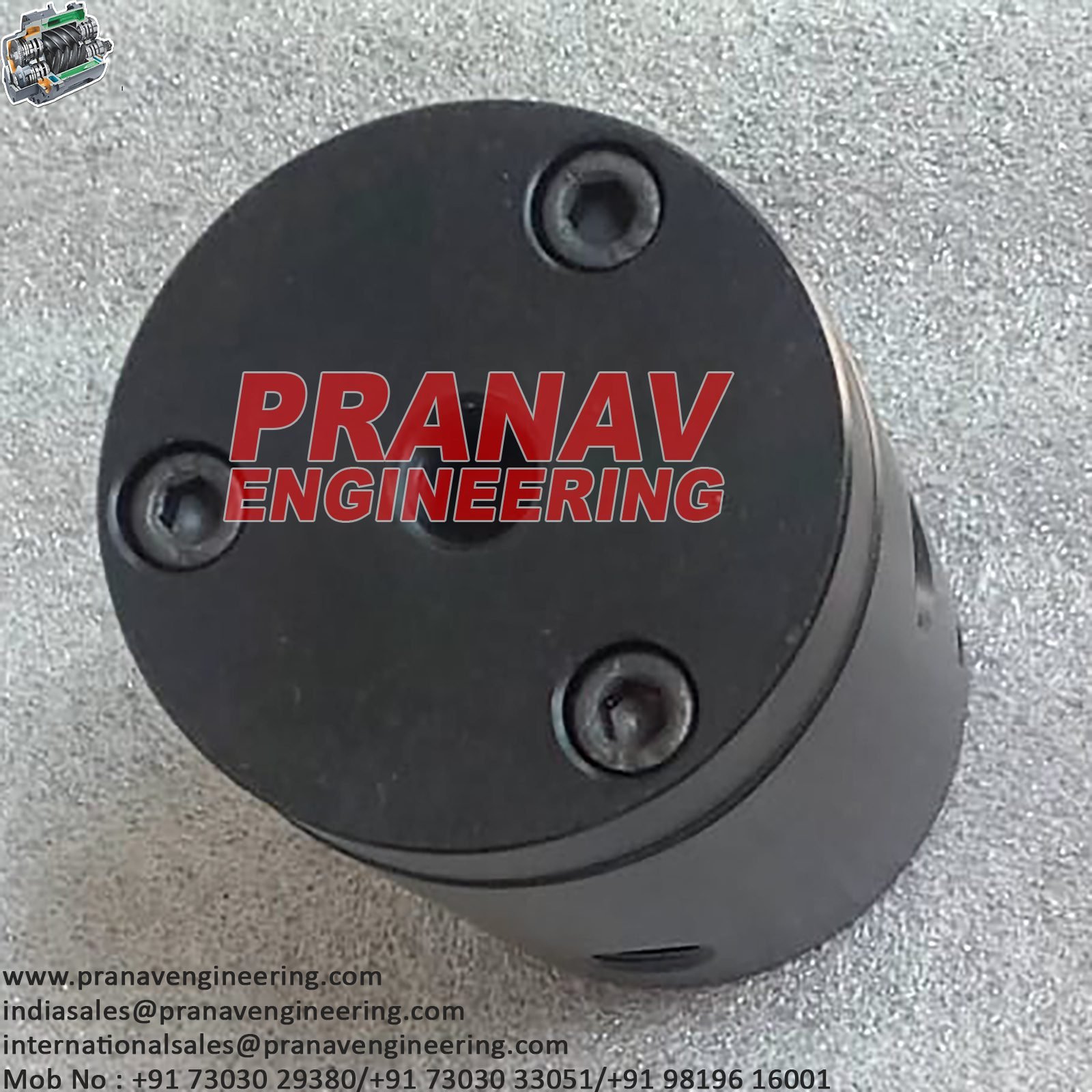
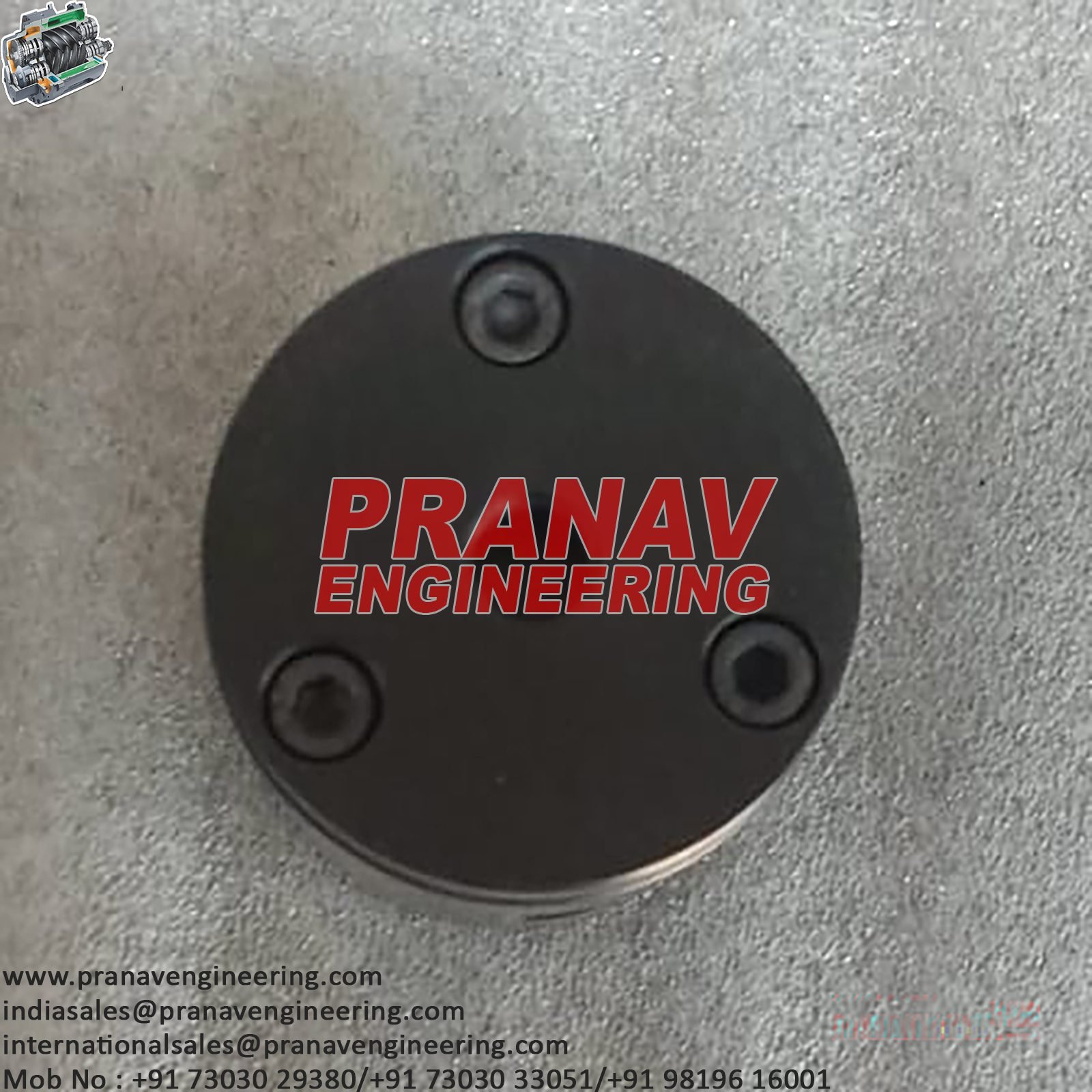
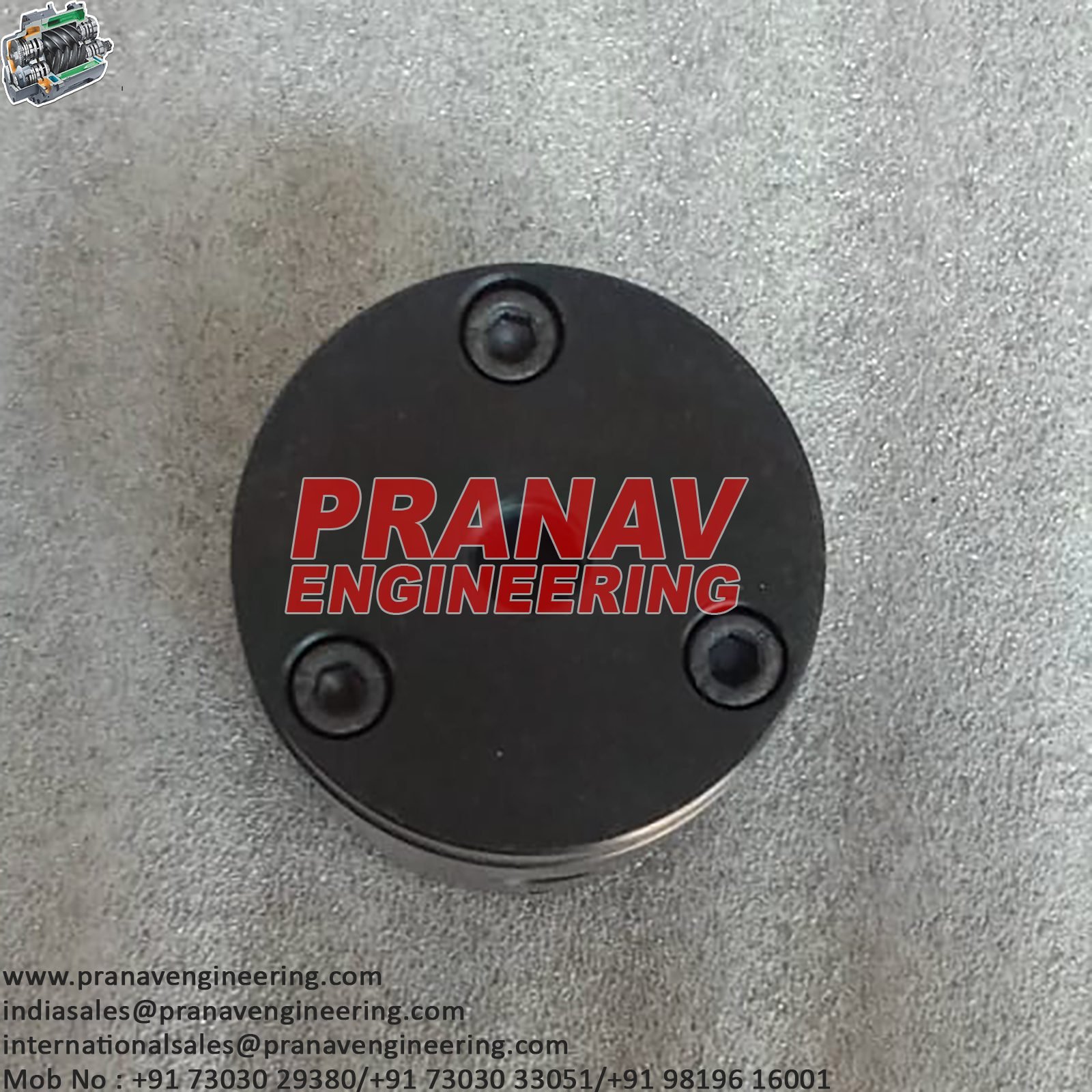
PNEUMATIC OPERATED VALVE-7.4801E2
By automating airflow control, these valves reduce the need for manual intervention and improve overall system efficiency.
A pneumatic operated valve is an essential component used in air compressor systems to control the flow of compressed air automatically and efficiently. These valves utilize compressed air as the actuating force to open, close, or regulate airflow within the compressor network. Pneumatic operated valves are widely used in industrial applications due to their reliability, fast response time, low maintenance requirements, and ability to operate in demanding environments.
In an air compressor system, pneumatic operated valves play a crucial role in maintaining optimal pressure levels and ensuring smooth operation of connected equipment. They help control the movement of compressed air between various stages of the system, including air receivers, dryers, filters, pipelines, and end-use machinery. By automating airflow control, these valves reduce the need for manual intervention and improve overall system efficiency.
The construction of a pneumatic operated valve typically includes a valve body, actuator, piston or diaphragm, seals, and control ports. When compressed air is supplied to the actuator, it generates mechanical movement that opens or closes the valve. Depending on the application, the valve can be configured as normally open (NO) or normally closed (NC), providing flexibility for different operational requirements.
One of the primary advantages of pneumatic operated valves is their ability to function safely in hazardous environments where electrical actuators may pose risks. Since they rely on compressed air rather than electrical power, they are suitable for industries such as manufacturing, automotive, pharmaceuticals, food processing, petrochemicals, and power generation. Their robust design ensures reliable performance even under continuous operation and harsh working conditions.
Pneumatic operated valves are available in various types, including ball valves, butterfly valves, angle seat valves, and diaphragm valves. The selection depends on factors such as pressure rating, flow capacity, media compatibility, and application requirements. High-quality valves offer excellent sealing performance, minimal pressure loss, and long service life, contributing to reduced operating costs and increased productivity.
Regular inspection and maintenance of pneumatic operated valves help ensure consistent performance and prevent unexpected downtime. Proper lubrication, seal replacement, and periodic testing can significantly extend the lifespan of the valve and improve compressor system reliability.
Overall, pneumatic operated valves are vital components in modern air compressor installations, providing precise airflow control, enhanced automation, improved safety, and efficient operation. Their durability, versatility, and cost-effective performance make them an ideal choice for a wide range of industrial compressed air applications.