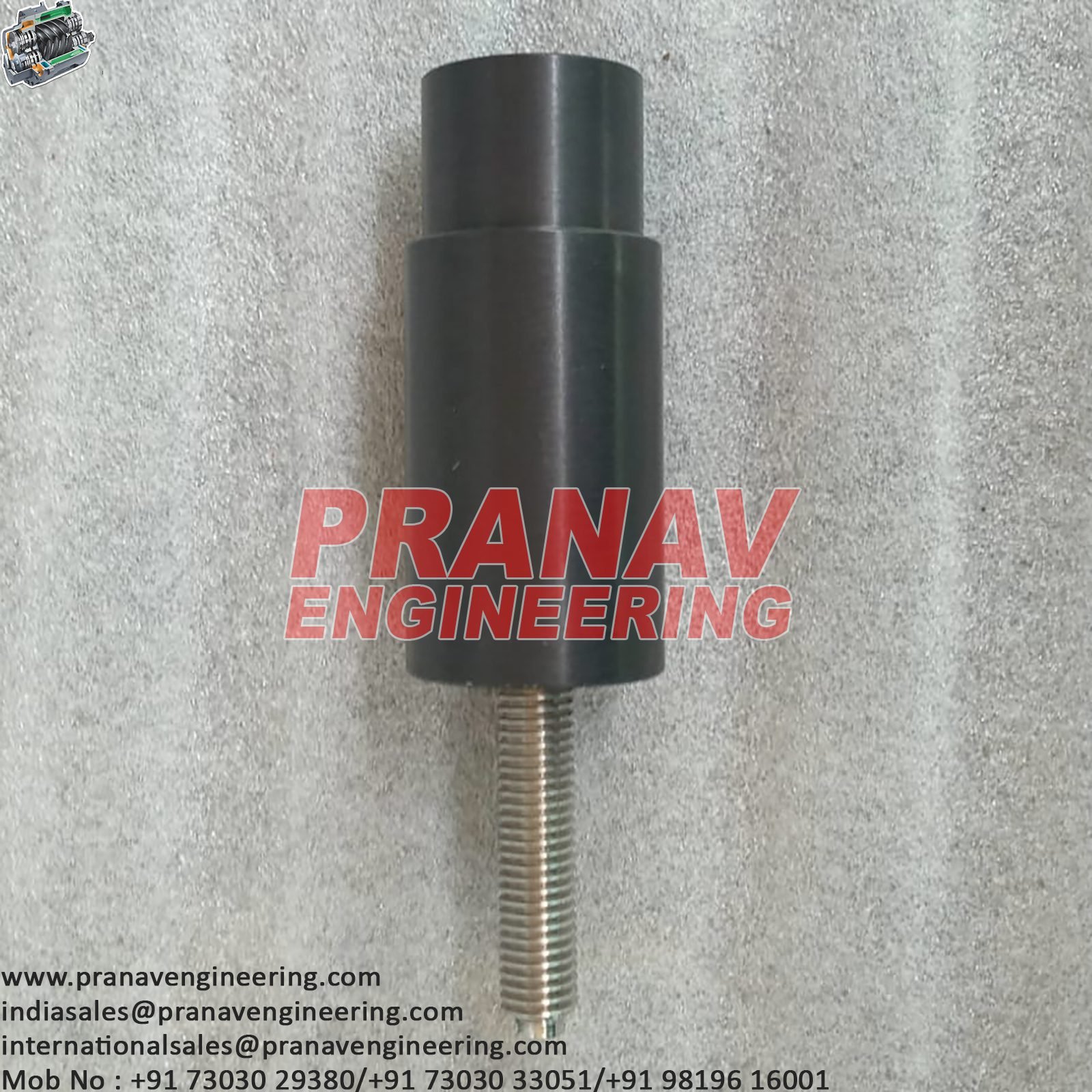
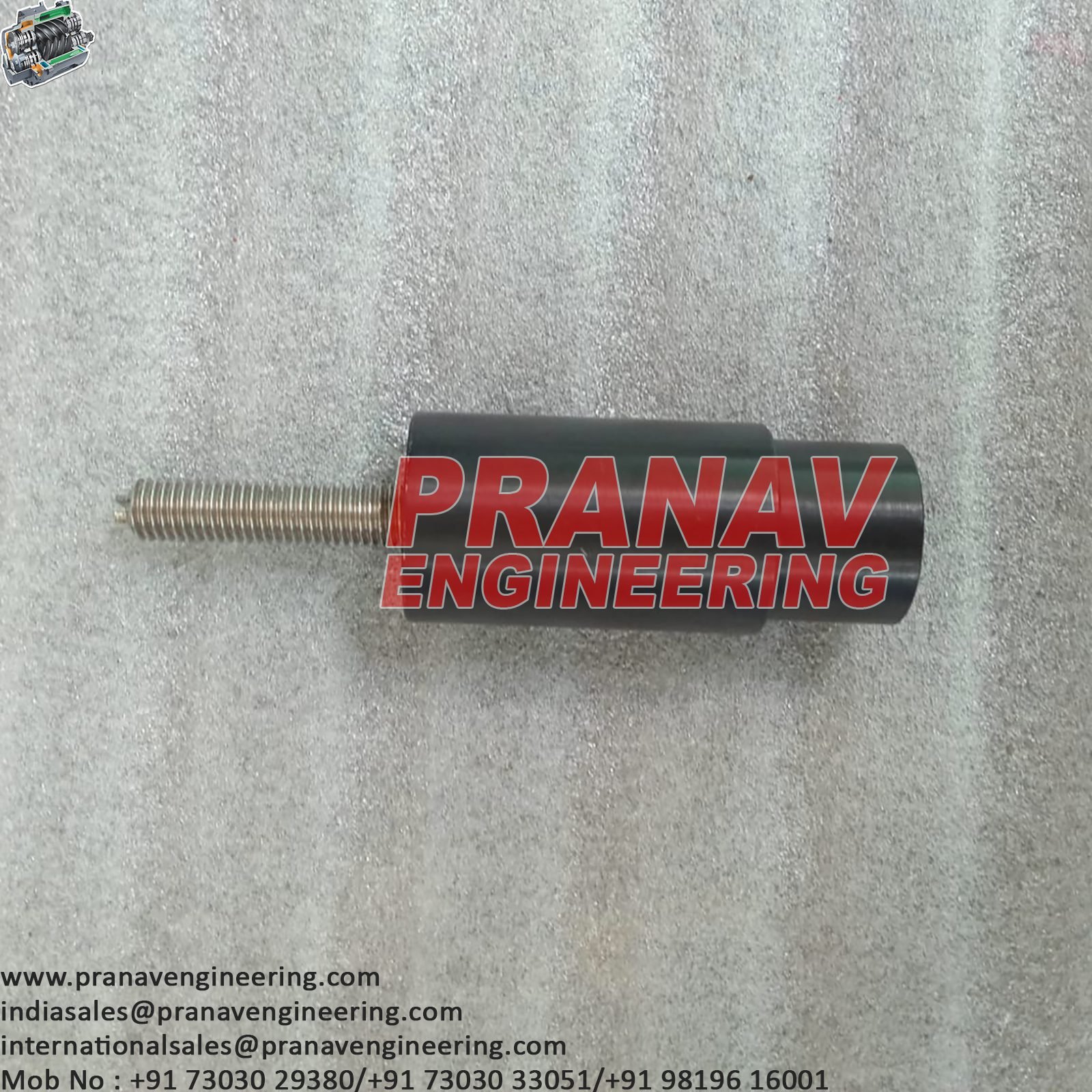
PIVOT PIN-1202888400
Routine inspection and maintenance of pivot pins are recommended to identify signs of wear, looseness, or surface damage.
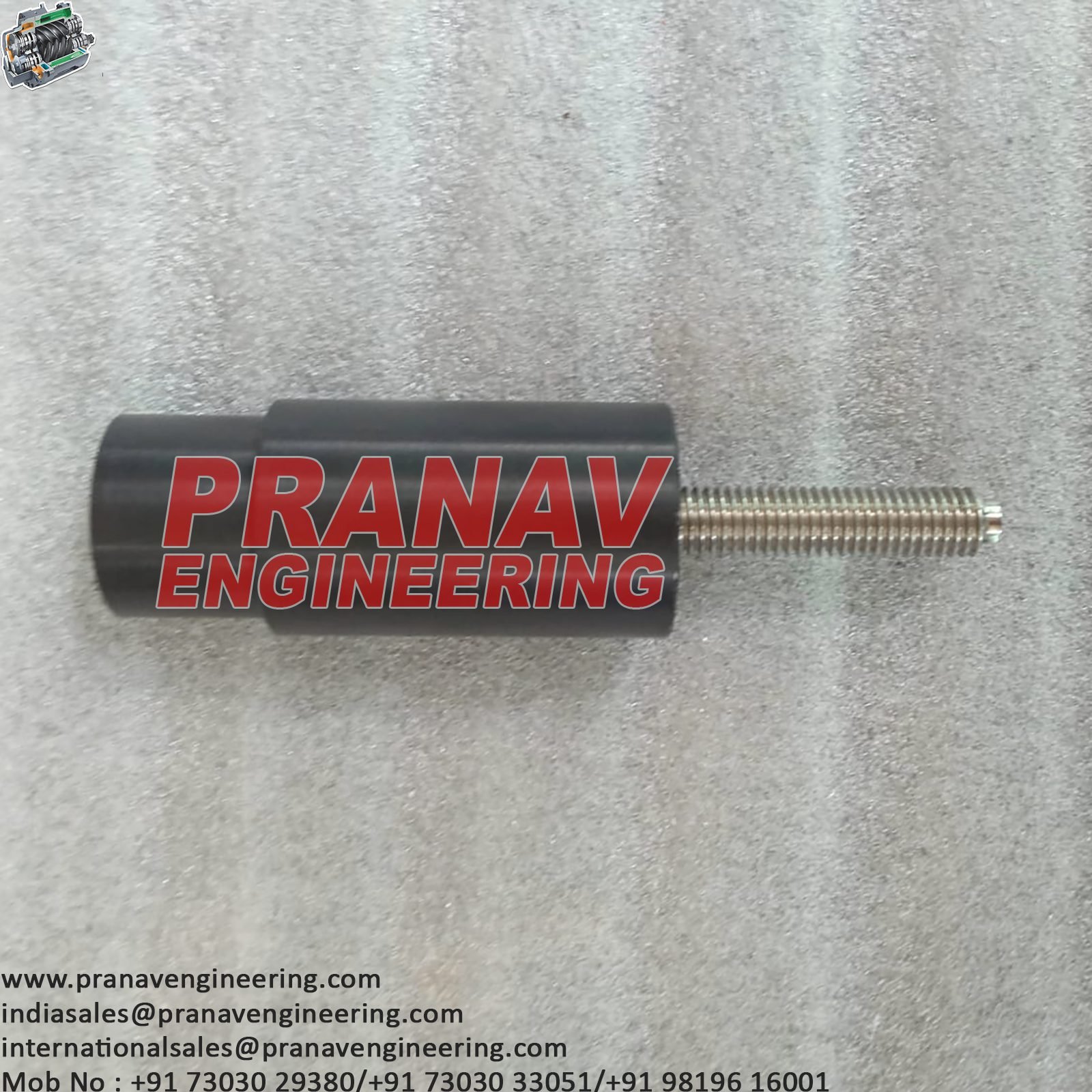
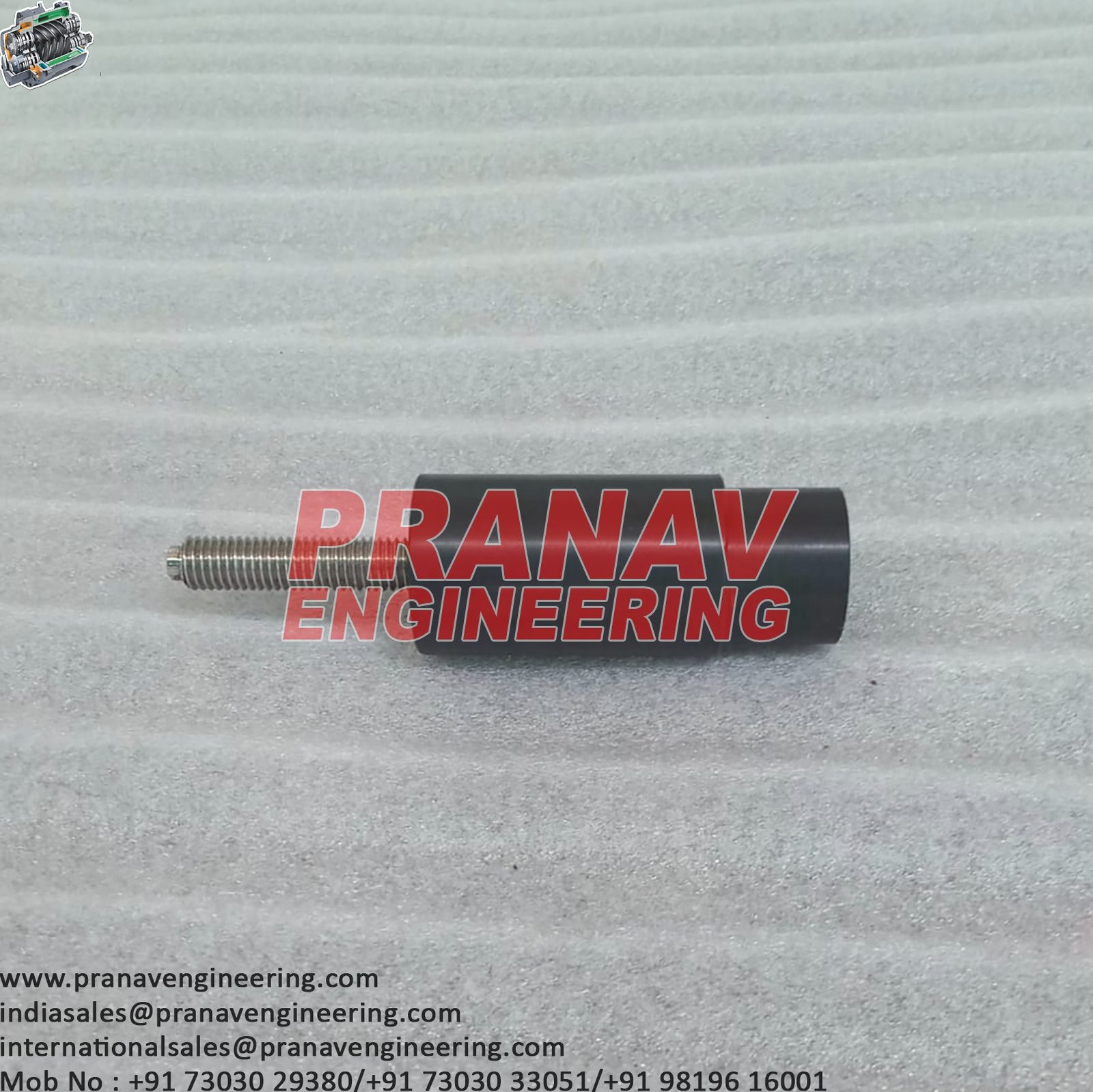
A pivot pin is an important mechanical component used in compressor systems to support rotational or pivoting movement between connected parts. It acts as a central axis around which specific compressor components move, ensuring smooth operation, stability, and accurate alignment during machine functioning. Pivot pins are widely used in industrial compressors where reliability, durability, and precision are essential for continuous performance.
Manufactured from high-strength materials such as hardened steel, alloy steel, or corrosion-resistant metals, pivot pins are designed to withstand heavy loads, vibration, pressure fluctuations, and continuous operational stress. Their robust construction helps improve compressor efficiency while reducing wear and extending component life.
In compressor assemblies, pivot pins are commonly installed in linkages, actuating mechanisms, lever systems, and moving assemblies where controlled movement is required. They help maintain proper positioning of mechanical parts while allowing rotational motion with minimal friction. Properly designed pivot pins contribute to smoother machine performance, reduced maintenance requirements, and lower operational downtime.
The dimensional accuracy of a pivot pin is highly important because even minor variations can affect compressor alignment and overall system efficiency. Precision machining ensures proper fitment and reliable operation under demanding industrial conditions. Many pivot pins also feature protective surface treatments such as zinc coating, hard chrome plating, or anti-corrosion finishes to improve resistance against environmental conditions and extend service life.
Industrial compressors operating in manufacturing plants, automotive industries, mining operations, construction equipment, and pneumatic systems rely on durable pivot pin components to maintain consistent operational performance. A high-quality pivot pin helps reduce mechanical stress on surrounding components, minimizing premature wear and improving equipment reliability.
Routine inspection and maintenance of pivot pins are recommended to identify signs of wear, looseness, or surface damage. Replacing worn pivot pins at the correct maintenance intervals helps prevent unexpected equipment failures and ensures uninterrupted compressor operation.
Selecting the right pivot pin requires consideration of factors such as load capacity, material strength, dimensional compatibility, environmental exposure, and compressor application requirements. Using a properly engineered pivot pin contributes significantly to maintaining compressor efficiency, safety, and long-term operational stability.
Overall, the pivot pin serves as a small yet critical element within compressor machinery. Its ability to provide stable pivot movement, structural support, and mechanical reliability makes it an essential component in ensuring smooth compressor performance across various industrial applications.