


THERMOSTAT TROPICAL-1619759500
Tropical environments often experience high ambient temperatures, which can place extra stress on compressors by causing overheating, excessive pressure buildup, and reduced performance.
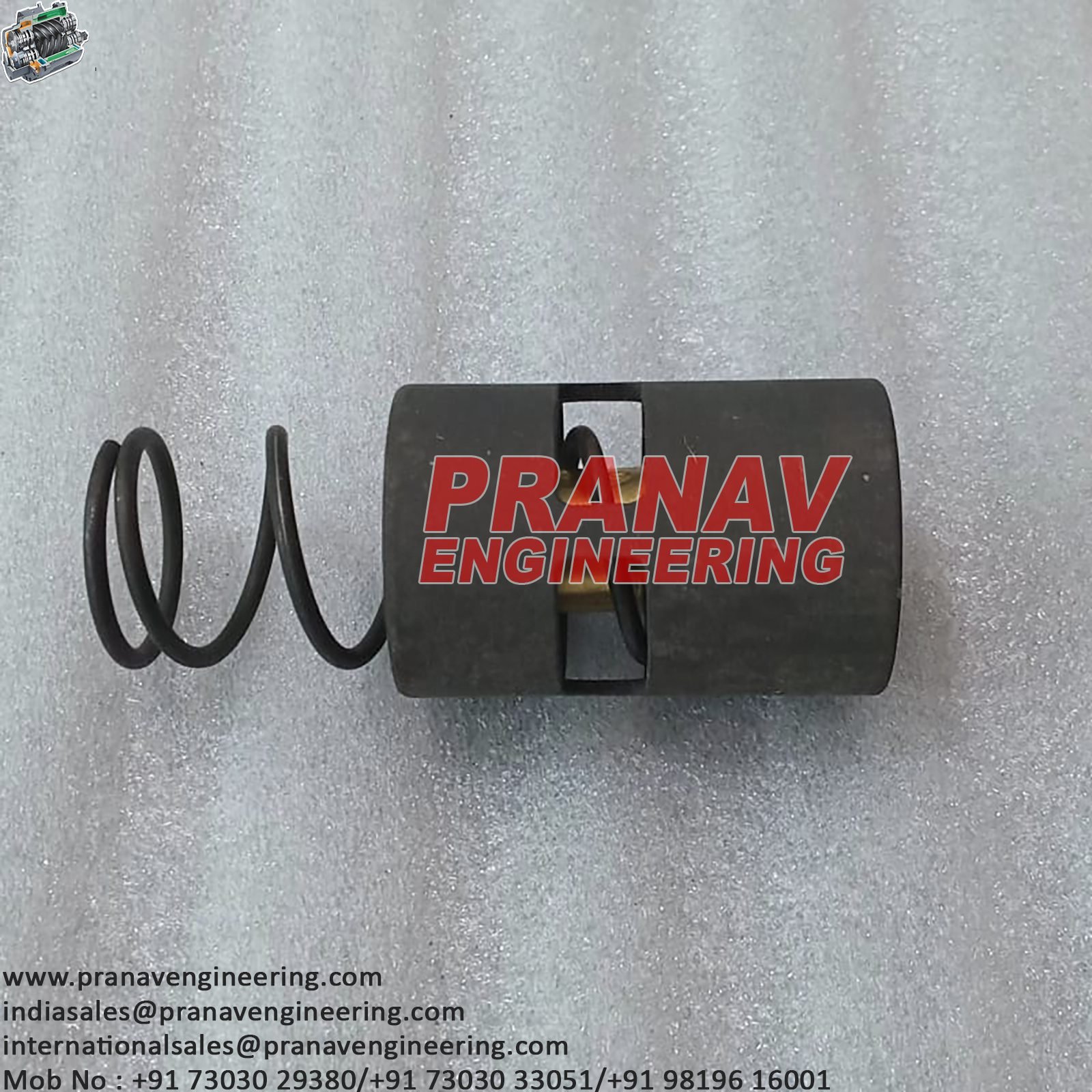
A thermostat in a tropical compressor is an essential temperature-regulating component designed to ensure reliable and efficient compressor operation in hot and humid climates. Tropical environments often experience high ambient temperatures, which can place extra stress on compressors by causing overheating, excessive pressure buildup, and reduced performance. A thermostat helps control internal temperatures by monitoring heat levels and activating cooling systems or safety shutdown functions when necessary. This makes it an important part of compressors used in industrial plants, workshops, refrigeration systems, and air compression applications in warm regions.
The primary function of a thermostat in a compressor is to sense temperature changes and maintain the machine within an ideal operating range. When the compressor runs continuously, internal components such as the motor, pump, bearings, and lubricating oil generate heat. In tropical conditions, this heat may not dissipate quickly because surrounding air is already warm. The thermostat detects rising temperatures and can trigger cooling fans, open thermal valves, or temporarily stop the compressor until safe temperatures are restored. This process protects the compressor from overheating damage and prolongs its working life.
A thermostat designed for tropical compressor systems is usually made from durable, heat-resistant materials that can withstand high temperatures and humidity. It is engineered for long-lasting performance even in harsh operating environments where dust, moisture, and fluctuating power conditions may be present. Many thermostats feature corrosion-resistant housings and sealed electrical contacts to improve reliability and reduce maintenance requirements.
Energy efficiency is another major benefit of a thermostat in a tropical compressor. By regulating operating temperatures, the thermostat helps the compressor run smoothly without unnecessary strain. Overheated systems often consume more electricity and produce less output. Proper temperature control allows the compressor to maintain stable performance while reducing power consumption and minimizing wear on internal components. This contributes to lower operating costs and improved productivity.
Safety is equally important. Without a thermostat, compressors operating in hot climates are at greater risk of motor burnout, oil breakdown, pressure imbalance, or sudden shutdown. A properly functioning thermostat acts as a protective control device that reduces these risks and supports uninterrupted operation. It also helps prevent expensive repairs caused by heat-related failures.